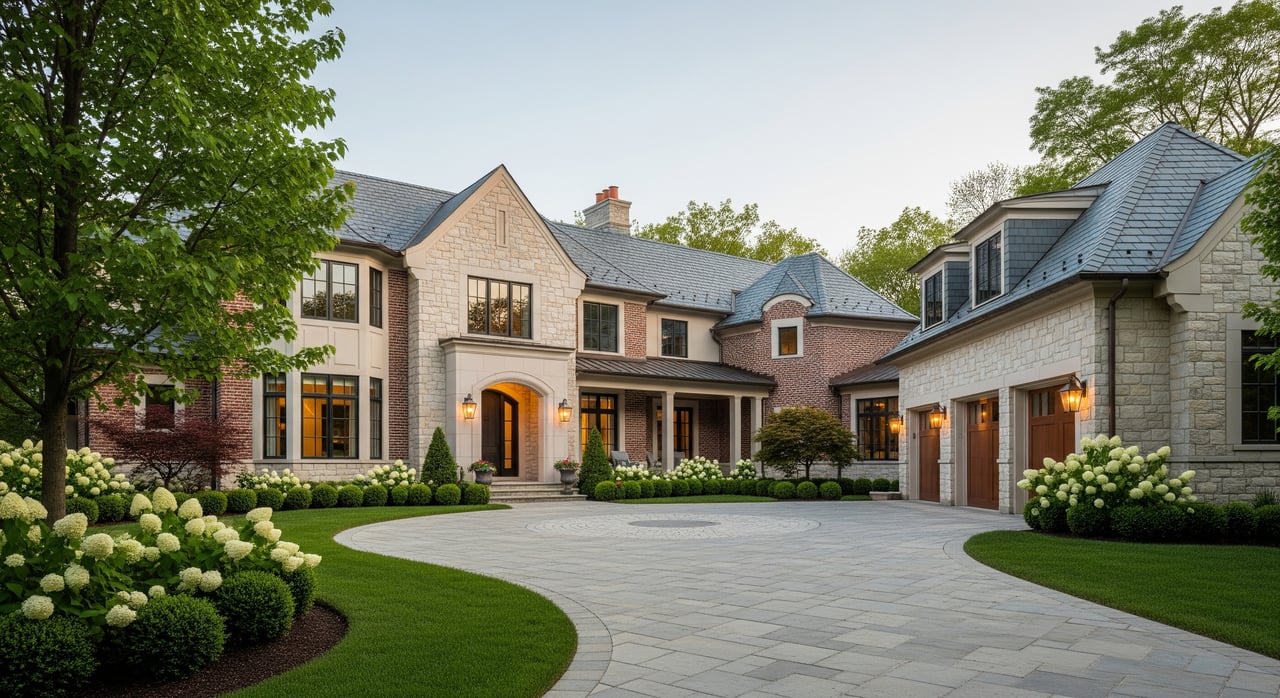
Looking for a quiet, estate-feel setting without giving up Carmel convenience? If you want space, privacy, and a home tailored to how you live, a small custom enclave like Windsor Grove deserves a close look. You want confidence before you invest time or money. This guide explains how to evaluate Windsor Grove, what sets estate-style communities apart in Carmel, and the key checks to finish before you buy or build. Let’s dive in.
Windsor Grove at a glance
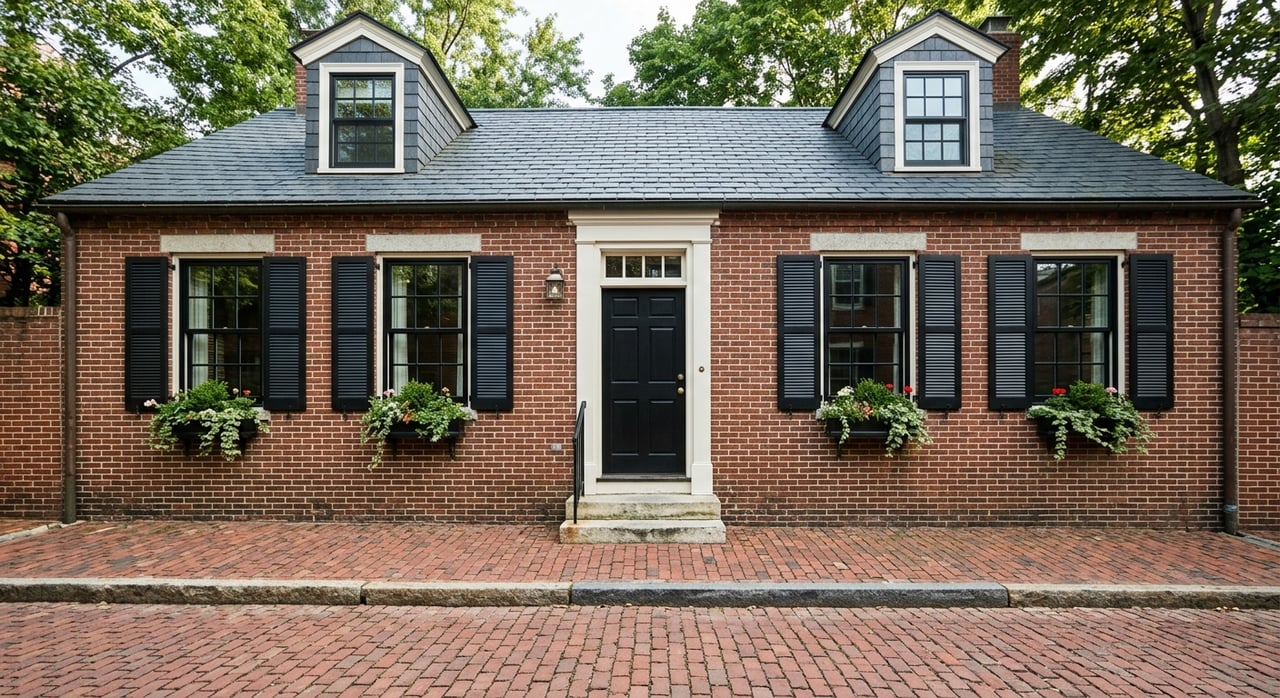
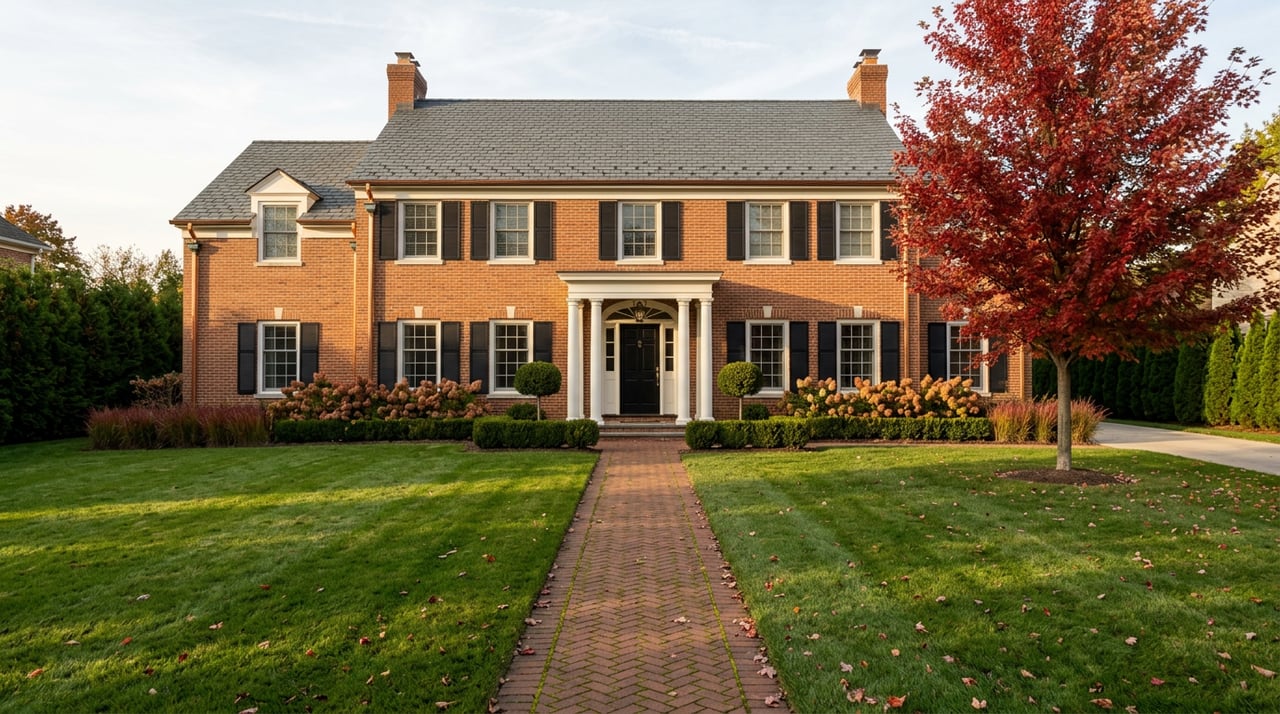
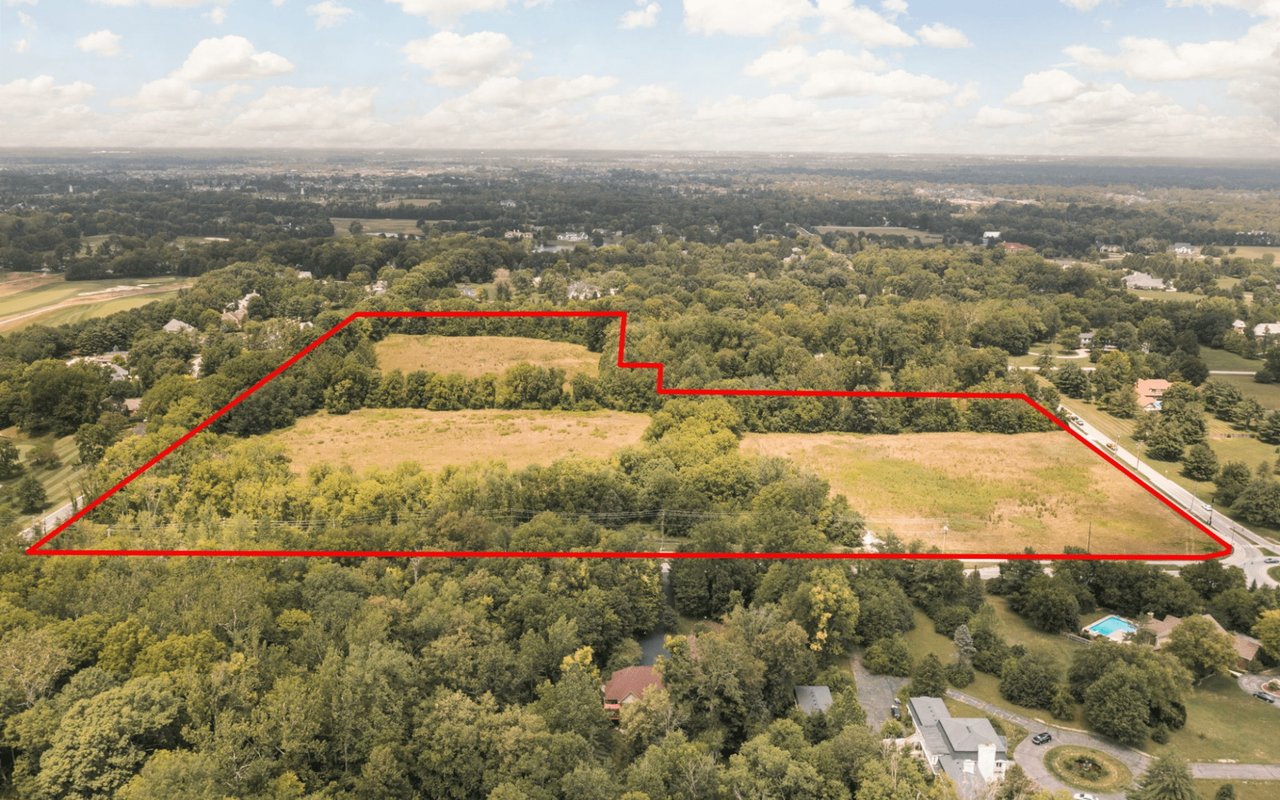
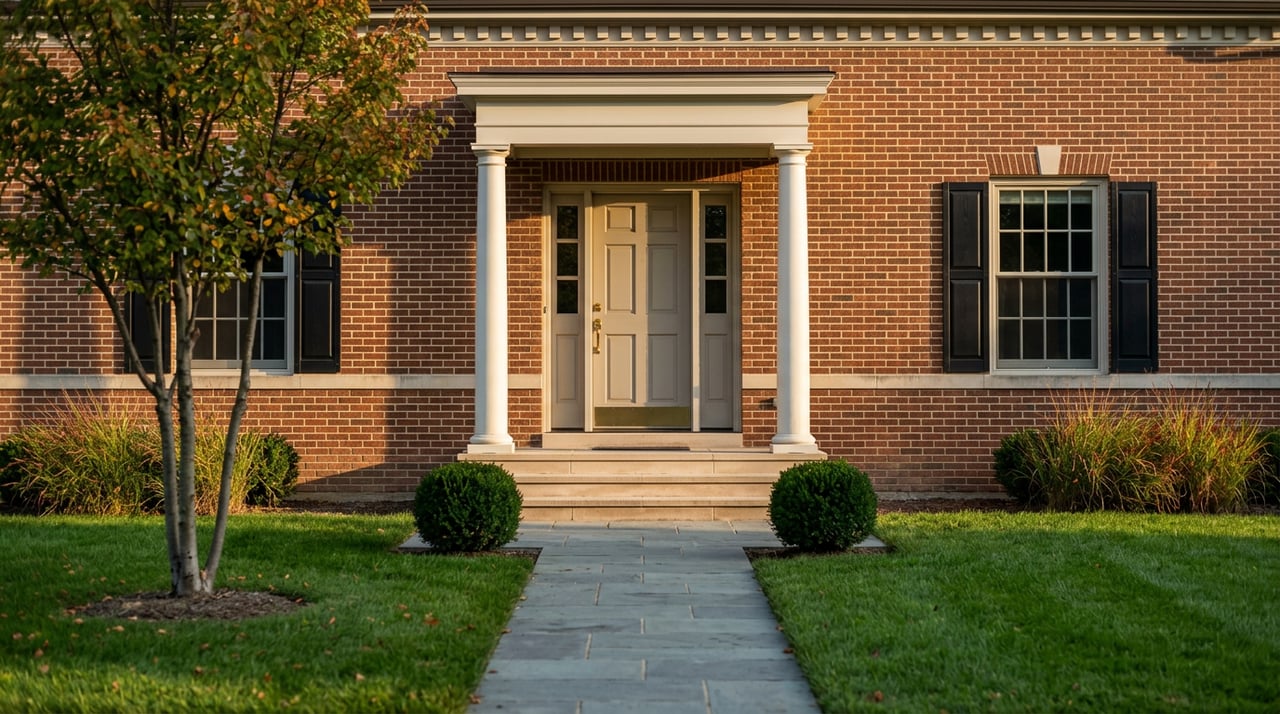
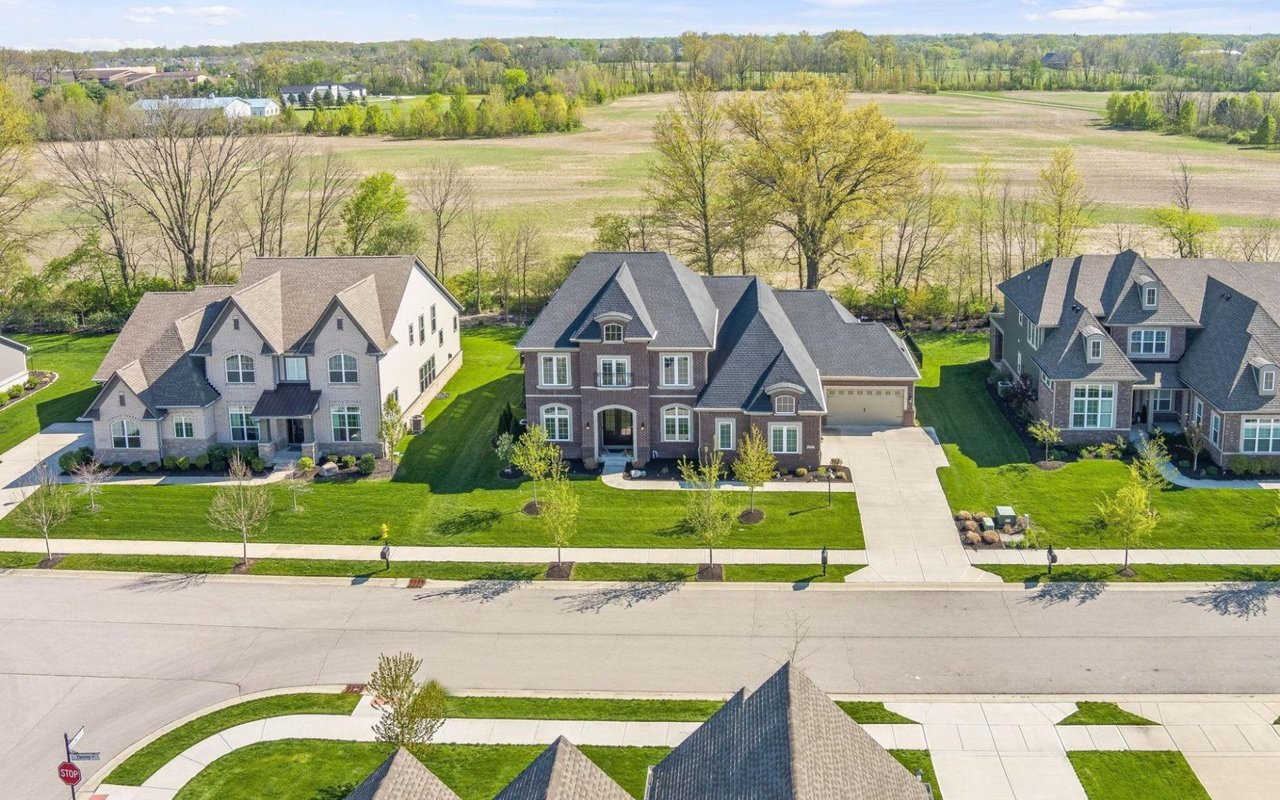
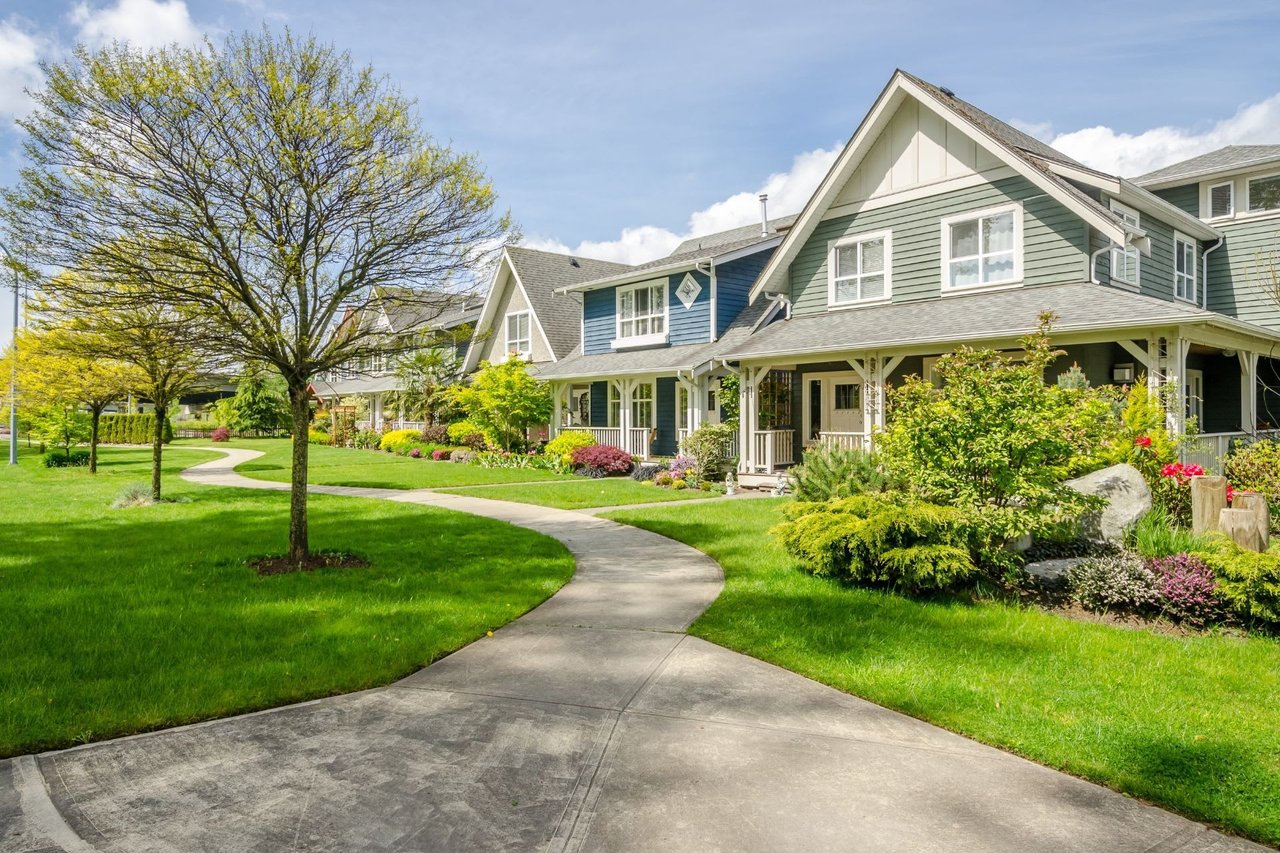
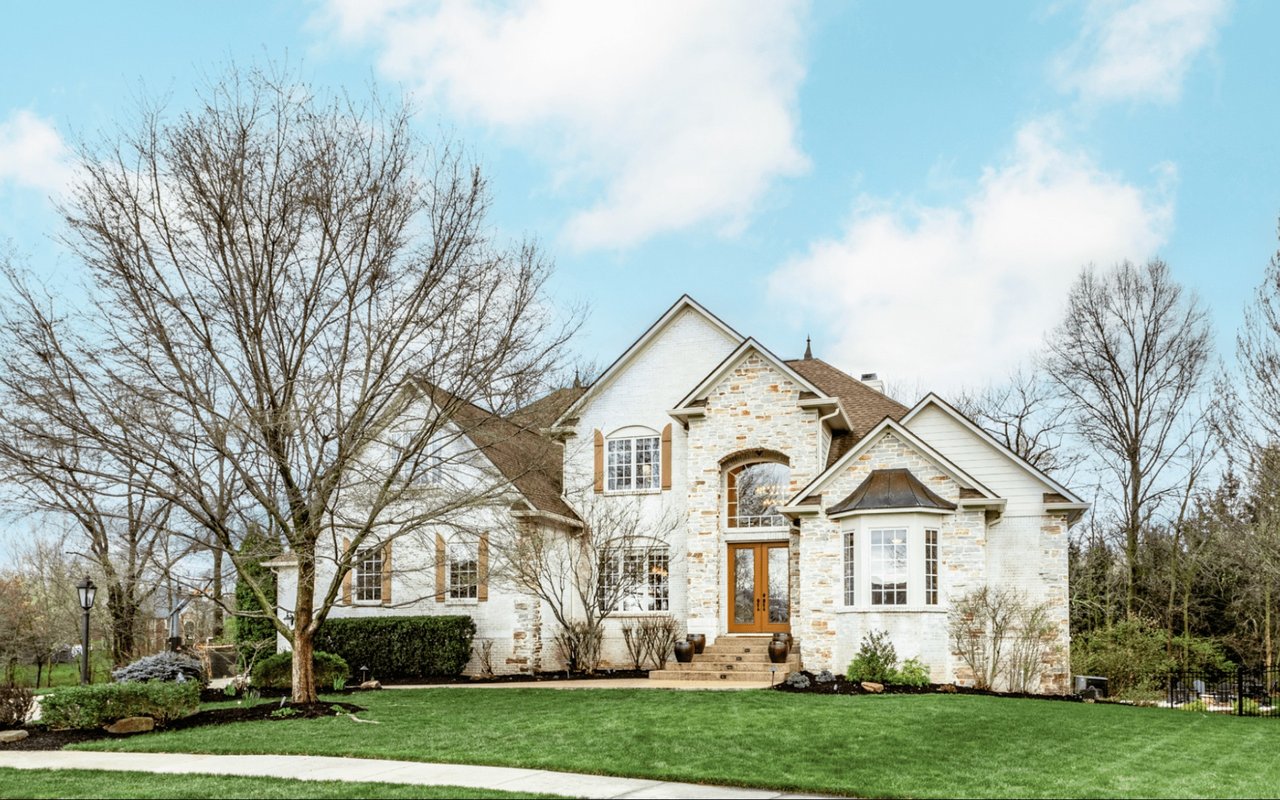
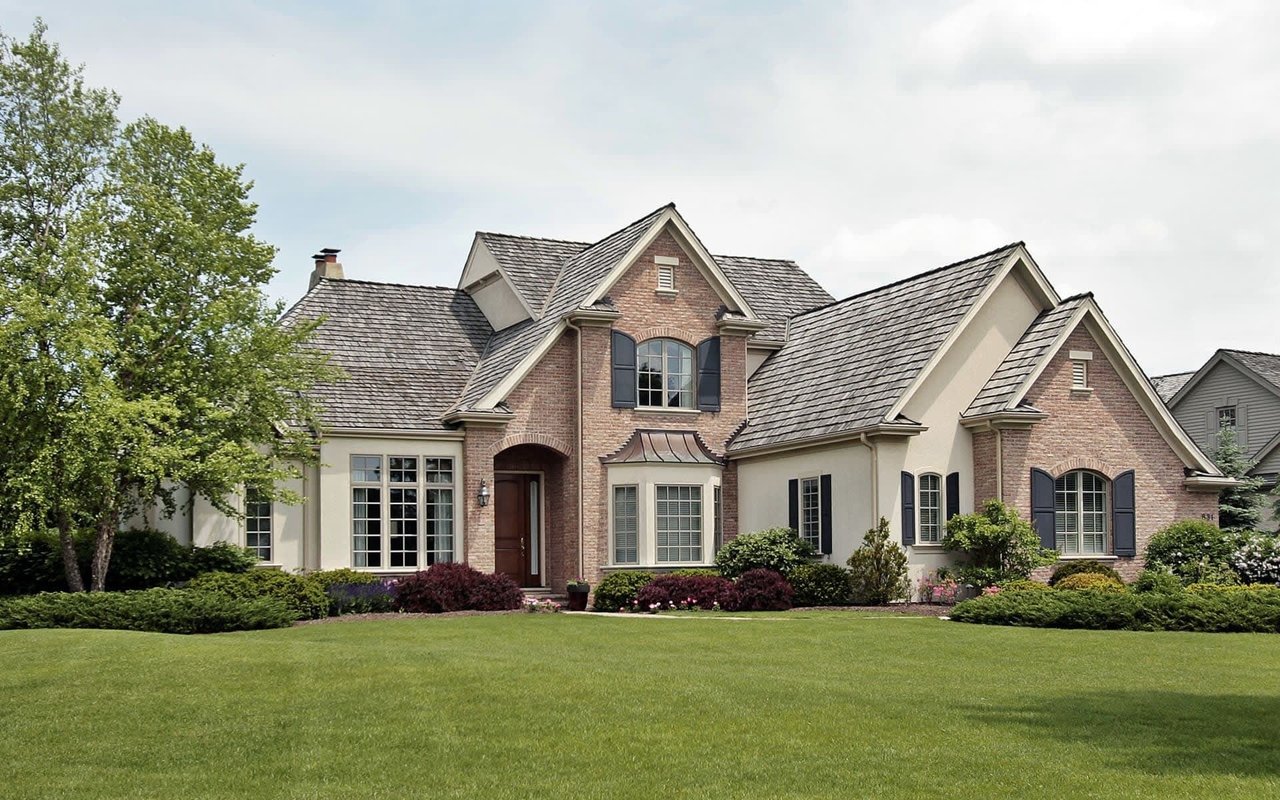
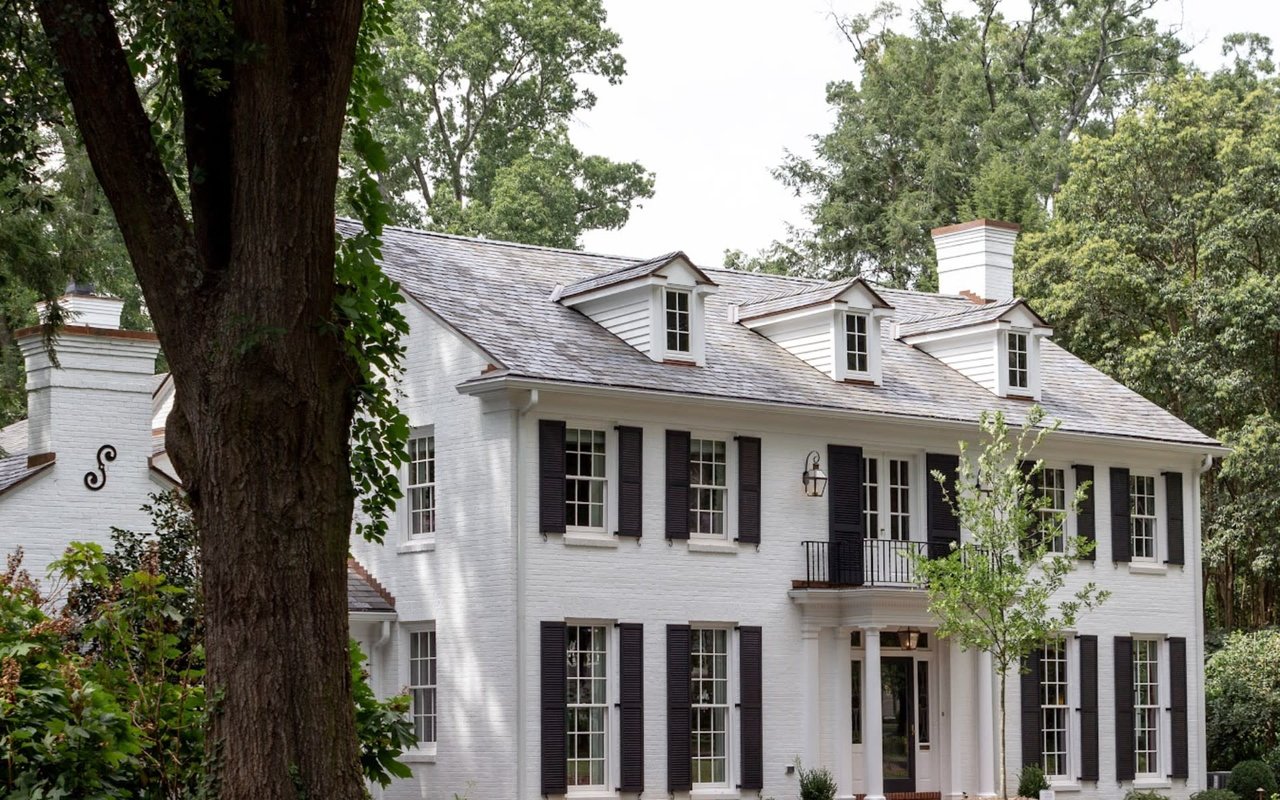
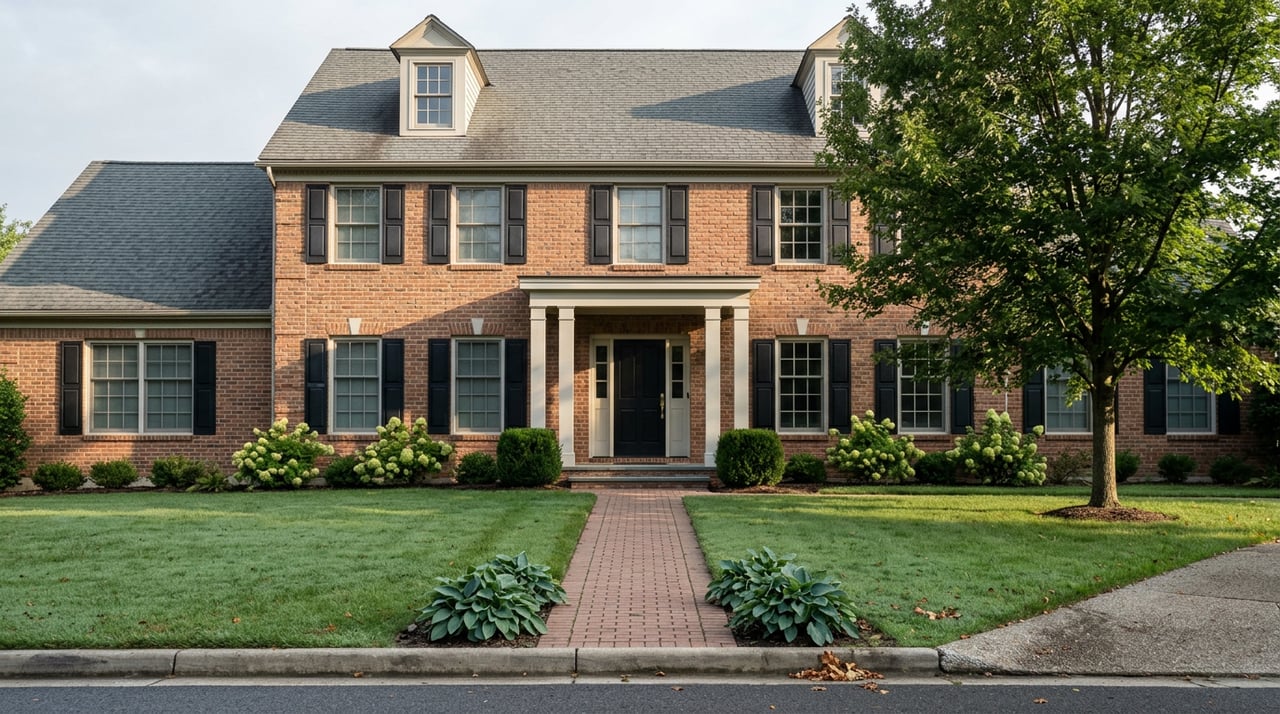
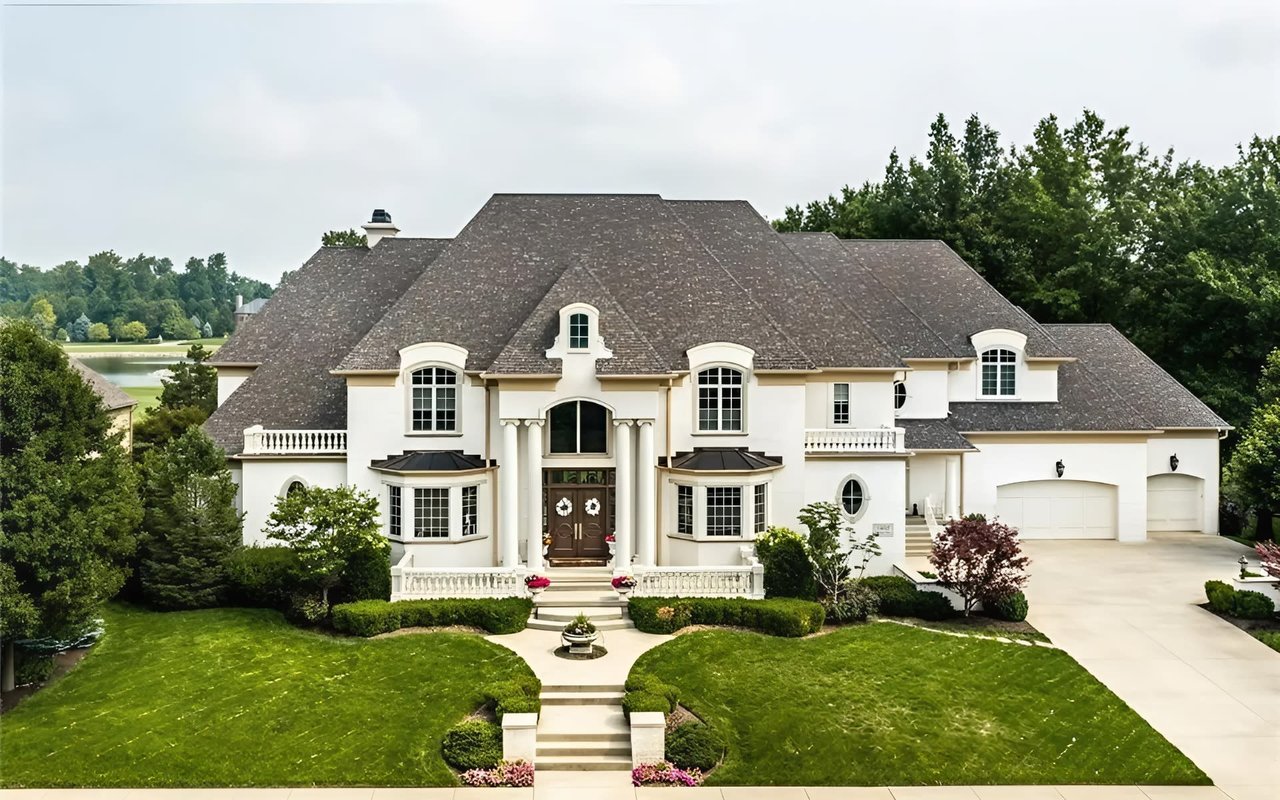
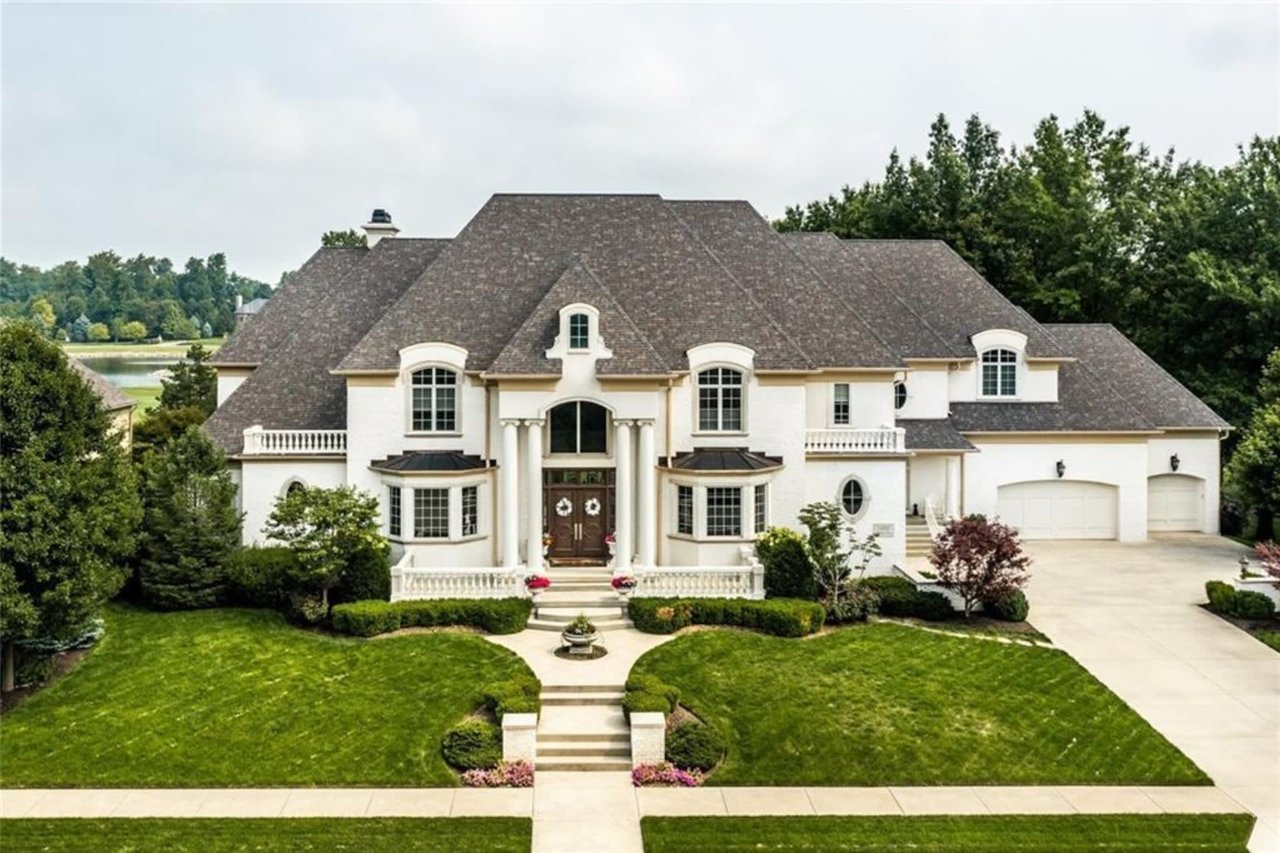
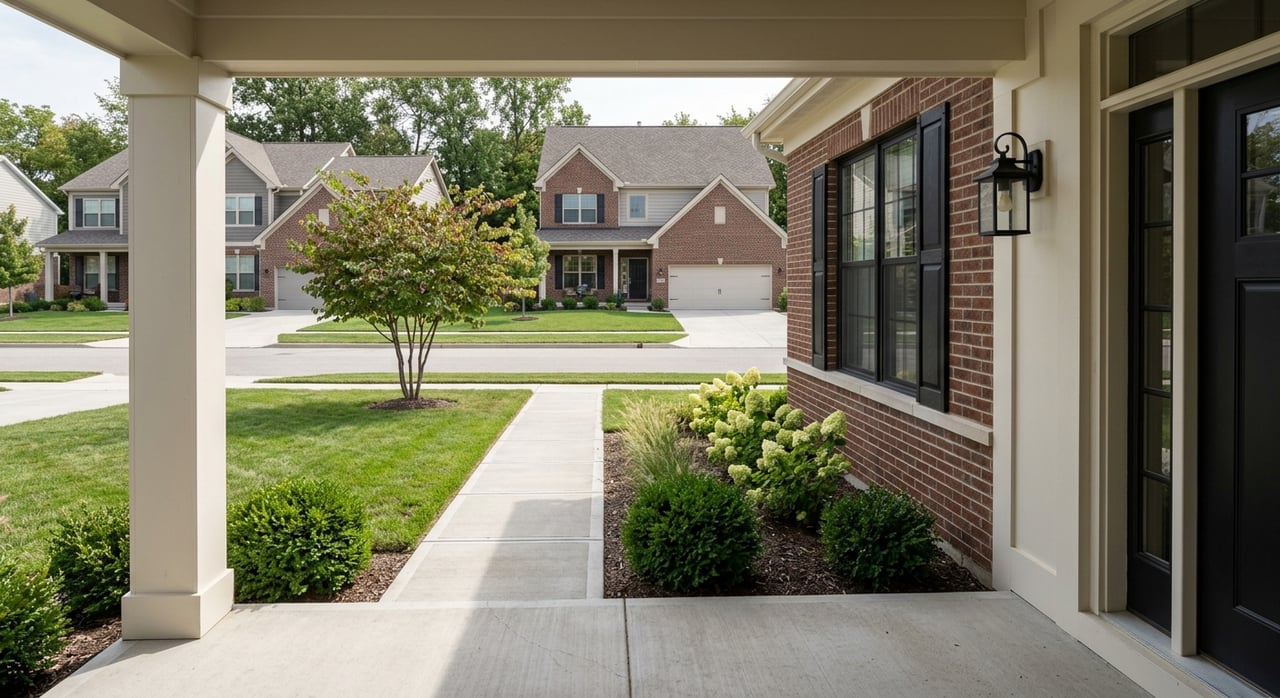
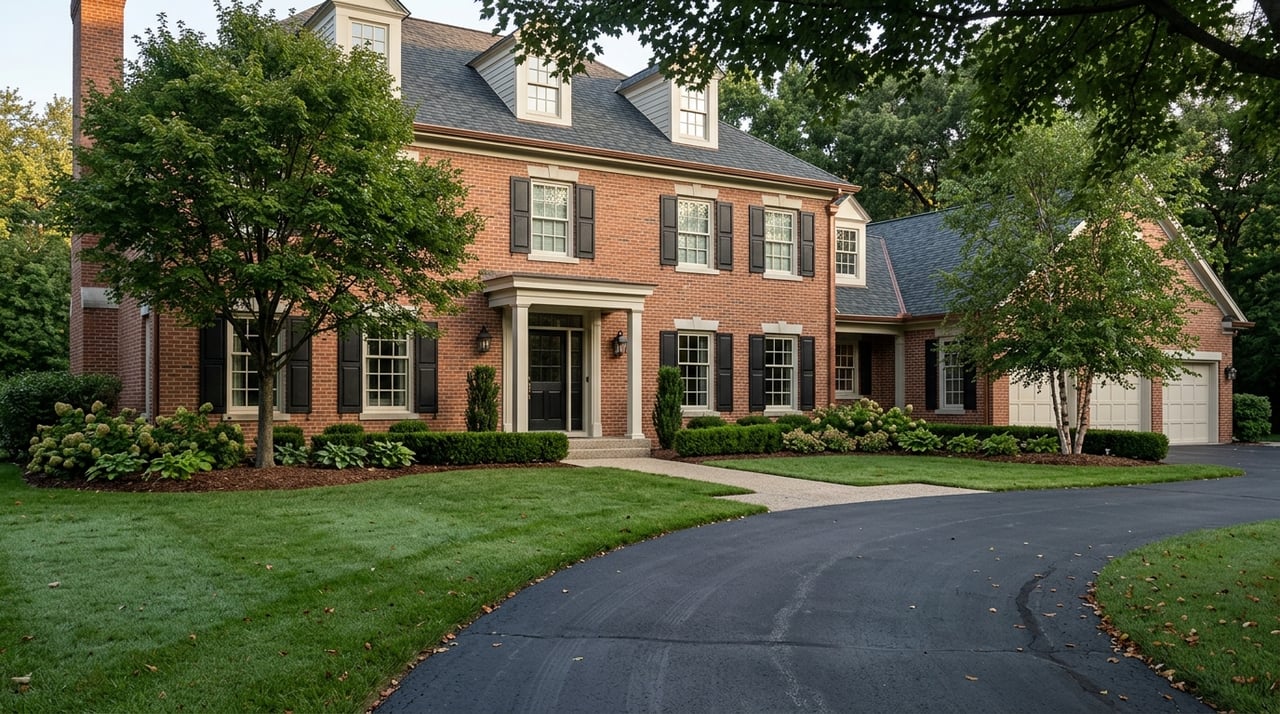
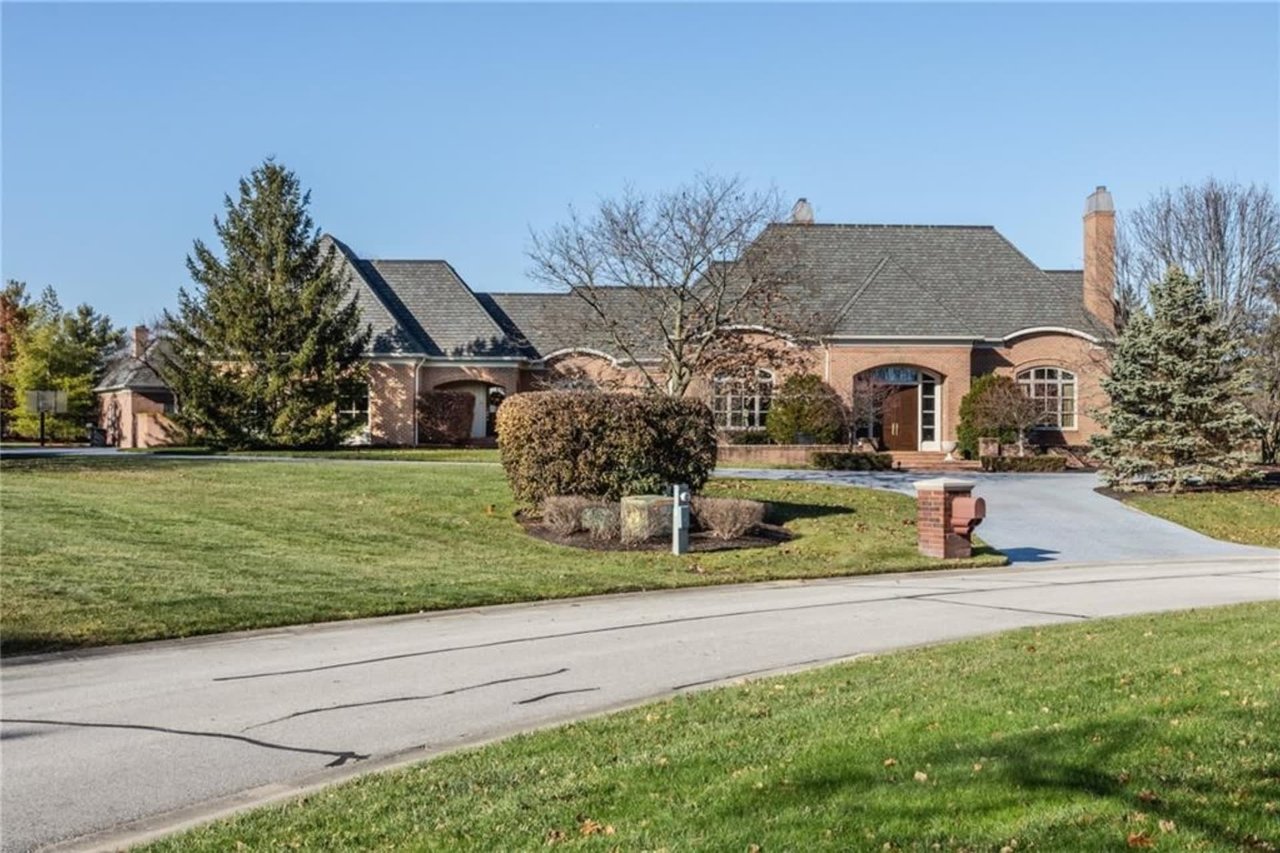
Windsor Grove fits the profile of a small, estate-style custom neighborhood in Carmel, Indiana. These enclaves are known for larger lots, limited home sites, and a custom architectural approach shaped by design guidelines. You can expect quiet local streets, a focus on mature landscaping, and a high level of fit-and-finish in the homes. Proximity to Carmel’s amenities, strong municipal services, and noted school district boundaries are part of what supports long-term desirability.
What sets it apart
Scale and privacy
Small neighborhoods create scarcity and a quieter street feel. Larger setbacks and wider side yards tend to deliver more privacy than typical subdivisions. The limited number of lots can support long-term value for quality custom homes.
Architectural freedom, guided
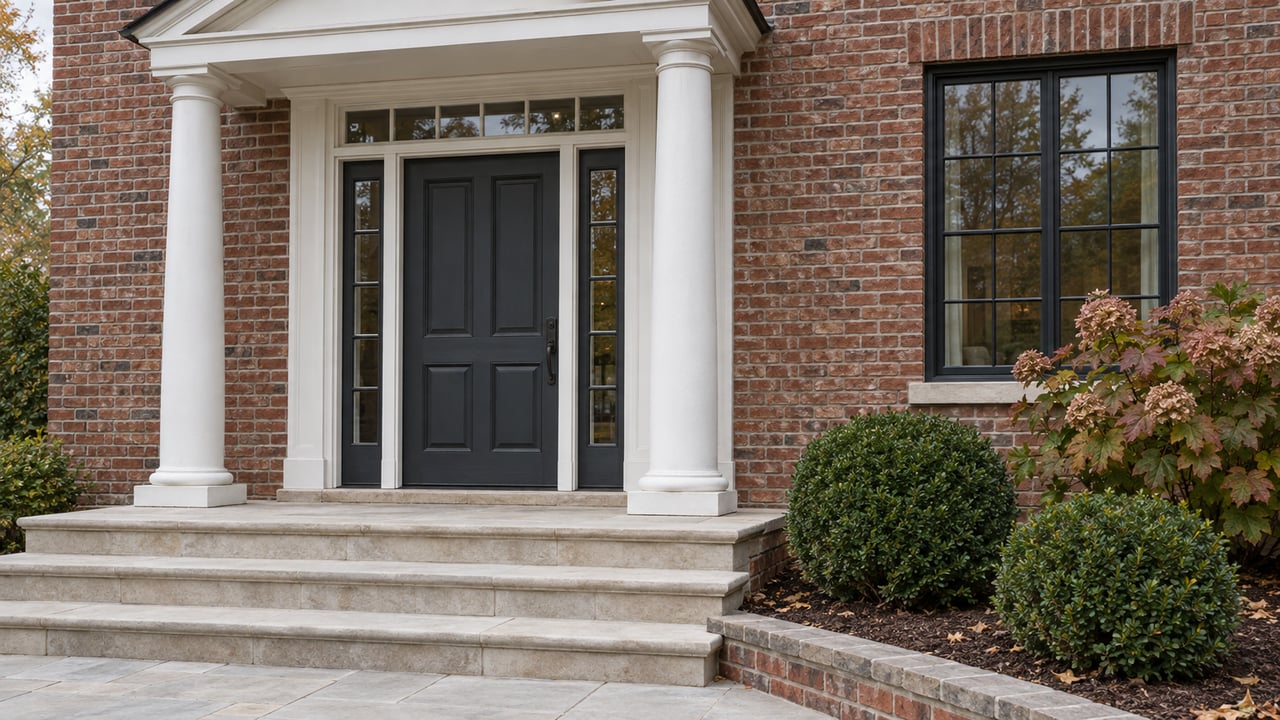
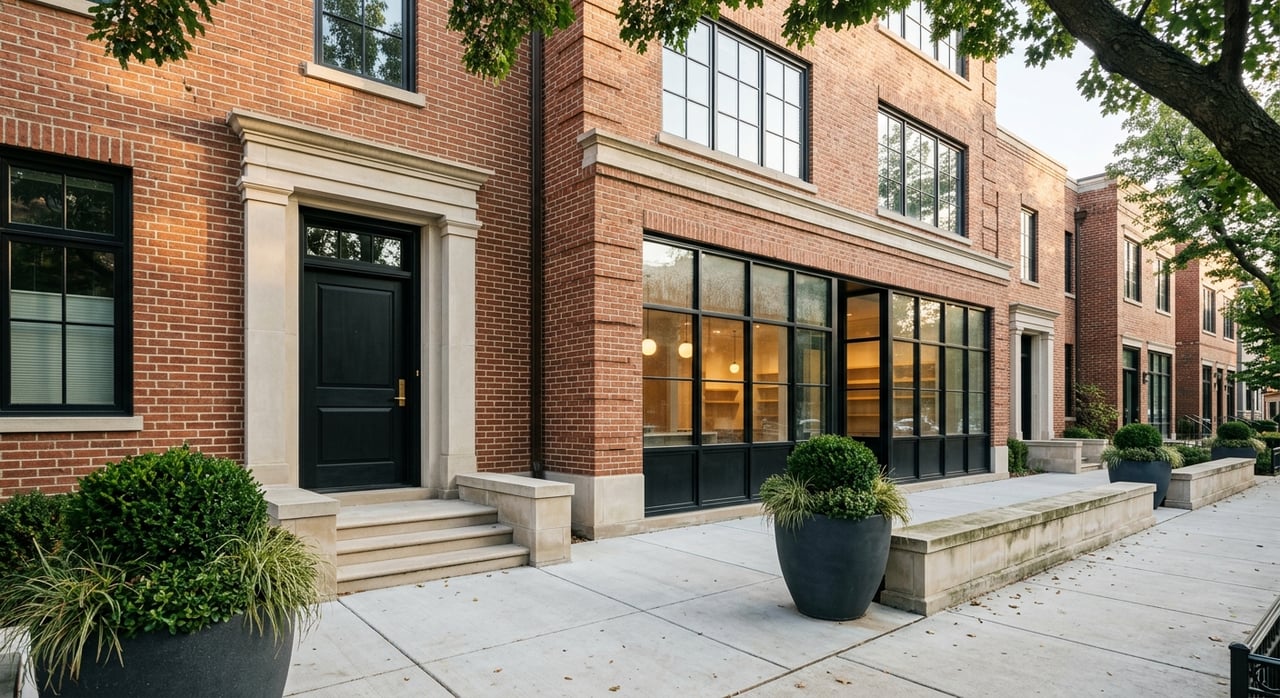
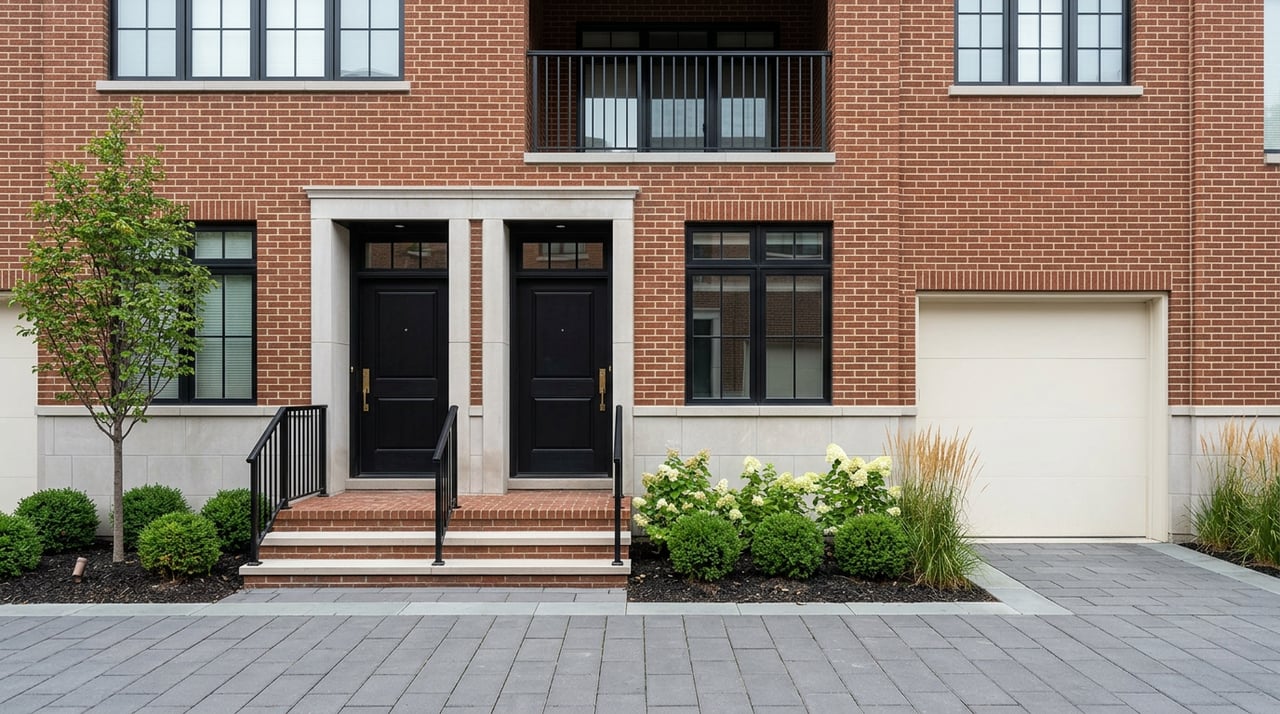
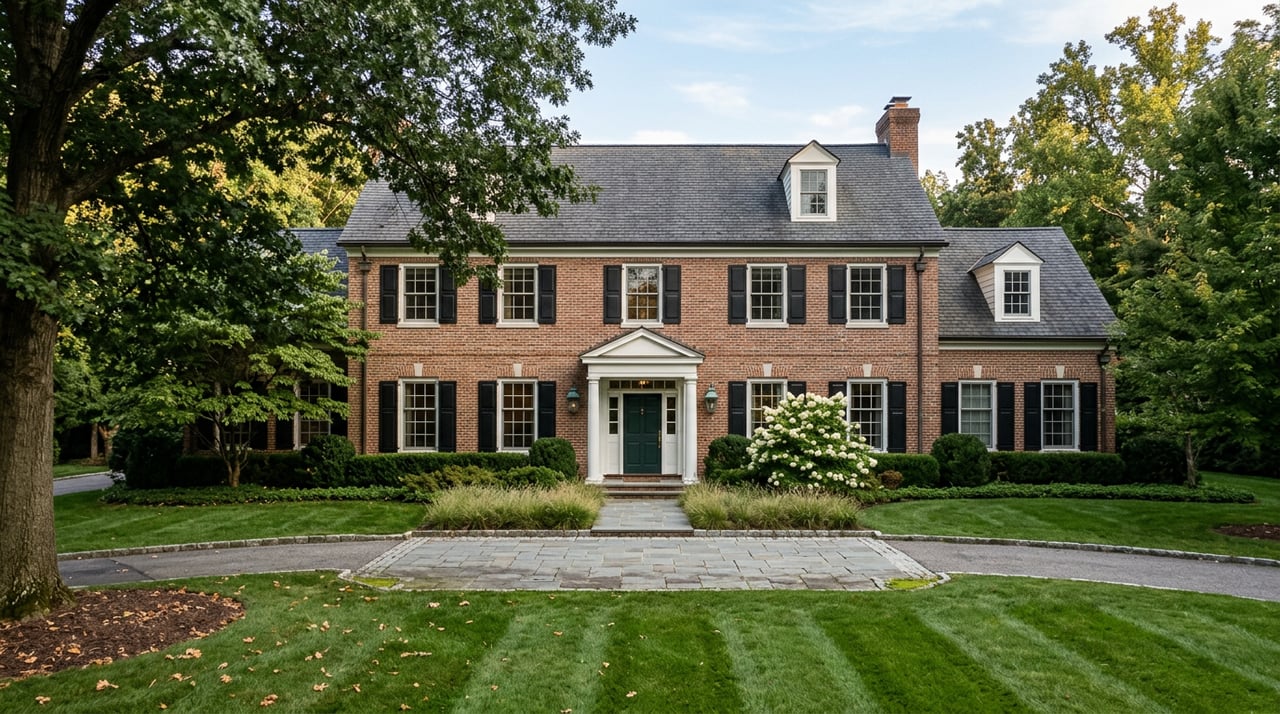
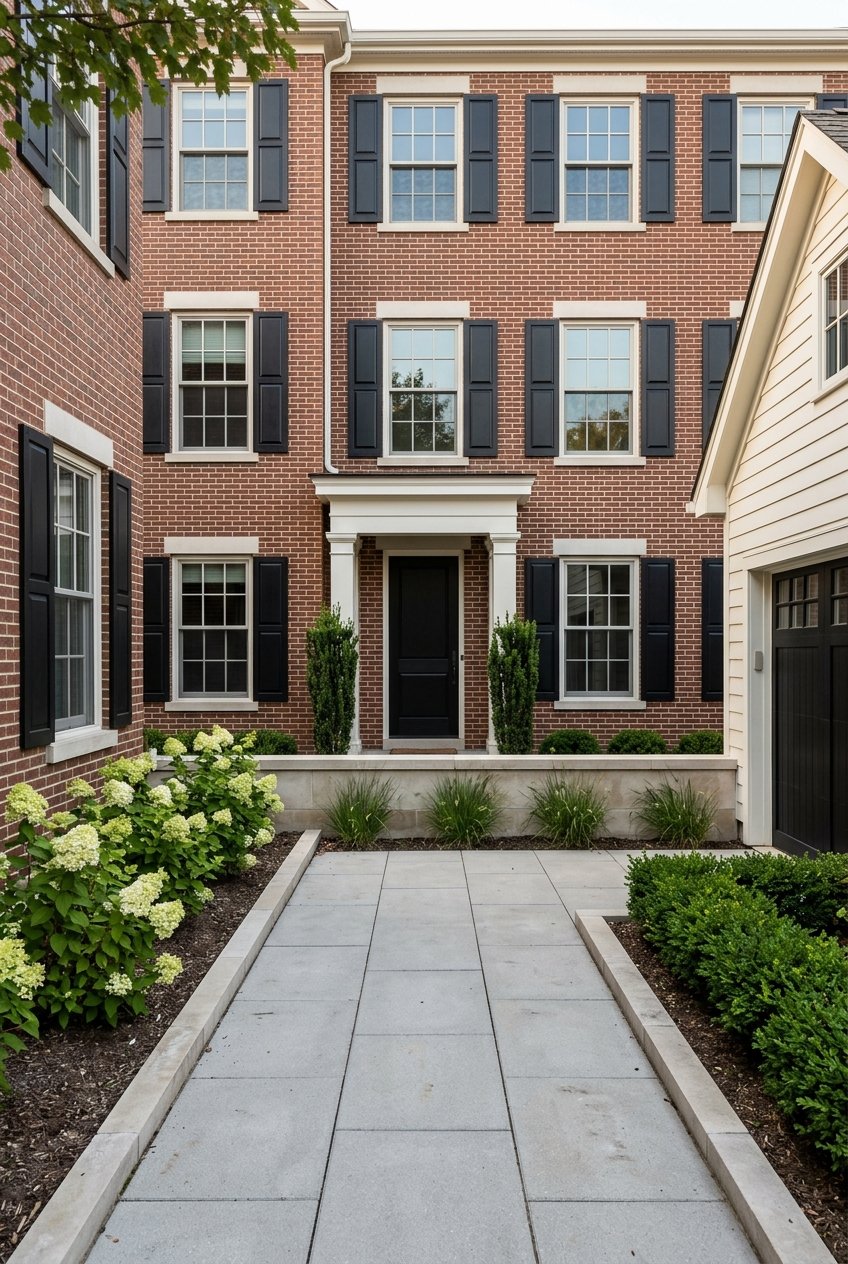
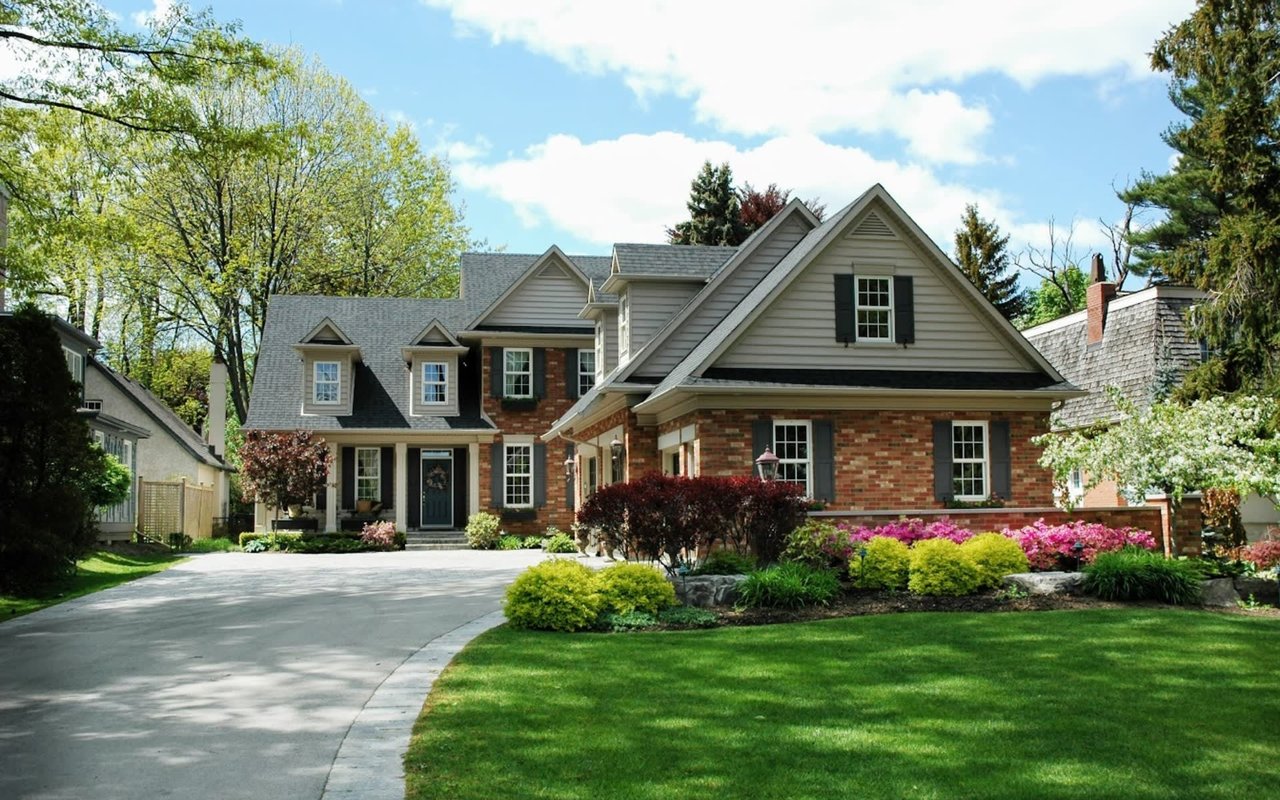
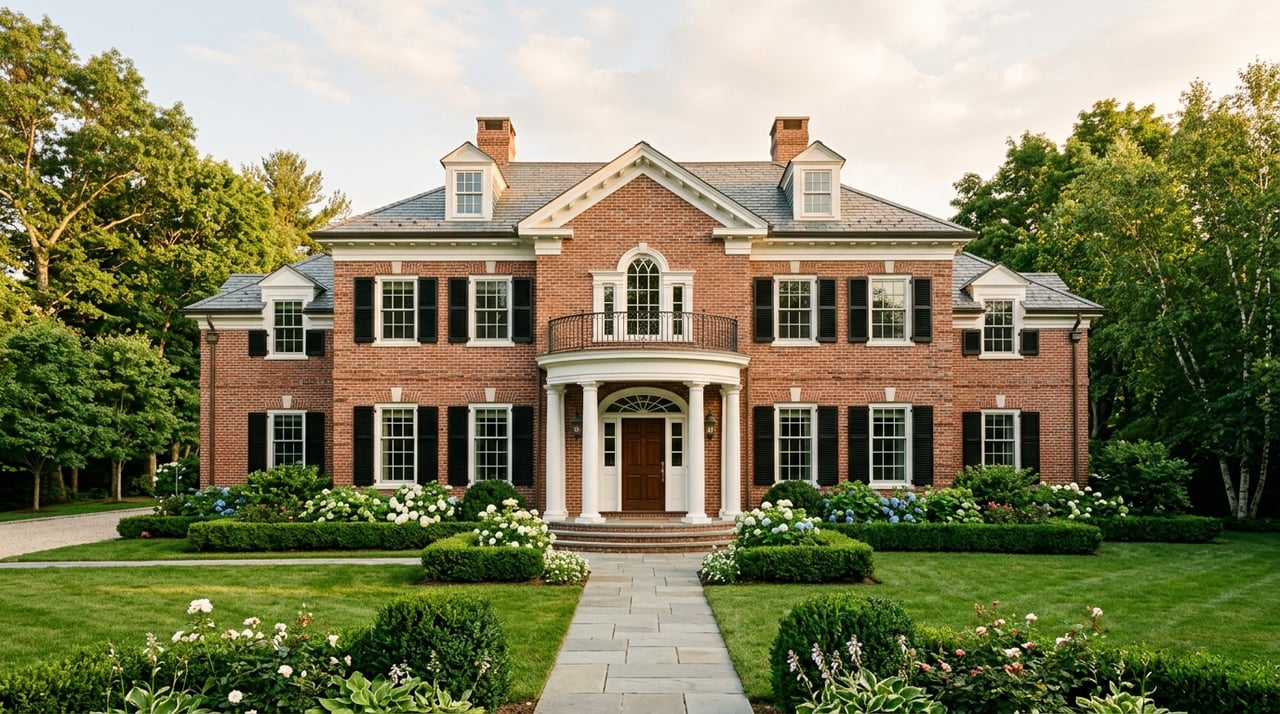
Expect portfolio-style custom building instead of one builder’s tract product. You’ll likely see a mix of traditional, European-inspired, Craftsman, and modern-traditional styles, shaped by architectural guidelines. A design review process, when present, protects streetscape quality and helps preserve values.
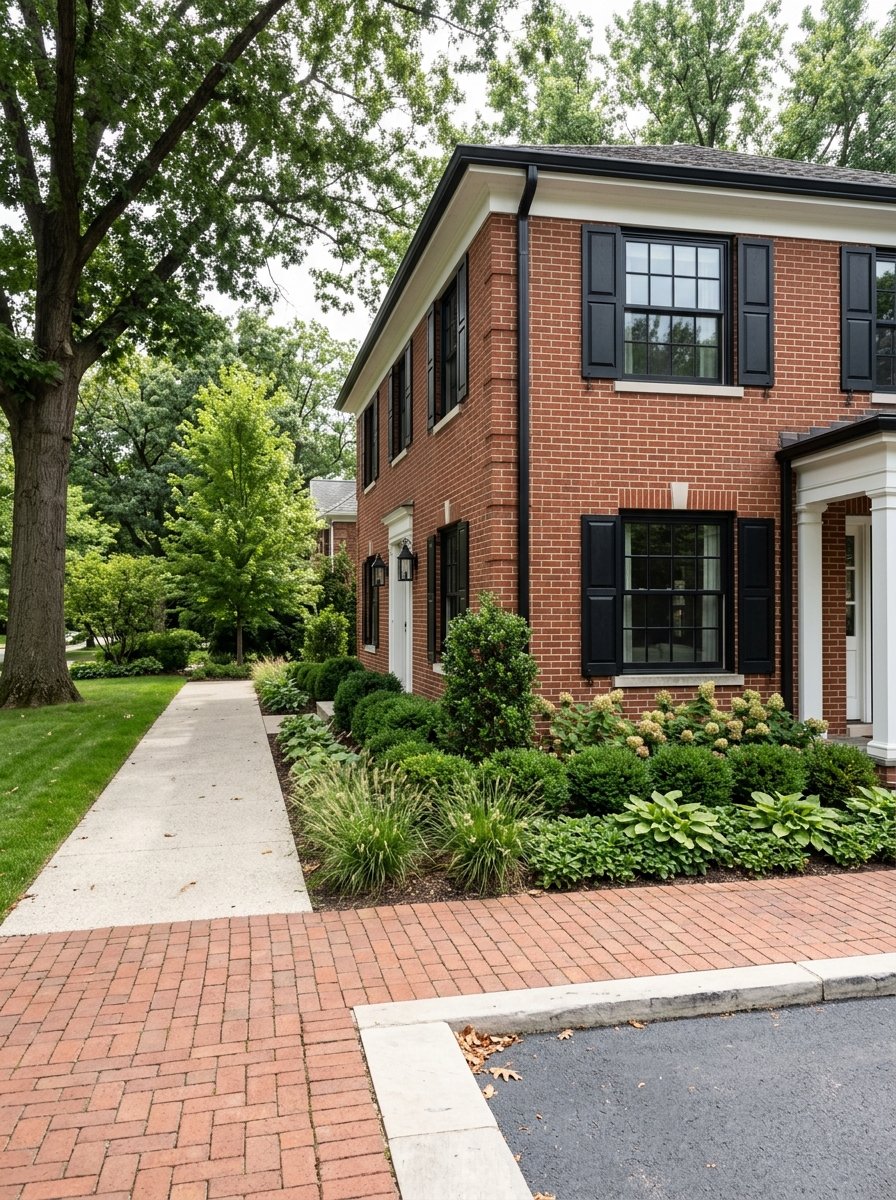
Landscape and trees
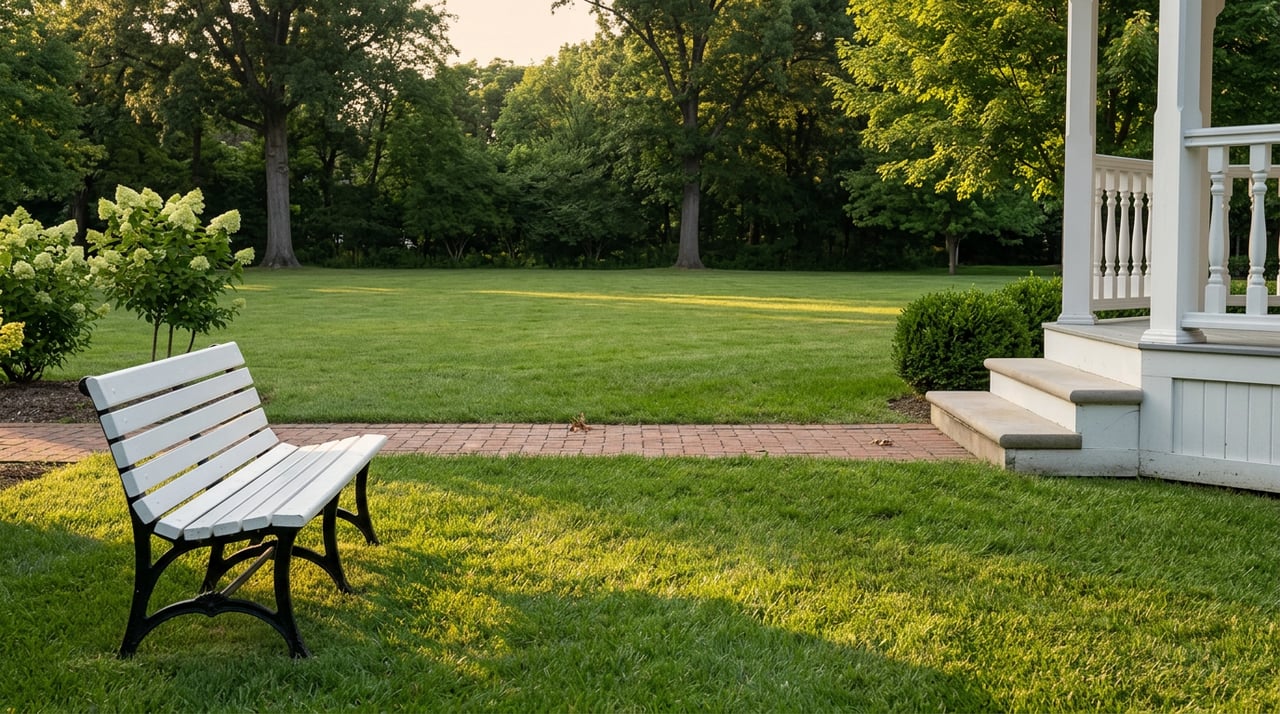
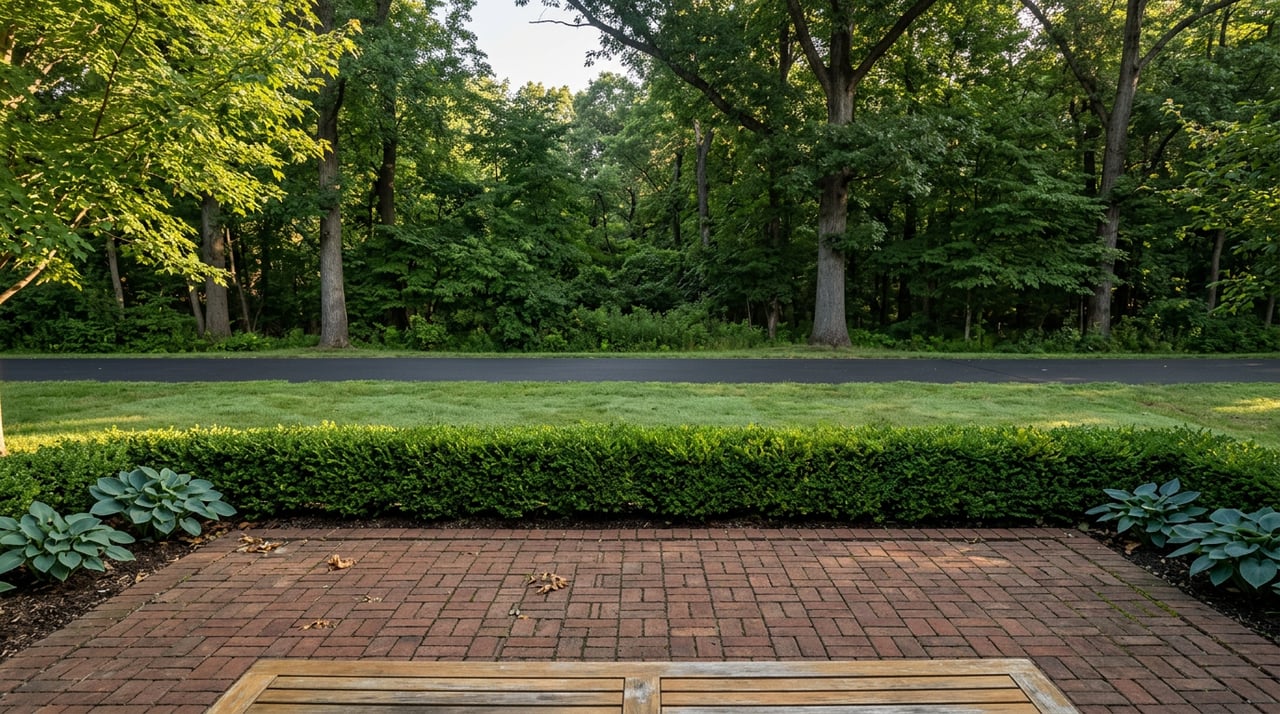
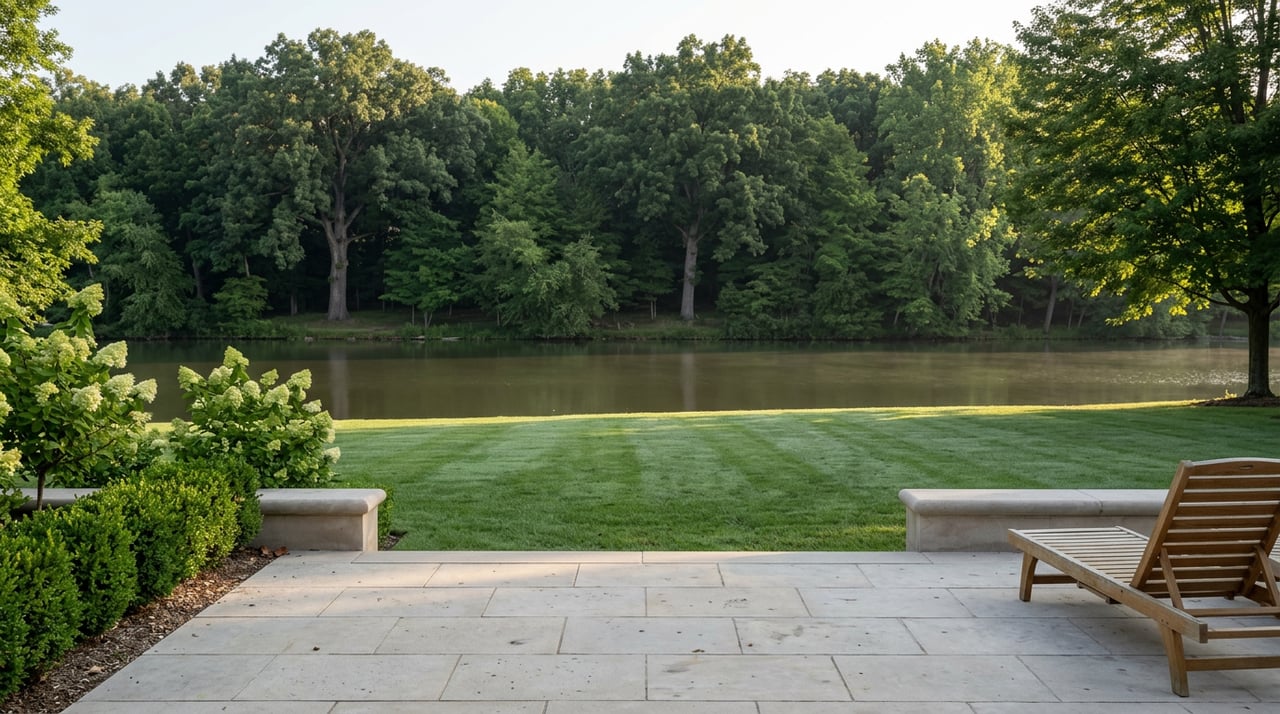
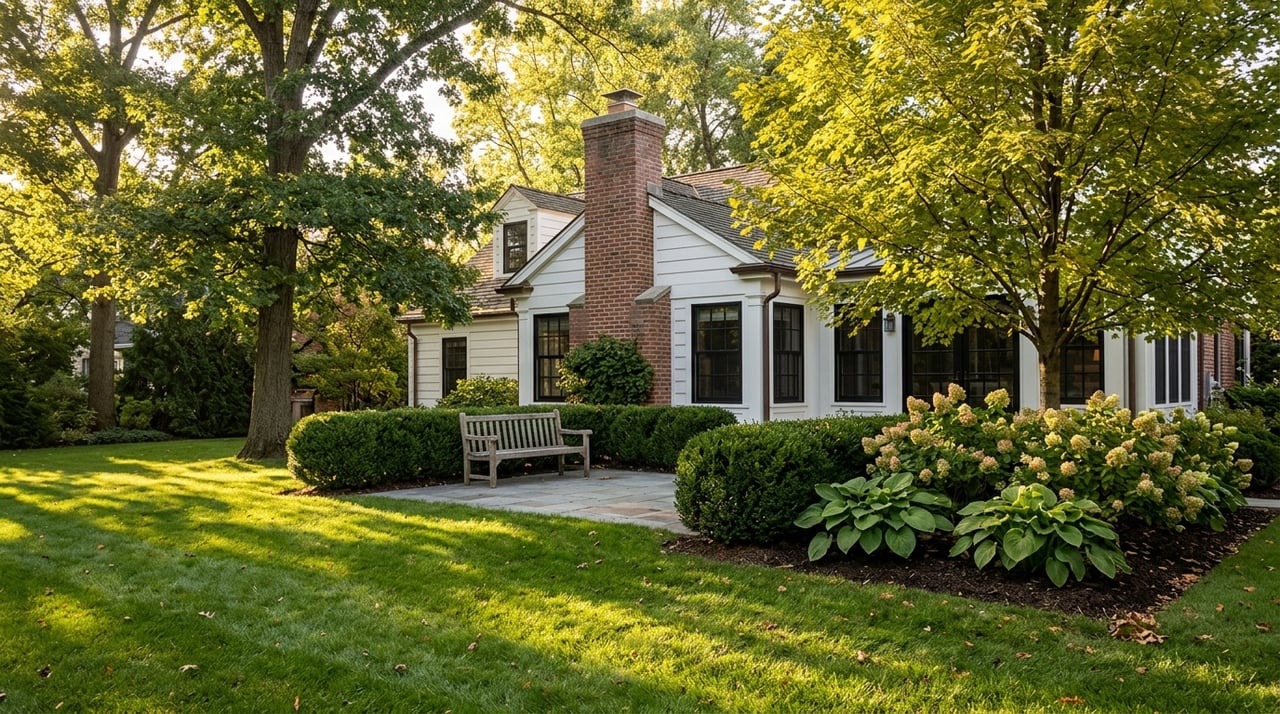
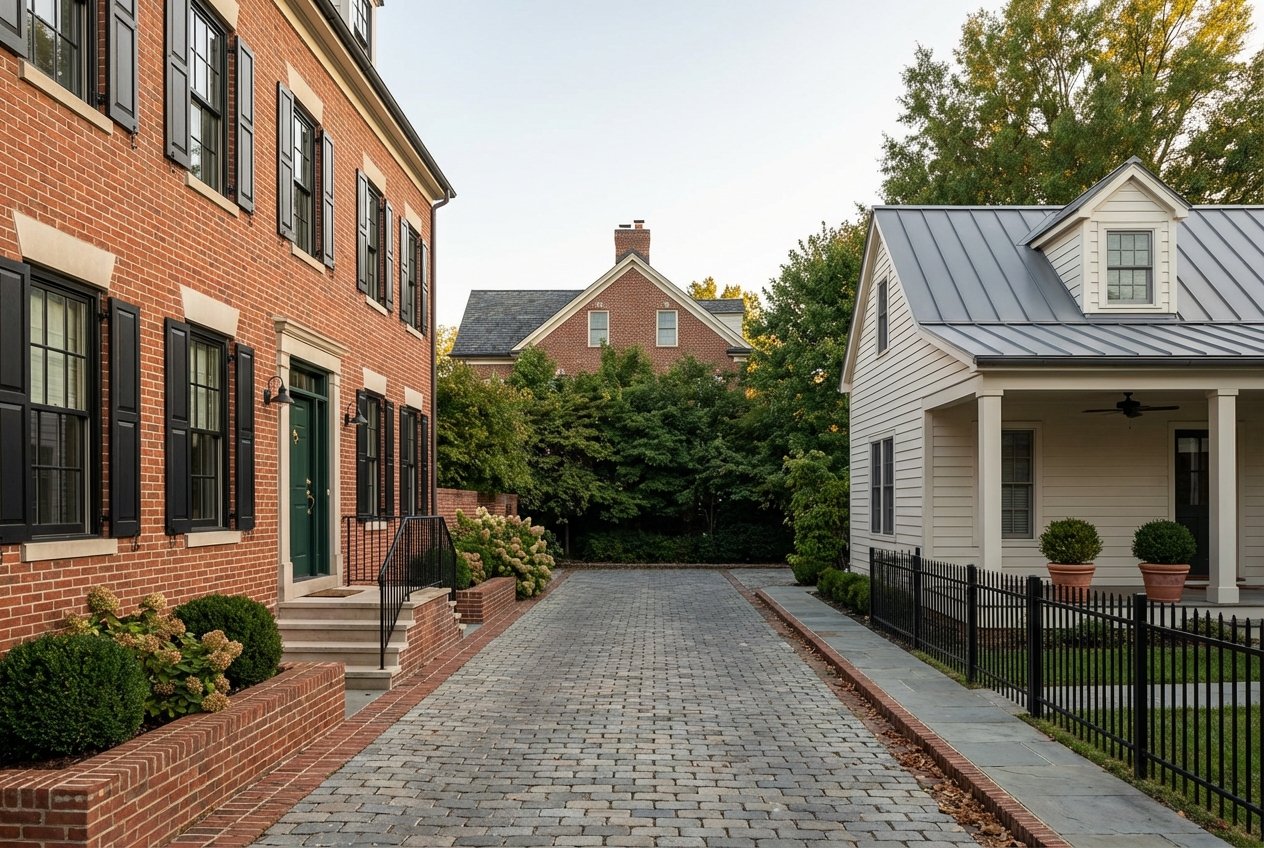
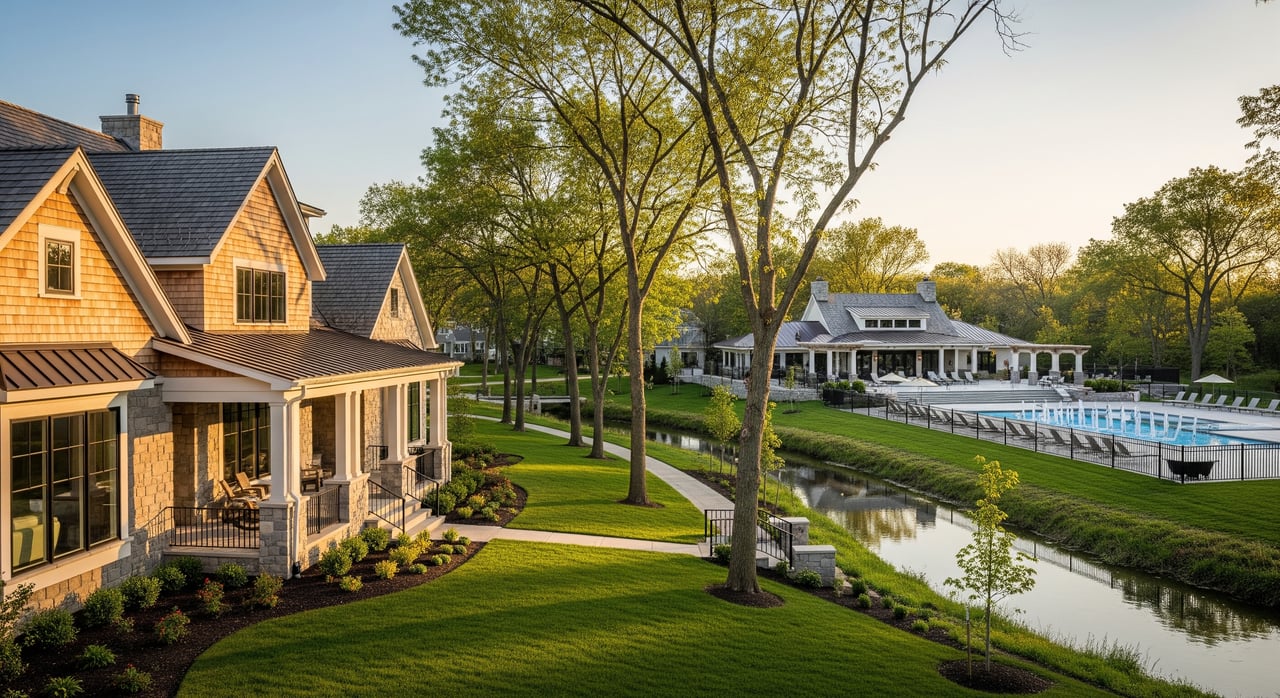
Estate enclaves often highlight mature trees and preserved green space. Thoughtful siting balances sunlight, privacy, and views while protecting vegetation. Tree protection can influence where and how you build.
Services and HOA
Most small enclaves have an HOA that governs architectural review and exterior standards. Dues vary based on what is maintained, such as private drives, snow removal, or common landscaping. The right balance of oversight and flexibility is key if you plan a highly customized home.
Typical homes and finishes
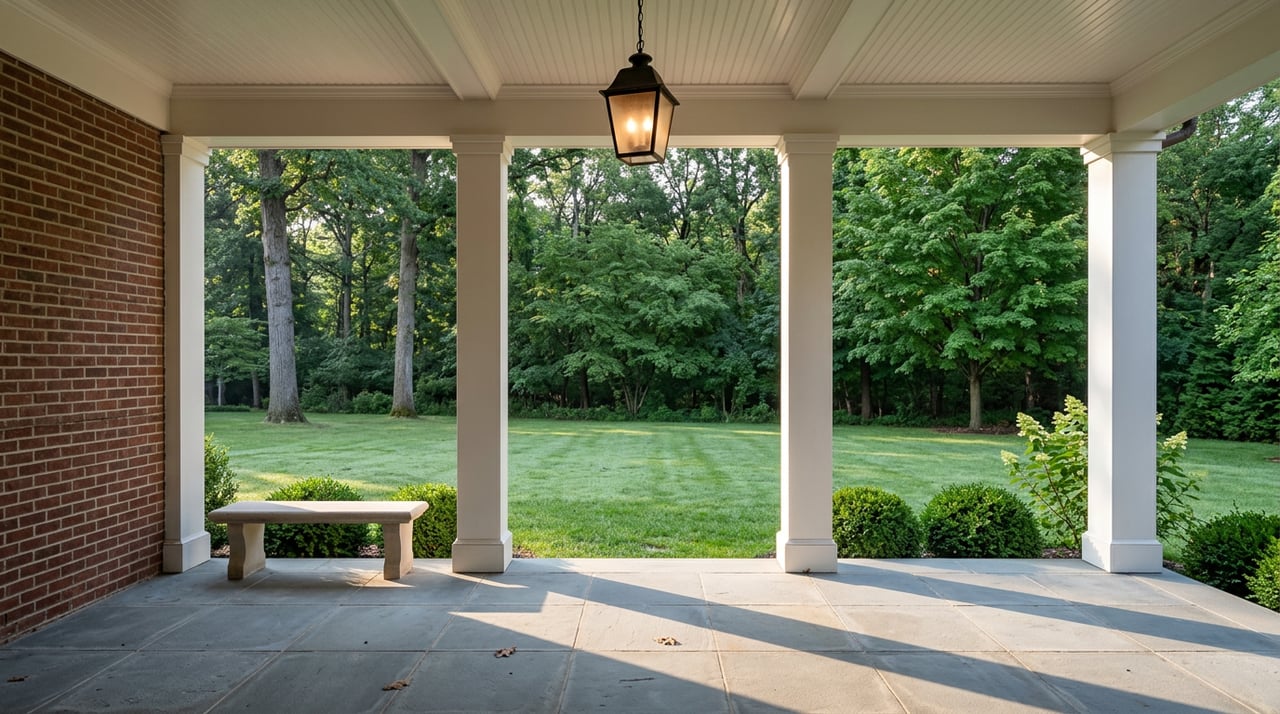
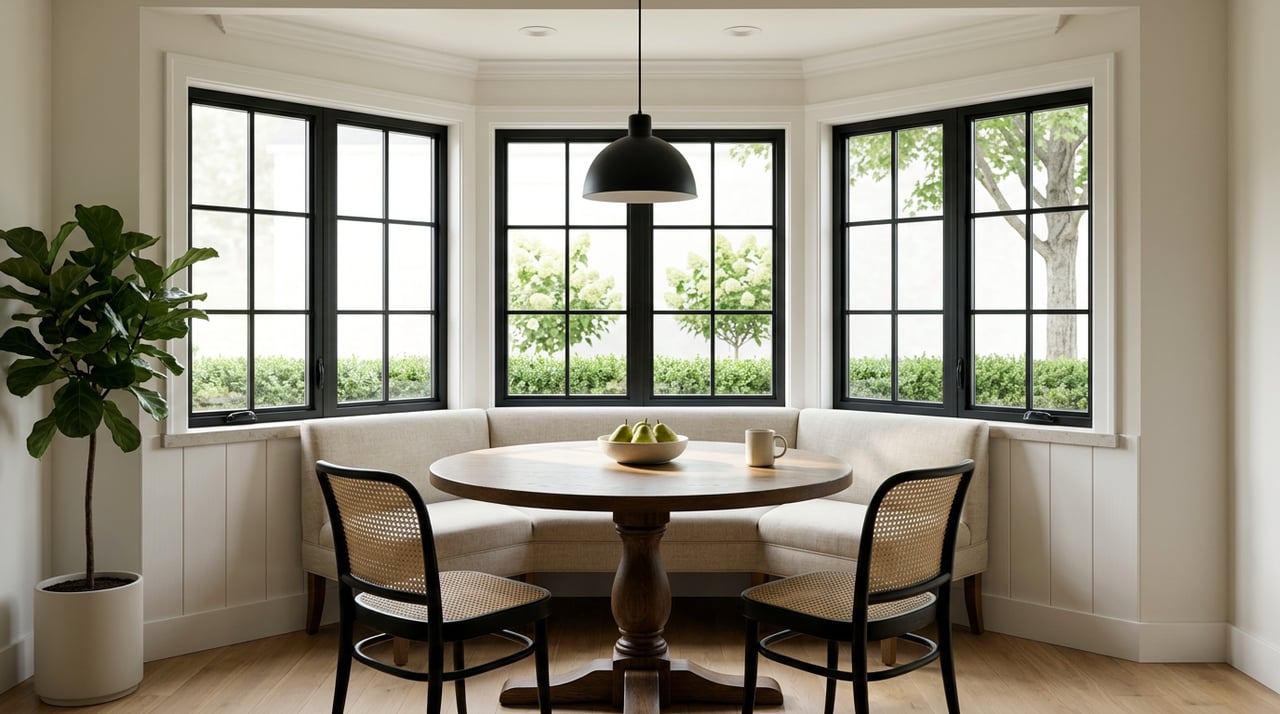
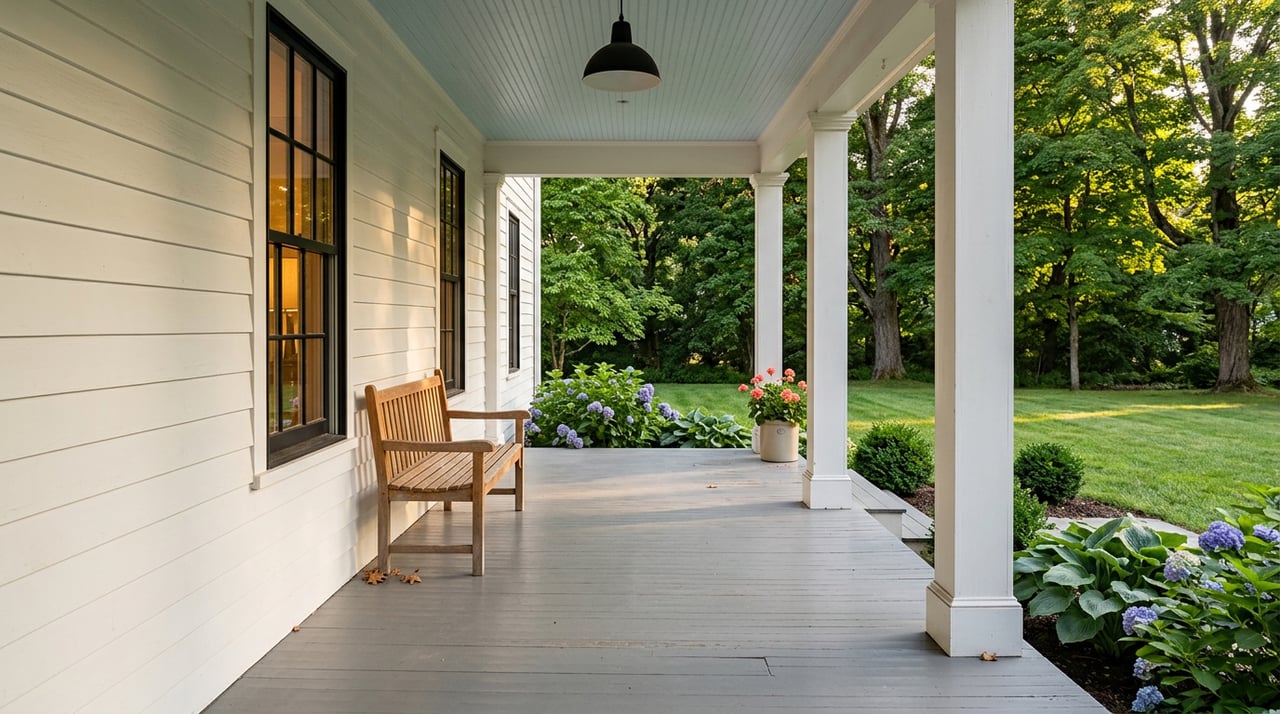
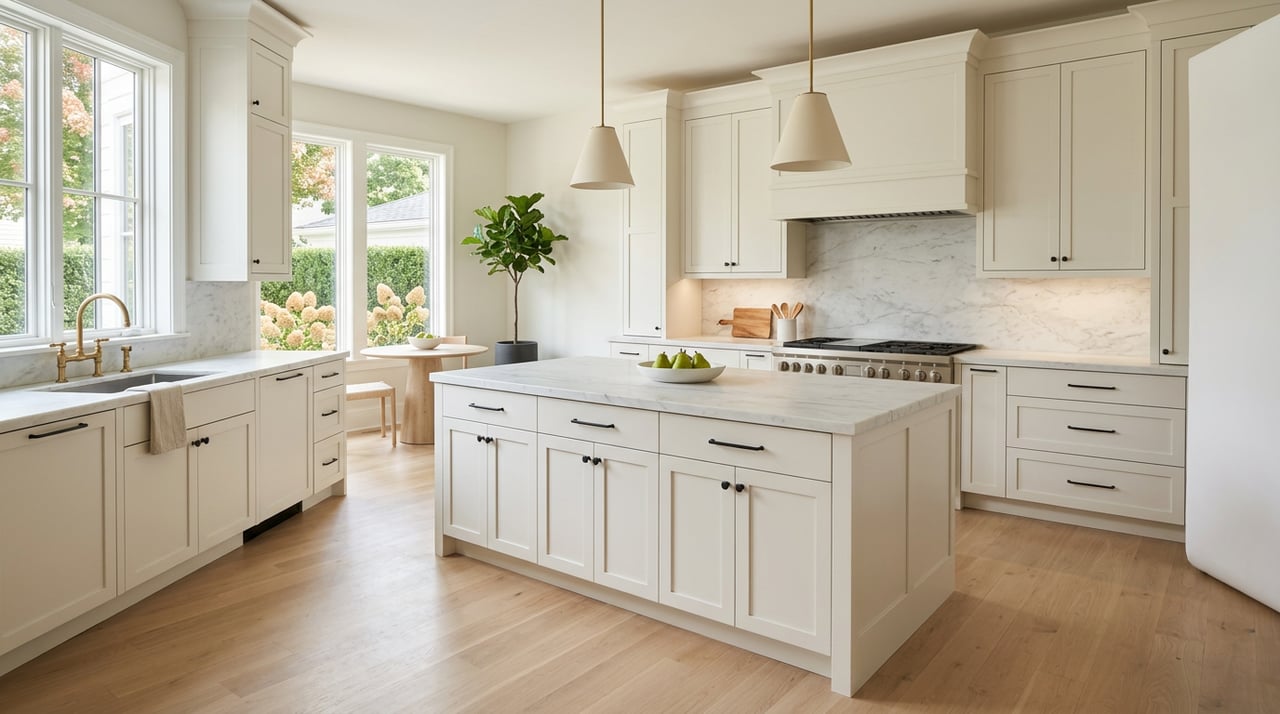
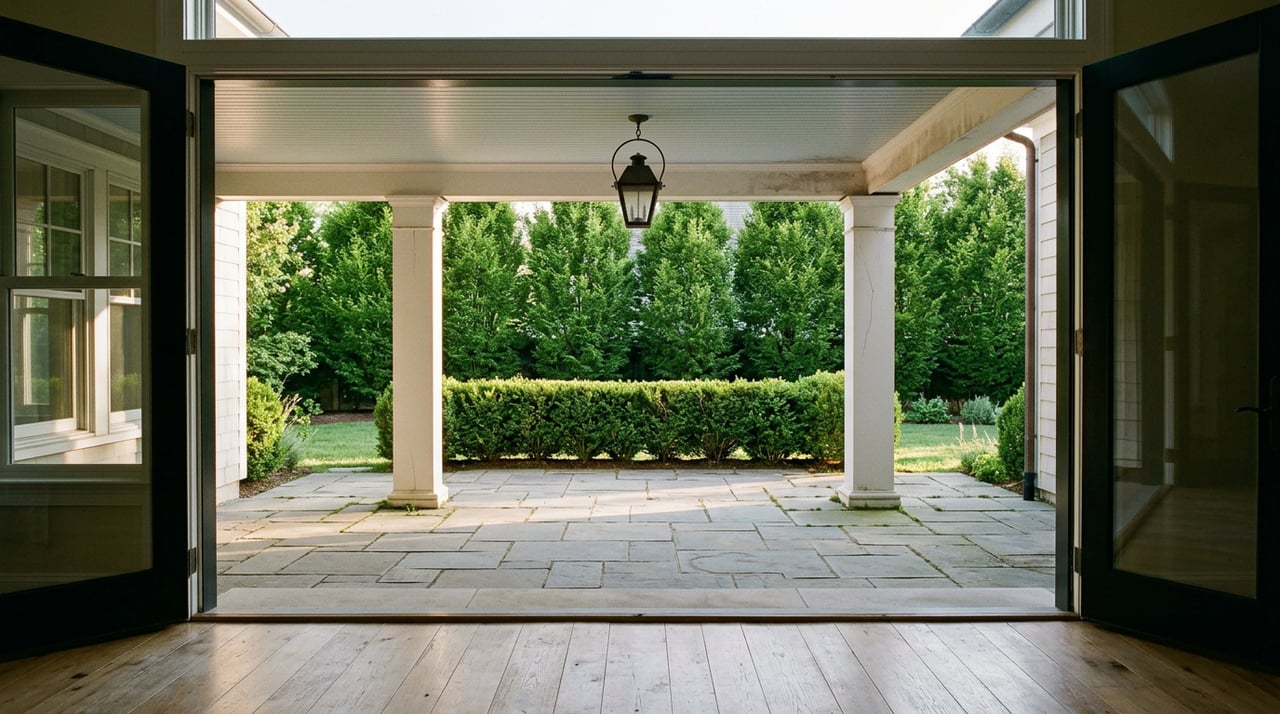
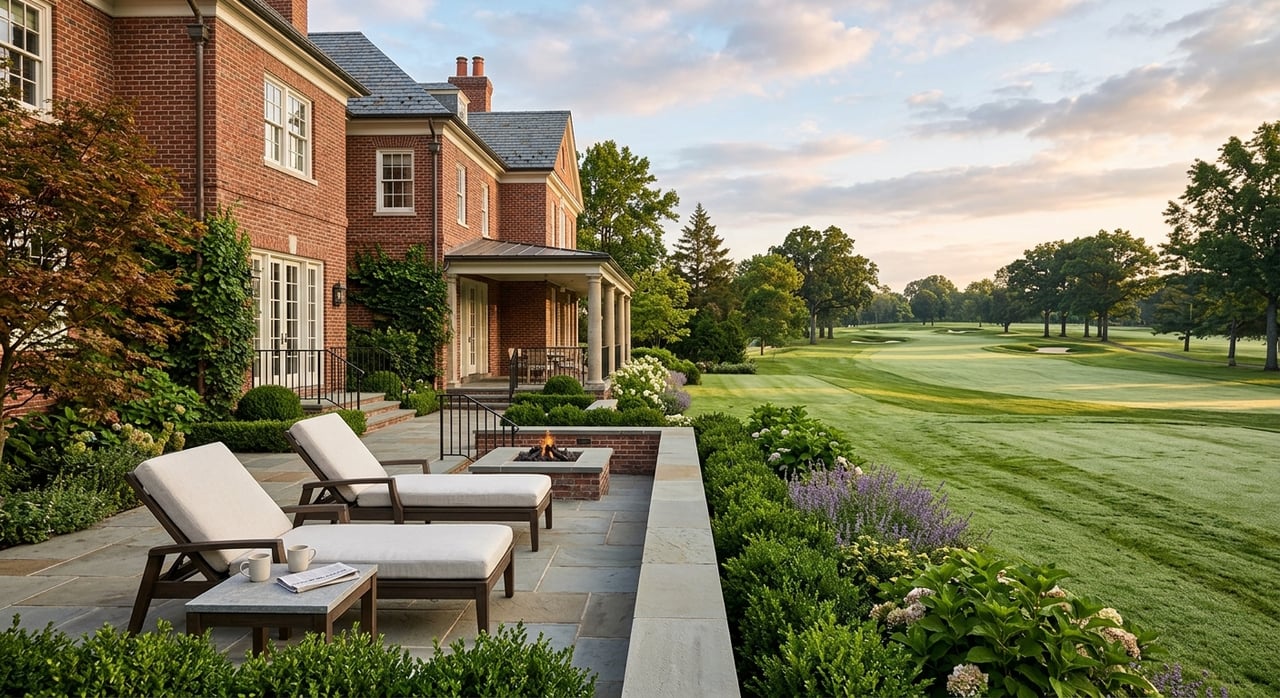
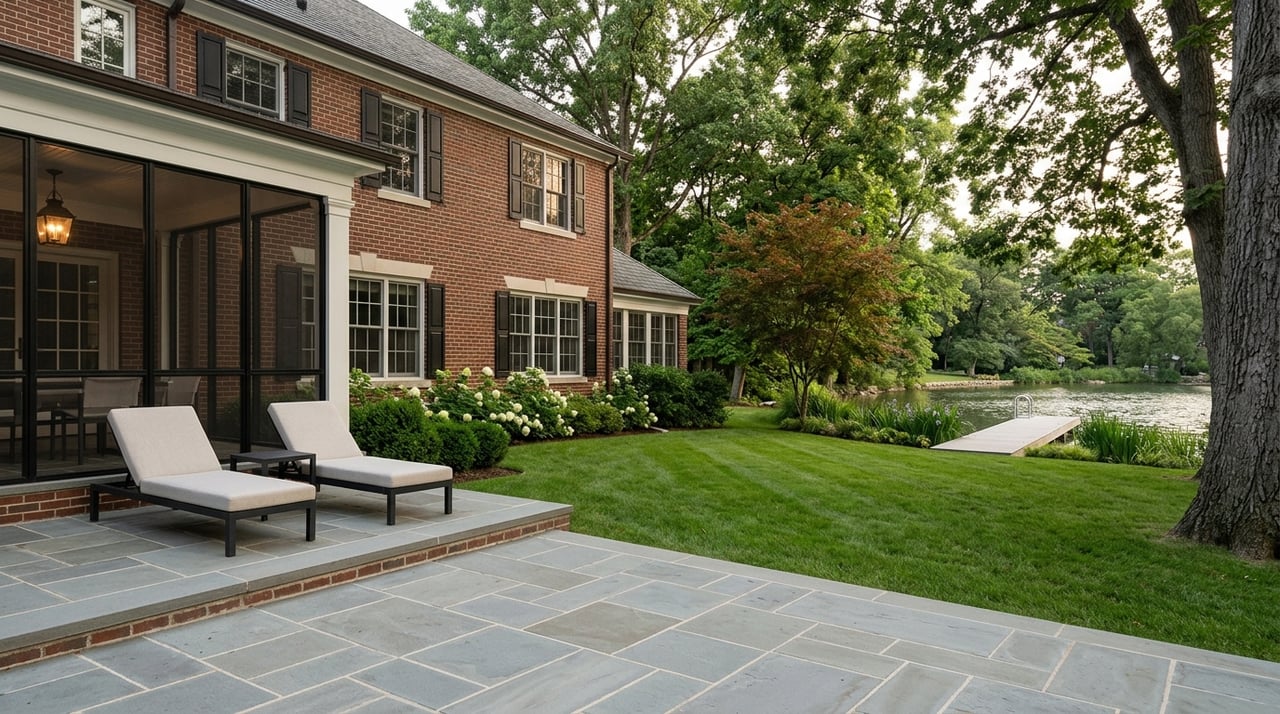
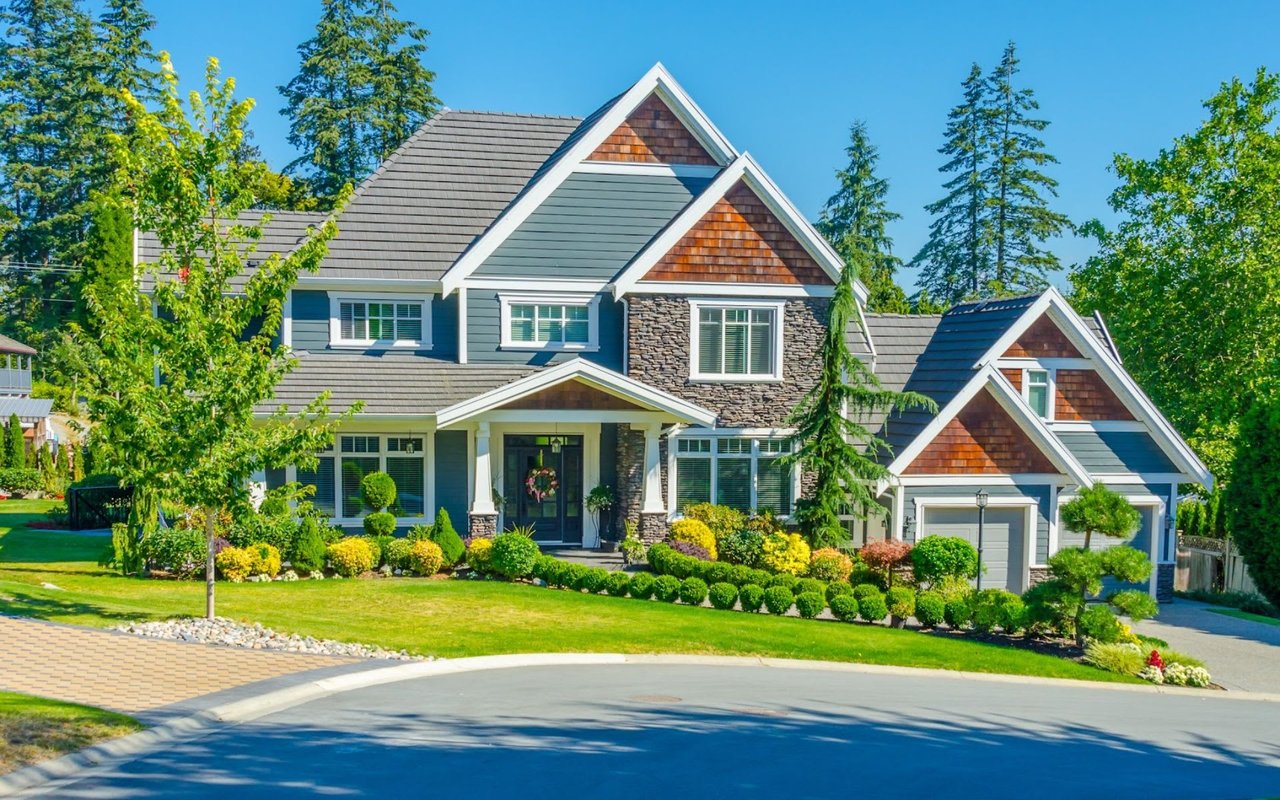
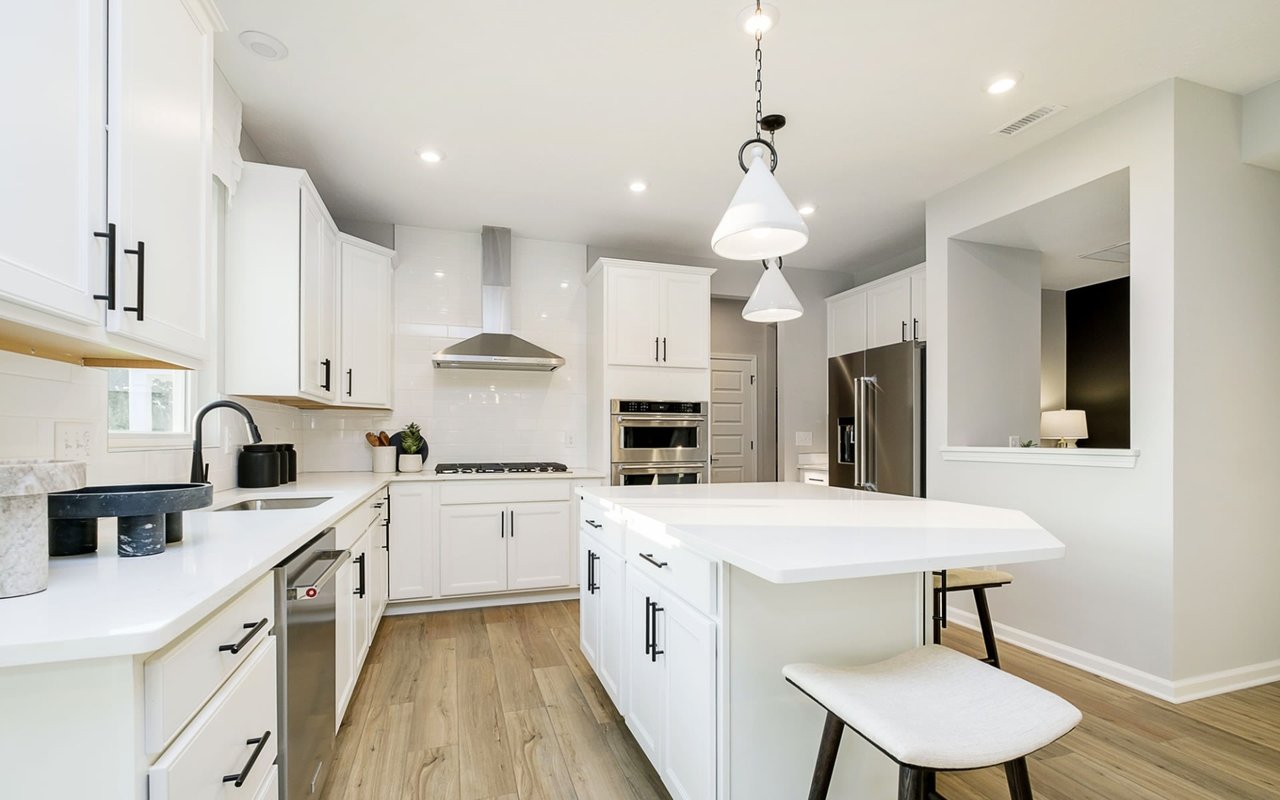
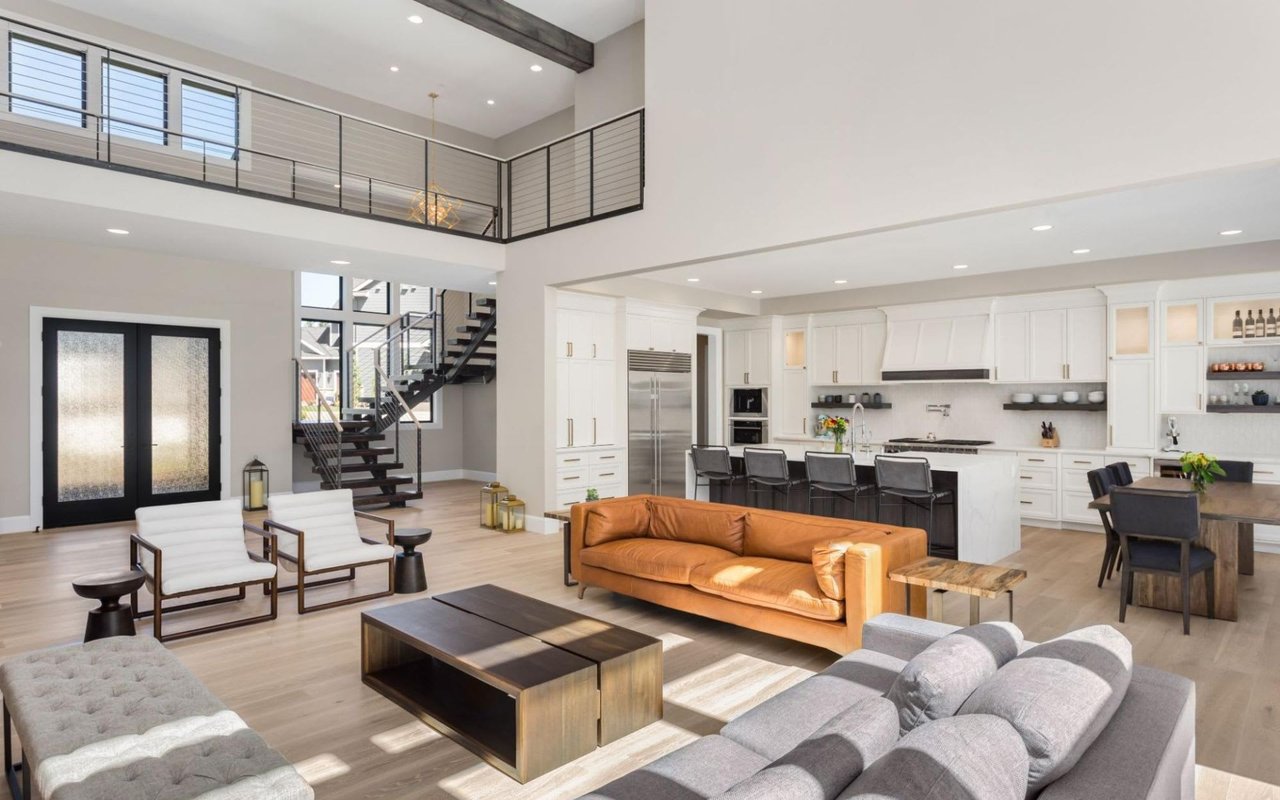
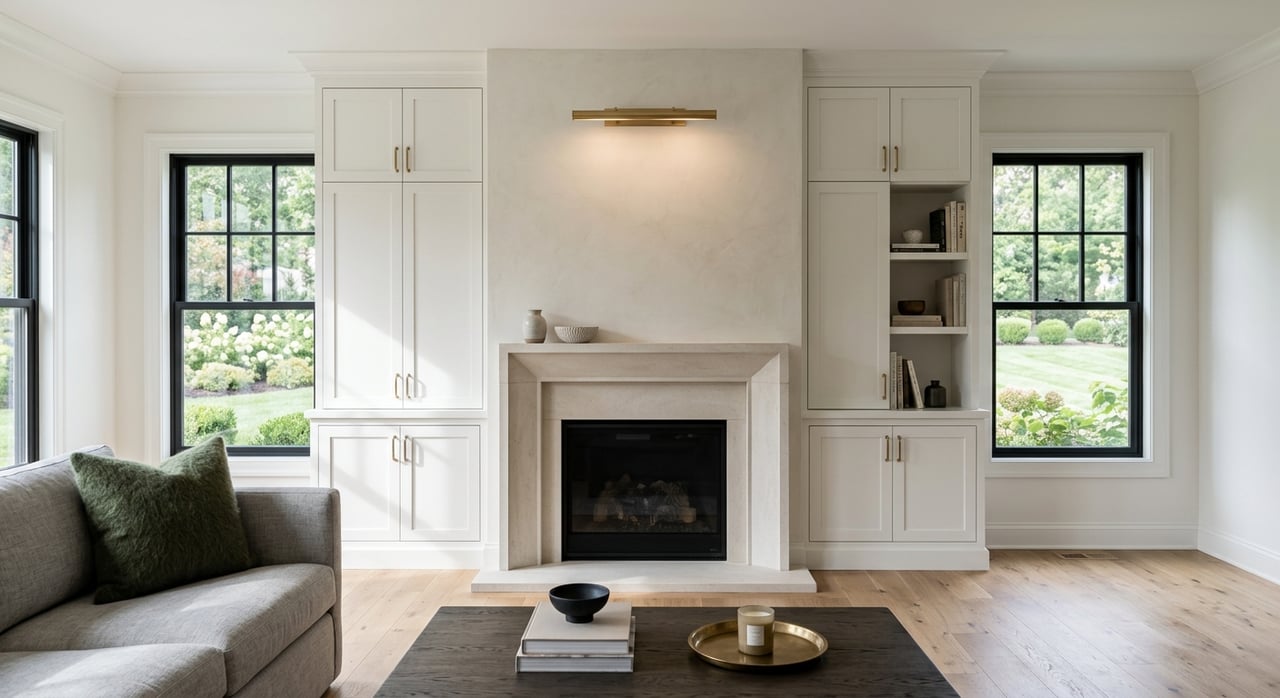
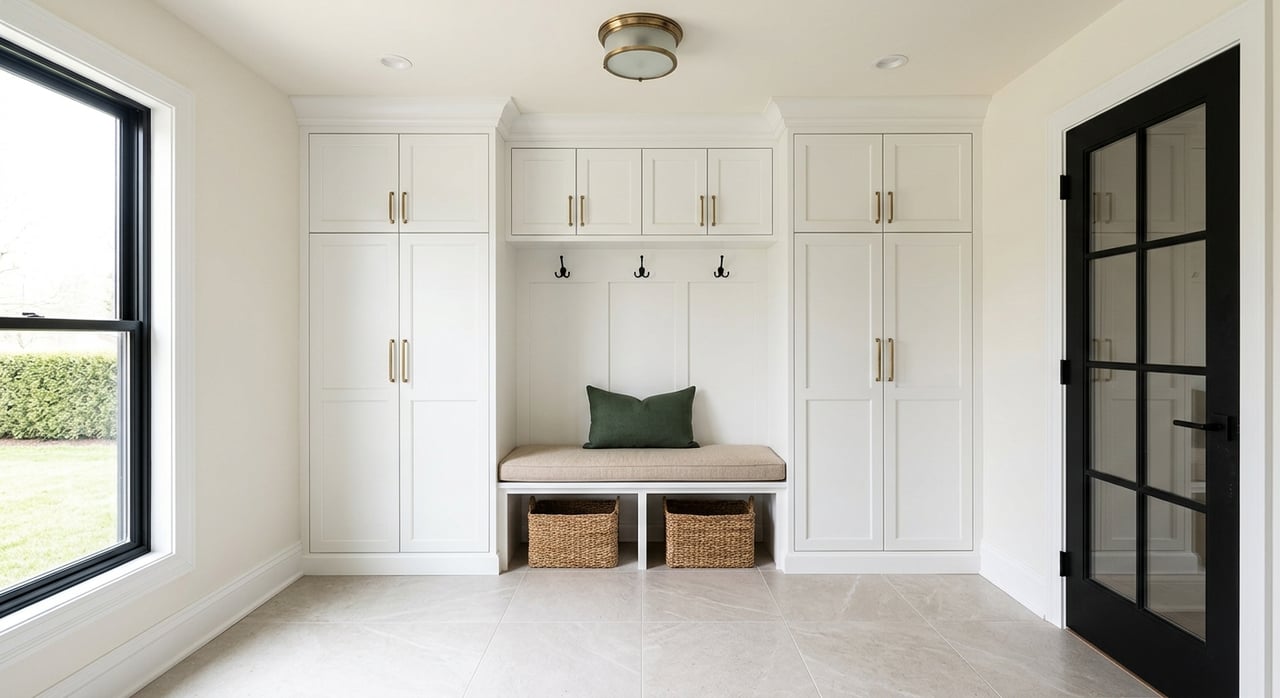
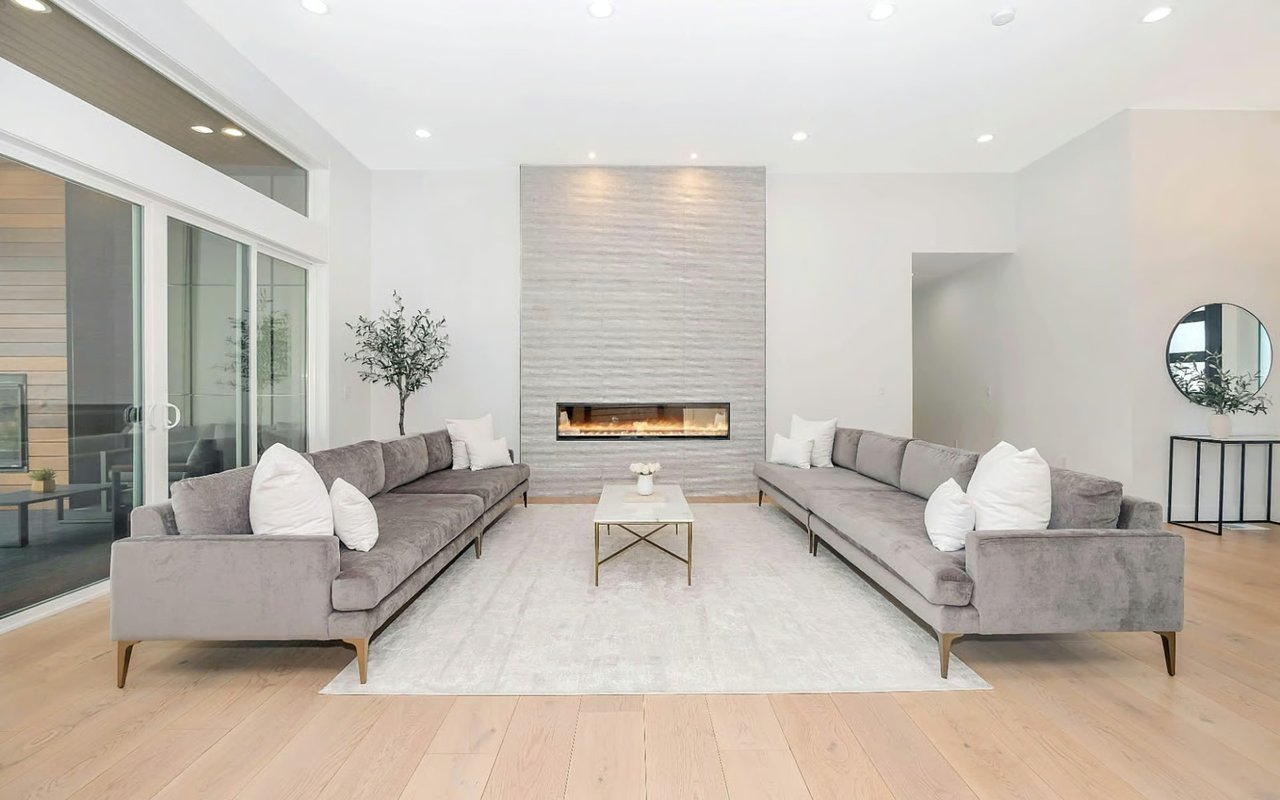
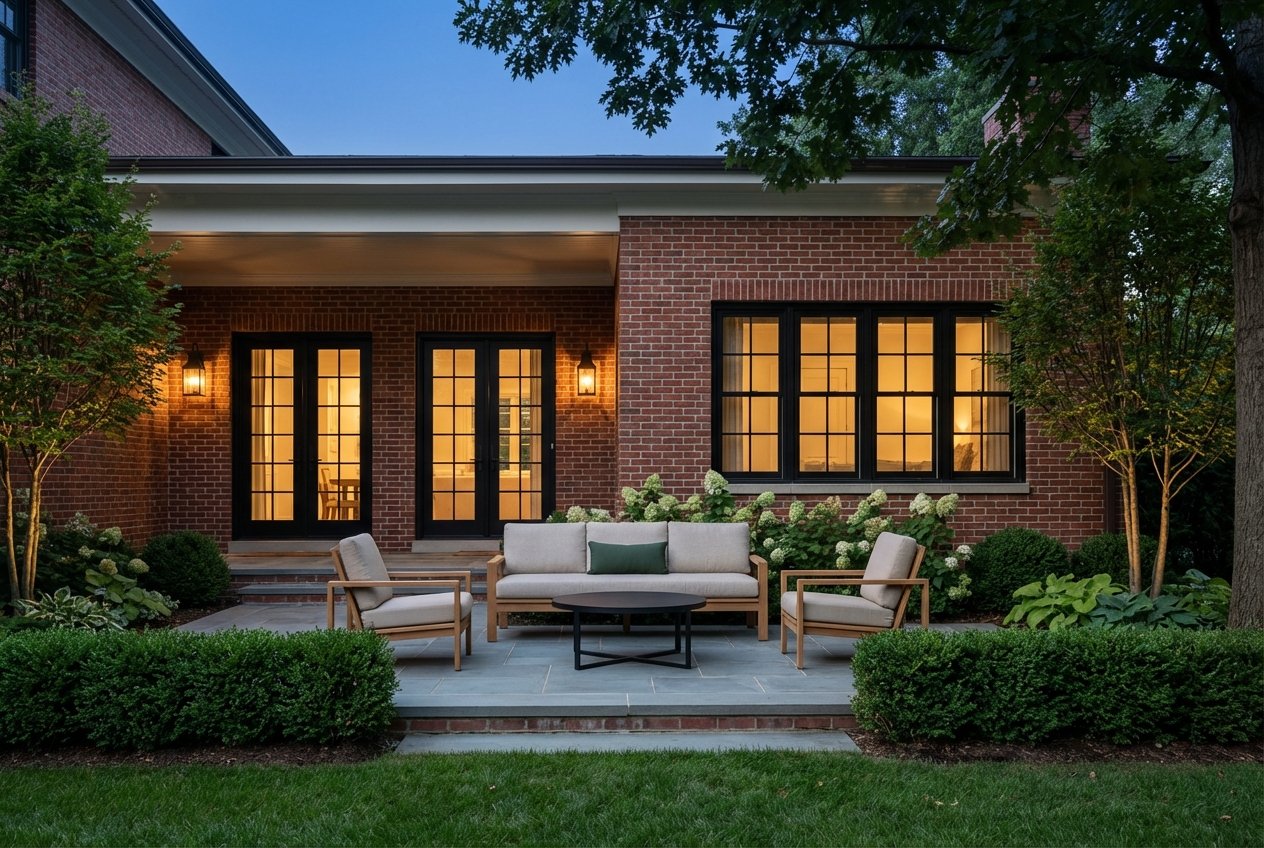
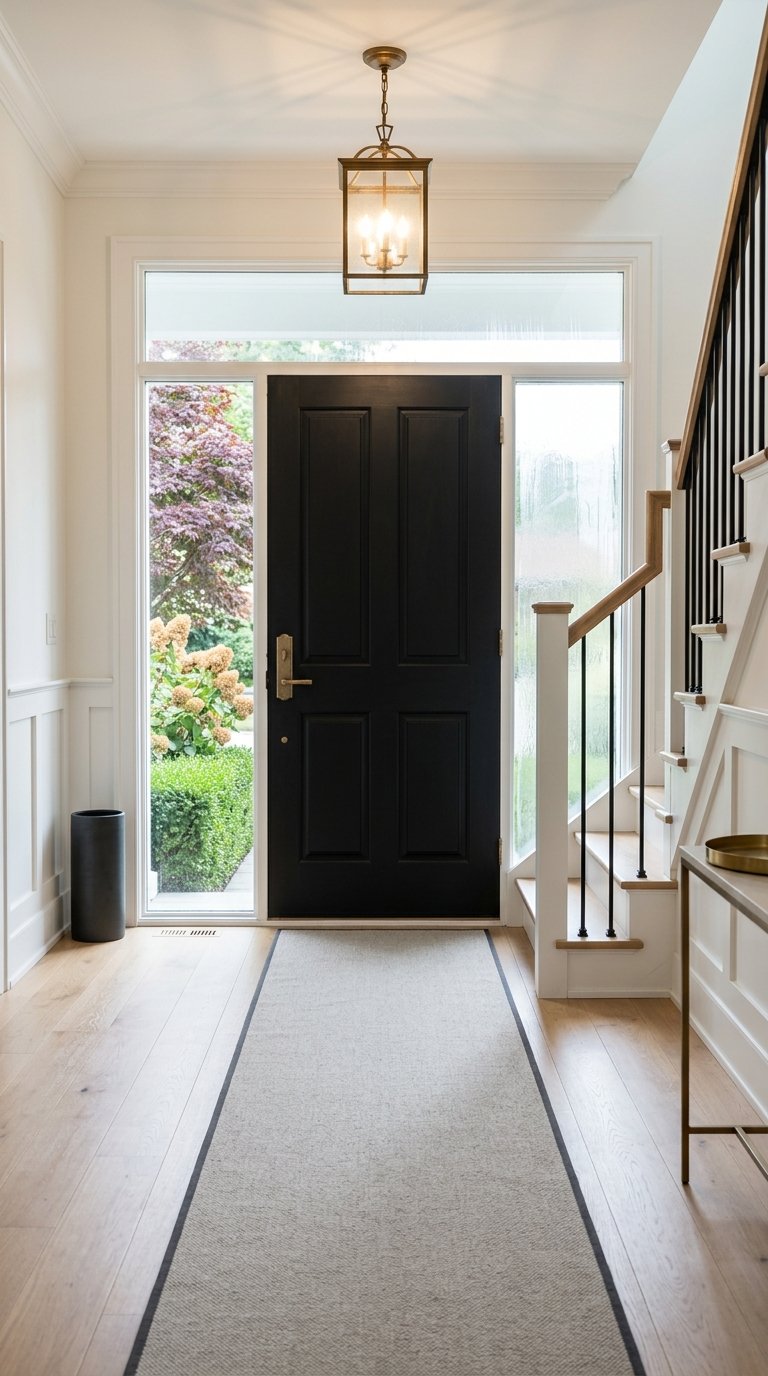
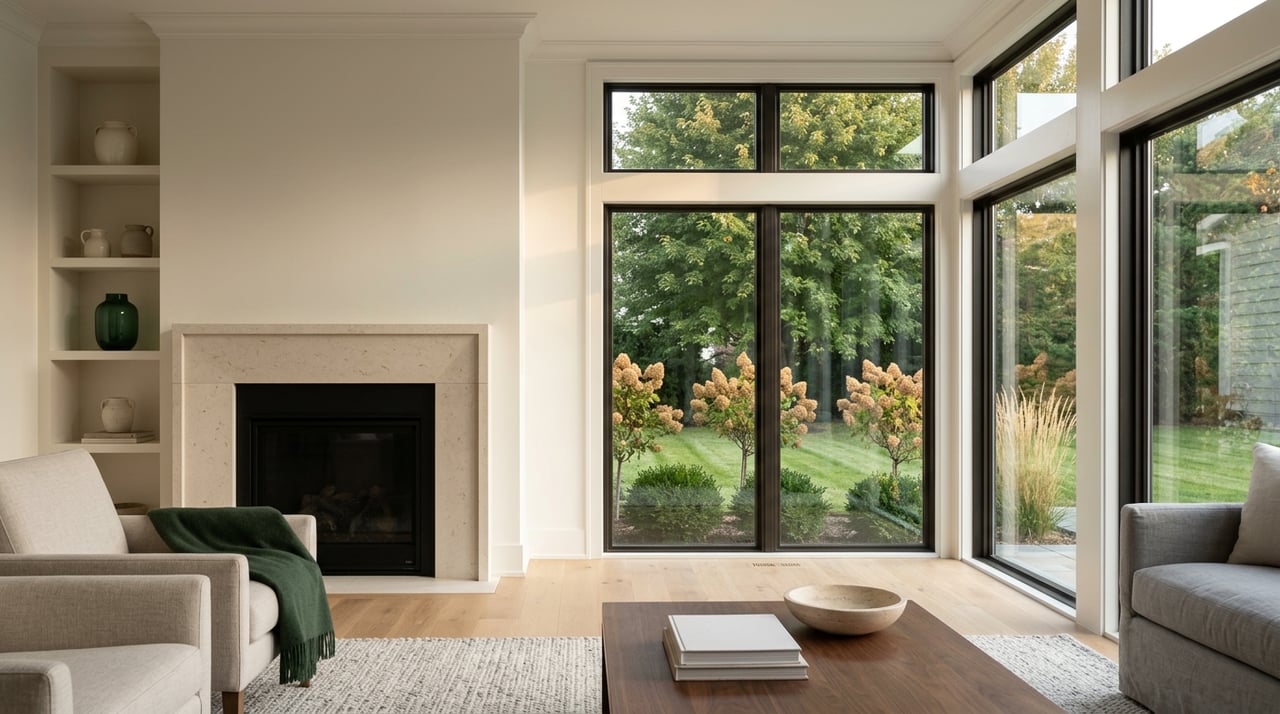
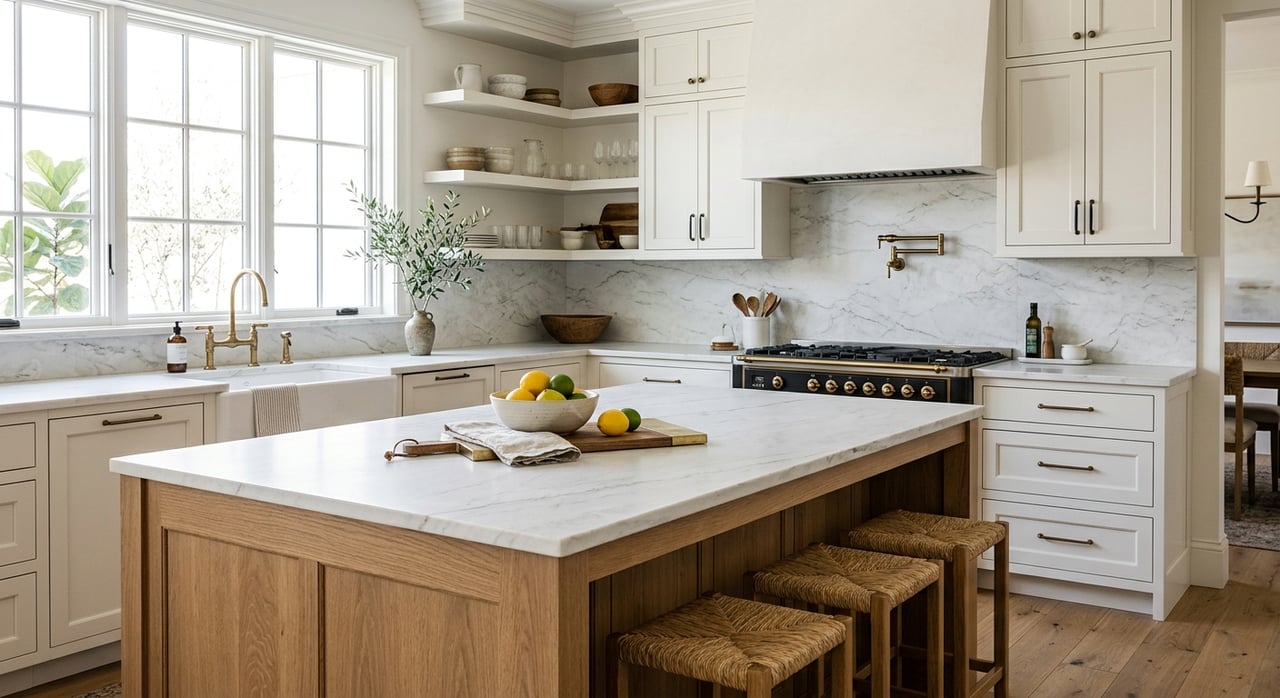
Custom homes in Carmel’s estate enclaves are designed around the lot. Expect larger floor plans, site-specific window placement, and premium materials. Outdoor living elements like covered terraces, pools, and landscape lighting are common when the lot accommodates them.
Buy an existing home or build new
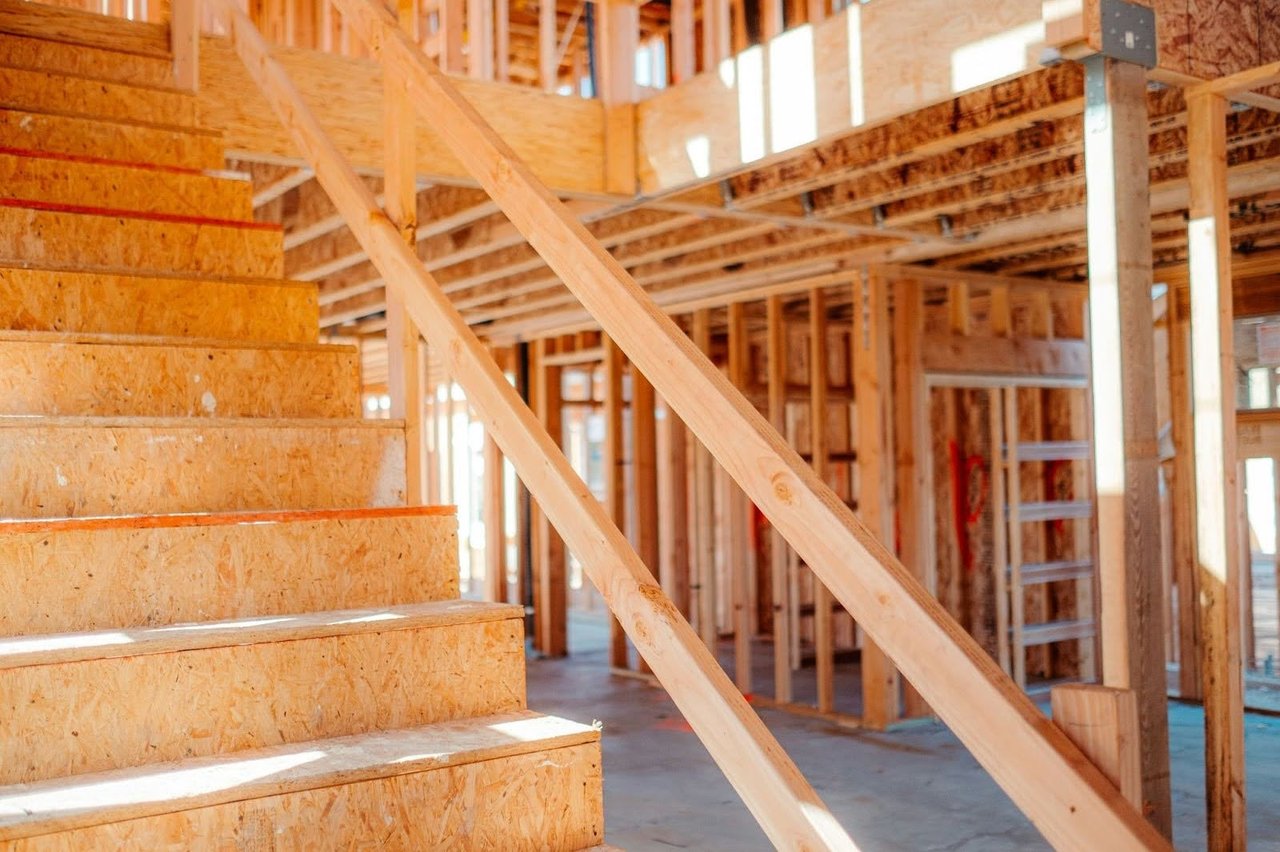
Buying an existing home can shorten your move-in timeline and reduce construction risk. You still benefit from the estate setting and custom-level finishes if the home aligns with your needs. Building new delivers full personalization, but it adds timeline and site-prep variables like grading, utility tie-ins, and tree protection.
Time and cost factors
Custom projects move through site evaluation, design, approvals, permitting, and construction. In Carmel, the permitting process is structured and predictable when planned well. Build costs for luxury custom homes vary widely based on design complexity and finishes, so you should secure estimates from local custom builders before committing to a lot.
What to verify before you commit
Buying or building in Windsor Grove is a documentation-first decision. Confirm these items with the appropriate offices and partners:
Neighborhood basics
- Total lot count and the current mix of built versus vacant lots
- HOA presence, dues, and architectural guidelines or design review steps
- Street ownership and maintenance responsibilities for roads and snow removal
Lot-specific facts
- Exact parcel acreage, setbacks, and buildable area from surveys and recorded plats
- Easements and any conservation or drainage restrictions
- Public utility availability, tap or connection fees, and any assessments
Site and build feasibility
- ALTA and topographic surveys to confirm boundaries and slopes
- Geotechnical report to evaluate soil, groundwater, and foundation needs
- Tree inventory and protection plan if mature trees are a priority
Financials and timing
- Recent comparable sales, price per square foot, and inventory trends for similar homes
- Builder quotes for site-prep and vertical construction
- Estimated permitting and architectural review timelines
How Windsor Grove compares
Use a consistent framework to compare Windsor Grove with other Carmel luxury enclaves:
- Neighborhood scale and density
- Typical lot size and privacy buffers
- Customization level and architectural controls
- Amenities versus low-maintenance expectations
- HOA structure and fees
- Proximity to Carmel’s core, schools, and key routes
- Recent sales metrics and inventory depth
- Time-to-build and permitting ease
If you value large lots, privacy, and custom architecture, small estate enclaves often rise to the top. If you prefer walk-to amenities, a neighborhood with shared facilities and smaller lots might be a better fit.
Lifestyle and resale considerations
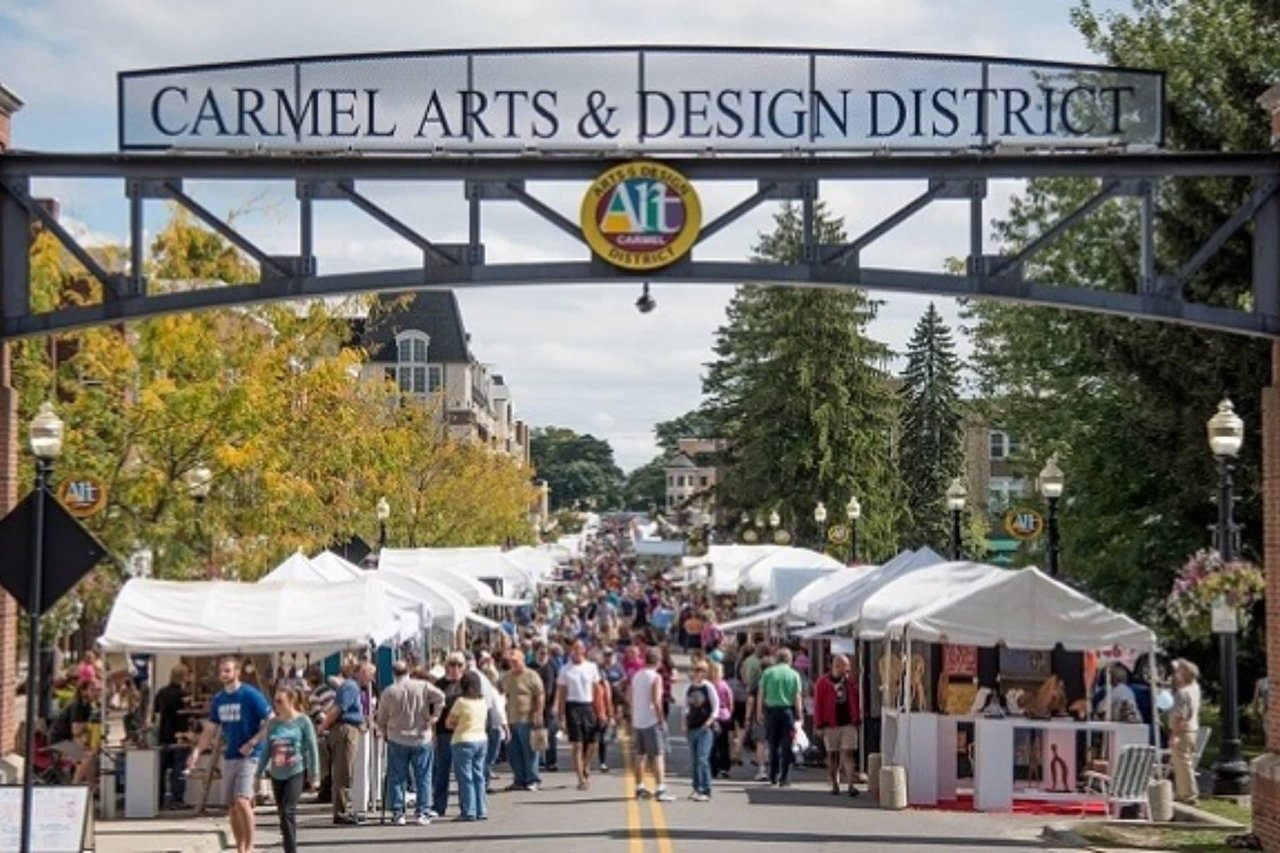
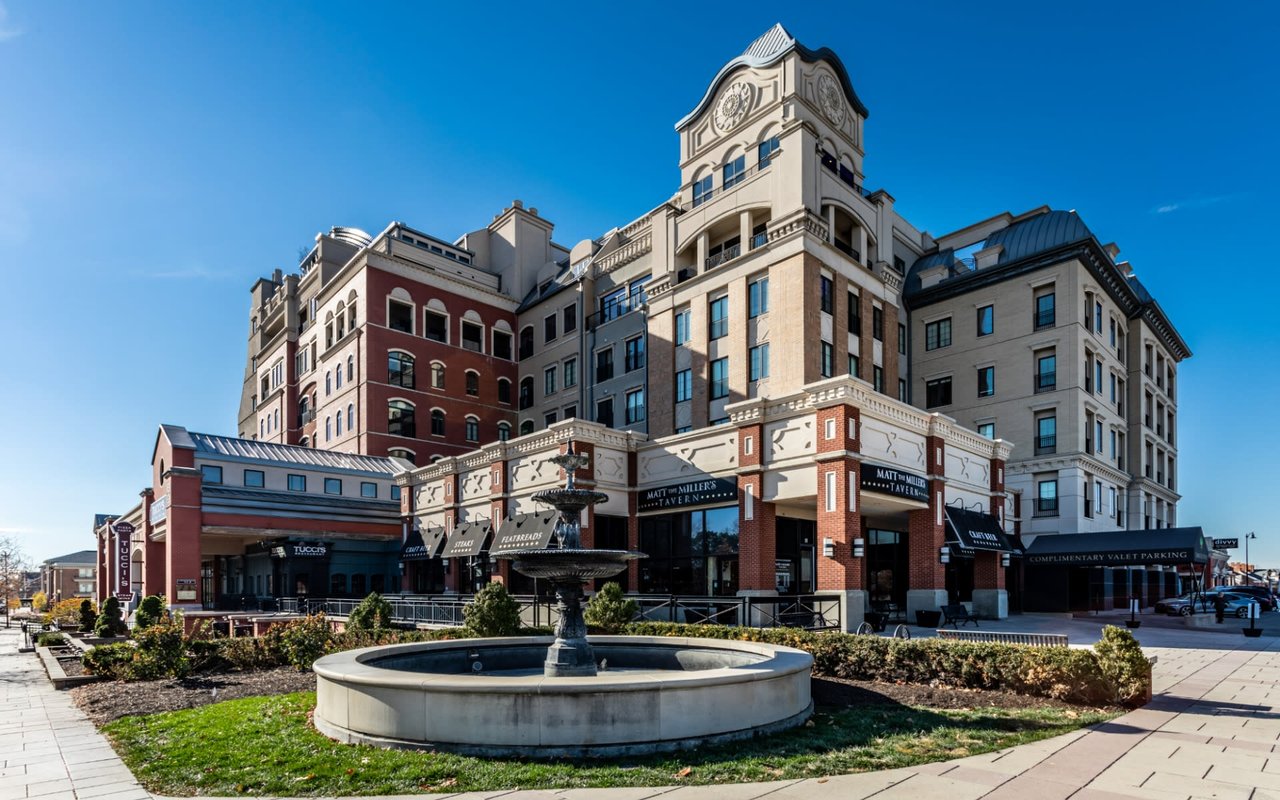
Carmel’s strong municipal services and access to destinations like the Arts and Design District and Monon Trail support buyer demand. School boundary assignments and parcel-level tax implications can influence long-term value, so verify both early. Larger lots provide a quieter lifestyle, though they may be farther from everyday retail or dining. Think through commute times and daily patterns to confirm the location fits your routine.
Your path to due diligence
Here is a practical sequence to keep your process on track:
- Confirm lot and neighborhood records
- Pull parcel data, plats, and easements through county resources.
- Obtain recorded covenants and any architectural guidelines through the recorder or HOA.
- Validate buildability and costs
- Order ALTA and topo surveys and a geotechnical report.
- Meet with two to three local custom builders to price site work and construction.
- Align design with rules
- Review setback, lot coverage, height, and tree-protection requirements with the city.
- Map a preliminary site plan to visualize home placement, driveway, and outdoor living.
- Ground your budget in the market
- Analyze recent comparable sales and active inventory with a Carmel-focused agent.
- Account for utility fees, design-review costs, and contingency for site conditions.
Work with a local specialist
Small, custom enclaves reward careful planning. You want a team that knows Carmel’s permitting paths, has active builder relationships, and can surface off-market opportunities when they exist. The CHG’s New Construction Division can coordinate lot due diligence, introduce vetted custom builders and architects, and deliver a clear comparison of neighborhoods so you choose with confidence.
Ready to explore Windsor Grove and similar estate enclaves in Carmel? Schedule a Personal Market Consultation with The CHG to map your best next step.
FAQs
What is Windsor Grove’s neighborhood style?
- It is a small, estate-style custom enclave known for larger lots, privacy, and custom architecture shaped by design guidelines.
How do HOA rules affect custom builds in Windsor Grove?
- HOAs typically oversee design review and exterior standards, which protect neighborhood character and can influence timelines and material choices.
What due diligence should I do on a Windsor Grove lot?
- Confirm parcel size and easements, order ALTA and topo surveys and a geotechnical report, verify utilities and fees, and review covenants with the HOA.
How long does a custom build in Carmel usually take?
- Timelines vary by design complexity and approvals; consult the city for permitting steps and secure builder schedules to set realistic expectations.
How do taxes and schools impact value in Carmel?
- Parcel-level taxes and school boundary assignments can influence demand and resale, so verify both early in your evaluation.
Does Windsor Grove have shared amenities like a pool?
- Estate-style enclaves often prioritize privacy and lot size over shared amenities; review the HOA documents to confirm what is included.