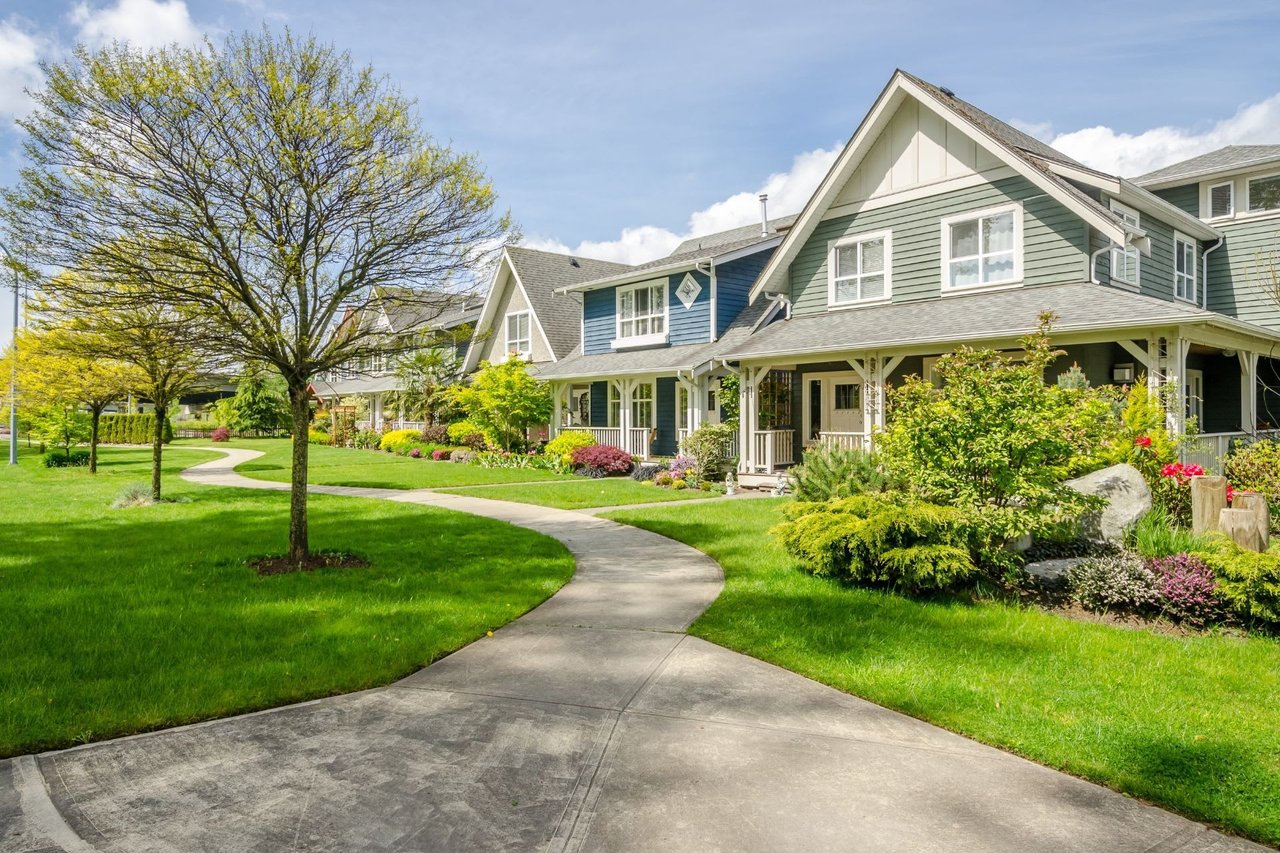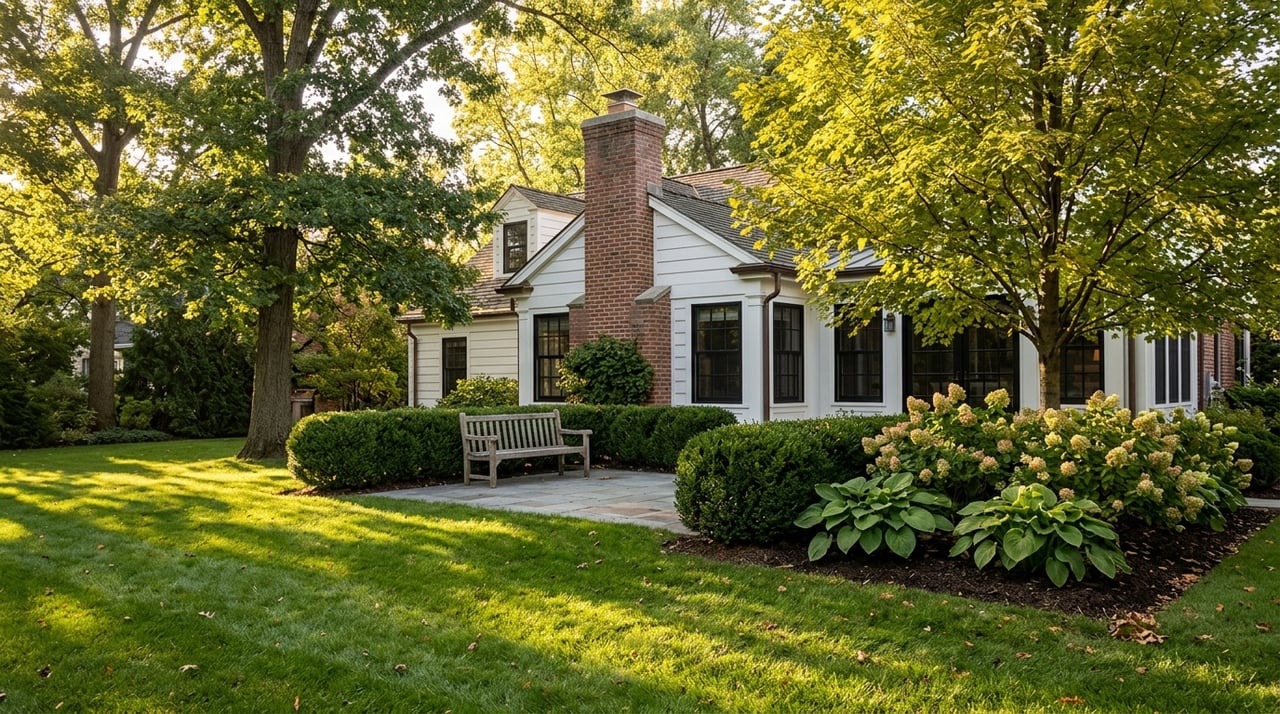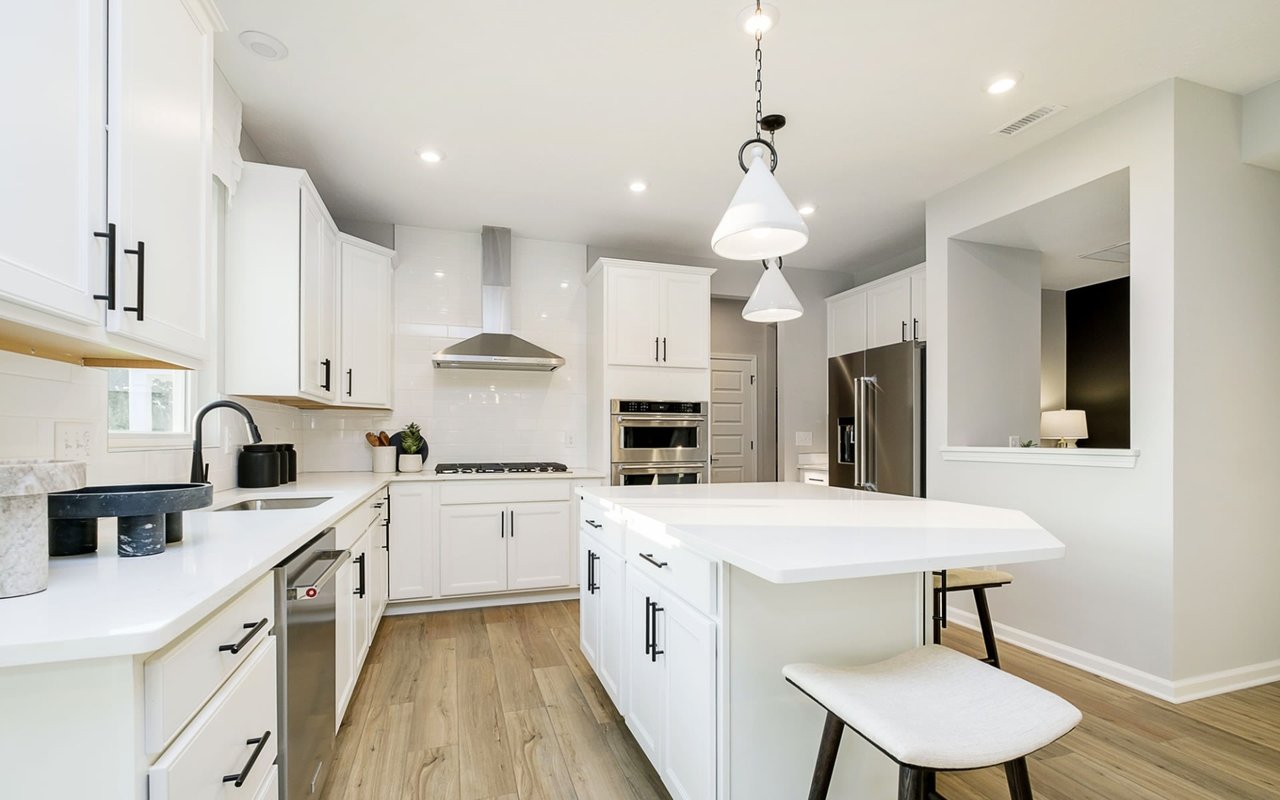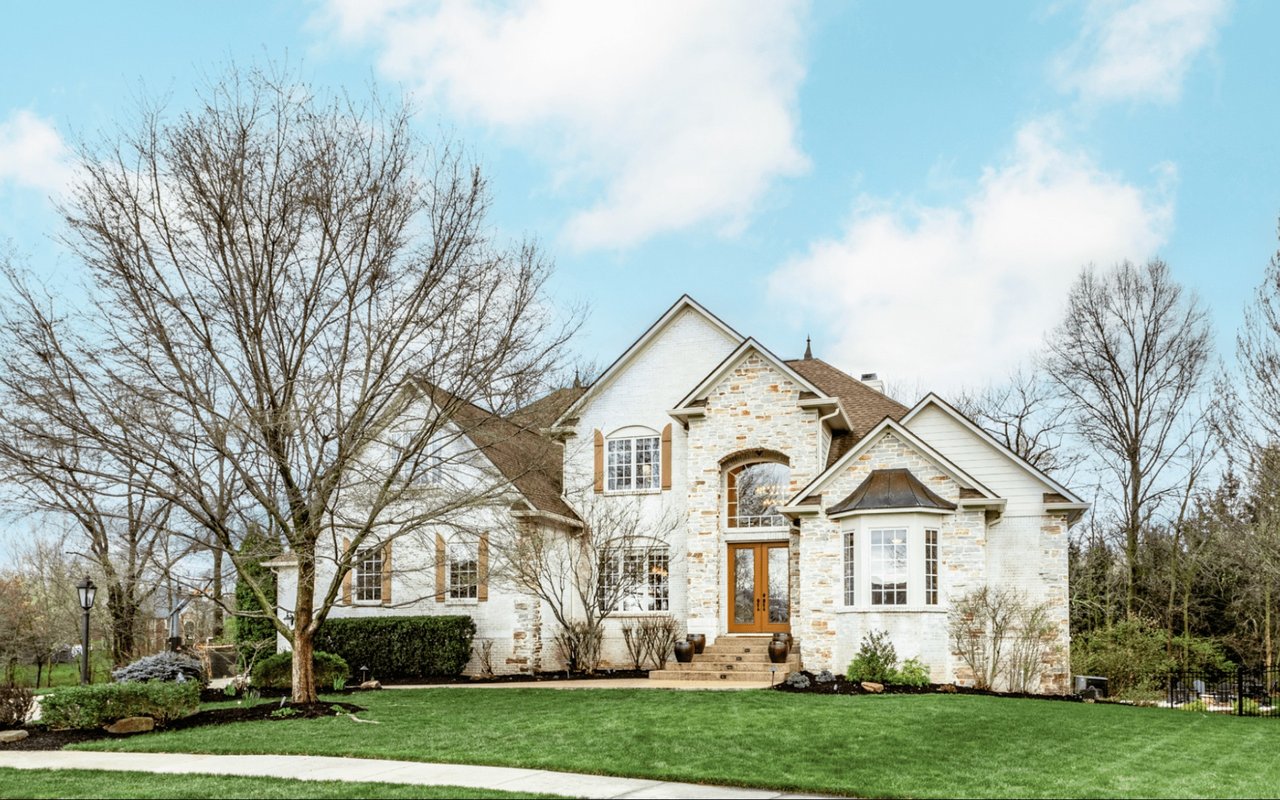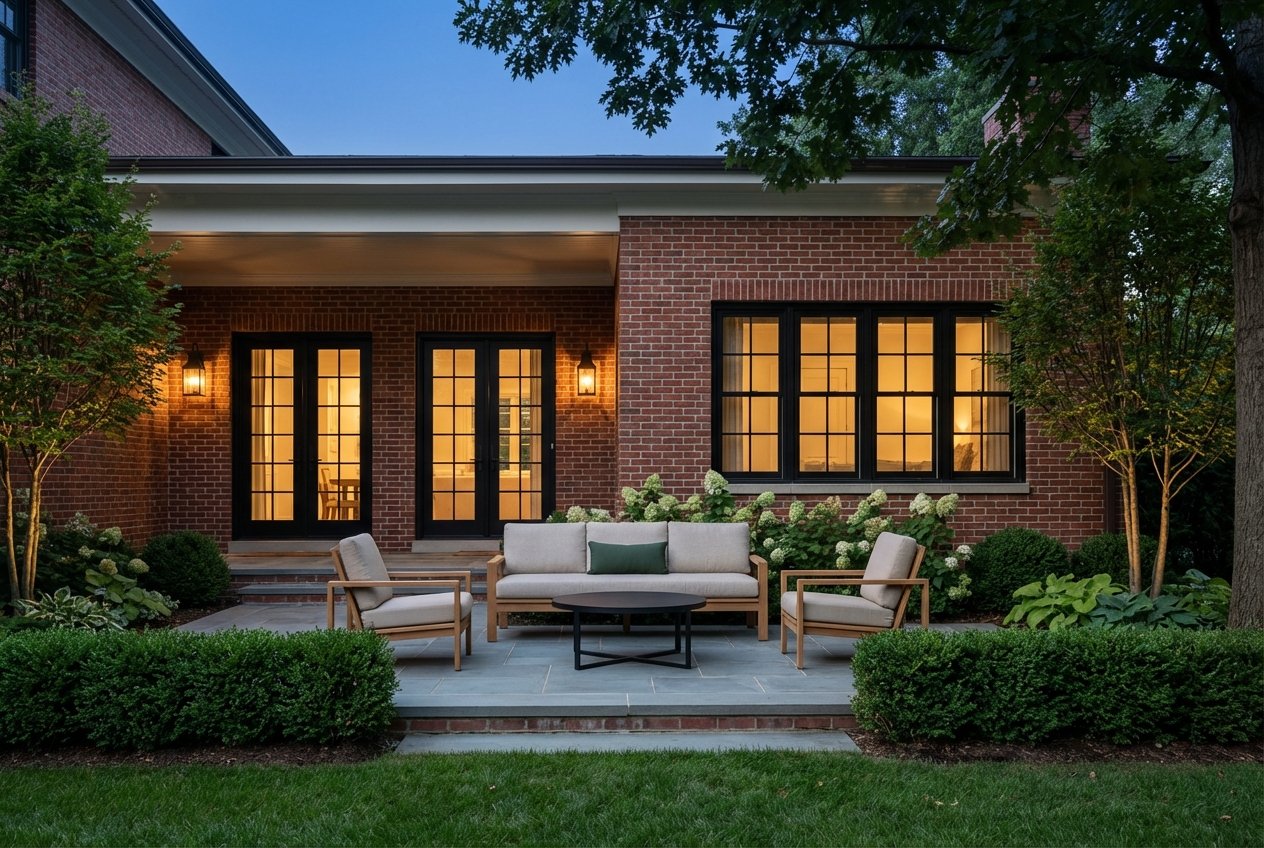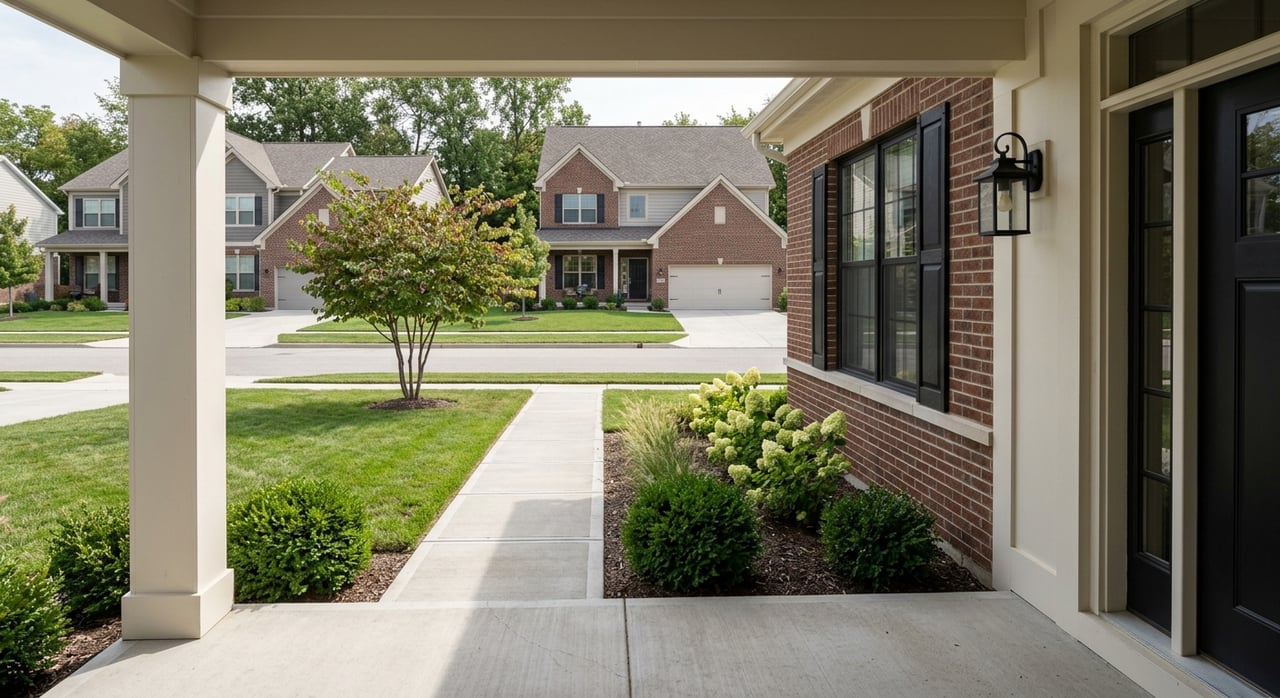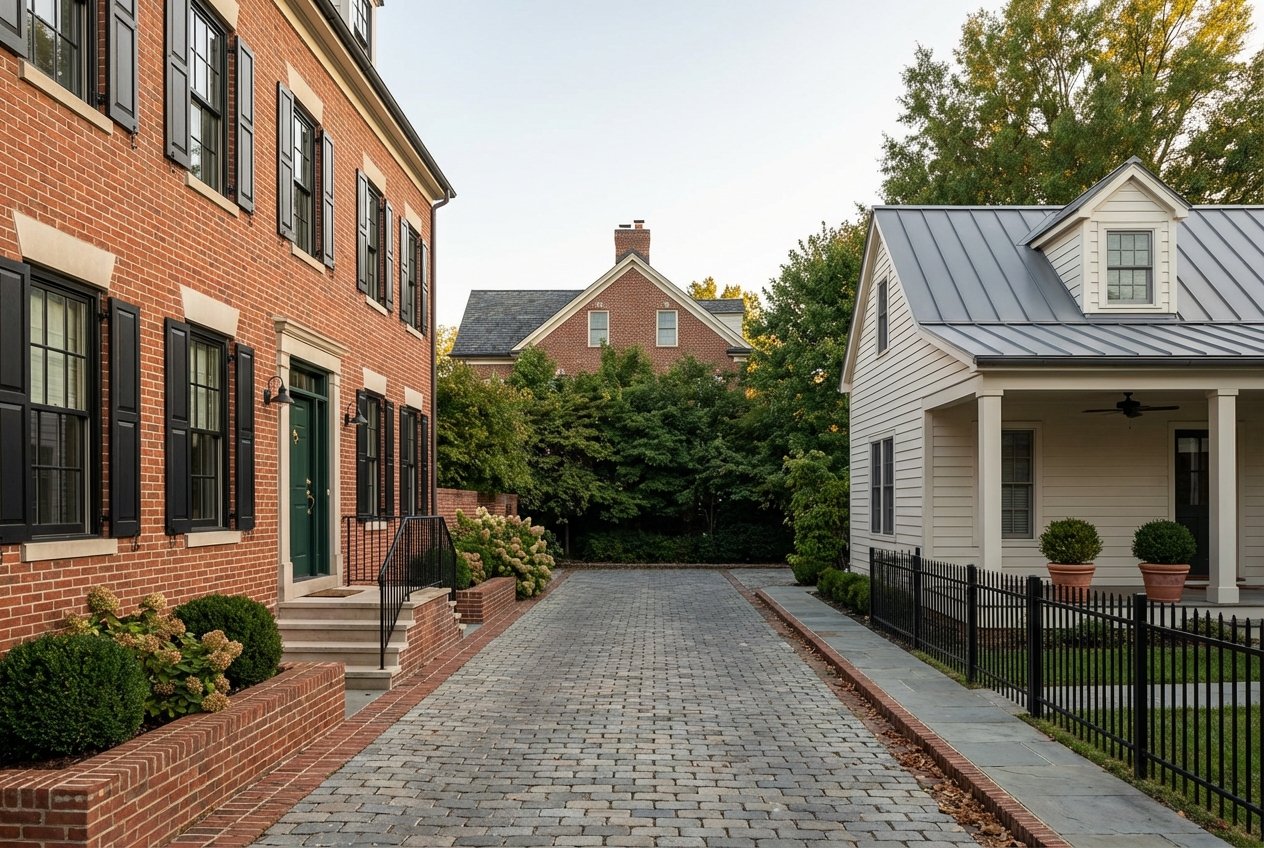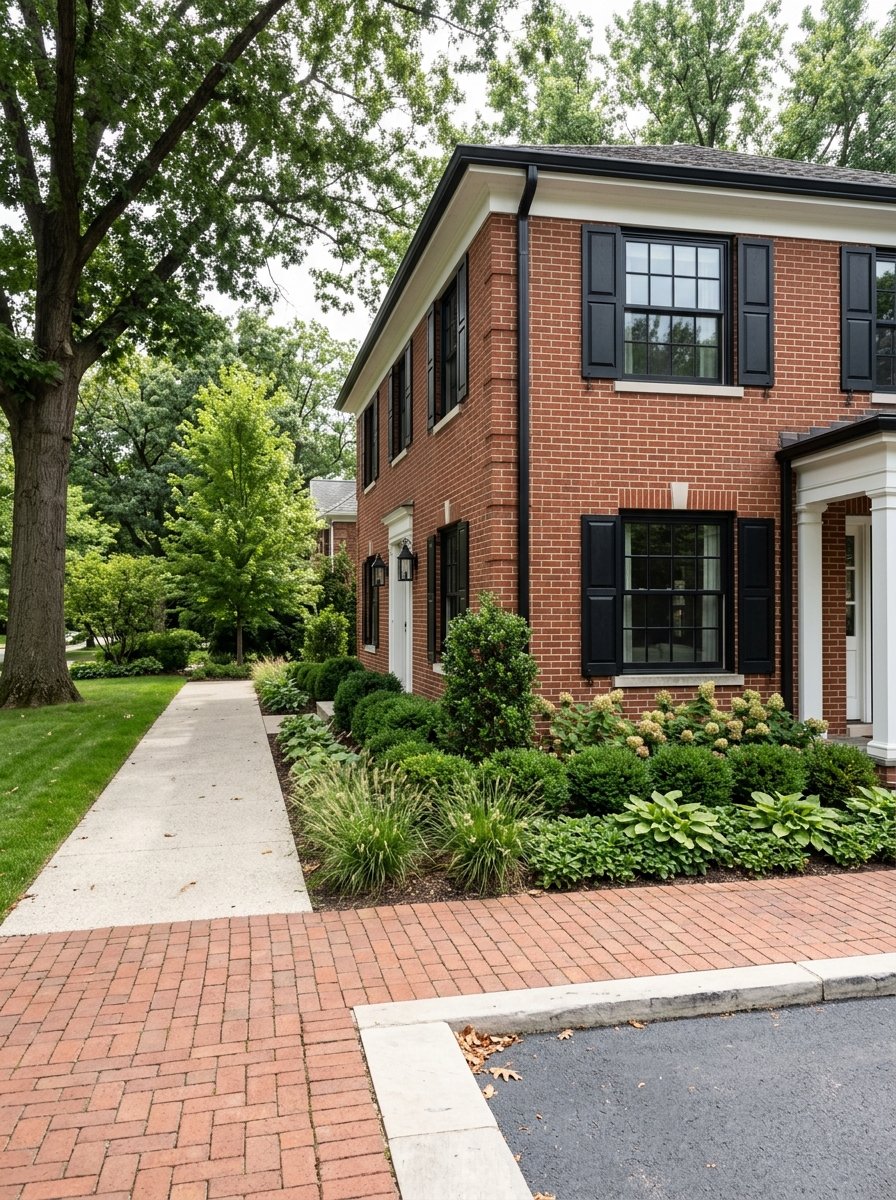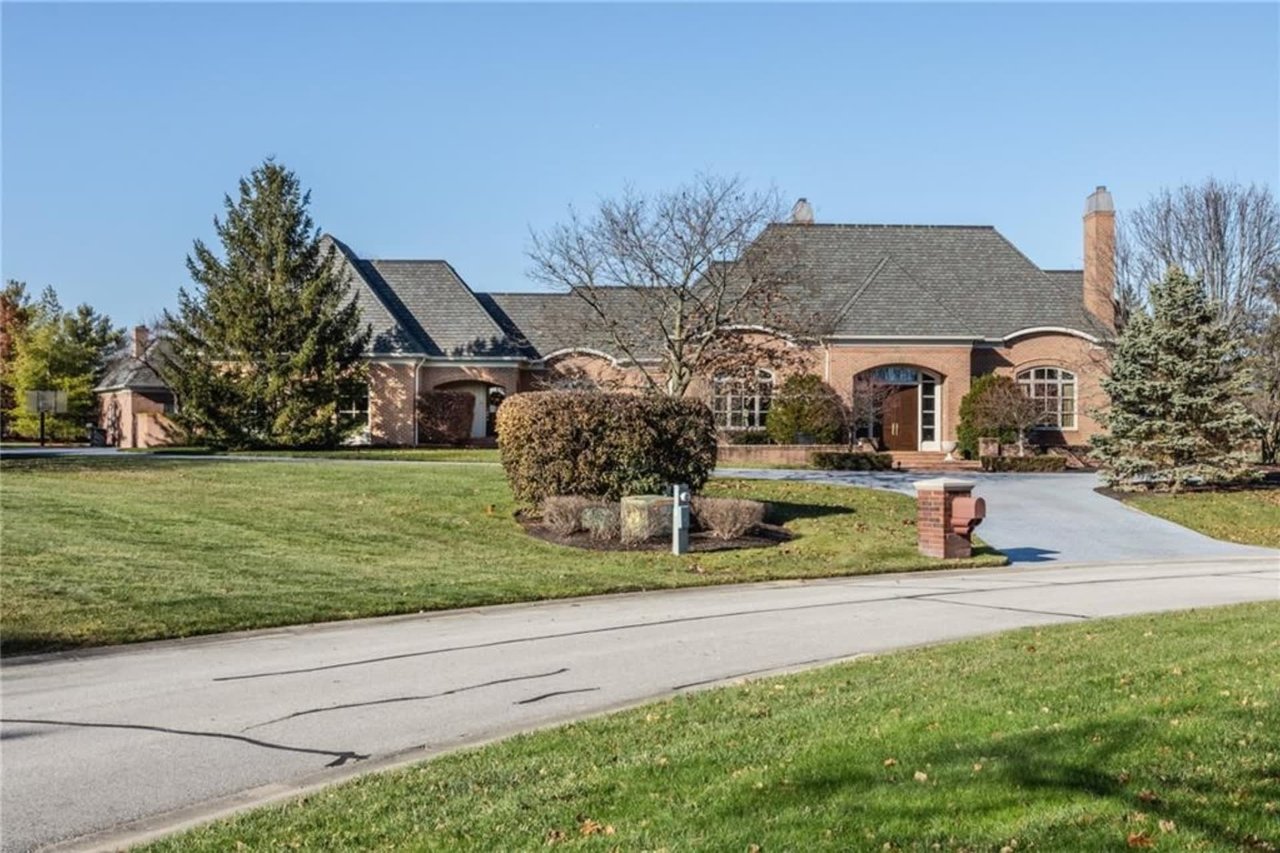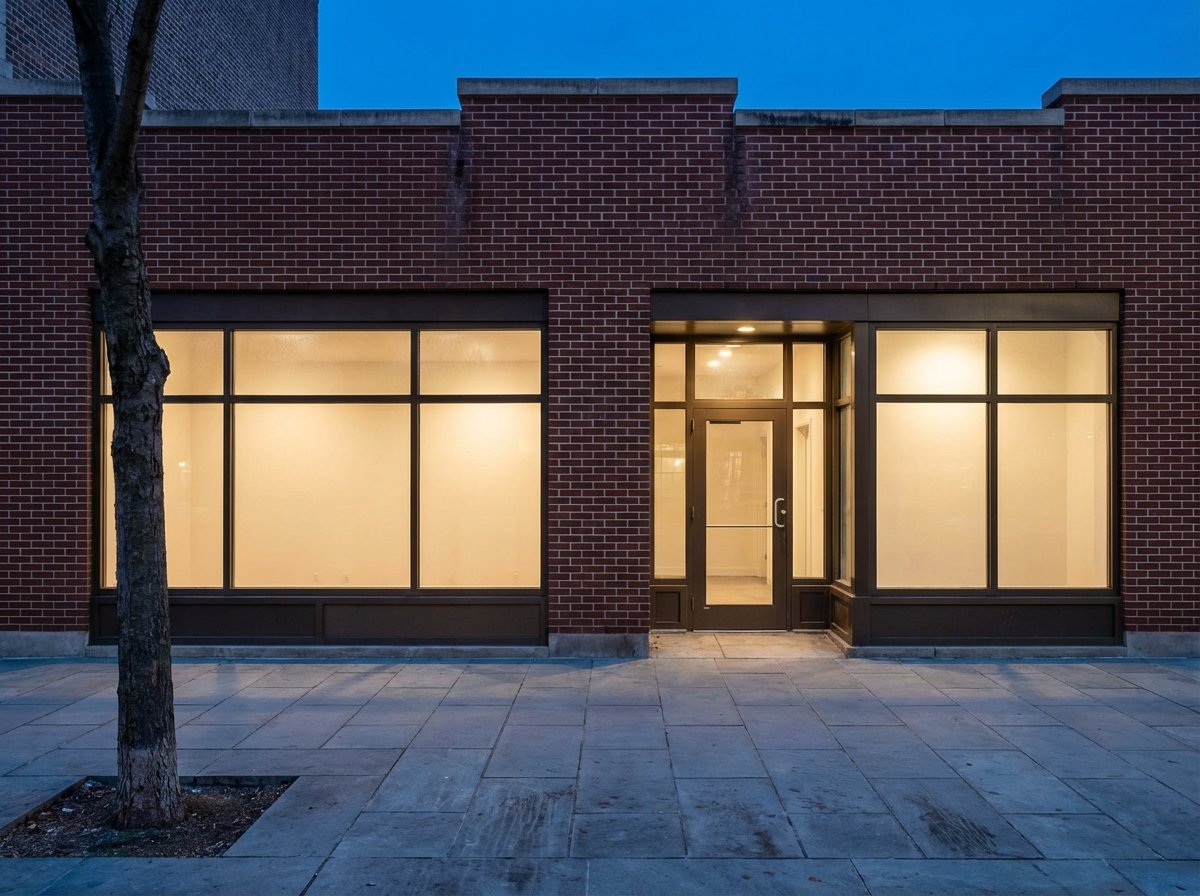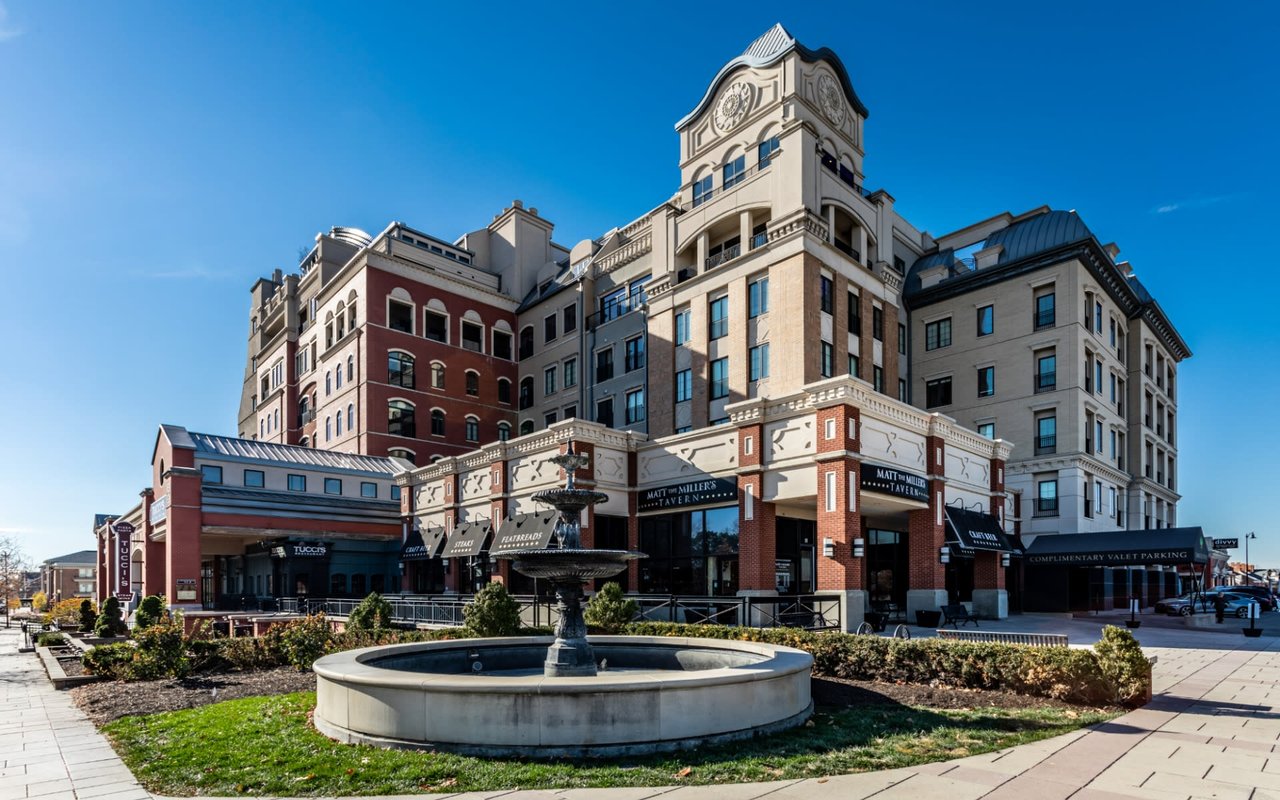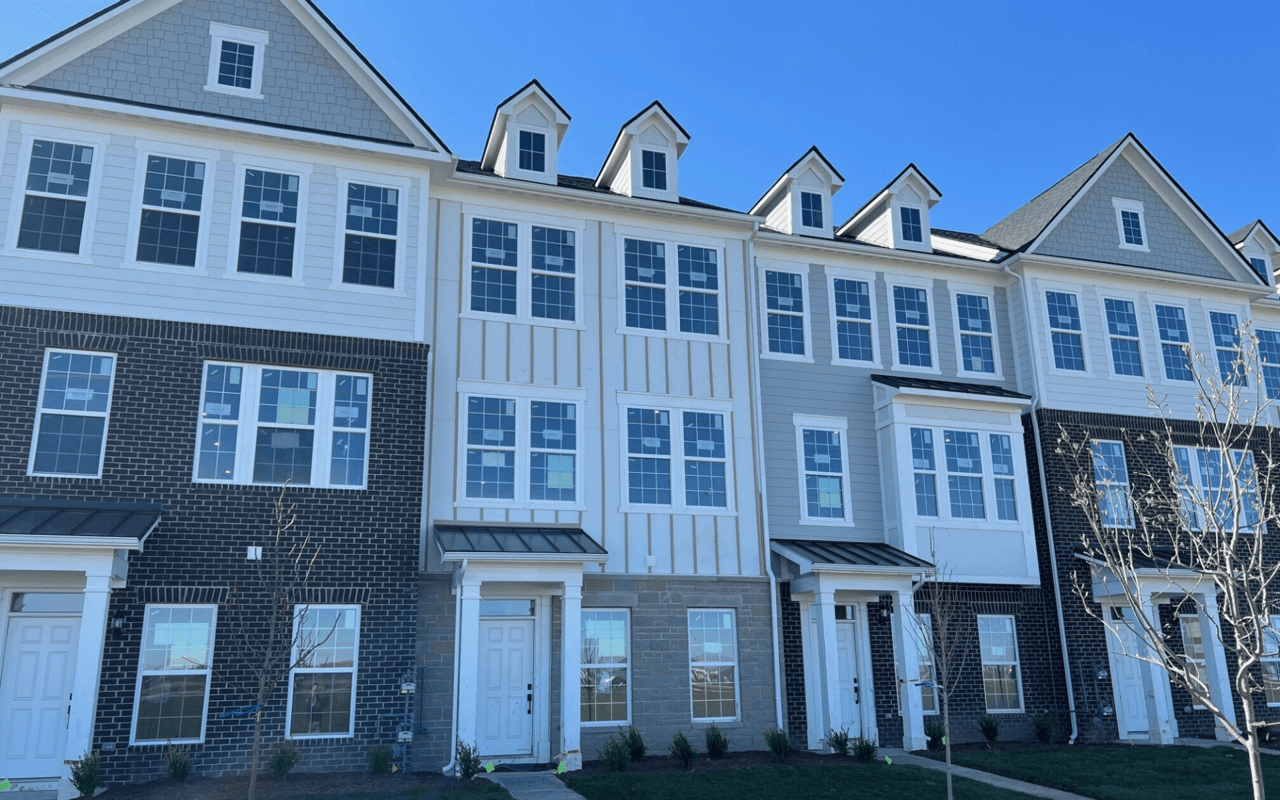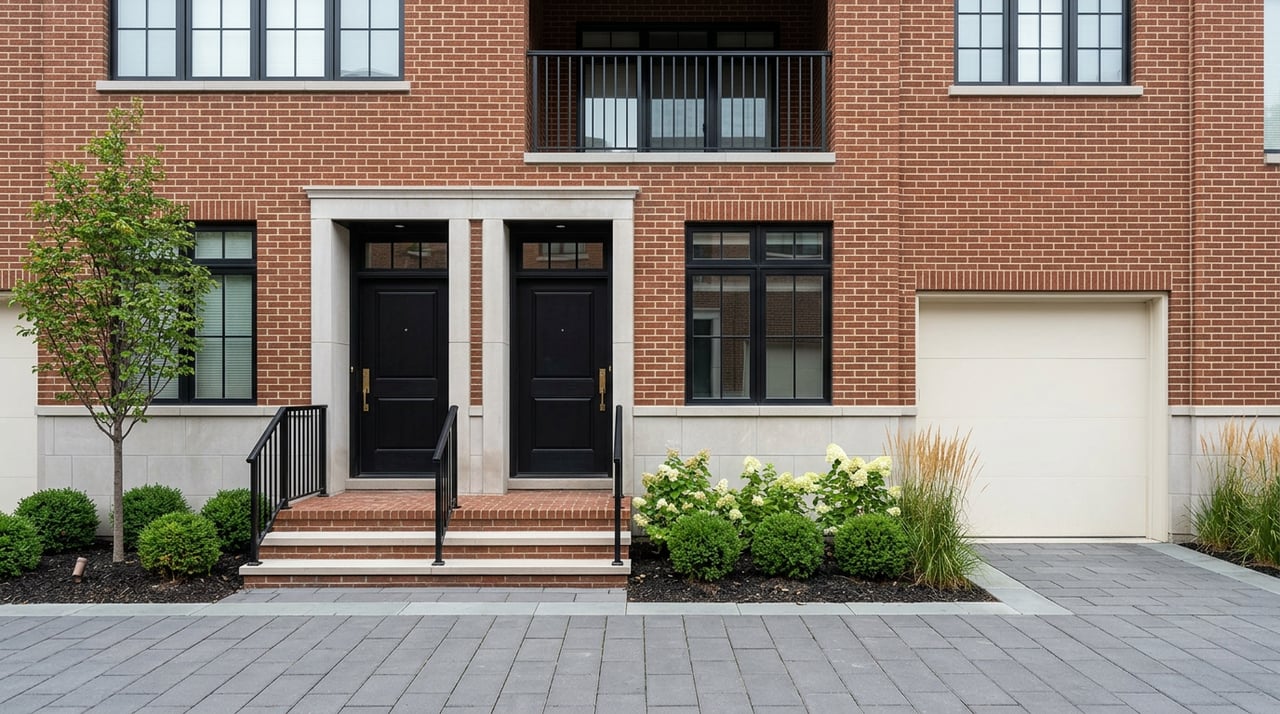
Picture your weekends starting with coffee on Main Street, a stroll along the Monon, and a show at the Palladium—without worrying about mowing, snow, or exterior repairs. If that sounds like your next chapter, the real question becomes simple: should you downsize into a Carmel townhome or a condo? In this guide, you’ll learn the tradeoffs that matter most in Carmel’s in-town neighborhoods, how HOA rules and financing shape your options, and what to check before you write an offer. Let’s dive in.
Living in the heart of Carmel
Carmel’s walkable core pulls many downsizers for good reason. The Arts & Design District offers galleries, boutiques, and frequent events in a charming streetscape, anchored by the Indiana Design Center and nearby trail access. Get a feel for the lifestyle by exploring the official Arts & Design District guide.
A few blocks south, Carmel City Center pairs dining and shopping with the Center for the Performing Arts, home to the Palladium. That mix of culture and convenience fits a low-maintenance, in-town life. Preview what’s around the hub by visiting Carmel City Center.
Walkability in Carmel is very address specific. Citywide, you’ll often still use a car, but homes in Old Town, the Arts & Design District, and around City Center can be truly walkable. When you tour, time your walk to groceries, pharmacy, and dining to see if the location fits your daily routine.
Also know the broader context: Carmel is an affluent, fast-growing city. U.S. Census QuickFacts shows a median household income of about $141,505 and a median value of owner-occupied homes around $486,800. That affluence can push demand and pricing for well-located smaller units. You can view the city’s snapshot on Census QuickFacts.
Townhome vs condo: what’s the real difference?
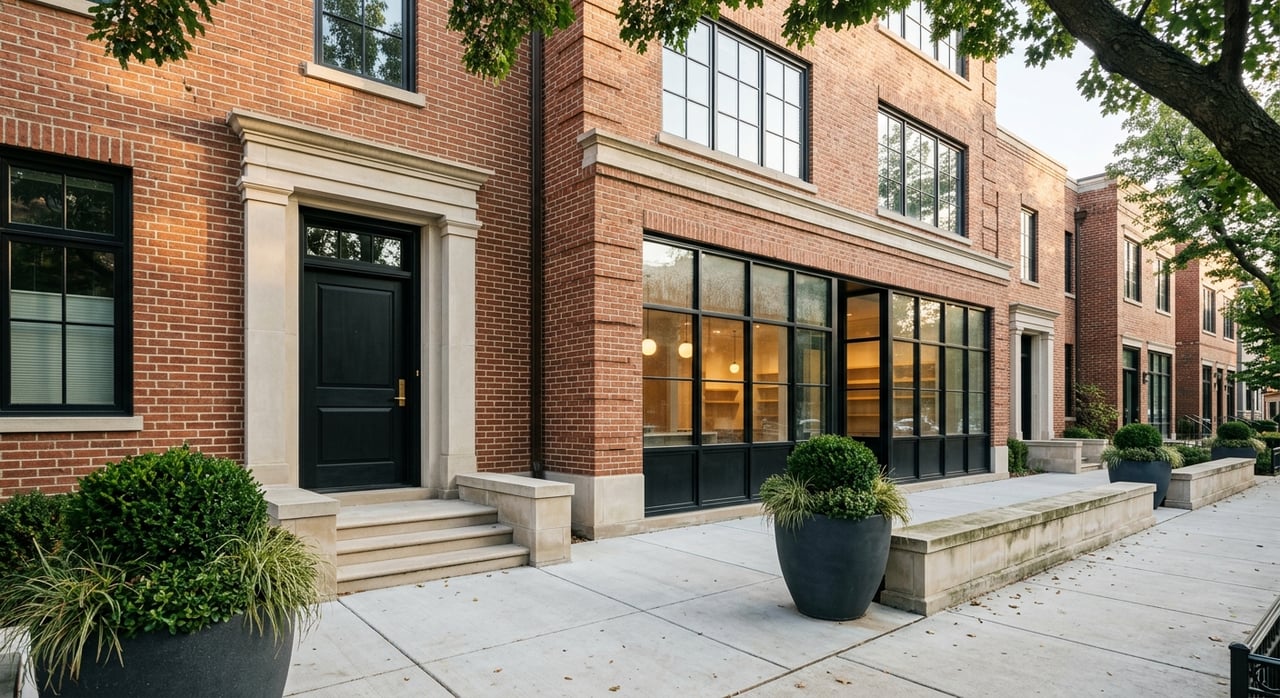
The word “townhome” describes a style. “Condominium” is a legal form of ownership. In Carmel, you may see townhome-style buildings that are legally condos. Always confirm the recorded legal form on the deed.
Ownership and control
- Condos typically give you ownership of the interior of your unit and a shared interest in common elements. The association usually manages the building exterior and common areas. Review the declaration to see what the HOA maintains, including roofing, windows, and siding. A quick primer on how ownership differs is outlined in this condo vs townhouse overview.
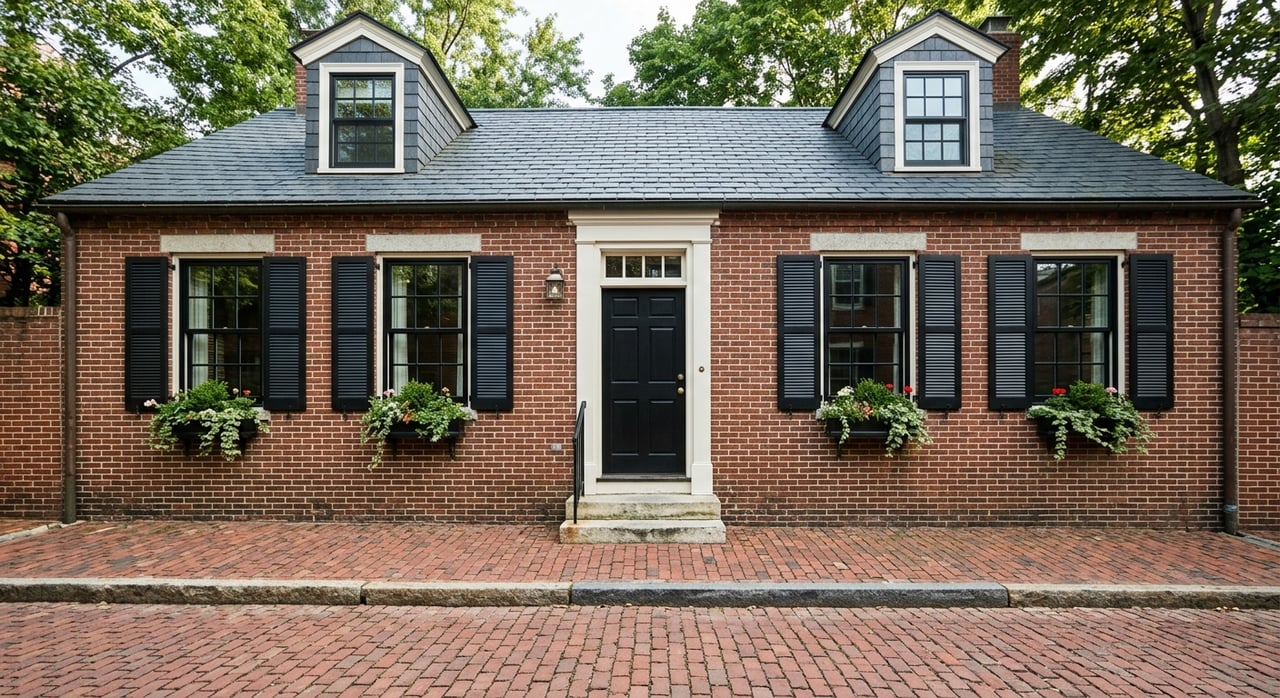
- Townhomes often convey fee-simple ownership of the structure and the land underneath. The HOA may maintain common areas and sometimes handle exterior tasks, but it varies by community rules. If you want more control over small exterior choices, a fee-simple townhome can be appealing, subject to the CC&Rs.
Maintenance and HOA scope
Condos often carry higher monthly dues because the HOA covers more of the building envelope, exterior insurance on the structure, and shared amenities. Townhome dues can be lower if owners retain more exterior responsibility, but not always. To avoid surprises, ask for the full HOA packet—budget, reserve study, insurance, and recent minutes. Lenders also review HOA health for financing, as explained in this guide to condo financing and HOA reviews.
Privacy and layout
Townhomes often provide a private entry and more horizontal separation, especially end units or homes with an attached garage. Stacked condos can have neighbors above or below and shared corridors. If you want single-level living, look for elevator-served condos or first-floor units with no one above. If you prefer fewer shared walls, target select townhome layouts.
Parking and storage
In Carmel, many townhomes offer private 1–2 car garages, which help with secure parking, storage, and even EV charging in some communities. Downtown condos typically provide assigned or deeded spaces in a structured garage, sometimes with guest parking policies. Always verify how many spaces transfer, whether they’re deeded, and what guest parking looks like for entertaining.
Outdoor space and pets
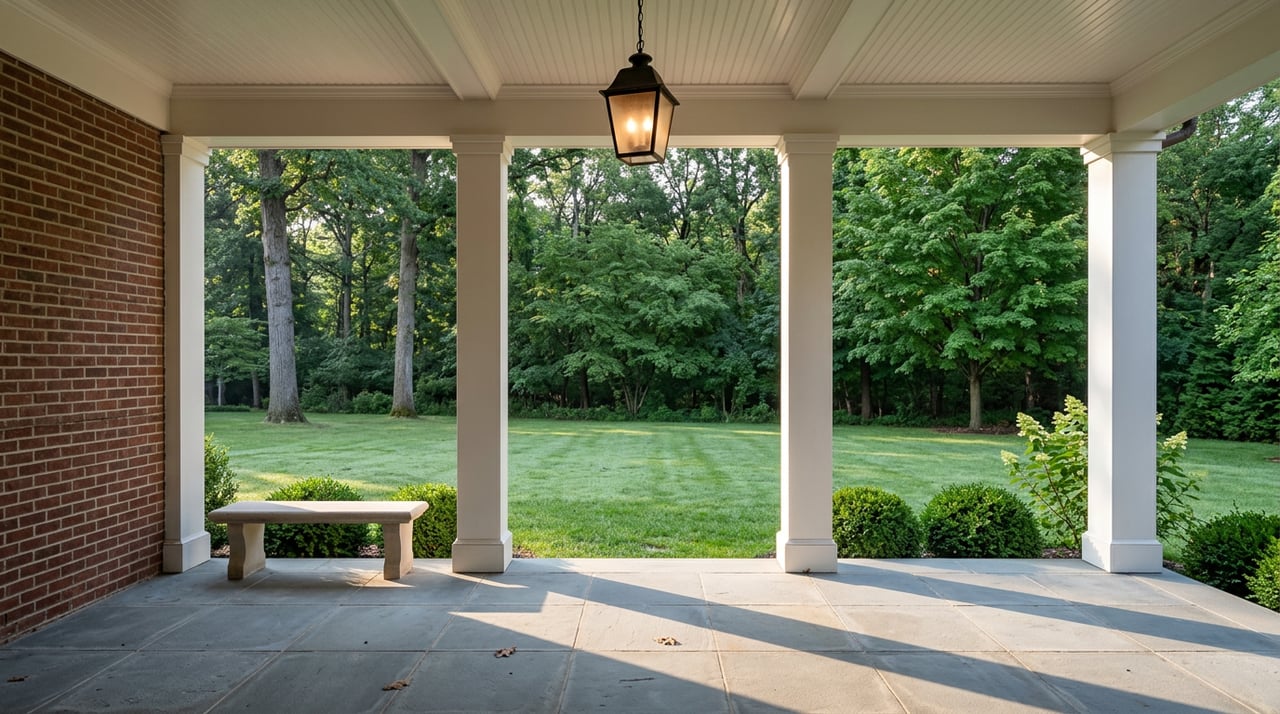
Townhomes more often include a patio or a small yard, sometimes maintained by the HOA. Condos usually offer a balcony or shared courtyard. If you want a ground-level area for container gardening or morning coffee, focus your search on townhome communities that include patio spaces. For pets, confirm rules on size, count, and outdoor use in the community documents.
Financing, insurance, and monthly cost
Financing for condos can include an extra layer of project-level underwriting. Eligibility under conventional, FHA, or VA guidelines can depend on the association’s owner-occupancy levels, reserve funding, and litigation status. This affects both your loan options and future resale liquidity. If you plan to use FHA or VA, confirm project approval early. For a deeper look at how project reviews work, see this condo financing overview.
Your lender will factor HOA dues into your debt-to-income ratio, which means higher monthly fees can reduce purchase power. When comparing properties, build an apples-to-apples monthly estimate that includes mortgage principal and interest, taxes, insurance, HOA dues, and typical utilities. The AmeriSave guide above explains how lenders treat dues in underwriting.
Property taxes add a meaningful line item. Hamilton County’s certified rates for 2024 payable 2025 vary by township and municipal area. Review the county rate chart and confirm parcel-specific tax bills during due diligence. You can access the county’s current certified tax rate chart.
Insurance differs by structure. Condo owners usually carry a policy for interior contents and improvements, while the HOA’s master policy covers building exteriors. Townhome owners may need broader coverage if they own the structure and land. Your insurance agent can quote both scenarios once you know the property’s legal form and the HOA’s responsibilities.
Important Carmel rule if you may rent later
Update as of Feb 1, 2026: Carmel’s Rental Registration Program treats attached single-family townhomes as rental units subject to registration and local caps, while condominiums are excluded from the program. If you want the option to rent your unit later, or if you care about investor demand at resale, this distinction matters. Review the city’s details here: Carmel Rental Registration.
Why it matters:
- Townhomes may face a rental cap and registration, which can limit flexibility and affect investor appeal.
- Condos are not part of the program, which may preserve rental optionality, subject to HOA rules.
Always verify the recorded legal form and HOA rental policies for any address you consider.
What the market says right now
Recent snapshots heading into early 2026 show Carmel’s median sale price around $495,000, with slower activity than the prior year, while a separate December 2025 snapshot reported a median list price near $527,500. Neighborhood medians within City Center and the Arts & Design District trend higher than the citywide figure. As of late 2025, City Center hovered near $537,500 and the Arts & Design District near $749,900. Inventory in these in-town pockets is limited and moves when well priced.
These numbers change frequently, so use real-time MLS data when you are actively searching. What does not change is the premium for walkable locations with strong finishes, solid parking, and reasonable HOA dues.
Townhome or condo? A quick decision framework
Choose a townhome if you want:
- A private entry and often more horizontal separation from neighbors.
- An attached garage for secure parking, storage, and potential EV charging.
- A small patio or yard space, sometimes HOA maintained.
- Fee-simple ownership with potential for more exterior control, subject to CC&Rs.
Choose a condo if you want:
- Single-level living with elevator access and minimal stairs.
- A lock-and-leave lifestyle with the HOA covering exterior maintenance.
- Structured or valet-style parking and building amenities where available.
- Potentially simpler exterior insurance coverage through the HOA’s master policy.
Checklist for evaluating any Carmel unit
Use this list to compare properties apples to apples:
- Legal form and deed
- Is it a condominium or fee-simple townhome/PUD? This drives maintenance, insurance, some local regulations, and resale considerations. A quick overview of differences is in this condo vs townhouse primer.
- HOA packet and financial health
- Request budget, reserve study, master insurance, year-to-date financials, and the last 12 months of meeting minutes. Check for litigation, owner-occupancy levels, and rental rules. Lenders will review this too. Learn why it matters in this HOA review and financing guide.
- Parking and storage
- Confirm how many spaces are deeded or assigned, where they are located, EV charging availability, and guest parking policies. Storage lockers or garage space can support long-term livability.
- Exterior responsibilities and amenities
- Clarify who covers roofing, siding, windows, landscaping, snow removal, and exterior insurance. Note any elevators, secure entries, and on-site maintenance—key for a lock-and-leave lifestyle.
- Financing checks
- If you need FHA or VA, confirm project eligibility early. For conventional loans, ask your lender about the condo project review and any documentation they need from the HOA.
- Monthly carrying cost
- Build a full estimate: mortgage, taxes, insurance, HOA dues, and typical utilities. Remember HOA dues count toward DTI, which can change your price range. See the AmeriSave overview for how lenders factor dues.
- Walk test and daily routine
- Test real-world walking times to coffee, dining, pharmacy, and the Monon Trail. Walkability varies block by block even within “in-town” Carmel.
- Resale comparables
- Review recent sales of similar units in the same building or immediate area. Strong finishes, garage parking, and manageable dues tend to support resale.
How The CHG helps downsizers
Downsizing well is about fit and foresight. You want the right floor plan, the right HOA, and the right financial structure for a carefree next chapter. Our team pairs deep Carmel expertise with a concierge approach. We guide you through HOA due diligence, parking and storage needs, and project-level financing questions, then tailor a search that balances walkability with comfort.
We also bring new construction insights and access to in-town opportunities that do not always hit public feeds right away. If you are relocating, we’ll align your timeline, coordinate tours, and connect you with trusted local pros.
Ready to compare real options in City Center, the Arts & Design District, and nearby pockets? Schedule a Personal Market Consultation with The CHG.
FAQs
What’s the main difference between a Carmel townhome and a condo?
- A townhome usually conveys fee-simple ownership of the structure and land, while a condo typically gives you interior-unit ownership plus a shared interest in common elements; HOA responsibilities differ by documents.
How do HOA dues impact my loan approval for a Carmel condo?
- Lenders count monthly dues in your debt-to-income ratio, which can lower purchase power; some condo loans also require project-level approval that reviews HOA finances and occupancy.
Are Carmel condos or townhomes better for single-level living?
- Condos with elevators often provide true single-level living; some townhomes offer main-level owner’s suites, but many have interior stairs—confirm layout and elevator access.
Can I rent my Carmel townhome or condo in the future?
- As of Feb 1, 2026, Carmel’s rental registration applies to attached single-family townhomes but excludes condos; HOA rental rules still apply in both cases, so review community documents.
What should I review in the HOA documents before I buy?
- Request the budget, reserve study, insurance, 12 months of minutes, rental rules, and any litigation; these determine short-term fees, long-term special assessment risk, and financing eligibility.