If you are looking at homes in The Bridgewater Club, you already know it is more than a neighborhood. It is a private club lifestyle, a mix of custom homes and villas, and a setting built around water, trees, and Pete Dye golf. The details matter here, from view corridors to membership terms and HOA rules. In this guide, you will learn how the community works, what drives value, what to verify before you buy or sell, and where to find current documents and comps. Let’s dive in.
Bridgewater Club at a glance
Bridgewater sits in the Carmel and Westfield area of Hamilton County. It combines a private country club with a master-planned residential community. The club and the master association are separate, so you should treat club membership rules and neighborhood covenants as distinct obligations. The club publishes its categories and benefits in a detailed membership packet.
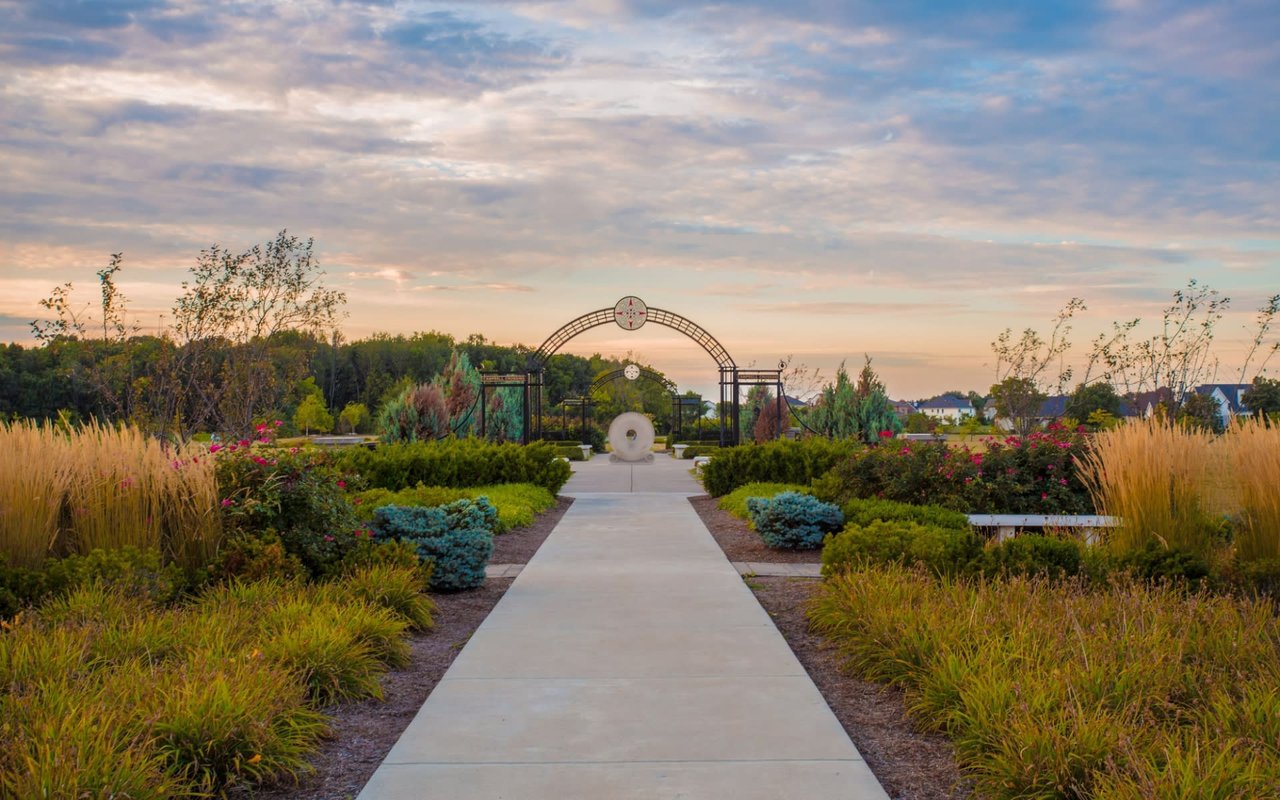
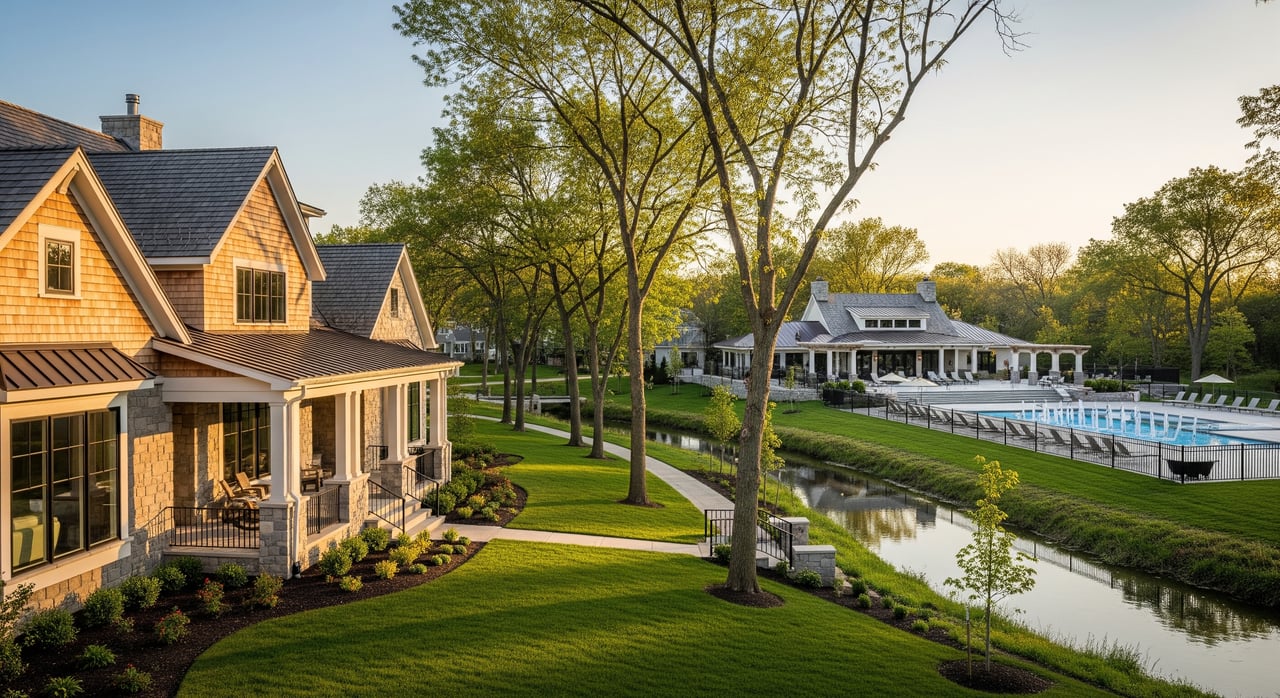
Golf and amenities shape Bridgewater’s identity. The community features a Pete Dye–designed championship 18-hole course, an executive or academy-style component, extensive practice areas, and a large clubhouse with dining, pools, fitness, and racquet courts. These amenities are central to how the neighborhood lives and markets itself. You can explore the club’s program and facilities on the official site.
Homes and sections
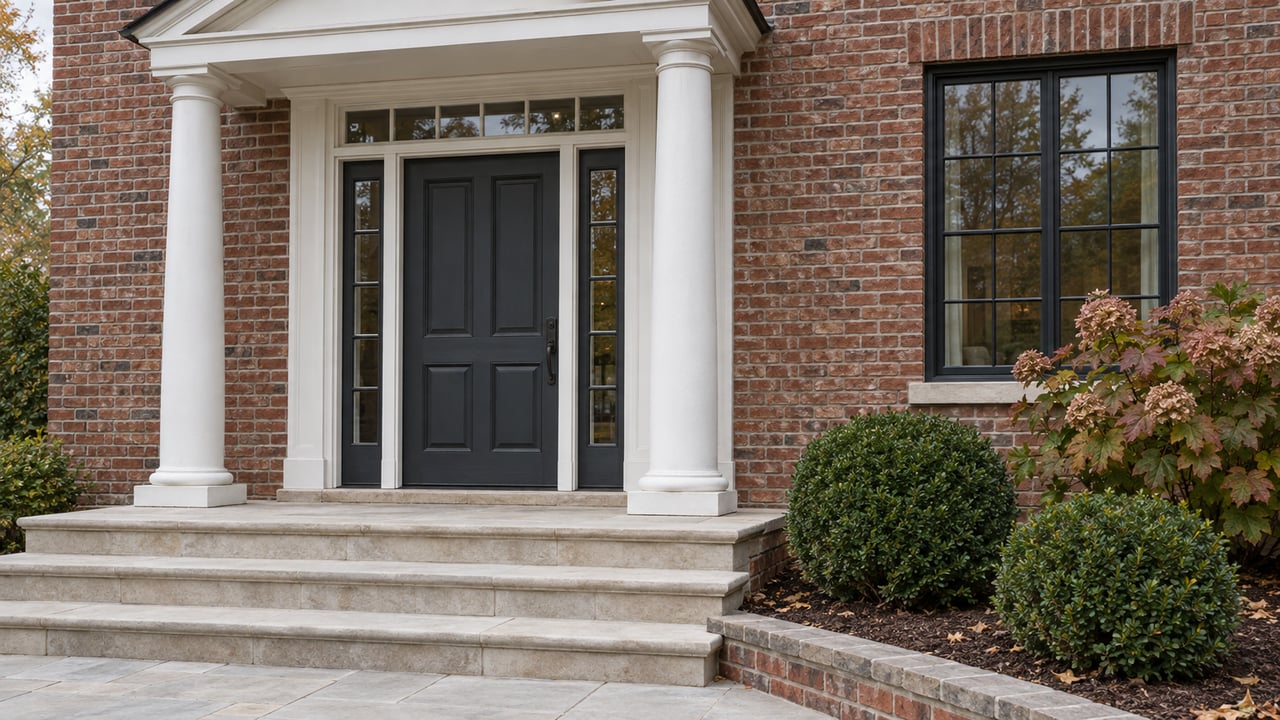
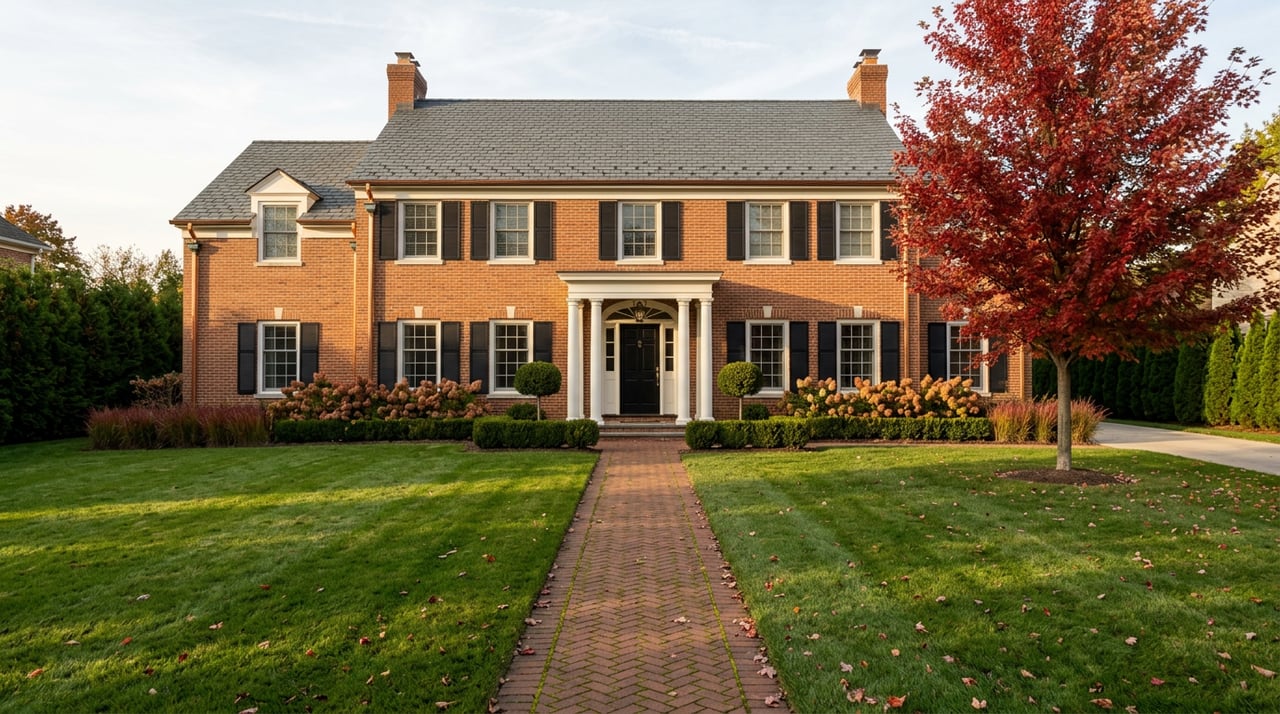
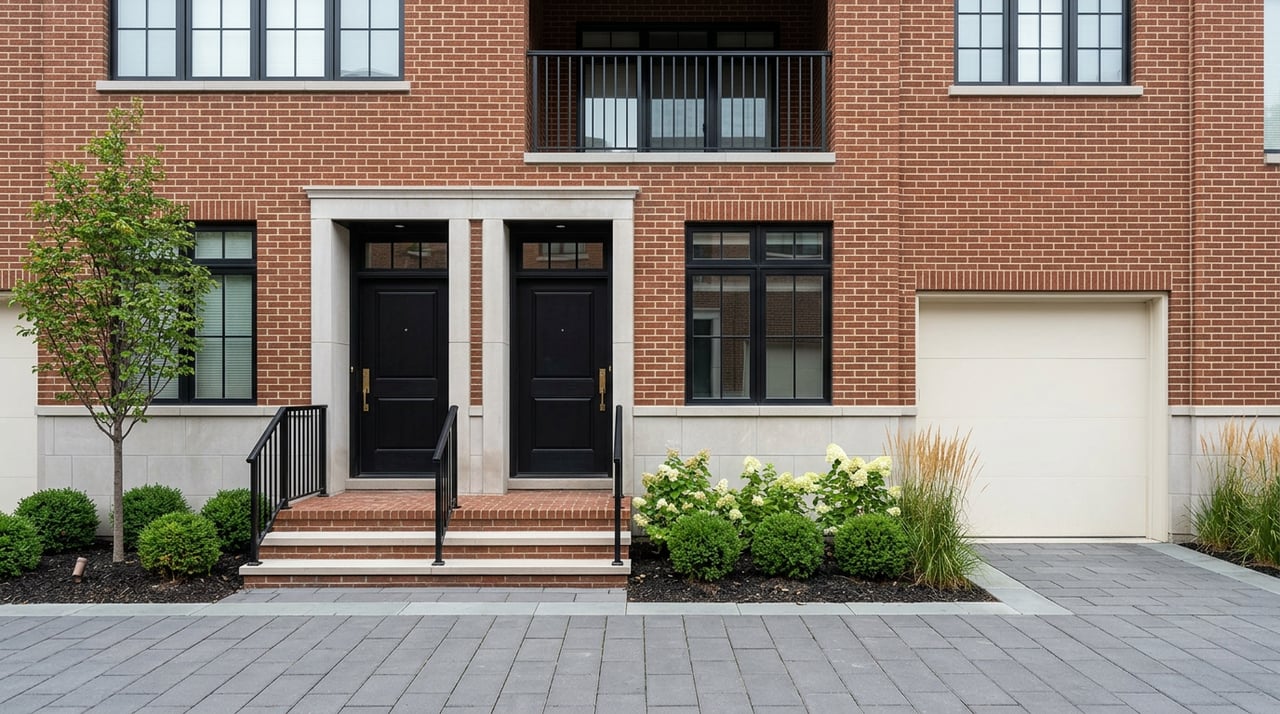
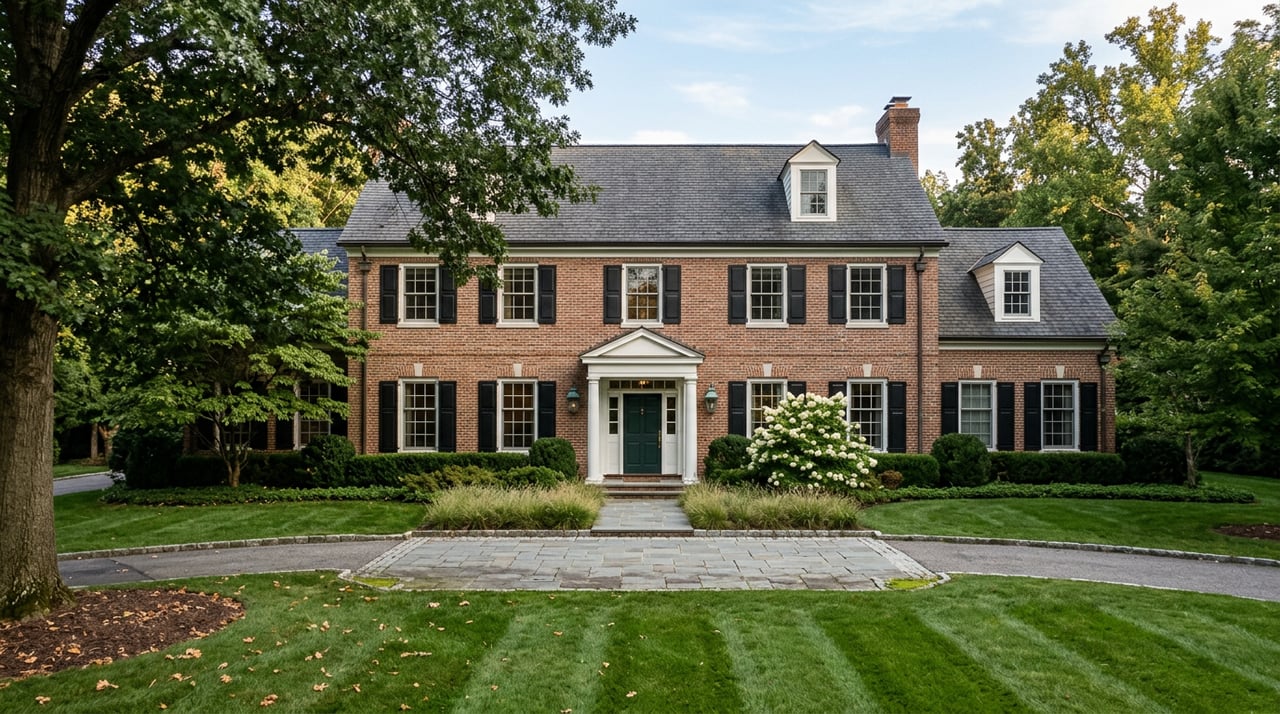
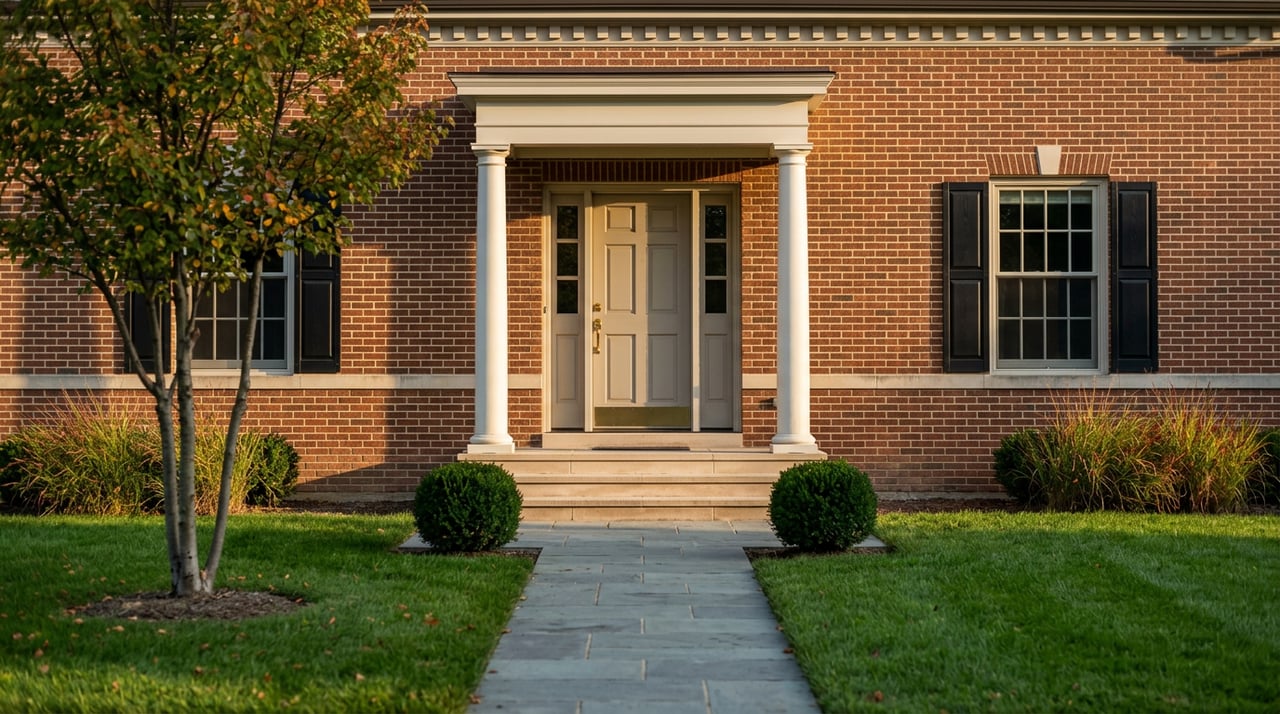
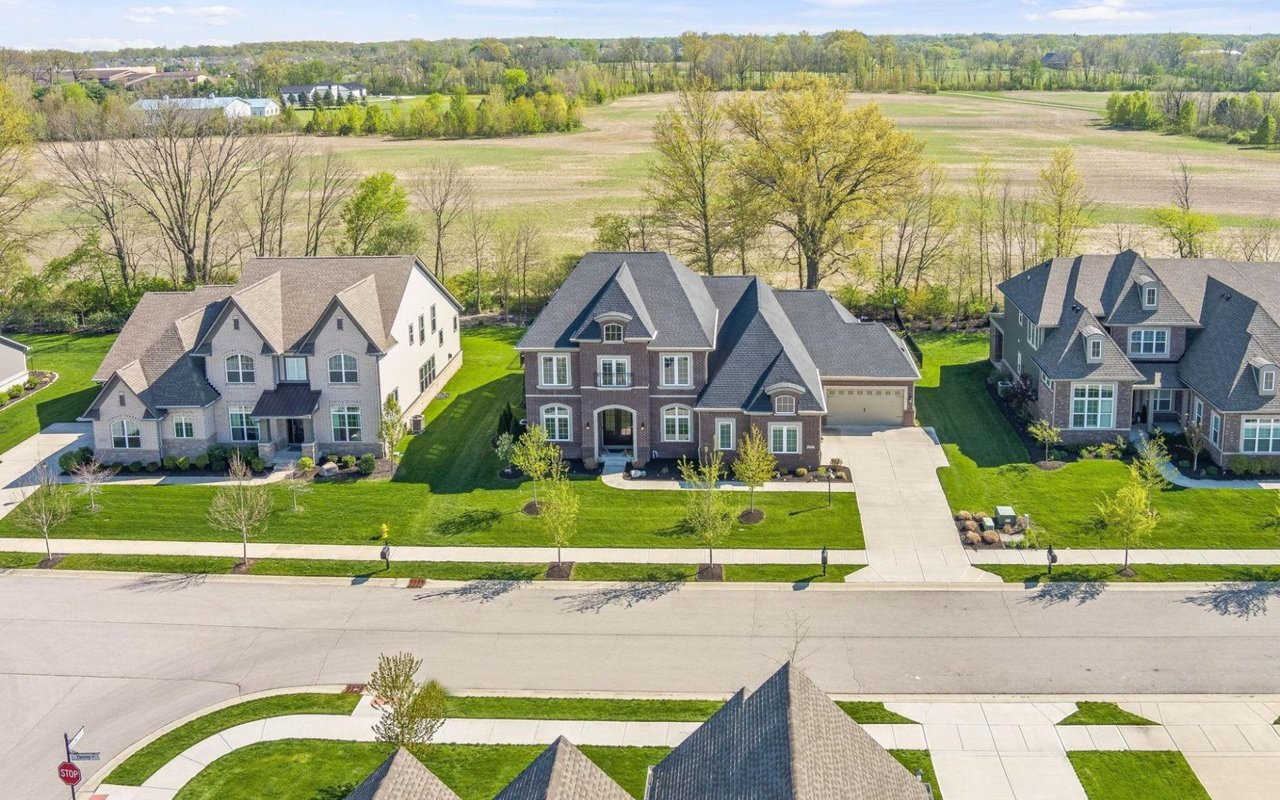
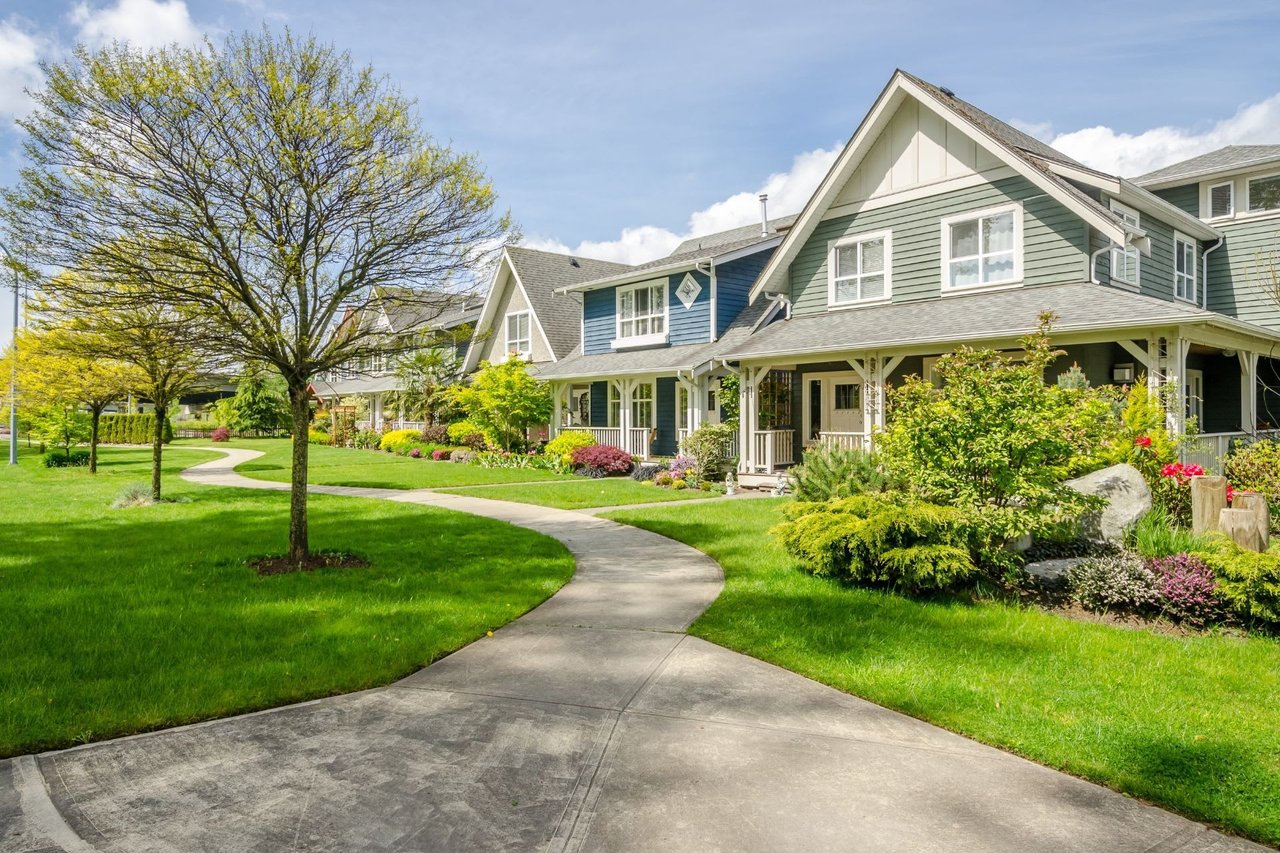
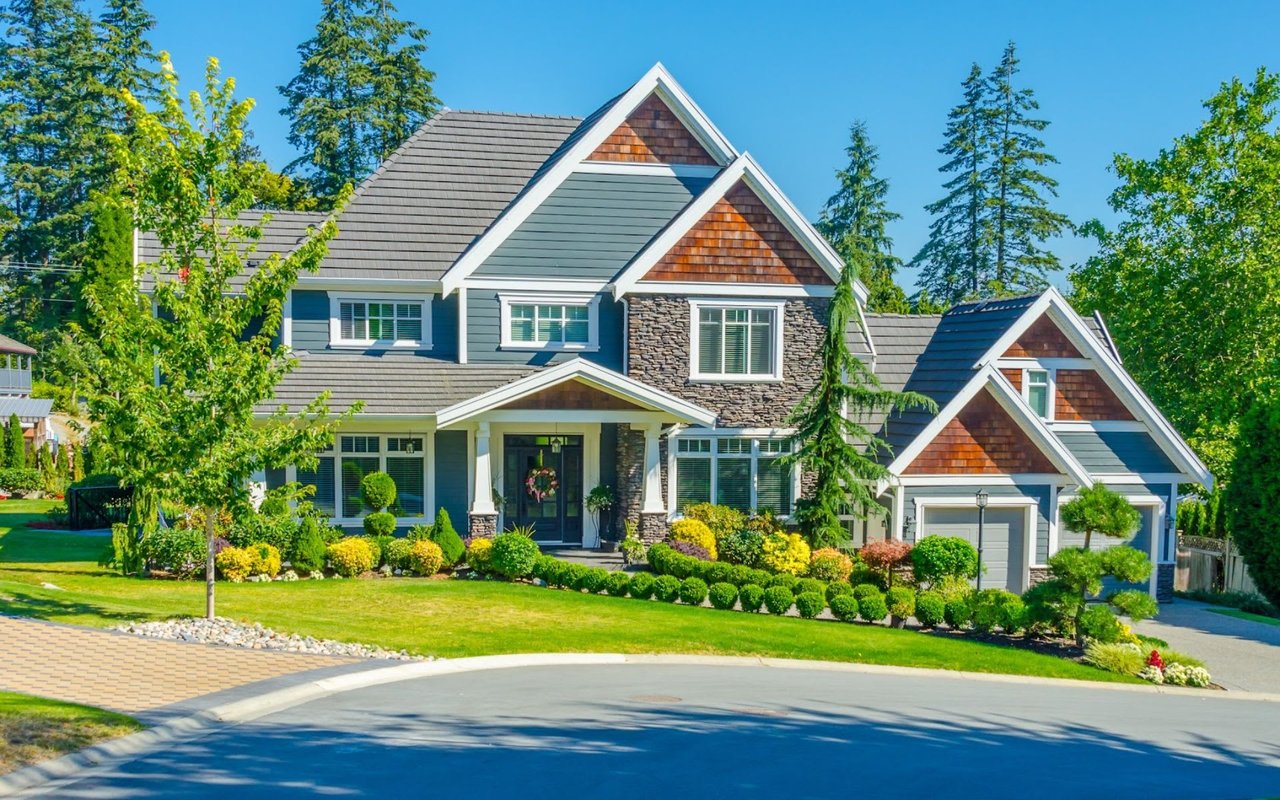
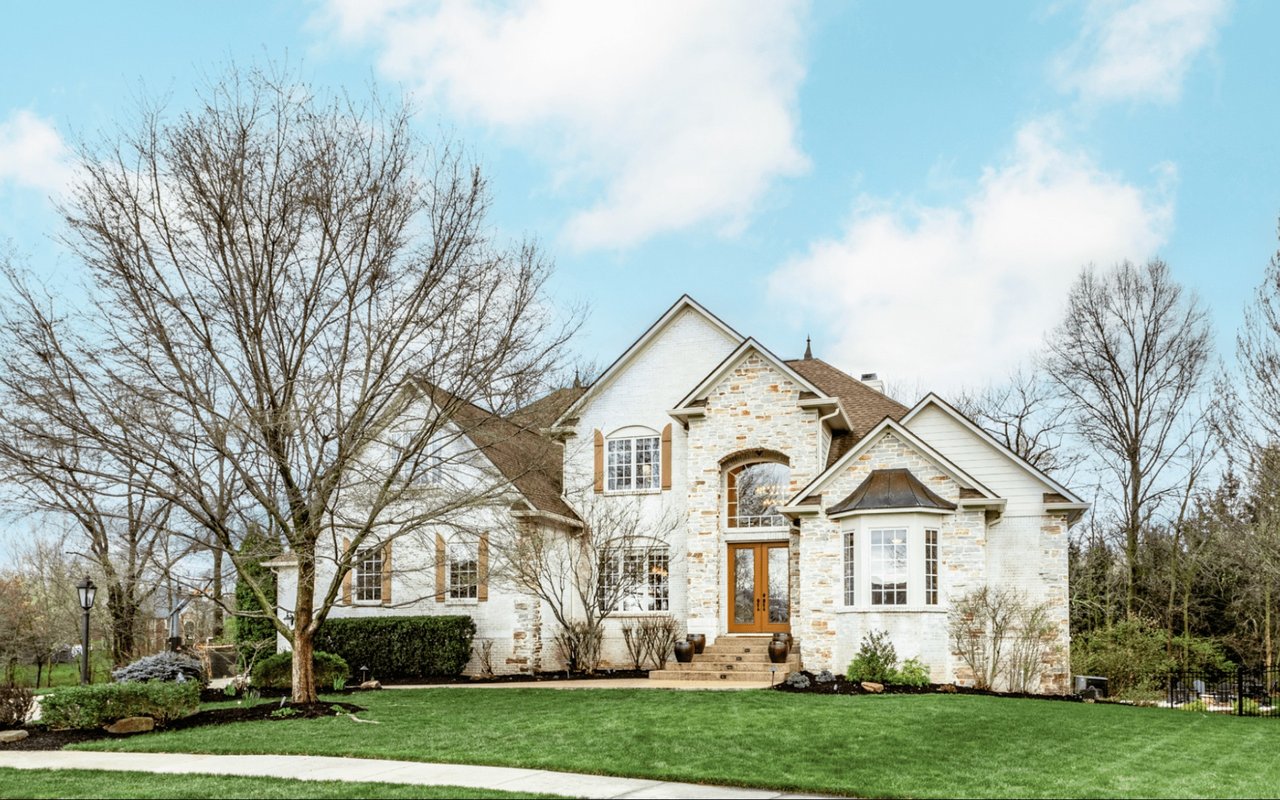
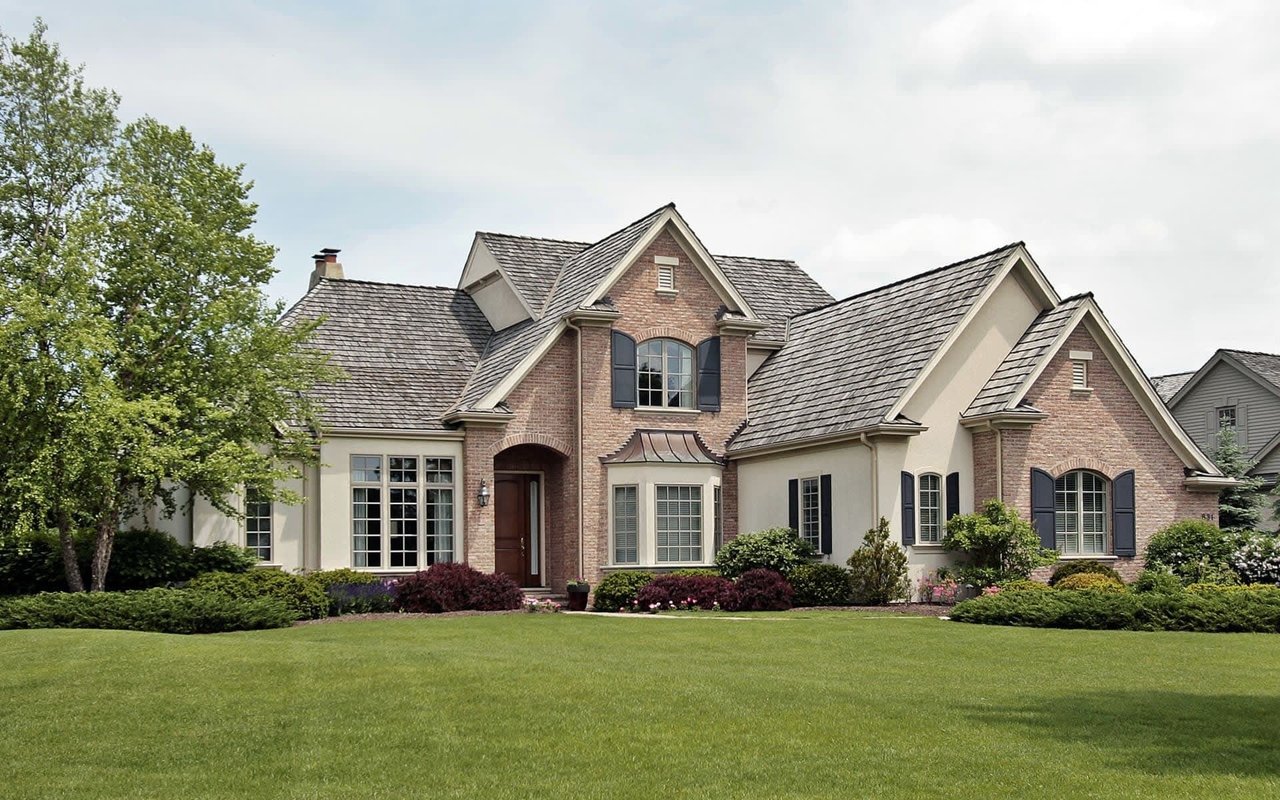
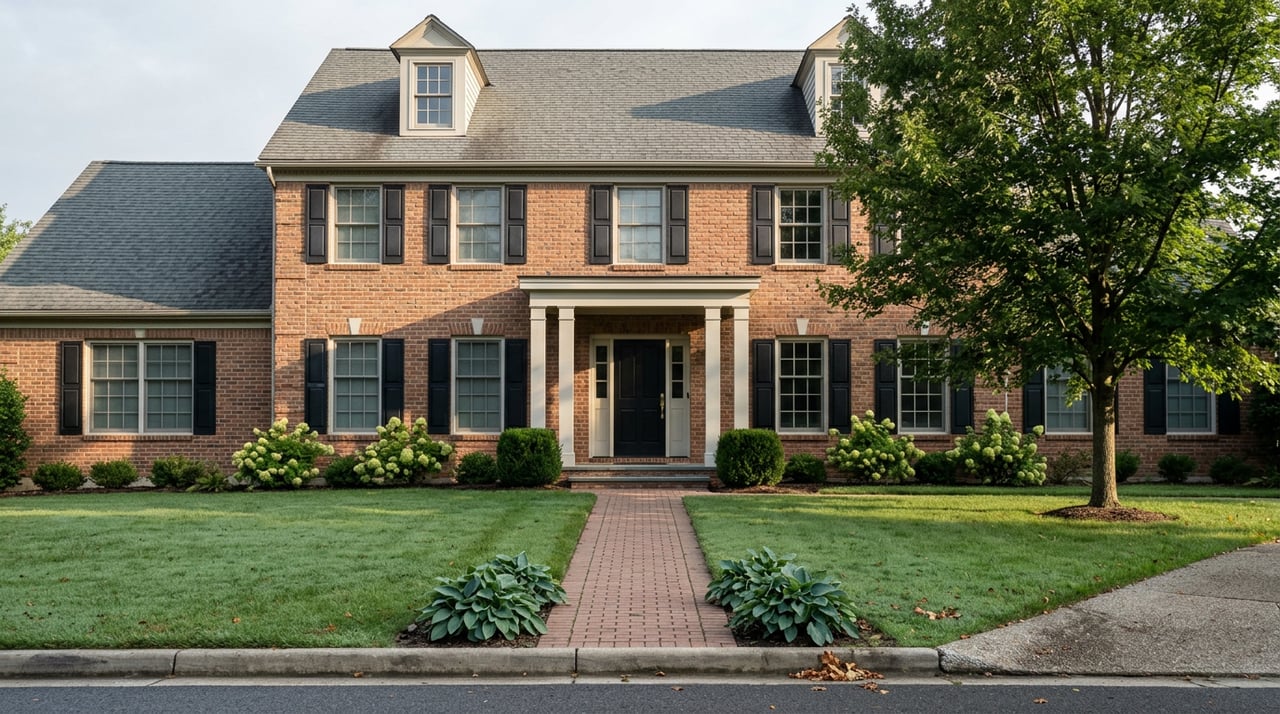
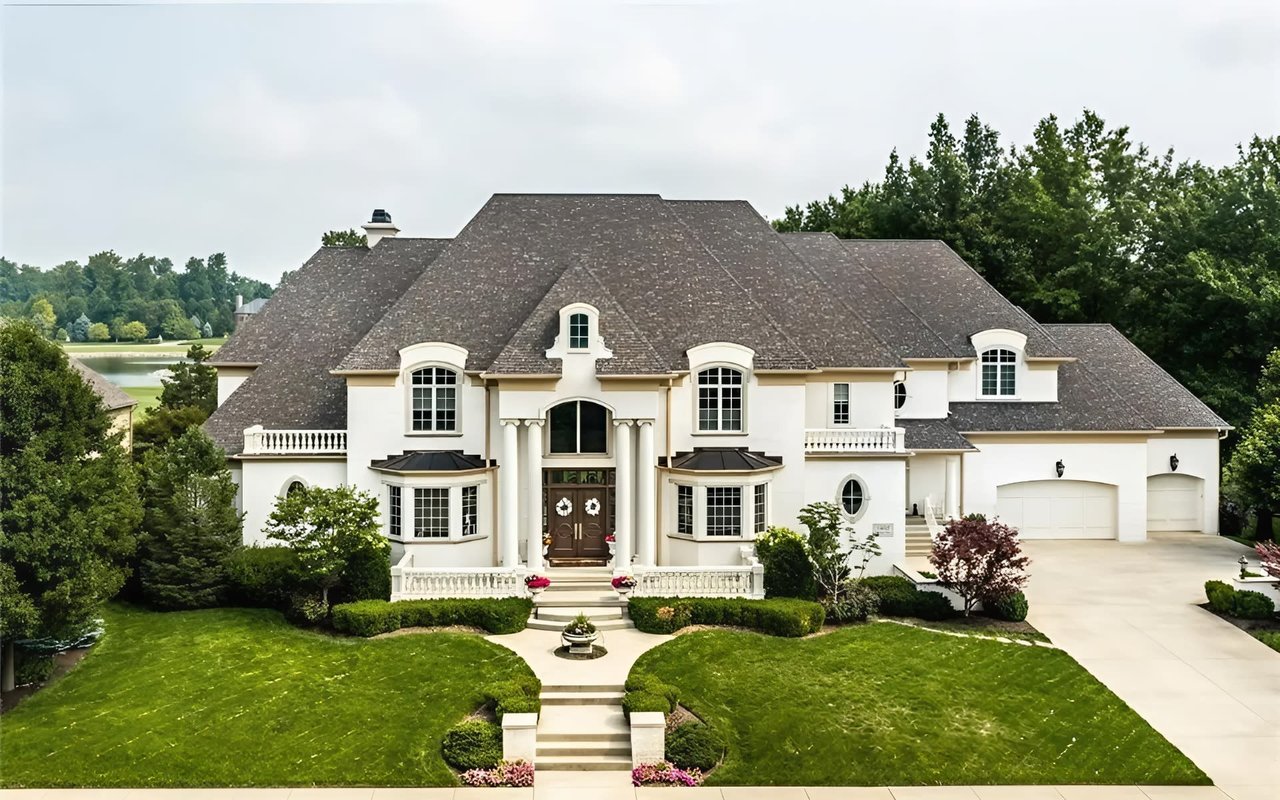
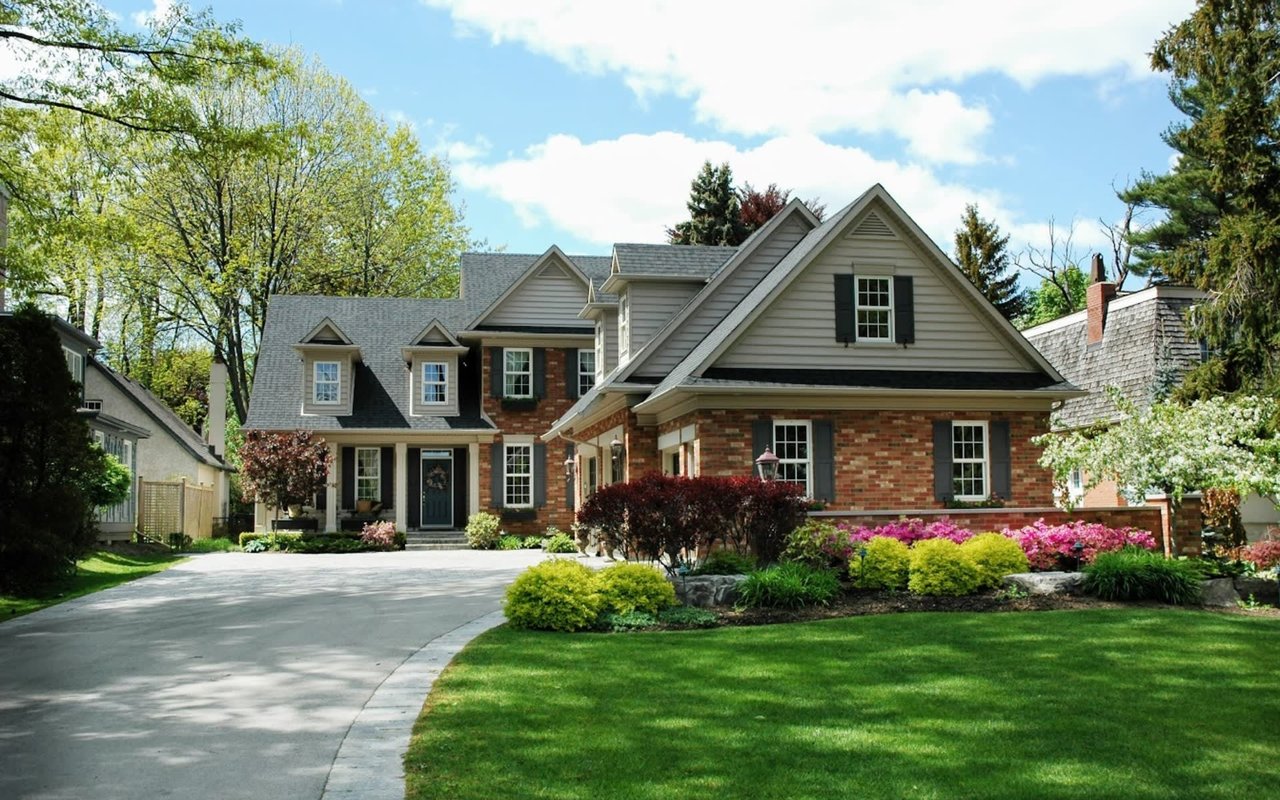
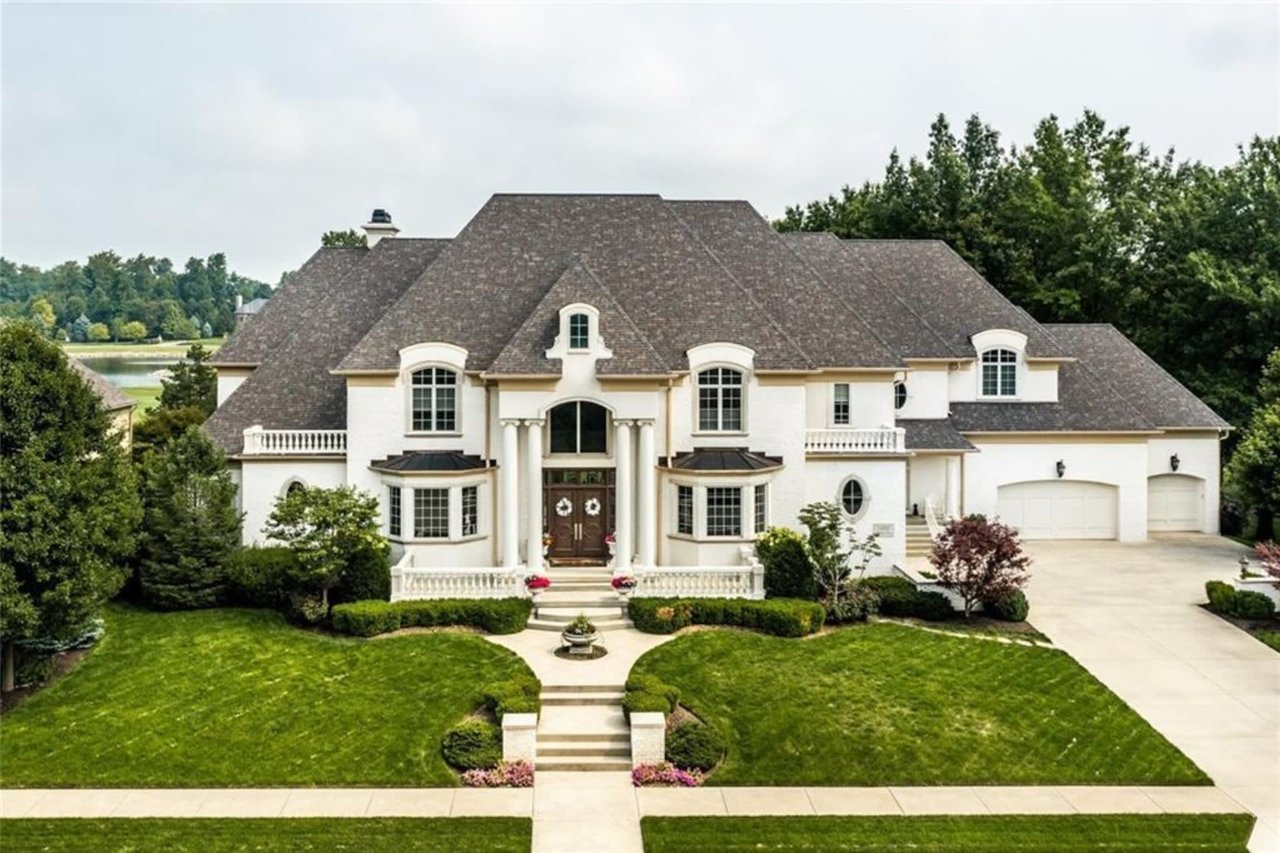
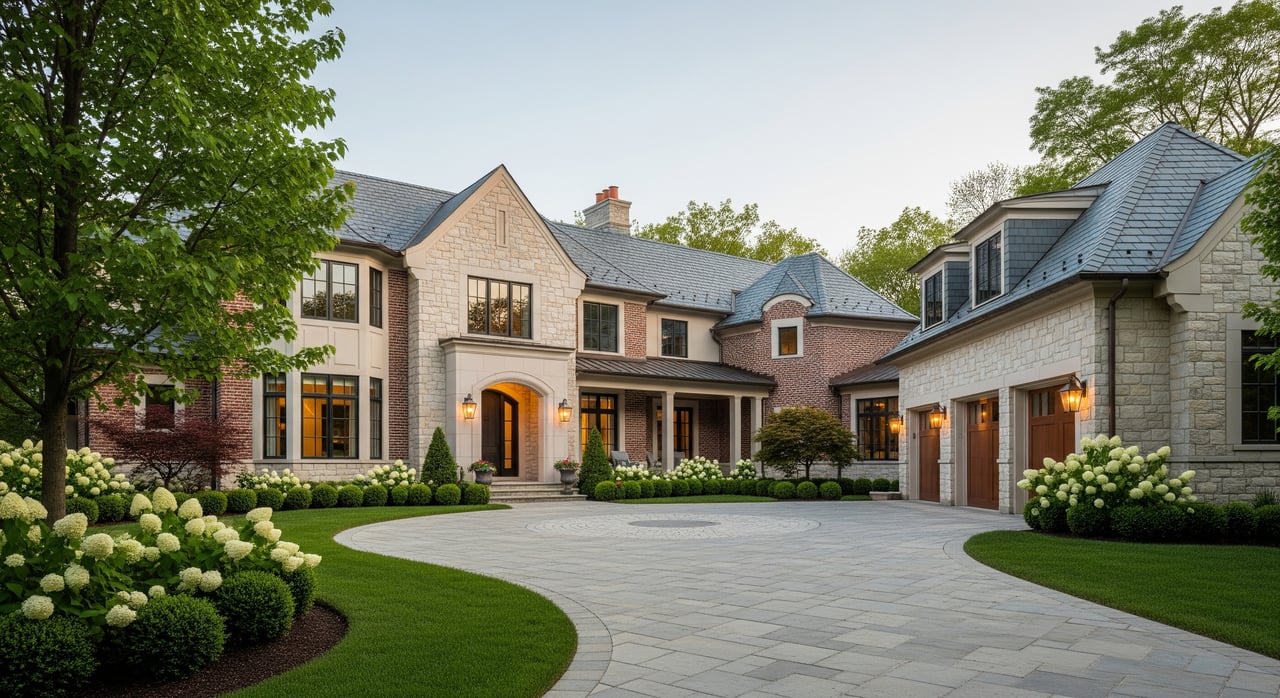
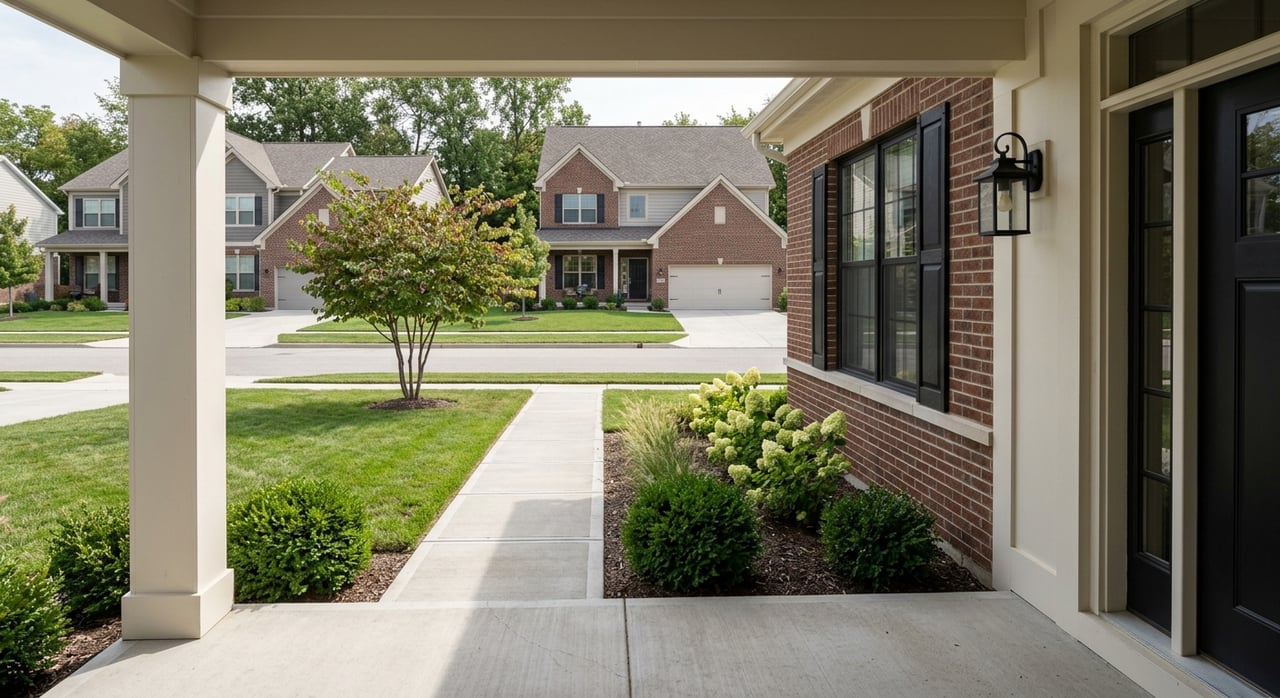
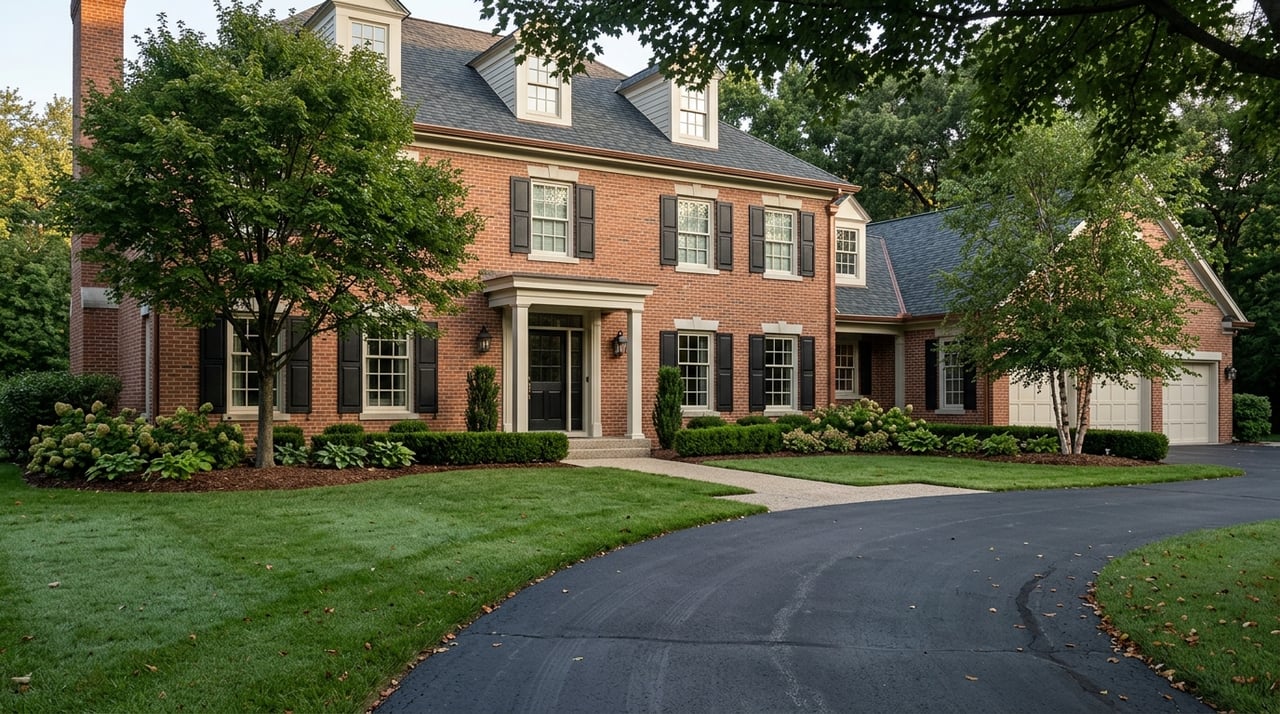
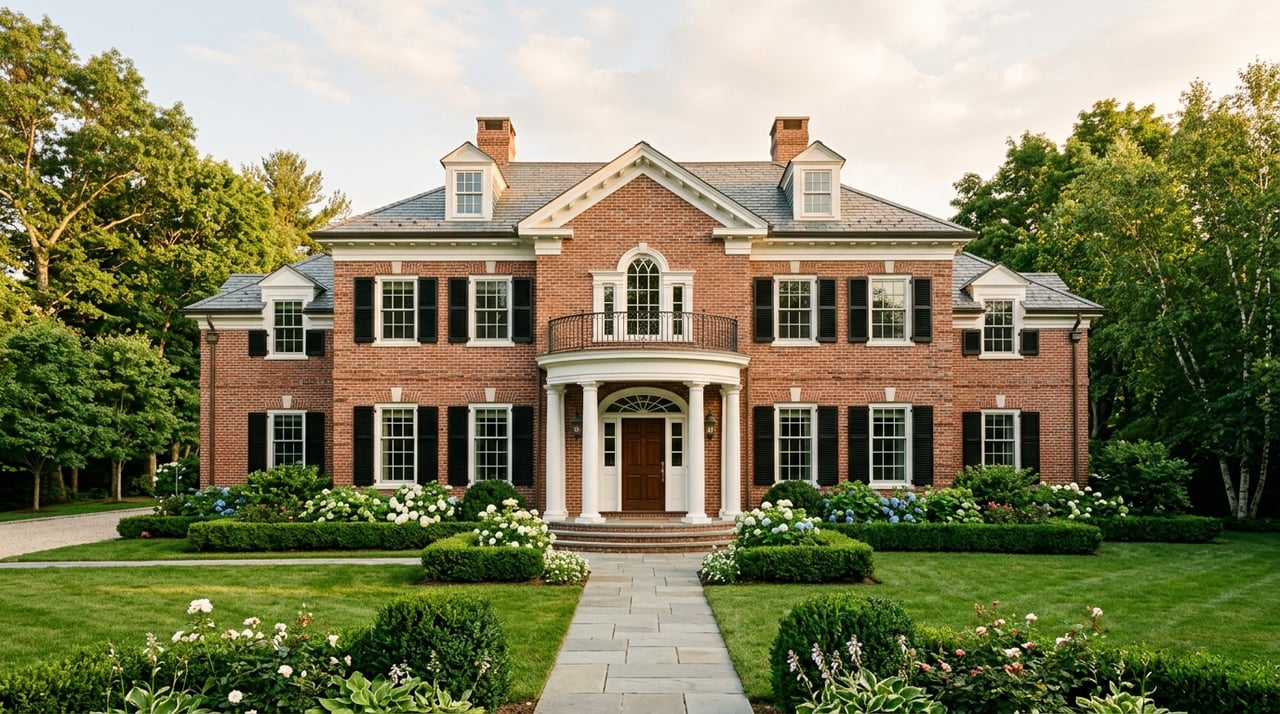
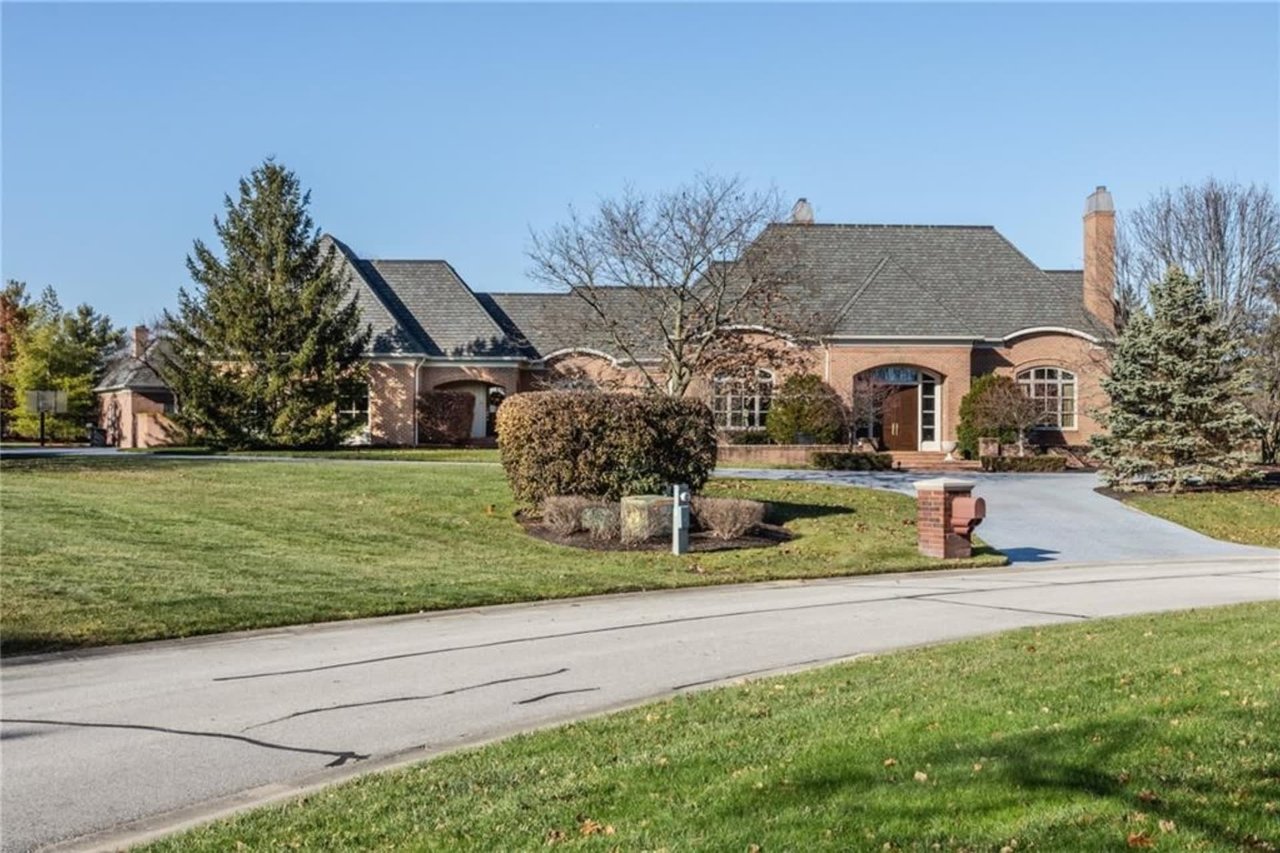
Housing options range from custom single-family and estate lots to gated sections, golf villas, and patio-home or “empty nester” products. Builders have delivered both speculative models and true custom builds across multiple subsections. Public sources reference areas such as Grassy Branch, Club Estates, Bridgewater Pointe, and Long Cove, each with different lot sizes, views, and streetscapes.
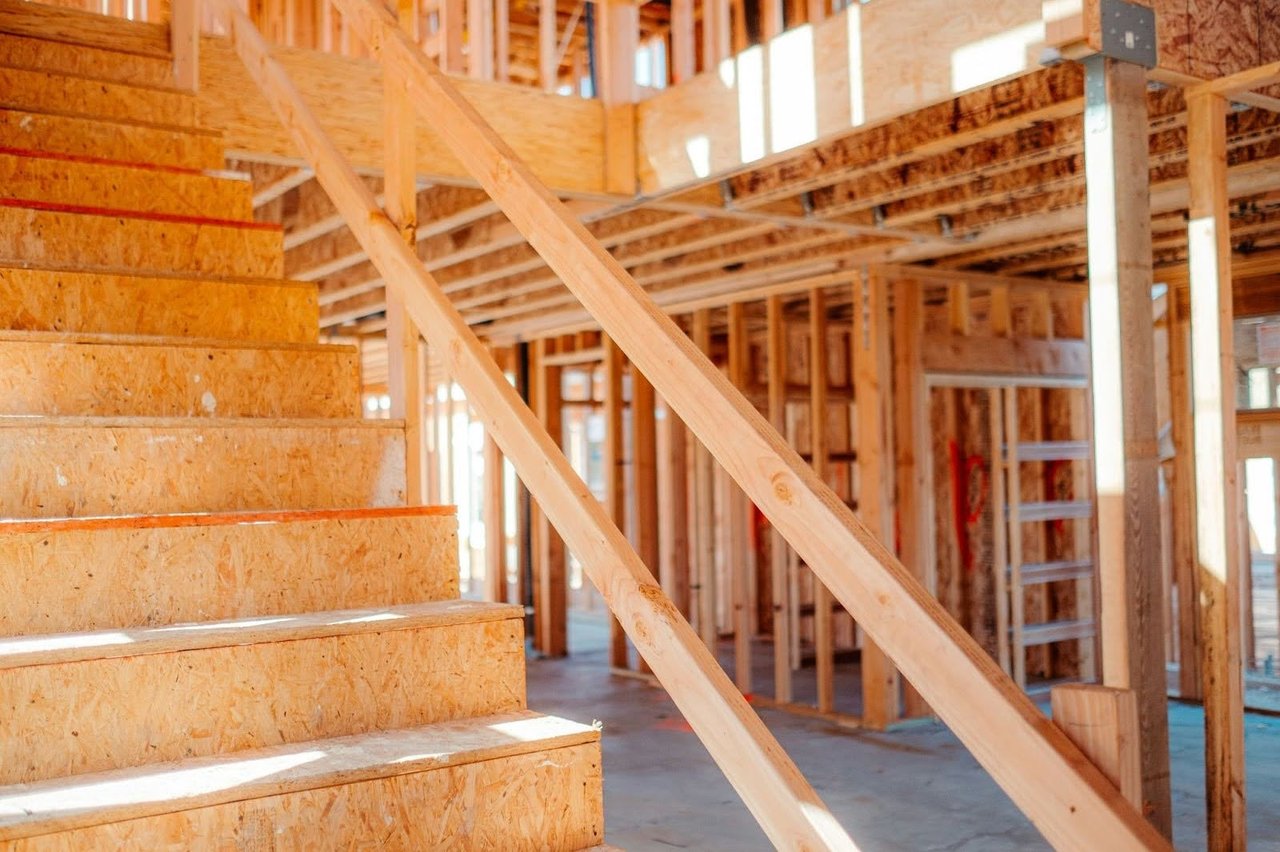
Most of the original build-out and clubhouse development happened in the early to mid-2000s. Since then, infill custom homes and newer gated subsections have added variety. Expect a heterogeneous resale market where price depends on the subsection, year and quality of the build, lot size, and the nature of the view.
Mailing addresses often use the 46033 Carmel ZIP, while many parcels fall within the Westfield‑Washington Schools district. City labels, school boundaries, and tax assignments can differ parcel by parcel, so confirm the exact parcel’s assignment through county records before you write an offer. Hamilton County’s property record portal is a good starting point for assessor, deed, and parcel details.
What drives value here
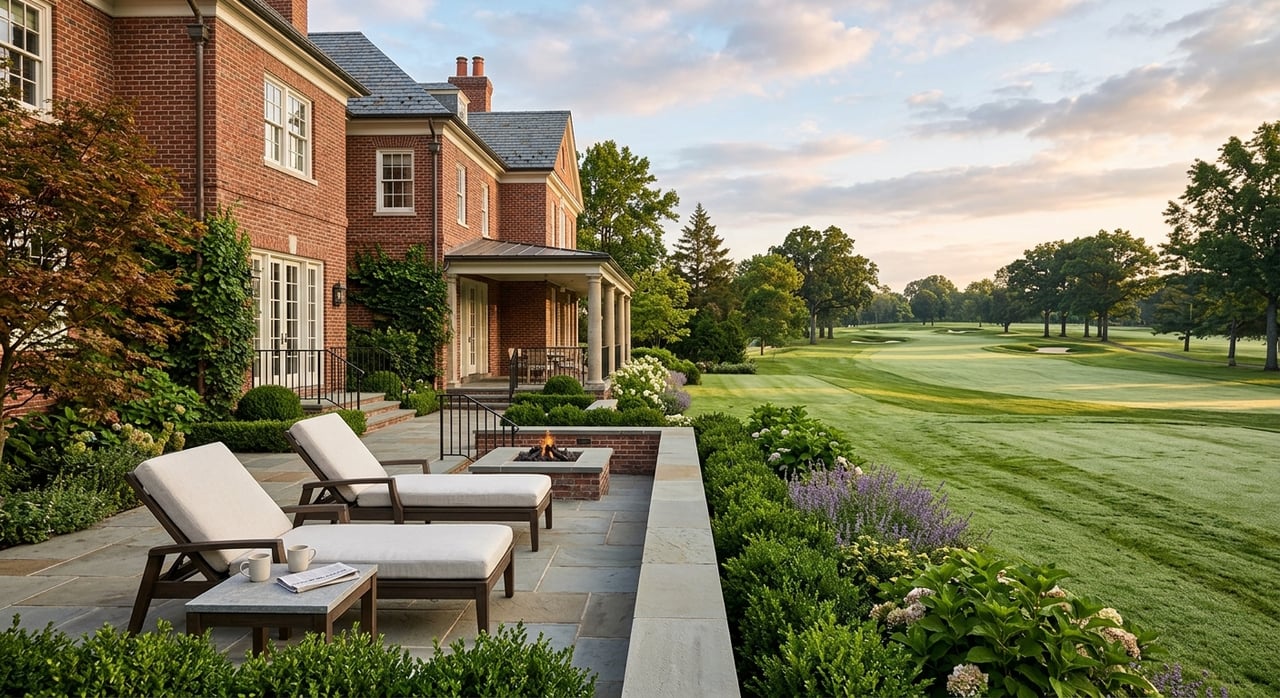
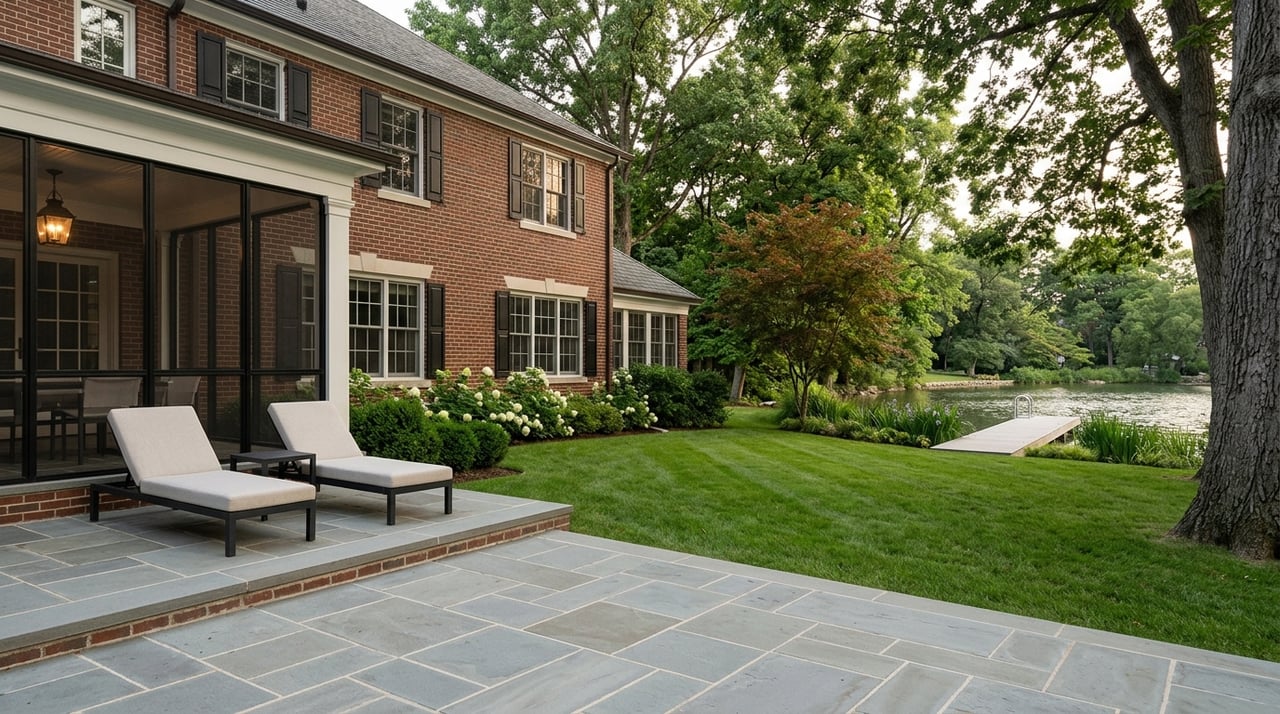
Views: fairway and water
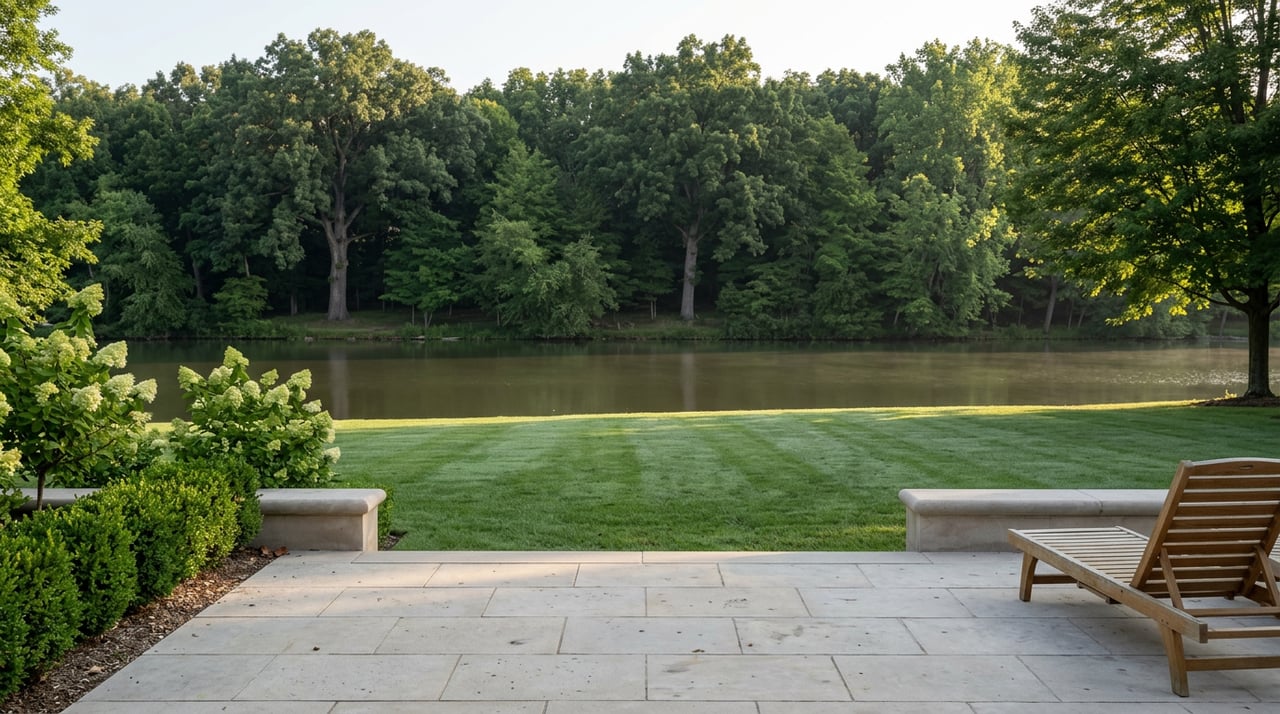
Fairway and lake views create the clearest single-lot premium. Academic work finds a measurable price impact for golf-course frontage or direct view lots, although the size of the premium varies by market and specific view factors. See findings on view-related pricing in this overview of golf-course effects on residential values.
Lot size, elevation, and privacy
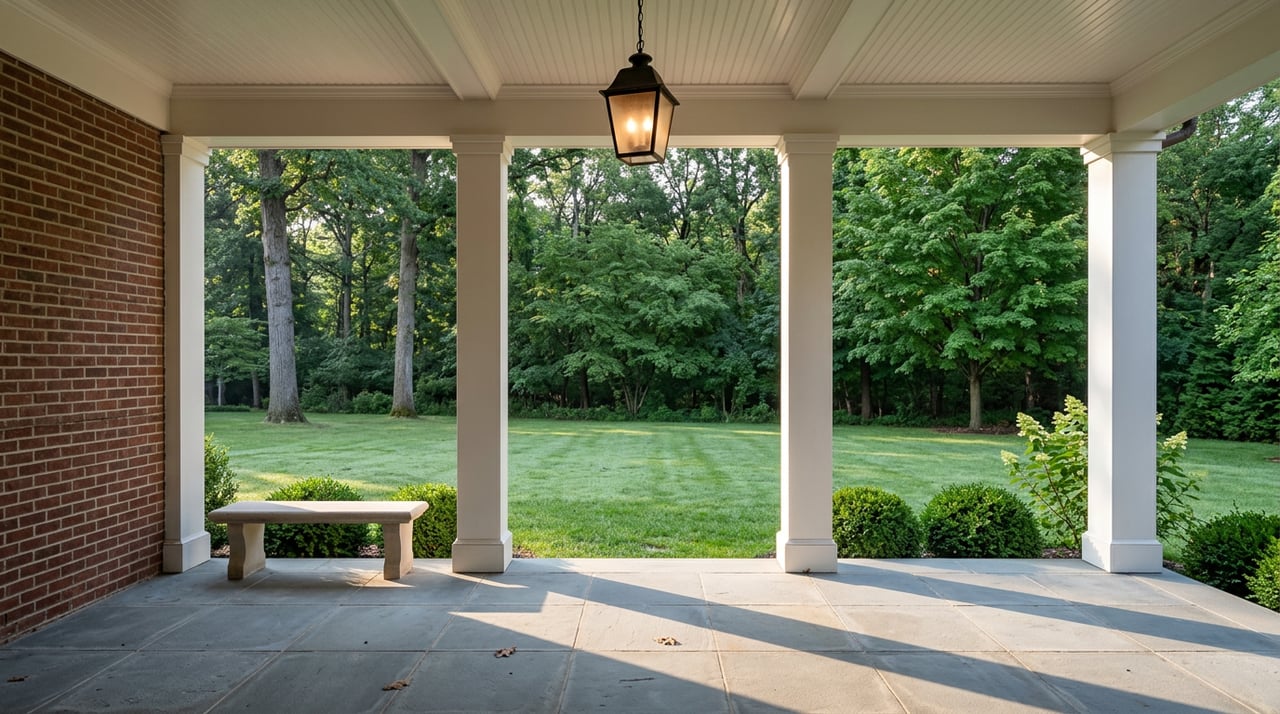
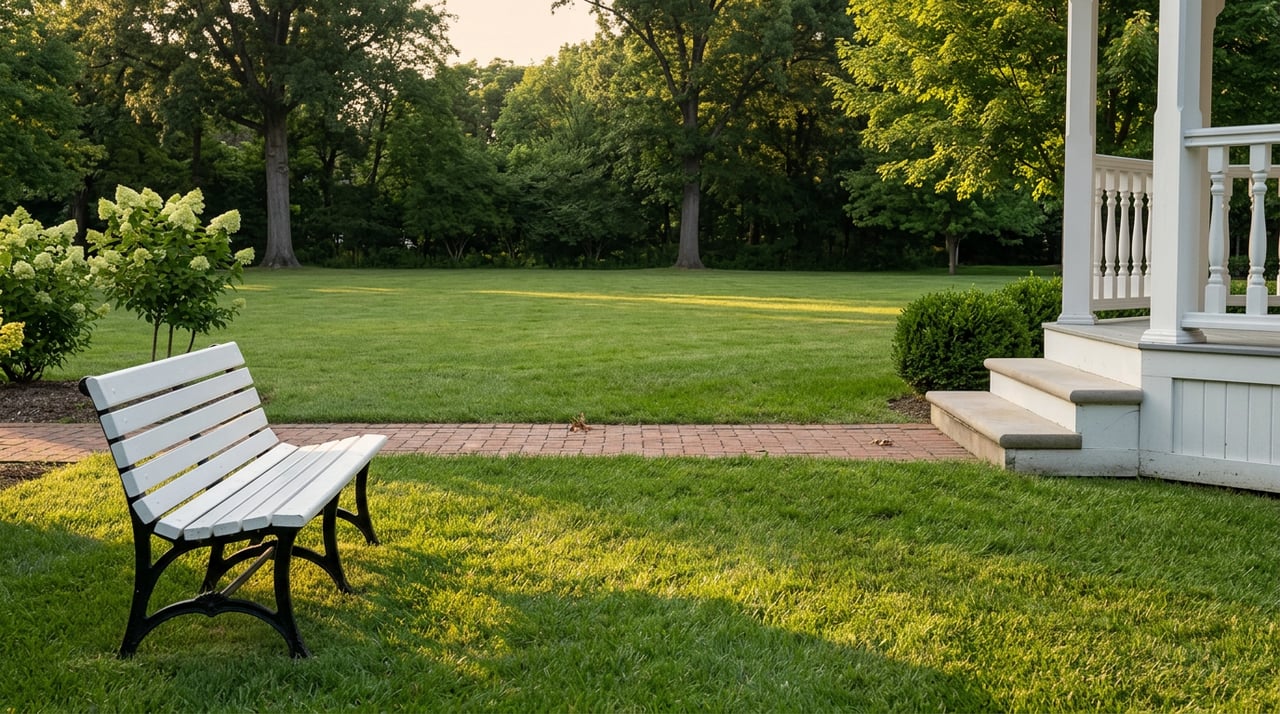
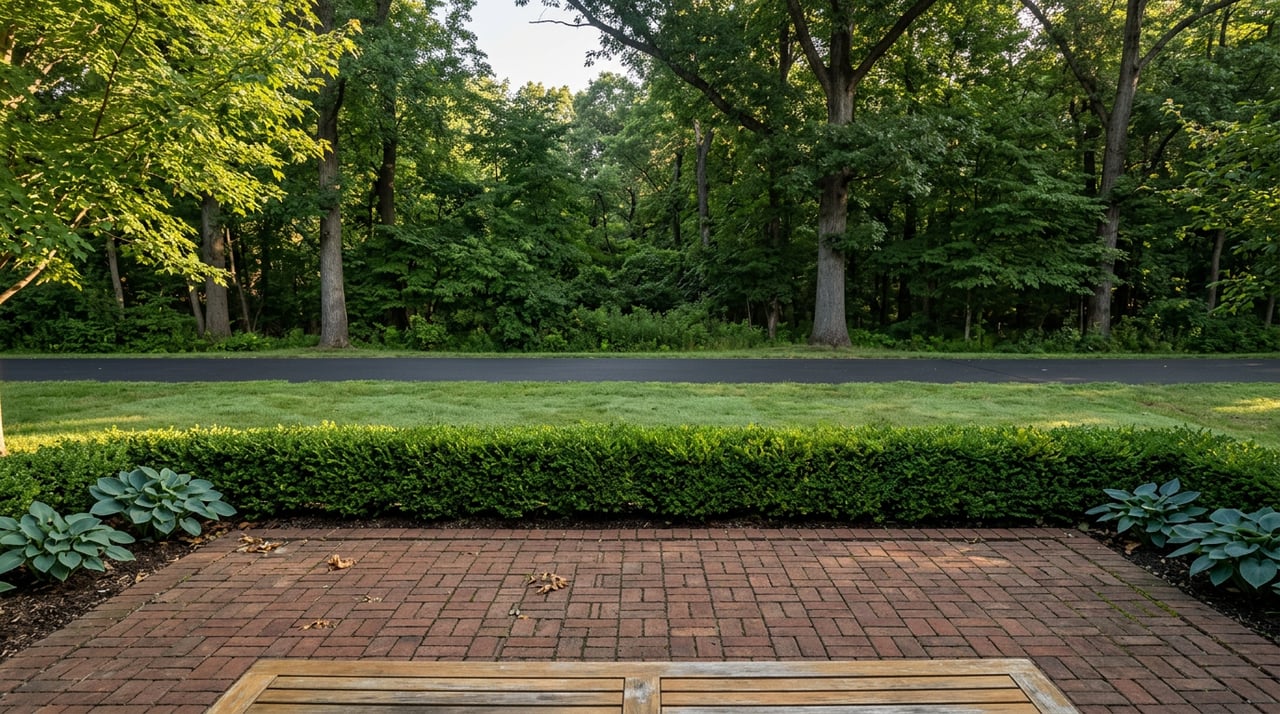
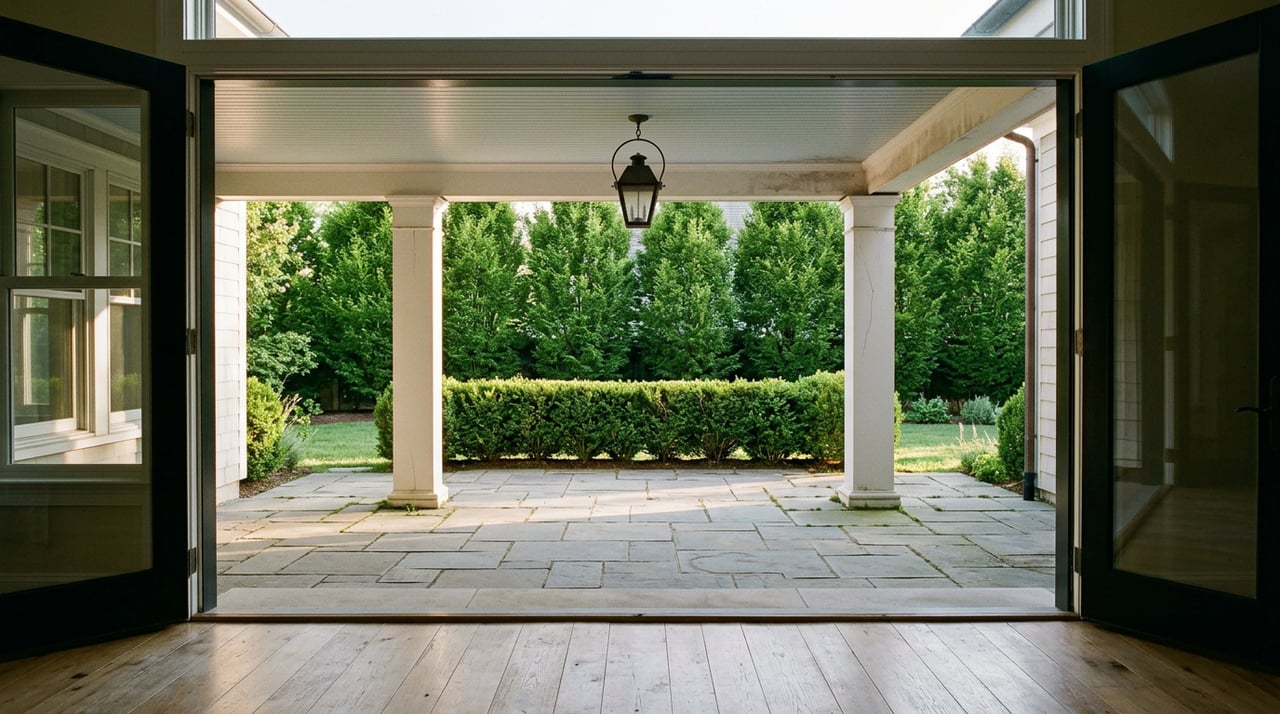
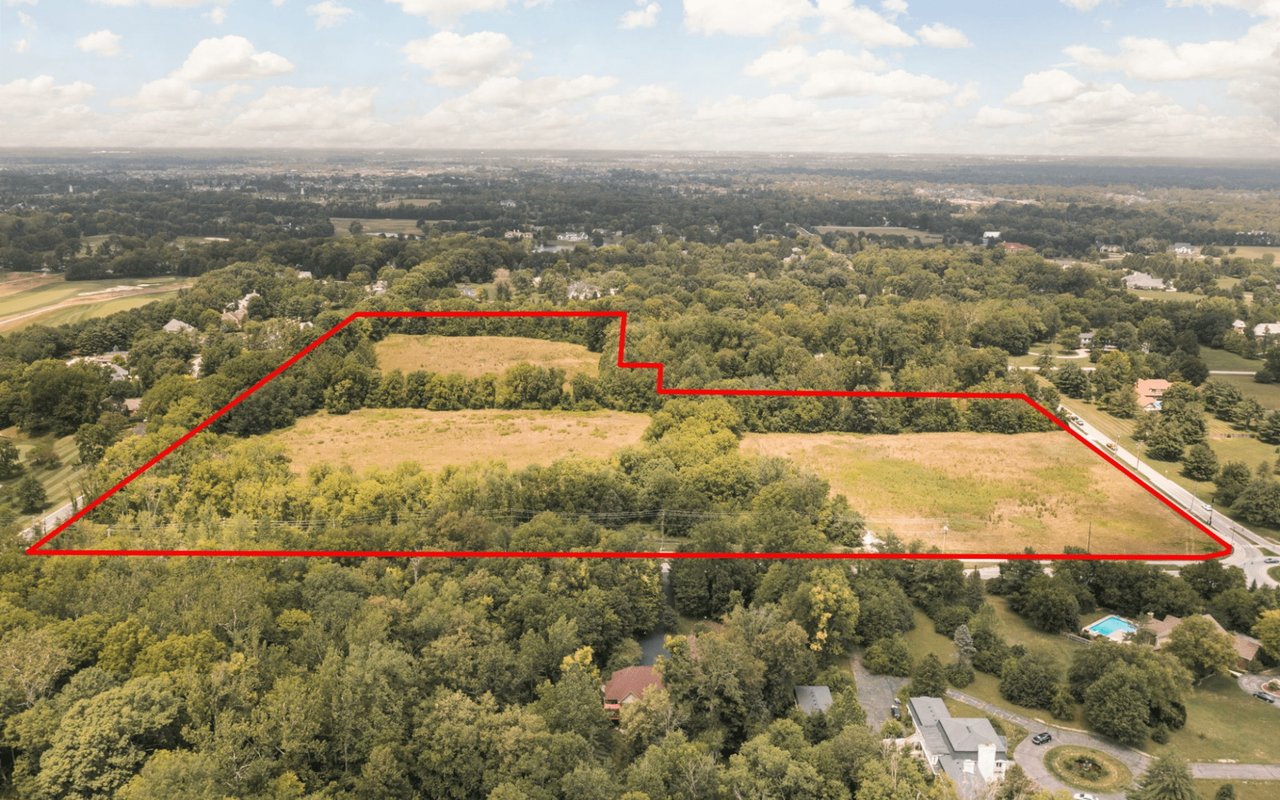
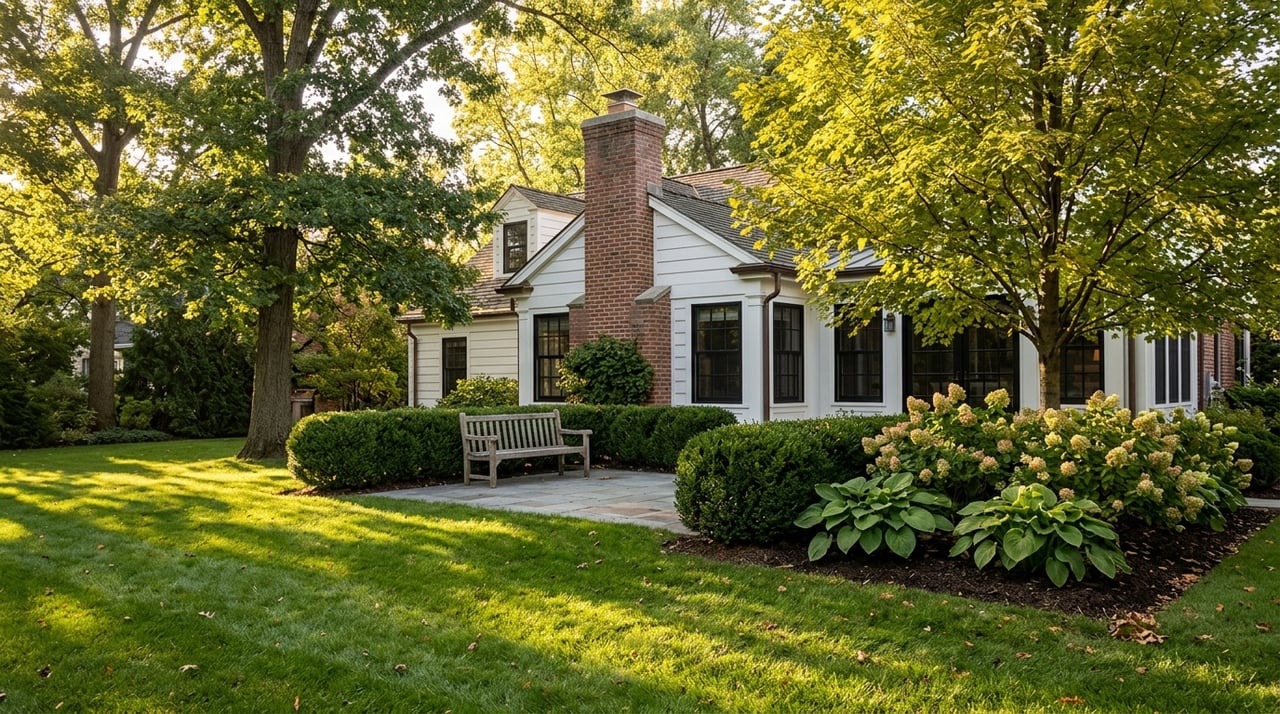
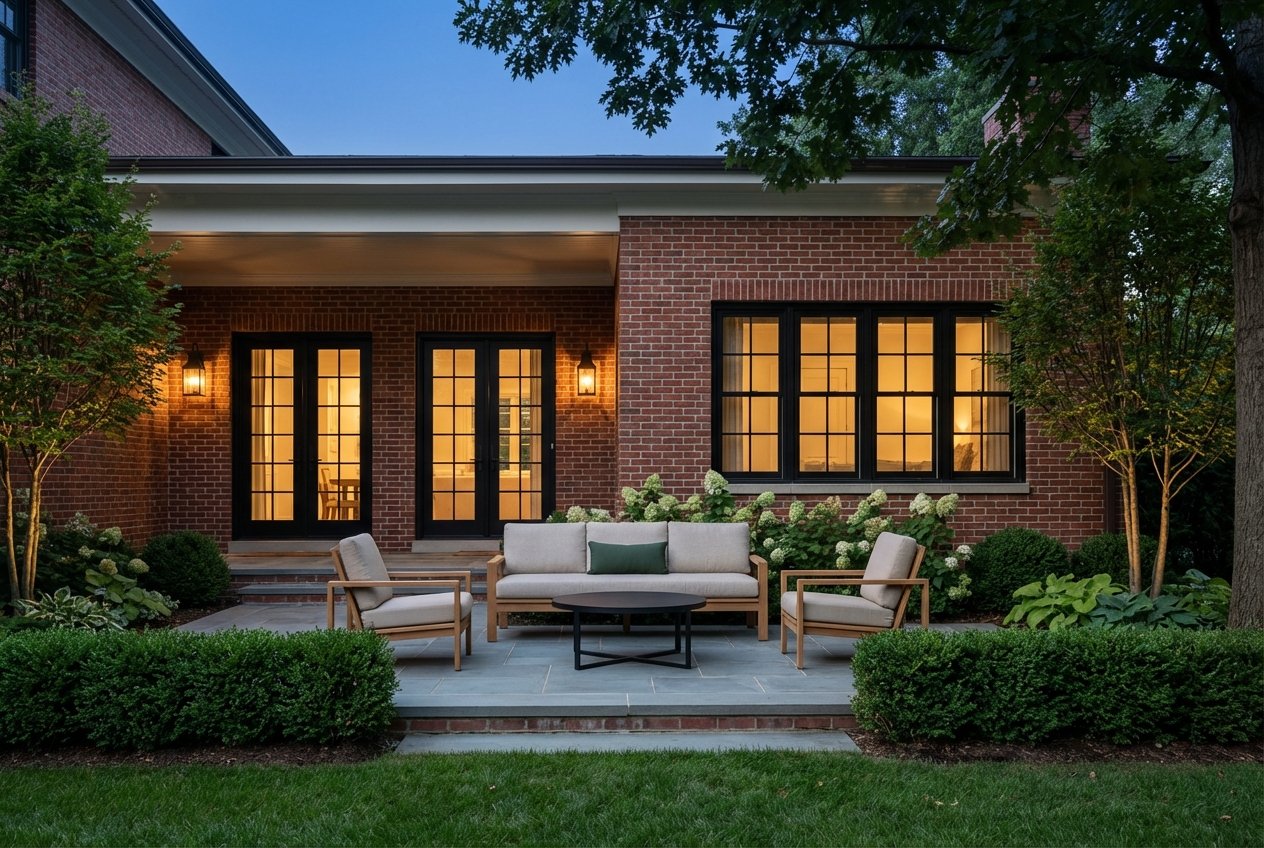
Larger parcels and elevated or tree-buffered lots often command higher prices. Buyers value privacy, stable view corridors, and lower stray-ball risk. When you tour, note how the patio and windows orient to the course, where tree lines sit, and how neighboring homes might change the feel over time.
Proximity to clubhouse and amenities
Walkable distance to the clubhouse, practice range, pools, or racquet courts can increase appeal for social and fitness-forward buyers who use the club frequently. Daily convenience and ease of access tend to show up in both demand and time-to-contract for the right homes.
Membership terms and transferability
Membership is separate from the master association and can be included, optional, or subject to transfer rules. When a property conveys with a specific or appurtenant membership, it can expand the buyer pool. Research on amenity communities shows that deeded memberships can be capitalized into price after accounting for view and lot factors. For a deeper look at how membership structure relates to price behavior, review this published analysis of appurtenant memberships and the club’s current membership packet.
Costs, rules, and risks to watch
The master association manages community standards, common areas, landscaping scope, and architectural review. Review CC&Rs, bylaws, recent meeting minutes, and any reserve studies or special-assessment history through the Bridgewater Club Master Association. These affect carrying costs, exterior changes you can make, and long-term upkeep.
Club dues and fees are separate. Confirm current categories, initiation or transfer terms, and monthly dues directly with the membership office and written materials like the membership packet. This helps you budget and also positions your offer or listing remarks correctly.
There are also risks to understand. Published research on golf communities notes that course closures or significant redesigns can reduce demand and depress interior-lot values over time. If you are a long-hold buyer, ask about the course’s capital plan and maintenance approach. For context on amenity risk, see this peer-reviewed summary of golf-course viability impacts.
Finally, appraisal adjustments for golf views are nuanced. Premiums diminish with distance, and they depend on the quality and breadth of the view, buyer demographics, and whether membership is deeded or optional. Use local comps with similar lot orientation when you evaluate price.
Buyer checklist for Bridgewater Club
Use this due-diligence list to protect your purchase:
- Confirm parcel details. Verify municipal and tax jurisdiction, legal description, and school assignment through county records. Start with Hamilton County property records.
- Review HOA and ARB documents. Request CC&Rs, bylaws, meeting minutes, any reserve study, assessment history, and architectural guidelines from the master association.
- Clarify membership. Ask if a membership is included, deeded, or available for purchase. Get transfer rules in writing from the club’s membership team.
- Evaluate lot orientation and buffers. Identify whether the home faces a fairway, green, lake, or interior street. Note tree lines, berms, and patio exposure. Ask the seller about any golf-ball incidents or claims.
- Budget for fees and utilities. Separate master-association fees from club dues. Request recent tax and utility histories from the seller to fine-tune your monthly budget.
- Pull current comps and days on market. Use the local MLS for central Indiana, such as MIBOR. If you need a primer on coverage, see this MIBOR service overview, then have your agent supply neighborhood-specific reports.
Seller playbook: maximize your result
Bridgewater buyers shop the lifestyle and the lot. Lead with both.
- Spotlight the setting. Capture wide sunset and morning-light images that show fairway or lake views, plus outdoor living zones. Aerials can reveal privacy, elevation, and proximity to the clubhouse.
- Document membership status. If a membership conveys or if there are privileges that can transfer, state that clearly in marketing remarks and provide the written rules early in the process.
- Meet luxury-market expectations. Invest in professional staging, crisp photography, and precise copy that explains lot orientation and lifestyle benefits. Market to the regional buyer pool and to club and golfer networks.
- Show reinvestment. Provide proof of recent club improvements or course maintenance to support the value of golf-front living. For example, the club’s ongoing enhancements have been noted in industry coverage such as this clubhouse feature.
Where to find current numbers and documents
- Local MLS. Ask for a custom MIBOR report tailored to Bridgewater’s subsections and lot types. The MLS captures listing history, status changes, and price trends at the property level.
- County records. Use Hamilton County’s assessor and recorder to verify deeds, parcel maps, transfer history, taxes, and exemptions. Start here: Hamilton County property records.
- Master association and club. Pull governance documents from the Bridgewater Club Master Association and request current membership rules and benefits from the club.
Work with a team that knows Bridgewater
Bridgewater rewards precision. View quality, membership terms, section-level differences, and even patio orientation can move price meaningfully. You deserve guidance from a team that lives Carmel and Hamilton County real estate every day, markets premium inventory at a high level, and understands how to price and present golf-course property.
We Are Carmel Real Estate pairs deep local expertise with concierge service. Our New Construction Division helps you weigh build versus buy. Our private, off-market inventory and relocation resources give you more options. And our polished marketing platform delivers the presentation your property deserves. If you are considering a move in The Bridgewater Club, connect with The CHG to plan your next step.
FAQs
What is the difference between Bridgewater’s HOA and the private club?
- The master association governs the neighborhood’s covenants, common-area upkeep, and architectural review, while the private club manages memberships, amenities, and dues. They are separate obligations.
Do homes in The Bridgewater Club include a club membership?
- It depends. Some sales may include or allow a transfer, while others require a new application and fees. Always verify membership status and transfer terms in writing before you offer.
How do golf-course views impact home value in Bridgewater?
- Research shows golf-frontage and direct views can add a measurable premium, but the amount varies by lot orientation, view quality, and distance from play areas.
Which schools serve homes in The Bridgewater Club area?
- Many parcels use the Carmel 46033 ZIP while school assignments often fall to Westfield‑Washington Schools. Confirm each home’s exact assignment through county and district records.
What costs should I budget for beyond the mortgage?
- Plan for master-association dues, potential club initiation and monthly dues if you join or transfer membership, property taxes, utilities, and routine exterior maintenance per HOA rules.
Is stray-golf-ball risk a concern and how is it managed?
- Risk varies by lot orientation and buffers. Evaluate tree lines and berms during showings, ask about any past incidents or insurance claims, and consider how patios and windows face active play areas.