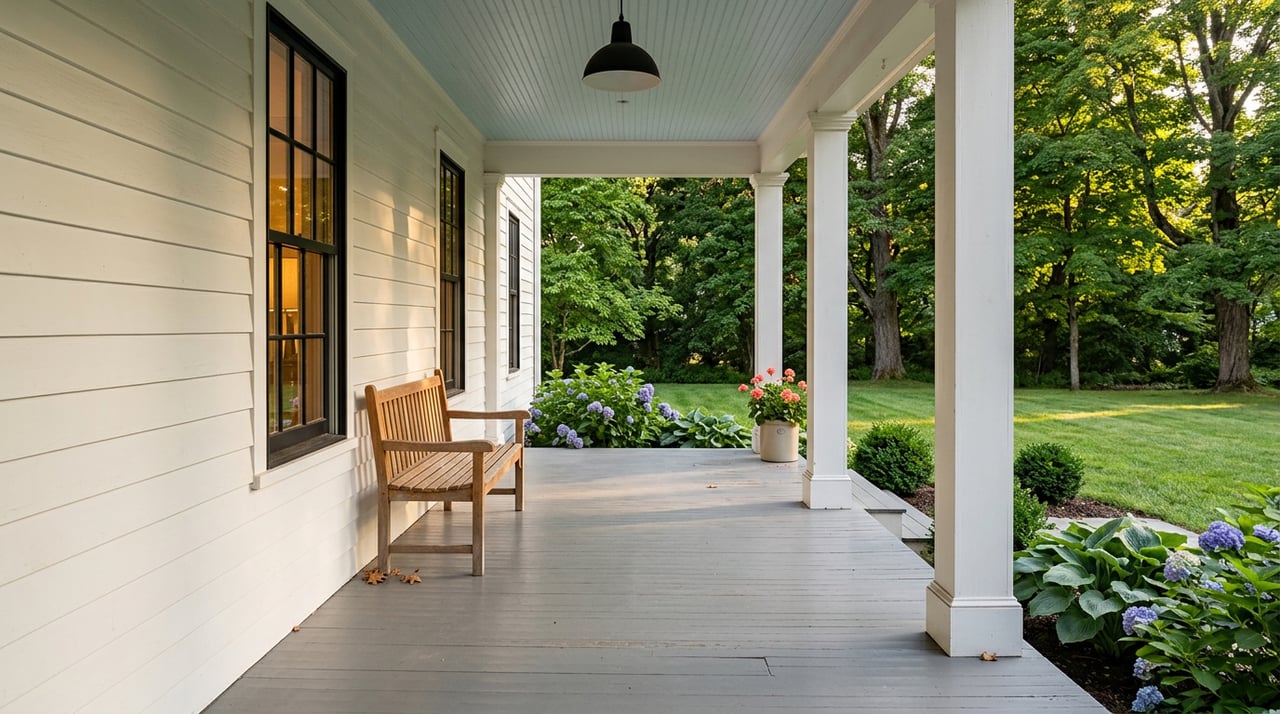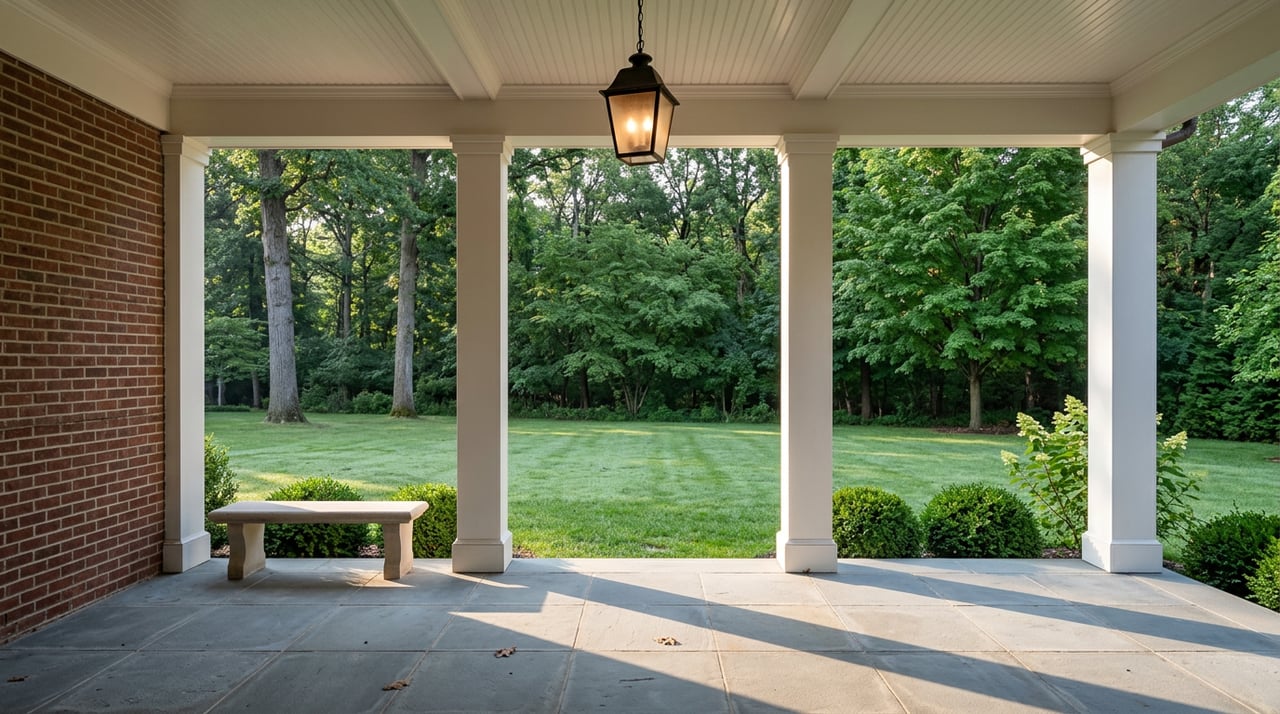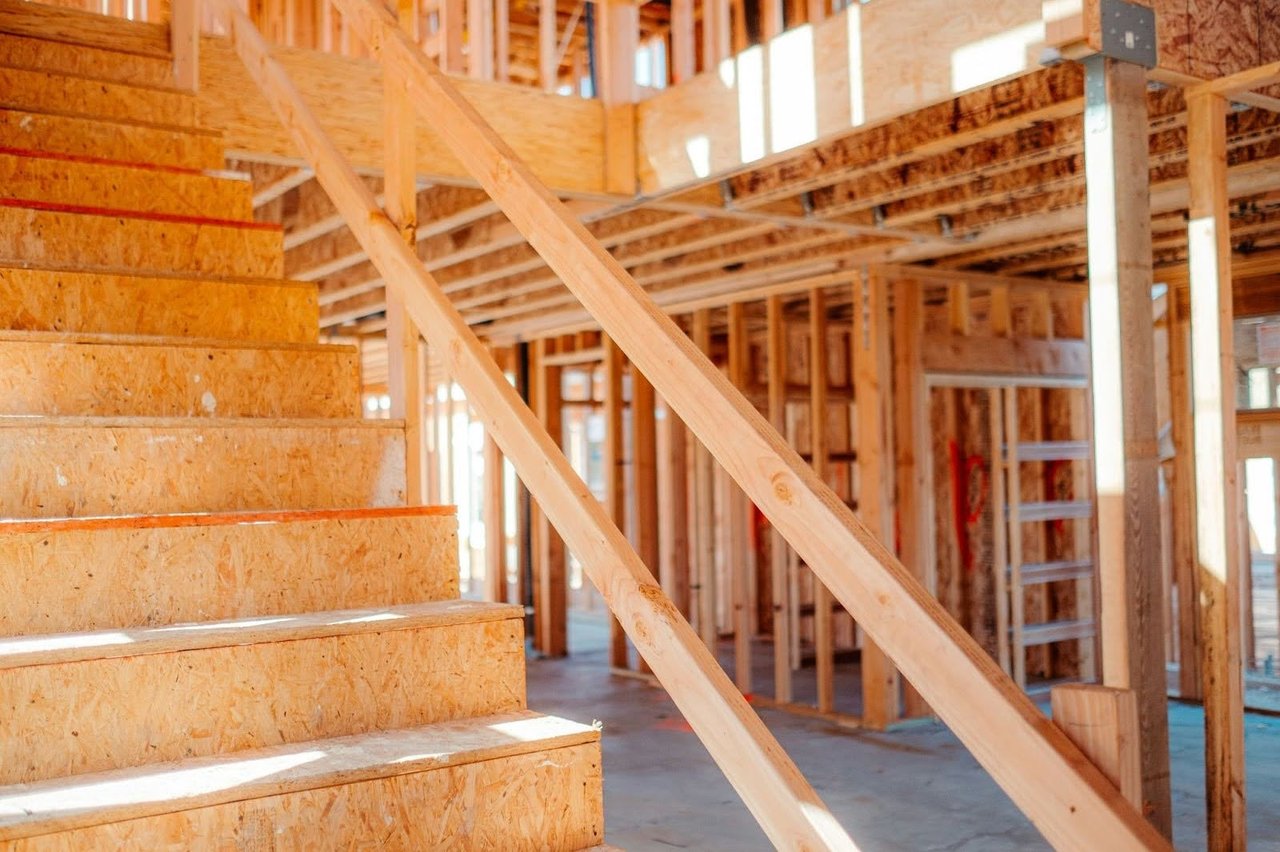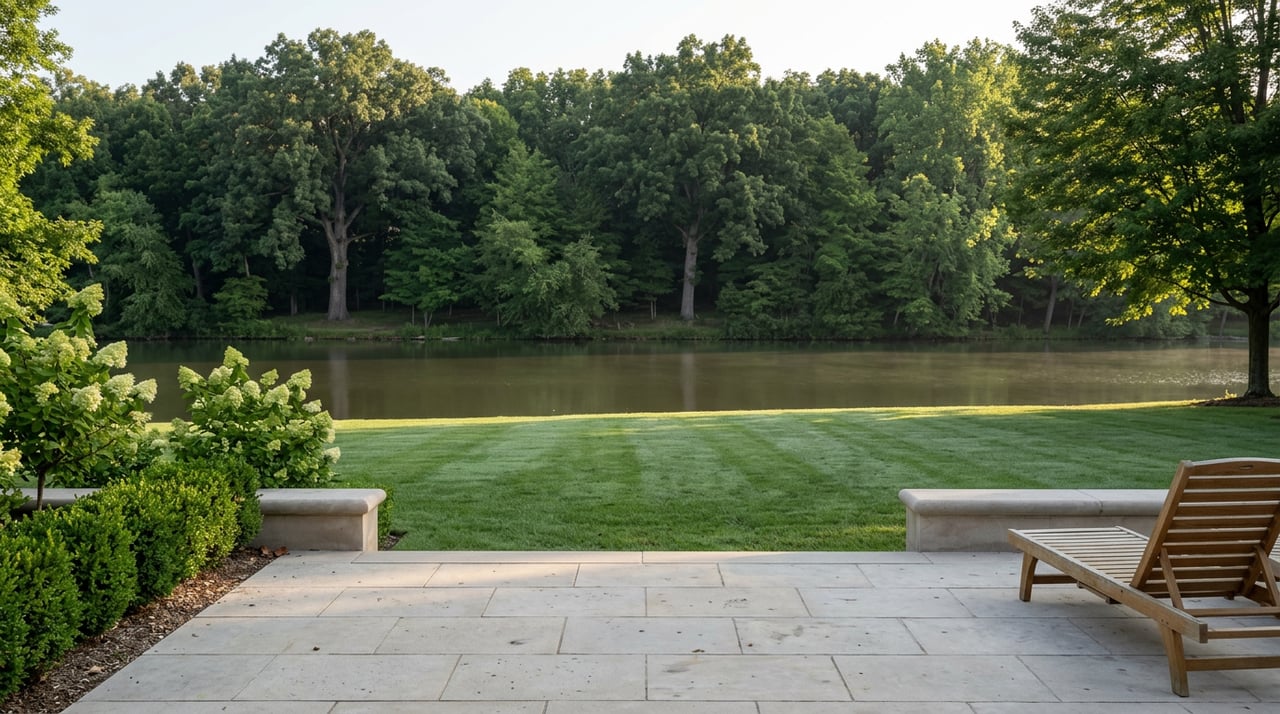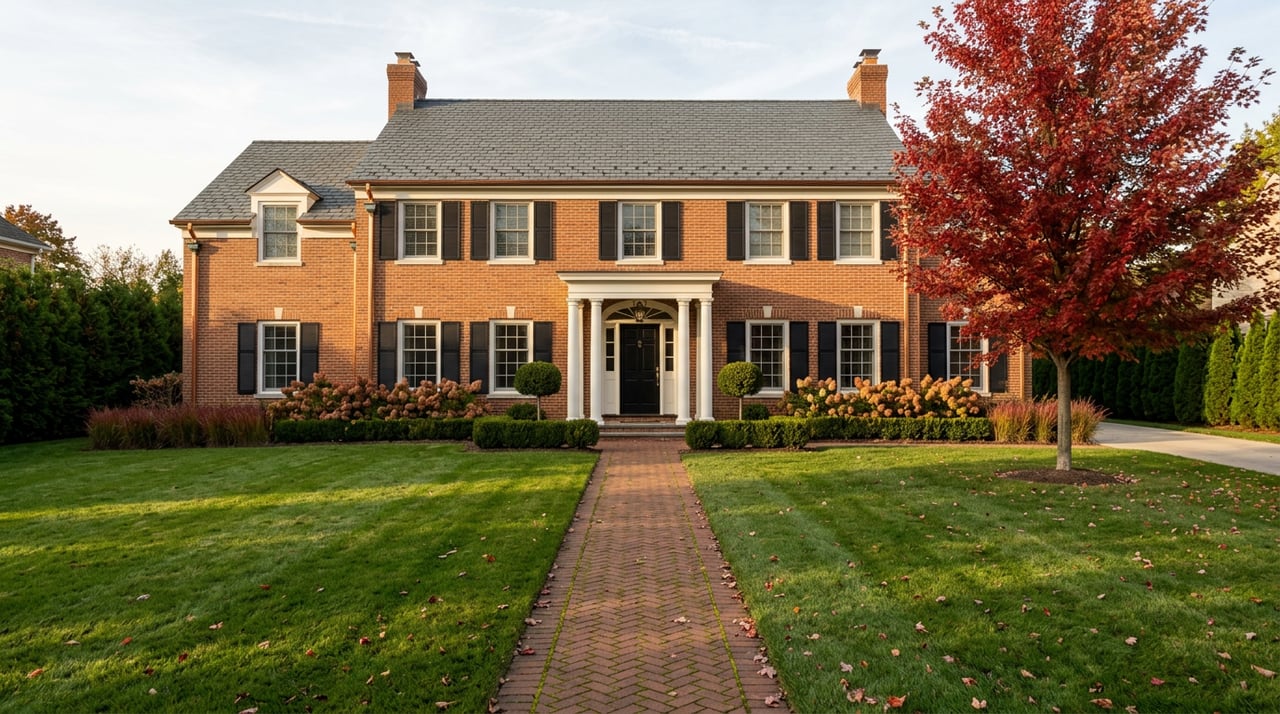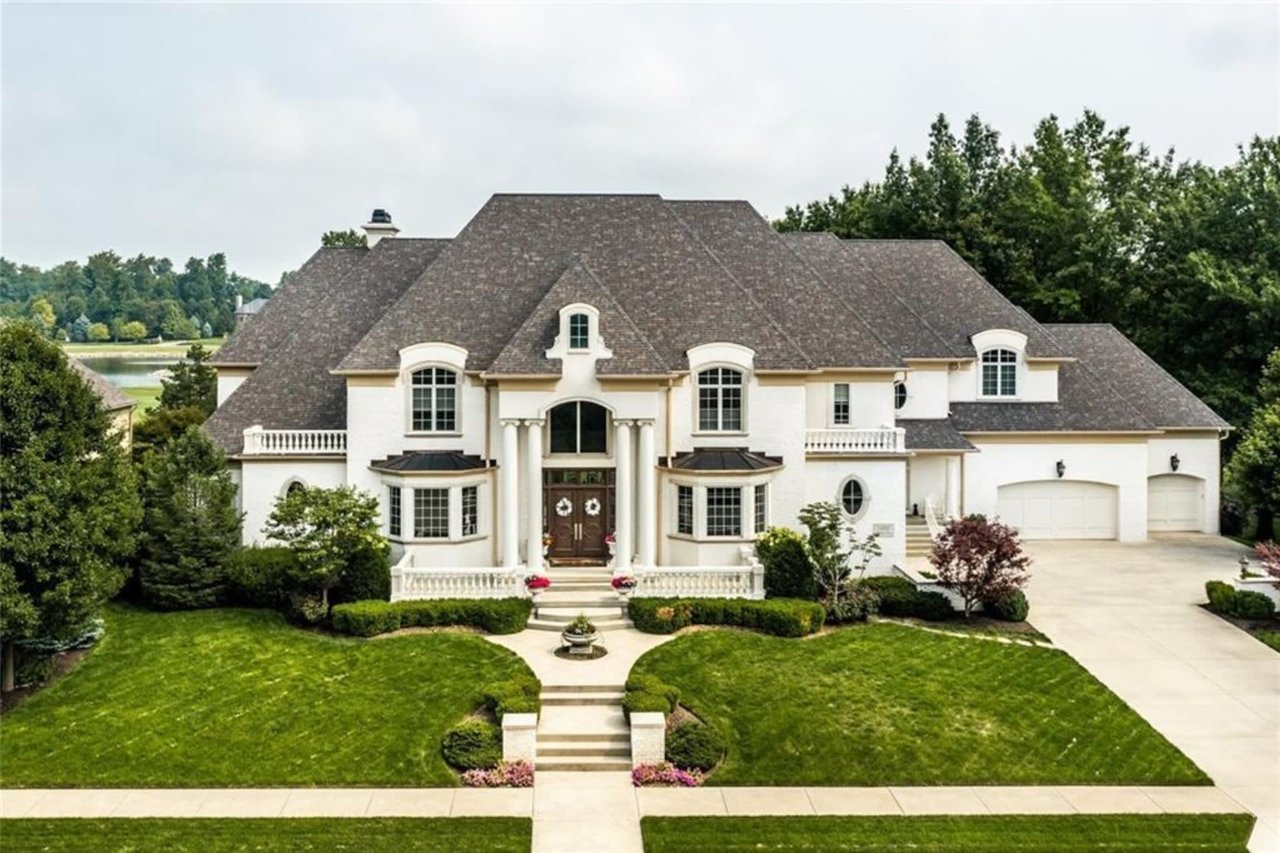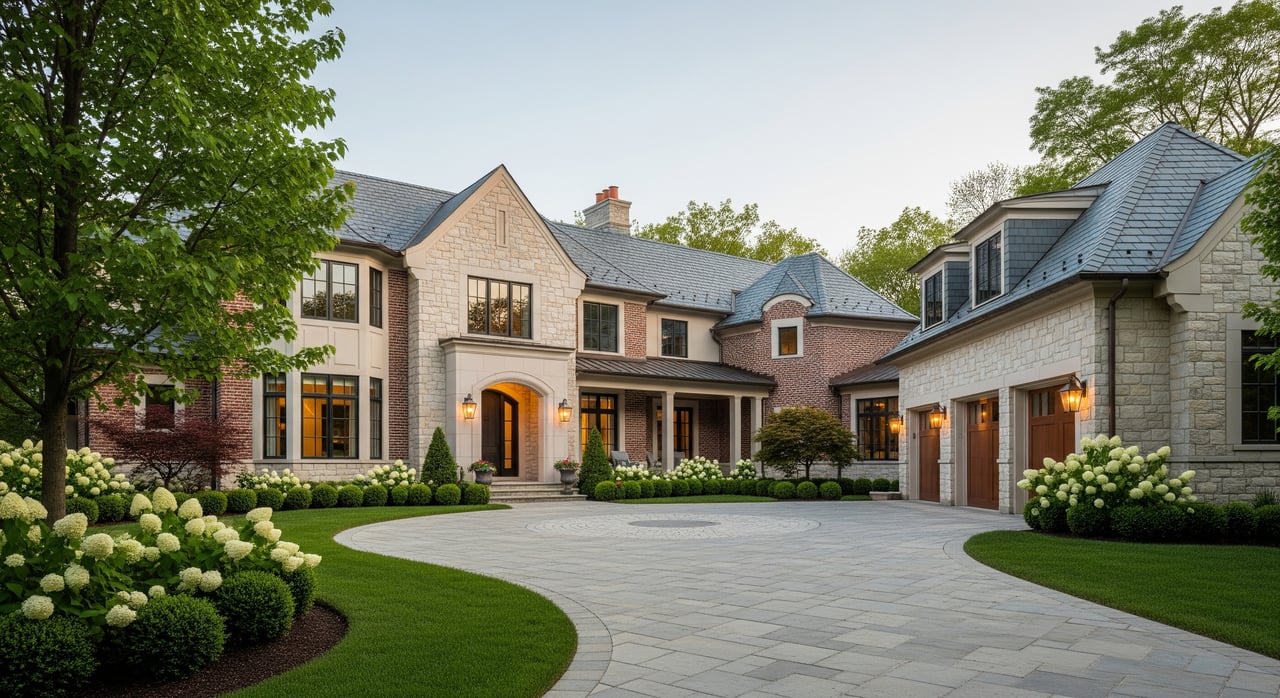
Trying to choose between Westfield and Carmel for a new construction home? You are not alone. Many buyers find themselves weighing more inventory and potentially larger homesites in Westfield against Carmel’s mixed-use lifestyle and higher-end market positioning. This guide will help you compare pricing, neighborhood patterns, amenities, and lifestyle considerations so you can move forward with more clarity. Let’s dive in.
Westfield vs Carmel at a glance
If you are comparing these two Hamilton County markets, the biggest differences come down to inventory, price point, and development style.
Westfield currently offers a broader pool of new construction options. Zillow shows 278 active new-construction results in Westfield and notes 15 builders across 28 communities. Carmel, by comparison, shows 57 active new-construction results, which points to a smaller active pipeline and a tighter selection overall. You can review Westfield’s current new-home market through Zillow’s Westfield new construction page and Carmel’s through Zillow’s Carmel new construction page.
Carmel is also the higher-priced market overall. Zillow reports a typical home value of $554,118 and a median sale price of $584,667 in Carmel, compared with $463,174 typical value and $458,150 median sale price in Westfield. That does not mean every Carmel new build costs more than every Westfield home, but it does suggest Carmel generally carries a higher pricing baseline.
Westfield new construction feel
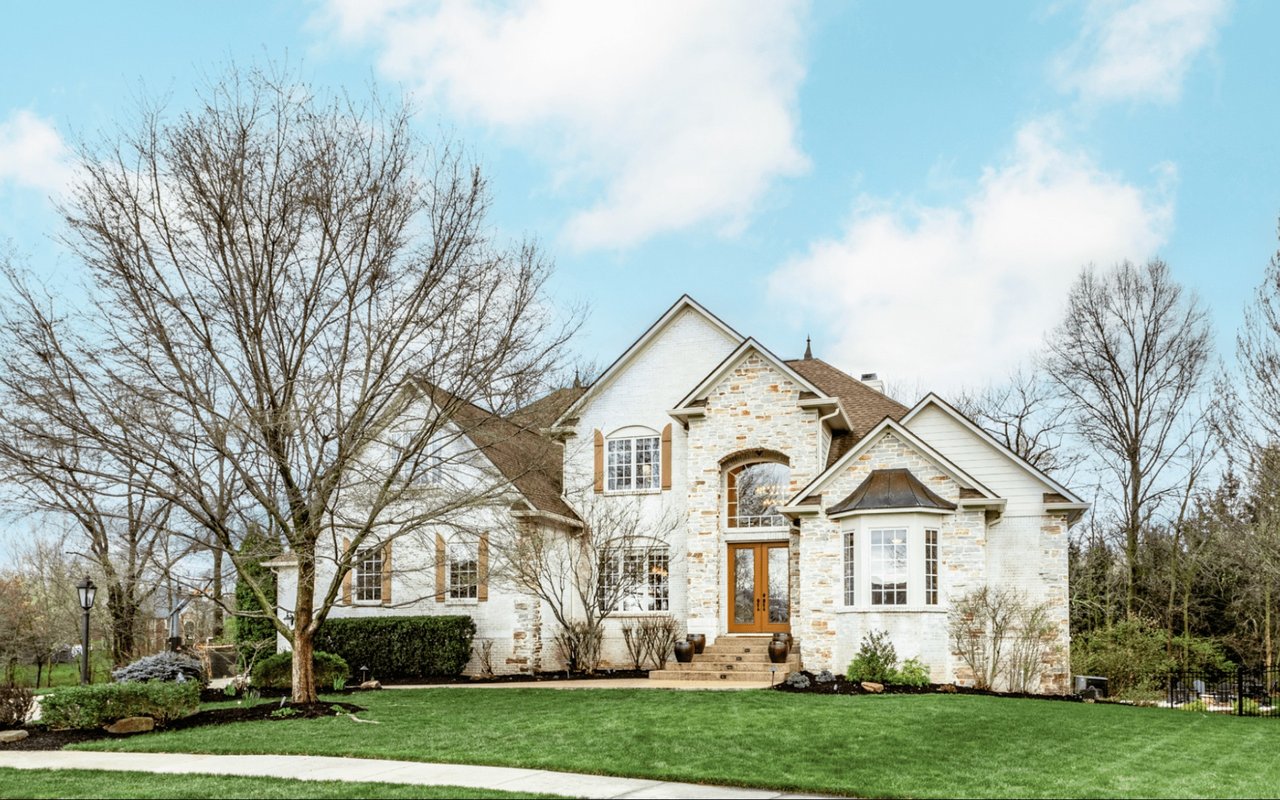
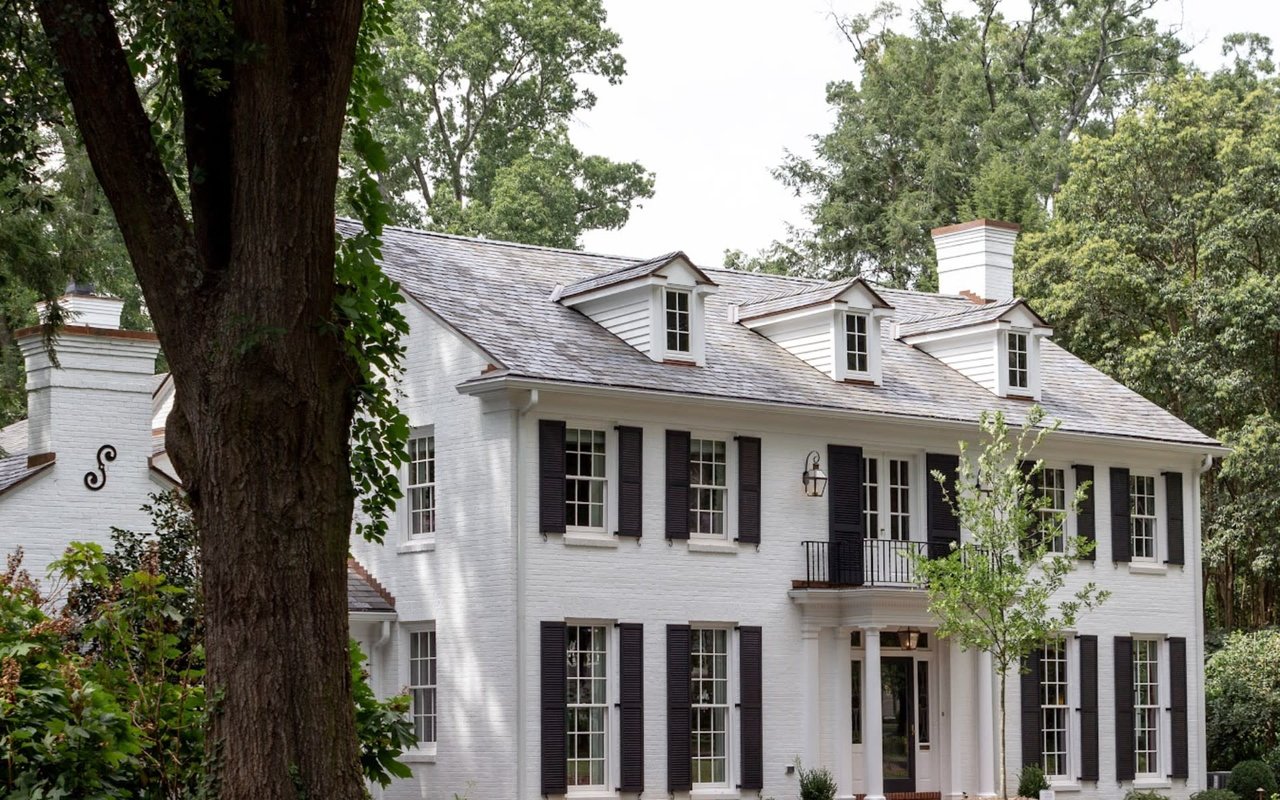
Westfield tends to appeal to buyers who want a more growth-oriented suburban setting with room to spread out. The city’s planning documents emphasize growth along US-31 and SR-32, with much of the city shaped around suburban residential development and four village areas. You can see that framework in the City of Westfield planning materials.
Lifestyle in Westfield often centers on trails, sports, and newer master-planned communities. Grand Park is a major local anchor, with 26 baseball and softball diamonds, 31 multipurpose fields, more than 10 miles of pedestrian and bicycle trails, and a large surrounding development district. The city also highlights trail connections including the Monon and Midland Trace routes.
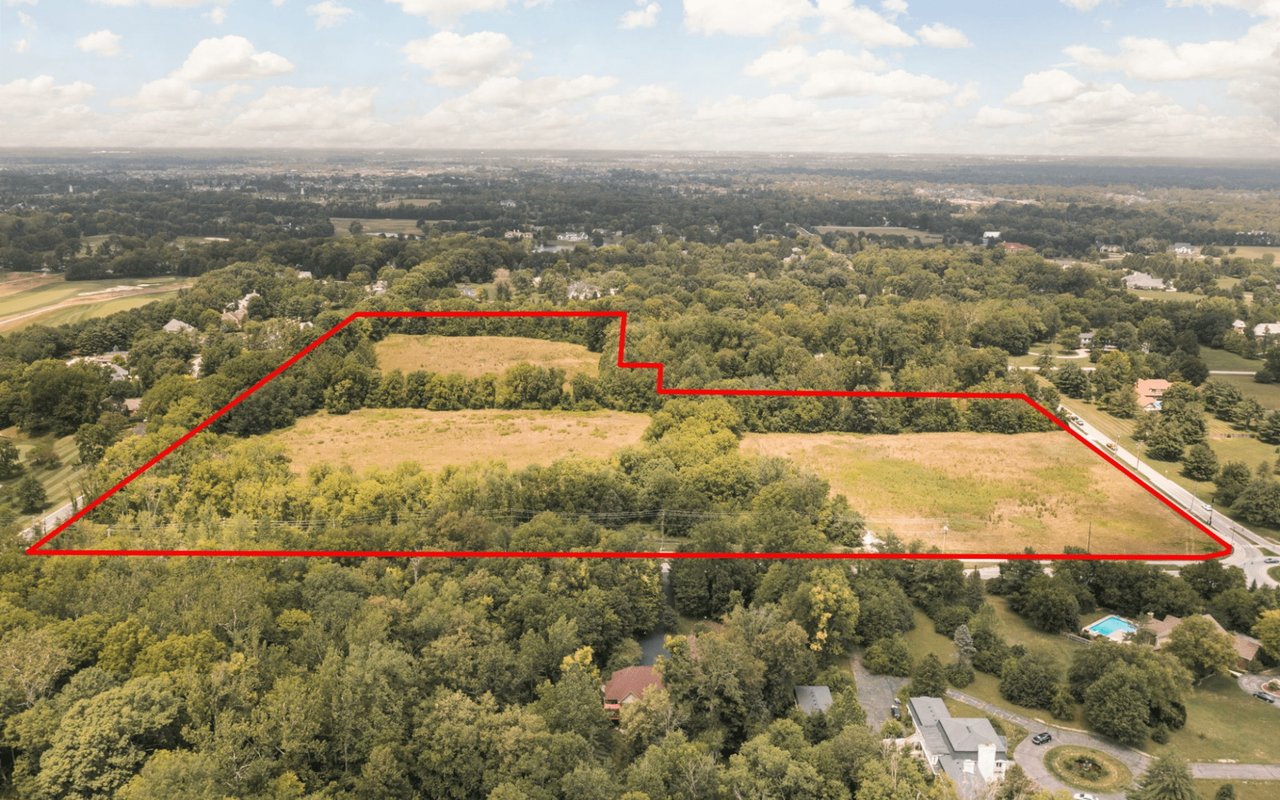
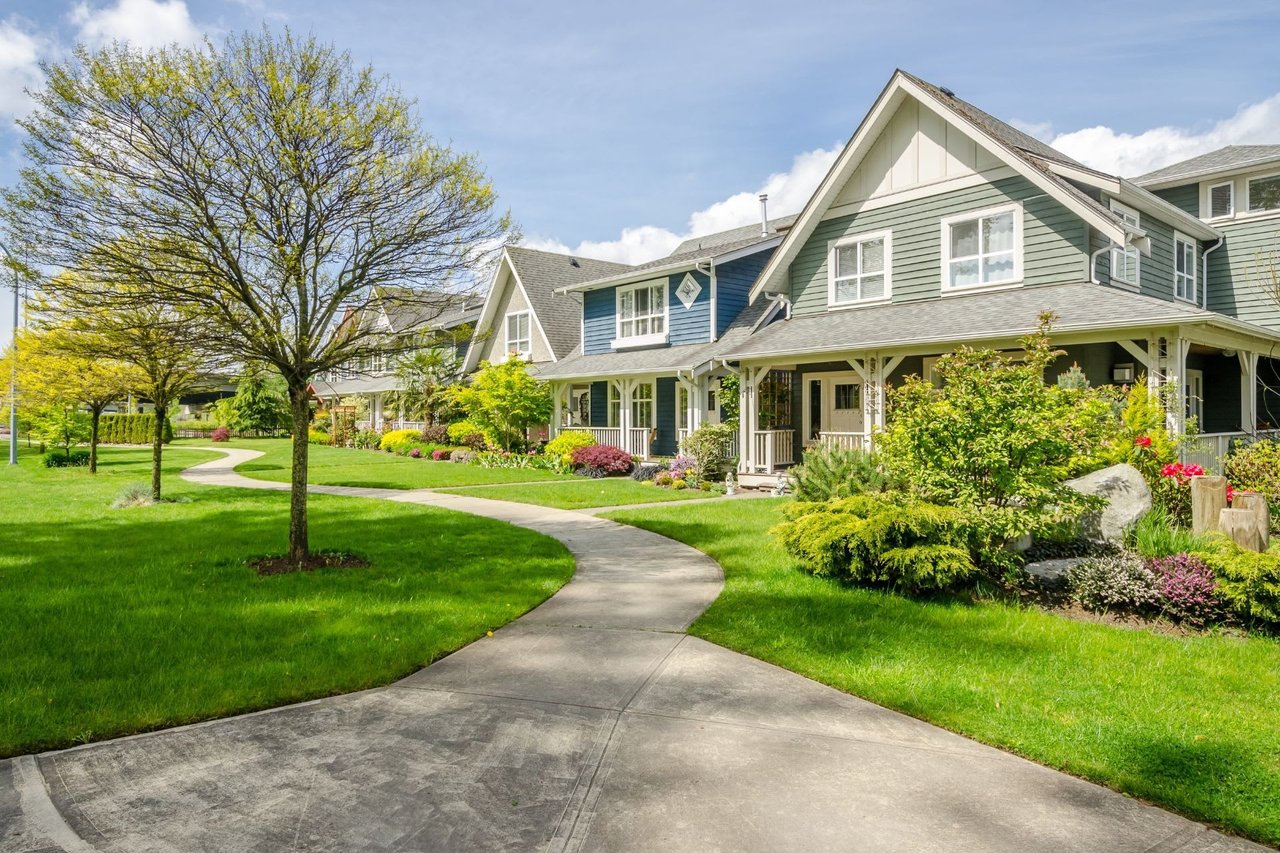
For many buyers, that translates into a practical benefit: you may find more communities with larger homesites, more traditional subdivision layouts, and newer amenity packages tied to outdoor recreation and civic gathering spaces. If you picture a new build with more lot width, neighborhood green space, or easy access to sports and trails, Westfield may feel like a strong fit.
Westfield community examples
Several active communities help illustrate Westfield’s range.
At Harvest Trail of Westfield, buyers will find 90-foot homesites, a 5-acre park, waterview homesites, and convenient access to Grand Park, the Monon Trail, Downtown Westfield, Grand Junction Plaza, the YMCA, and US-31. This is the kind of option that often appeals if outdoor space and a more traditional single-family layout are high on your list.
Springwater shows another side of Westfield. It is a 90-lot community with custom, semi-custom, and townhome options, with builder-listed starting points at $750K for homes and lots and $560K for townhomes. Its location near the Monon Trail, Grand Junction, Grand Park, and Clay Terrace supports a blend of neighborhood setting and local convenience.
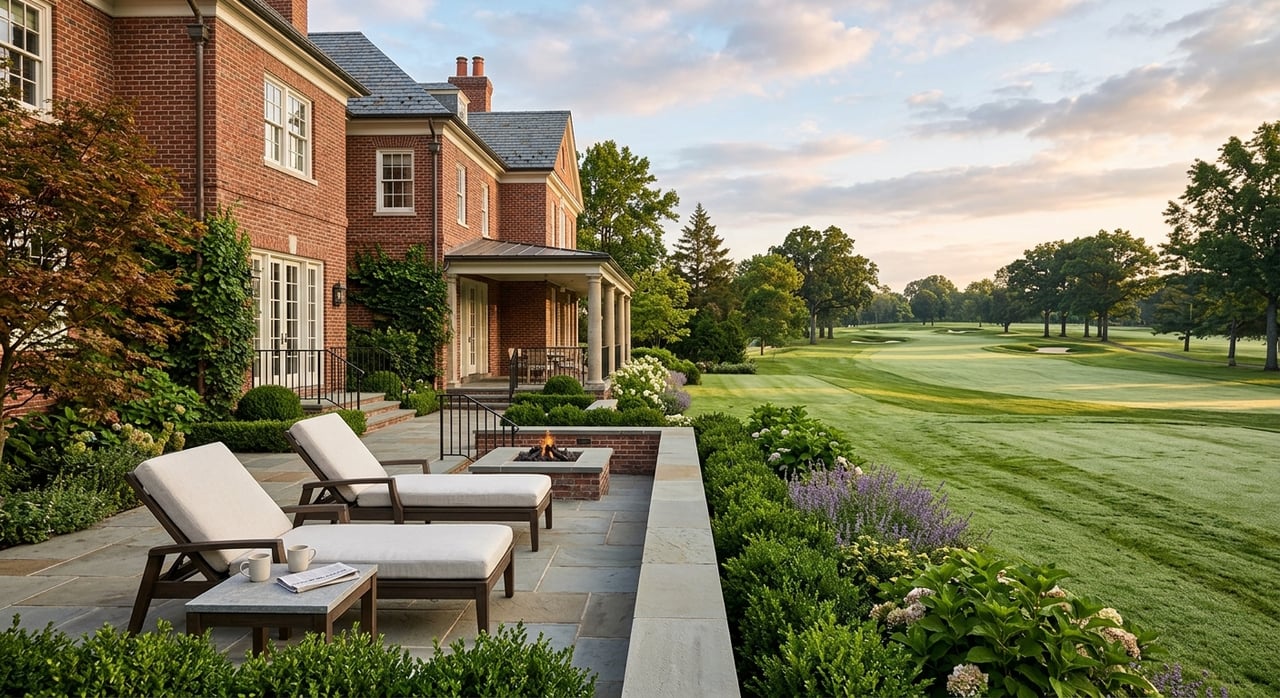
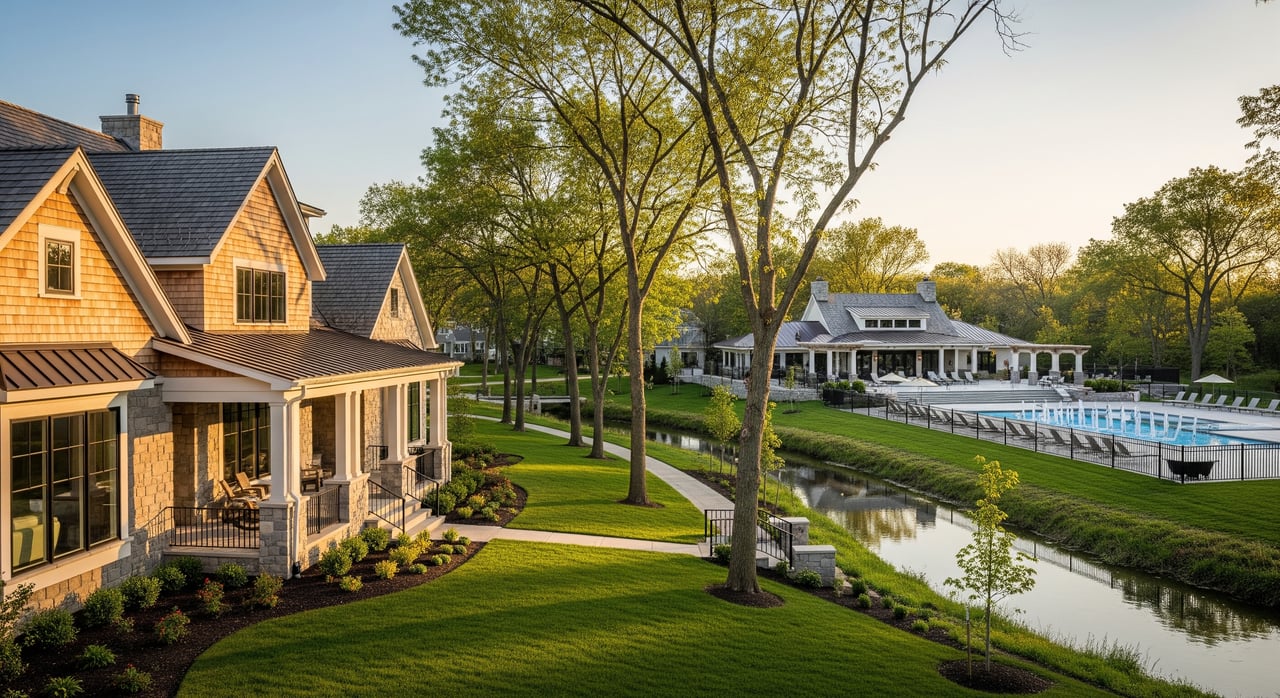
At the higher end, Chatham Hills and Chatham Village feature course-front lots, lakes, clubhouse amenities, pools, tennis and pickleball, fitness spaces, bowling, and restaurant space. Builder-listed starting points begin at $1M and $1.3M, showing that Westfield can absolutely serve luxury buyers as well.
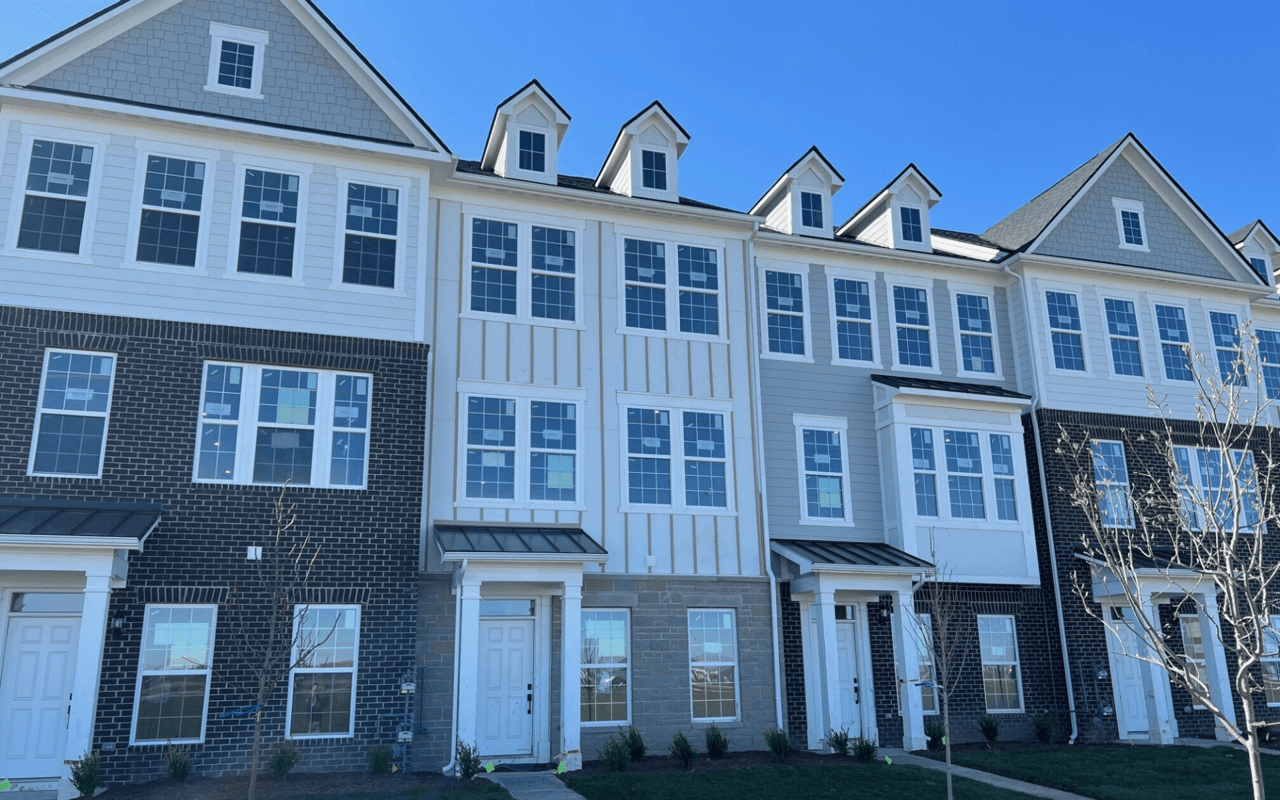
If low-maintenance living matters more than lot size, Midland South offers townhomes near the Midland Trace Trail and close to Grand Junction Plaza, with pricing starting around $499K. That gives Westfield a useful range, from townhome living to custom and luxury options.
Carmel new construction feel
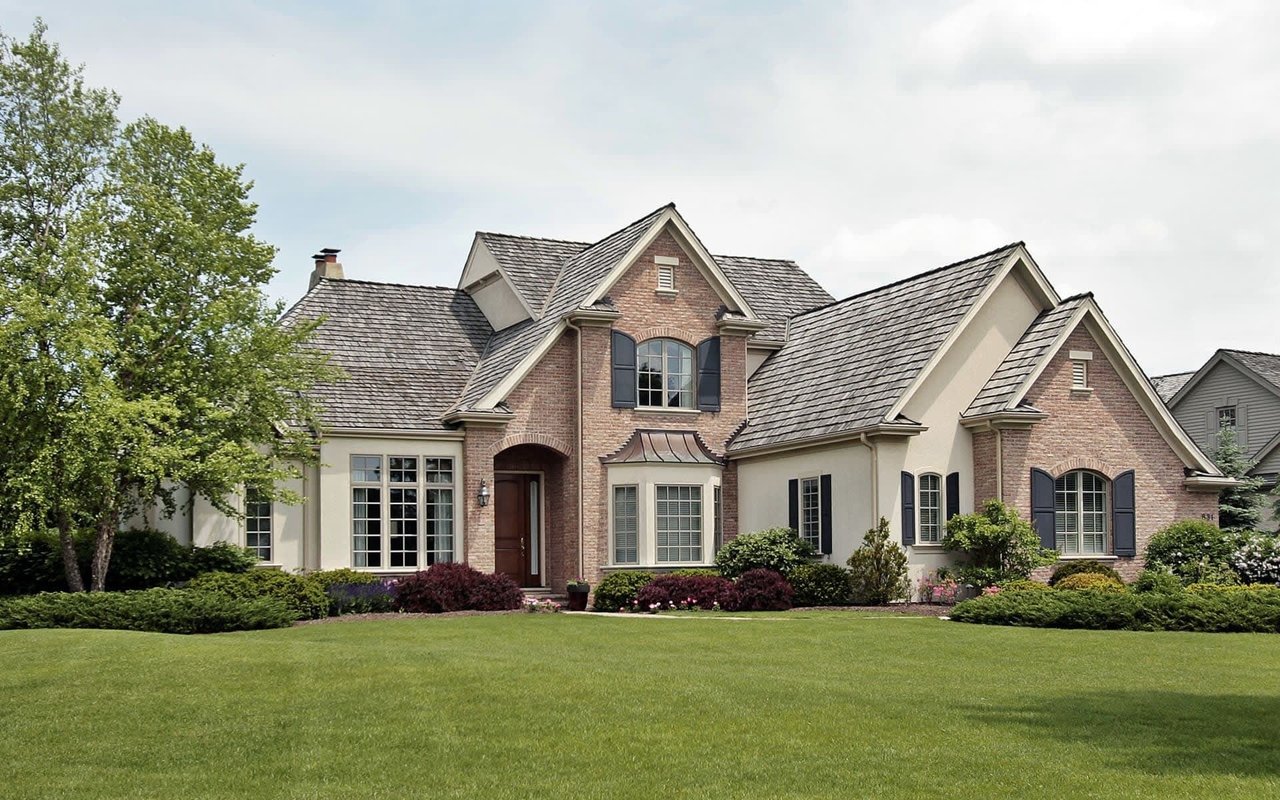
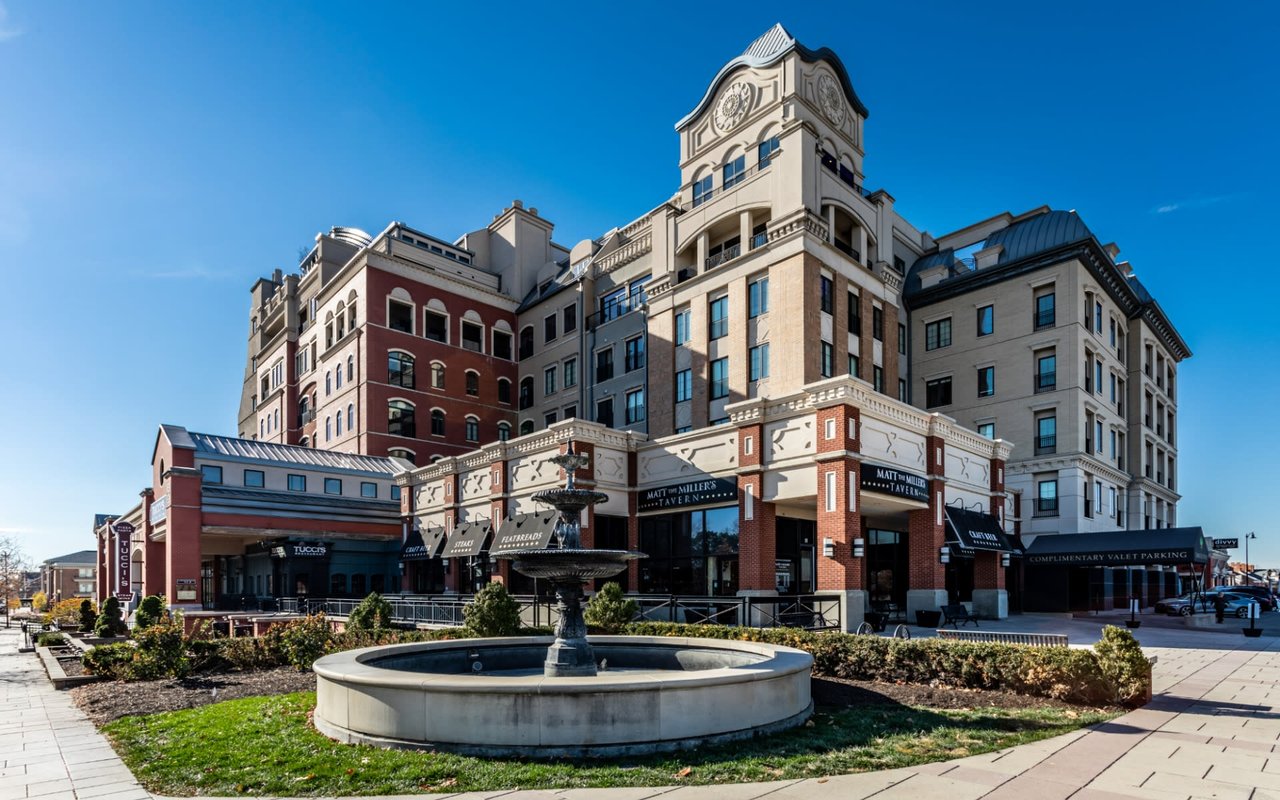
Carmel offers a different kind of new construction experience. The city’s comprehensive plan reflects a more layered development pattern, with downtown and City Center areas built around urban mixed-use, Midtown positioned for urban-style living and commerce, and other parts of the city maintaining suburban housing at a range of densities. You can explore that framework through the Carmel Comprehensive Plan development patterns section.
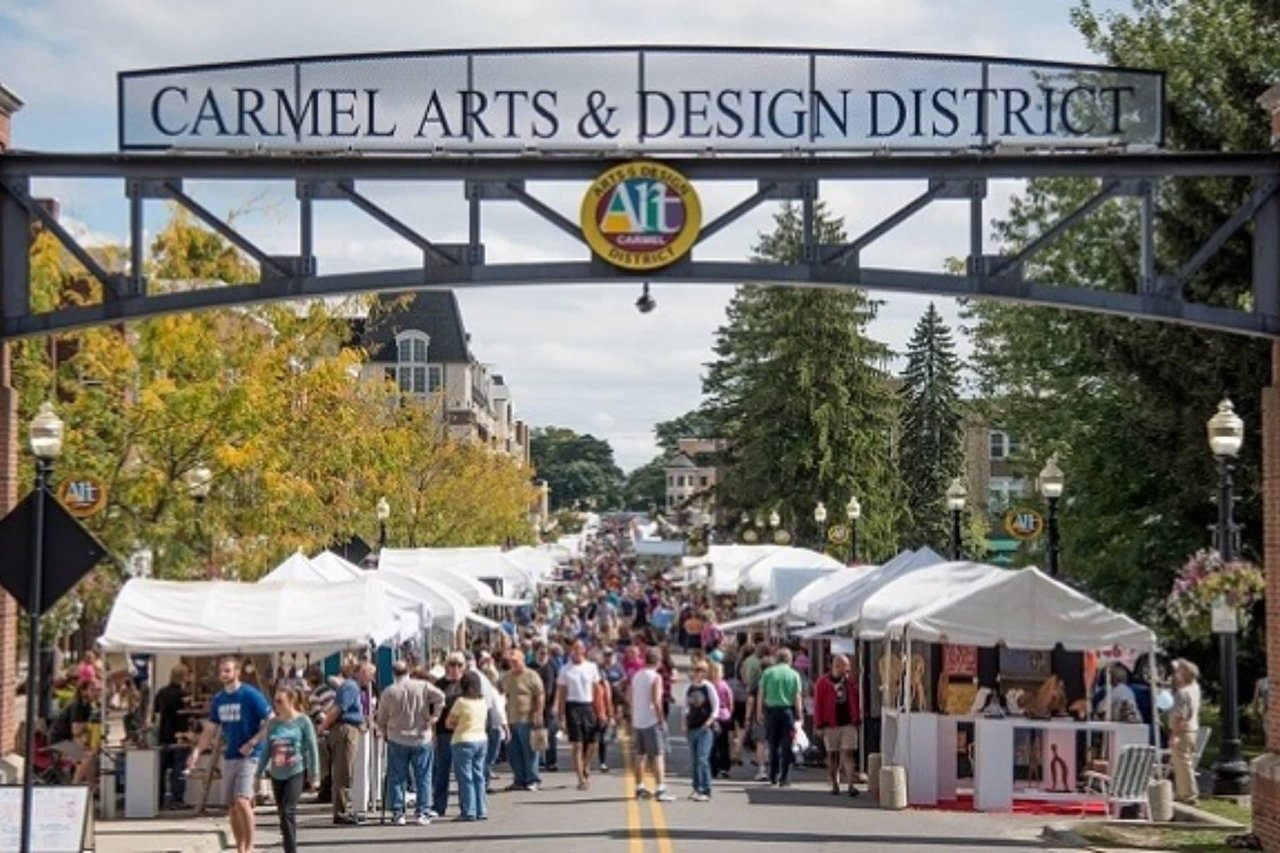
In practical terms, Carmel new construction is often more connected to mixed-use districts, infill opportunities, and trail-oriented urban access. The city describes Carmel City Center as a mixed-use downtown built on about 15 acres, while Midtown reflects redevelopment of the city’s former industrial area into a more active urban district. That gives Carmel a distinct identity for buyers who want new construction with easier access to dining, trails, and everyday conveniences.
Carmel also leans heavily into bike and trail connectivity. The city notes that it is a Silver Level Bicycle Friendly City, that many new developments incorporate trails and paths, and that Carmel maintains its own 5.2-mile portion of the Monon Greenway. You can learn more through Bike Carmel.
Carmel community examples
Carmel’s current new-construction options span a wide range, even if the overall inventory is smaller.
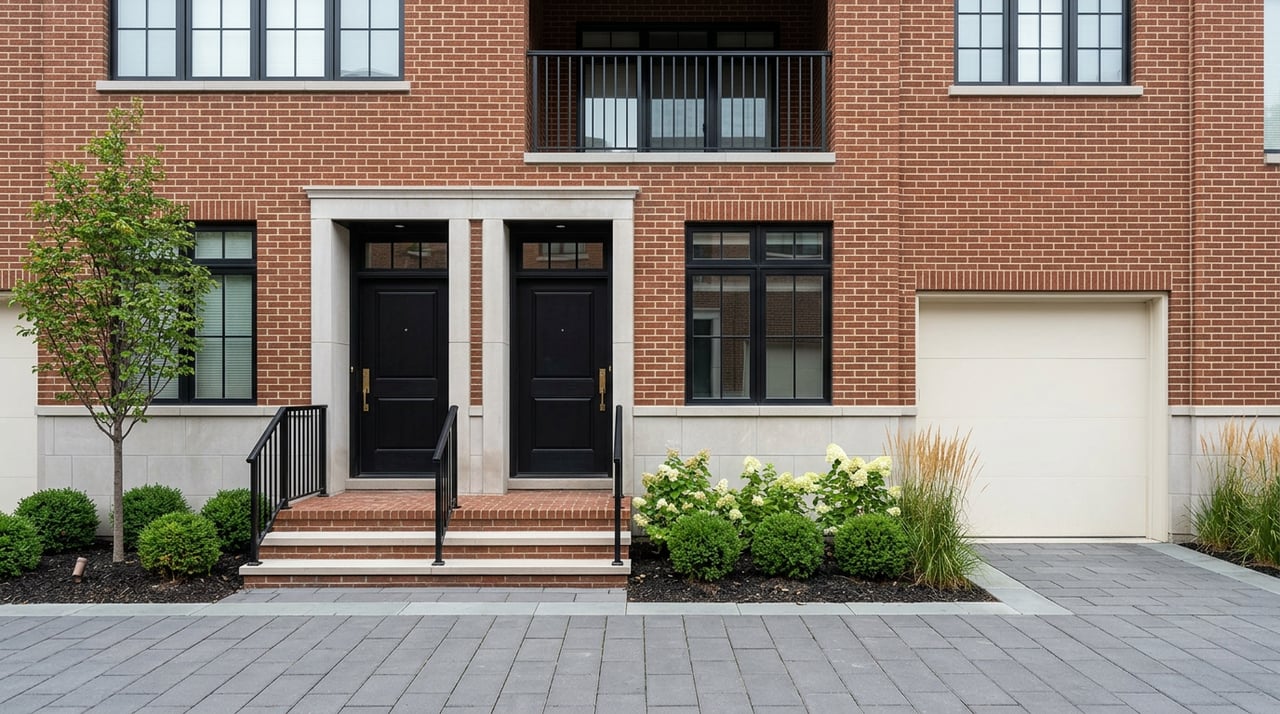
Flora starts in the $400K range, with rooftop townhomes in the $600Ks, balcony townhomes in the mid-$400Ks, and single-family homes in the $700Ks. The community also advertises a dog park, central green space, courtyard, fire pits, pond, walking path, and garden space. That variety is a good example of Carmel’s broader mix of home types within one development.
Sunrise on the Monon highlights private wooded lots and village lots with access to downtown Carmel, Keystone at the Crossing, I-465, and the Monon Trail, with starting prices at $700K+. For buyers who want a new home with strong location connectivity, this kind of offering often stands out.
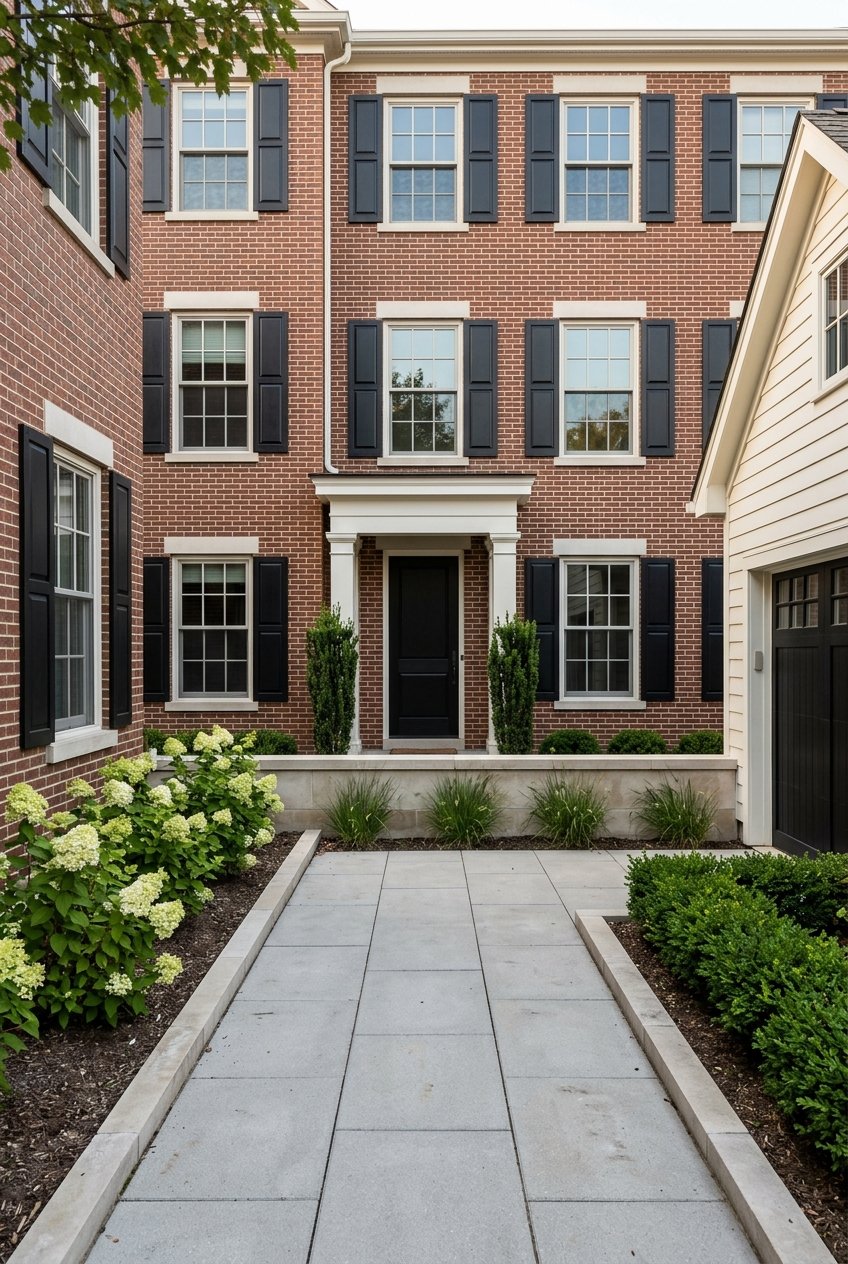
Ambleside reflects the corridor-oriented side of Carmel’s market, with 3-story townhomes near 146th Street and Towne Road and Zillow examples in the low $400Ks. That underscores an important point: Carmel is a higher-priced market overall, but there are still entry points below the luxury tier depending on product type and location.
Lot size and lifestyle differences
One of the clearest ways to compare Westfield and Carmel is to ask how you want your home and your neighborhood to feel.
Westfield is generally the stronger fit if you want larger suburban lots, more lot flexibility, course frontage, lake settings, or wider homesites. Current community examples point to 65- to 90-foot homesites and a stronger concentration of traditional master-planned subdivisions. If outdoor living space and privacy are top priorities, Westfield may give you more opportunities to find that setup.
Carmel still offers single-family and larger-lot pockets, but its new-construction mix is more visibly split between townhomes, condos, infill, and established-edge neighborhoods. If you want a newer home with easier access to a mixed-use district, a trail corridor, or a more urban-style setting, Carmel may align more closely with your goals.
Amenities and daily experience
Amenities shape daily life just as much as square footage.
Westfield’s amenity profile tends to be sports-campus, trail, lake, and civic-plaza oriented. Grand Park is a major draw, and many communities reference access to Grand Junction Plaza, the Monon Trail, downtown Westfield, and recreation-focused features. You can browse city destinations through Westfield’s locations and places guide.
Carmel’s amenity profile feels more mixed-use, arts, and Monon-corridor oriented. The city’s downtown, Midtown, and trail system create a different rhythm for daily life. For some buyers, that means a stronger preference for Carmel because they value urban-style convenience and connectivity. For others, Westfield’s newer suburban footprint and sports-centered environment feel like the better fit.
Commute and access considerations
Location choice often comes down to your weekly routine.
Carmel’s new-construction communities often sit closer to I-465, Keystone, downtown Carmel, and the Monon corridor. That can make Carmel attractive if your work, lifestyle, or frequent destinations are tied to those routes and activity centers. Communities like Sunrise on the Monon specifically emphasize that access.
Westfield communities more commonly highlight US-31, Grand Park, Grand Junction Plaza, and downtown Westfield. That can be a strong advantage if you want north-county access or prefer a setting that feels more space-oriented. Exact drive times will always depend on route and traffic, but the general pattern is clear: Carmel often feels more inner-ring, while Westfield often feels more growth-corridor and north-oriented.
Which city gives you more for the money?
If your goal is to maximize home or lot for the price, Westfield currently appears to offer the stronger value story. The city has broader active new-build inventory, a lower overall market pricing baseline, and several communities that emphasize larger lots or more suburban layouts.
Carmel, on the other hand, often asks buyers to pay more for location, mixed-use access, and a more established high-demand market. That premium may be well worth it if your priorities include proximity to downtown Carmel, the Monon, or a more urban-style daily experience. The right answer depends less on the headline price and more on what kind of lifestyle you want that price to buy.
How to choose the right address
If you are deciding between Westfield and Carmel, it helps to narrow your search around a few core questions:
- Do you want a larger homesite or a more connected location?
- Are you looking for a spec home, a townhome, or a build-to-order opportunity?
- How important are outdoor living space, lot width, and privacy?
- Would you rather live near Grand Park and Westfield trails or closer to downtown Carmel, Keystone, and the Monon corridor?
- Is your budget better aligned with Westfield’s broader inventory or are you comfortable competing in Carmel’s higher-priced market?
The key is to compare communities through the lens of your daily life, not just the floor plan. Two homes with similar square footage can feel very different depending on lot size, surrounding development pattern, and access to the places you use every week.
If you want help comparing new construction communities in Westfield and Carmel, the team at The CHG can help you evaluate inventory, neighborhood fit, and the tradeoffs that matter most to your move.
FAQs
What is the main price difference between new construction in Westfield and Carmel?
- Carmel is the higher-priced market overall, while Westfield currently has a lower typical home value and median sale price according to Zillow data in the research.
Which city has more new construction inventory right now, Westfield or Carmel?
- Westfield has more active new-construction inventory, with 278 active results on Zillow compared with 57 in Carmel.
Is Westfield or Carmel better for larger lots in new construction?
- Westfield generally appears to offer more options for larger suburban lots, wider homesites, and master-planned communities based on the community mix in the research.
Is Carmel a better fit for townhomes and mixed-use living?
- Carmel may be a better fit if you want new construction near mixed-use areas, trail corridors, or more urban-style living patterns, since its market includes more infill and townhome-oriented options.
What amenities stand out in Westfield new construction communities?
- Westfield communities often emphasize access to Grand Park, trail systems, civic spaces like Grand Junction Plaza, parks, lakes, and recreation-oriented amenities.
What amenities stand out in Carmel new construction communities?
- Carmel communities often highlight Monon access, mixed-use convenience, green spaces, bike connectivity, and proximity to downtown or Midtown destinations.