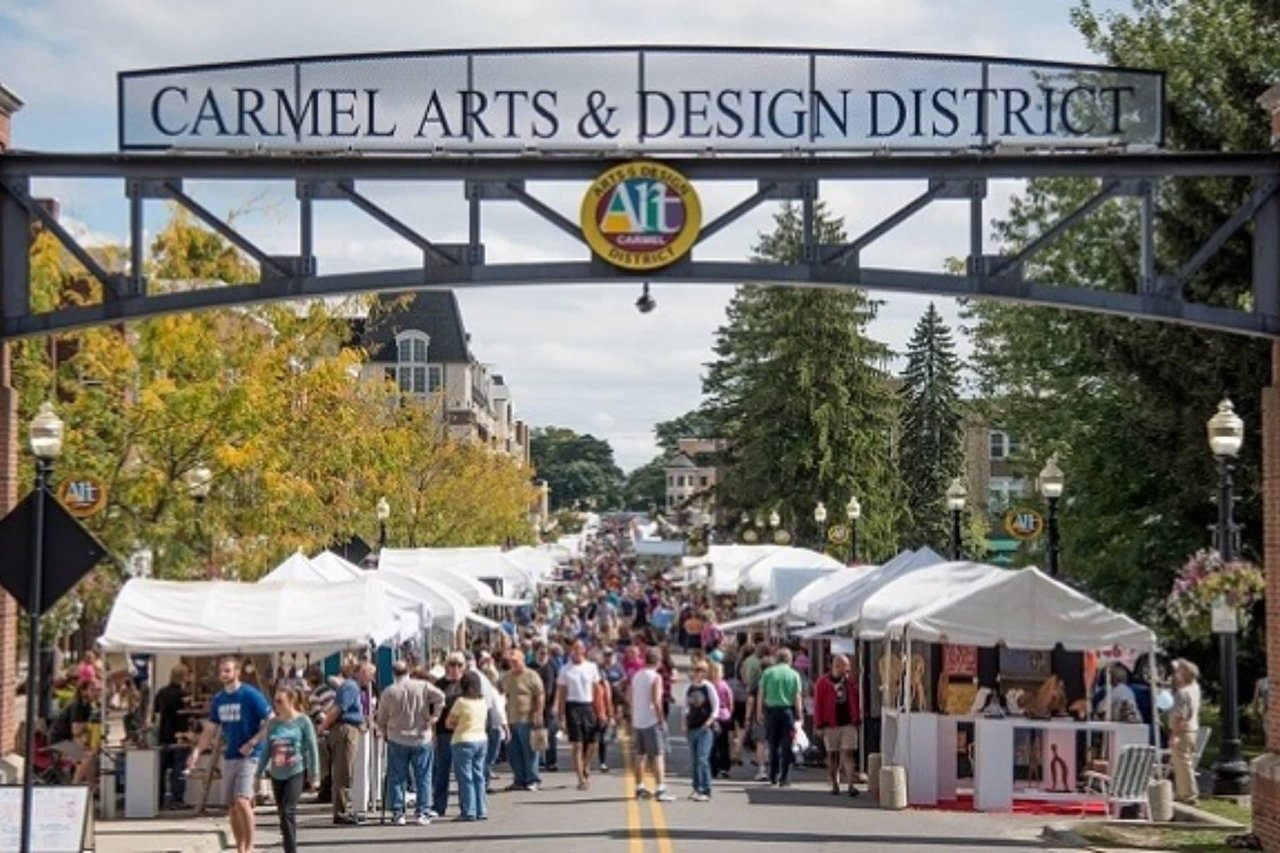
For years, the answer to "where should we eat tonight?" pointed the same direction: down Main Street, through the Arts & Design District, maybe a stop along the Monon. That corridor still earns its reputation. What changed in the past eighteen months is that two separate pockets of Downtown Carmel — one along lower Rangeline Road and one inside a brand-new neighborhood most residents have not walked through yet — have quietly stacked enough new openings to constitute their own evenings out. The dining map did not expand. It multiplied.
Here is what that looks like on the ground.
The Rangeline Corridor: One Opening That Changed the Conversation
The most discussed single arrival in Downtown Carmel's recent memory is 1933 Lounge by St. Elmo, which opened April 1, 2025 at 175 S. Rangeline Road. The space runs 8,200 square feet and includes a cocktail lounge, a formal dining room, and a covered patio with firepit seating that works in every season. Huse Culinary — the Indianapolis restaurant group behind the original St. Elmo Steak House — spent two years identifying Carmel as the right city for the concept's third location, citing the community's appetite for exceptional dining as the deciding factor. The kitchen is led by Jason Chesky, formerly of Harry & Izzy's Northside, and the general manager is Wendy VanVelzen, who ran the Fishers location before making the move.
The space skews 21-and-over, which sets a deliberate tone: this is a reservation-night destination rather than a casual mid-week stop. The menu mirrors the flagship's emphasis on premium steaks, fresh seafood, and craft cocktails, and the room itself — antique brass light fixtures, intimate nooks, firepit patio — gives it a character that doesn't overlap with anything else in the neighborhood. Indianapolis Monthly called it the city's most anticipated 2025 opening before the doors had opened.
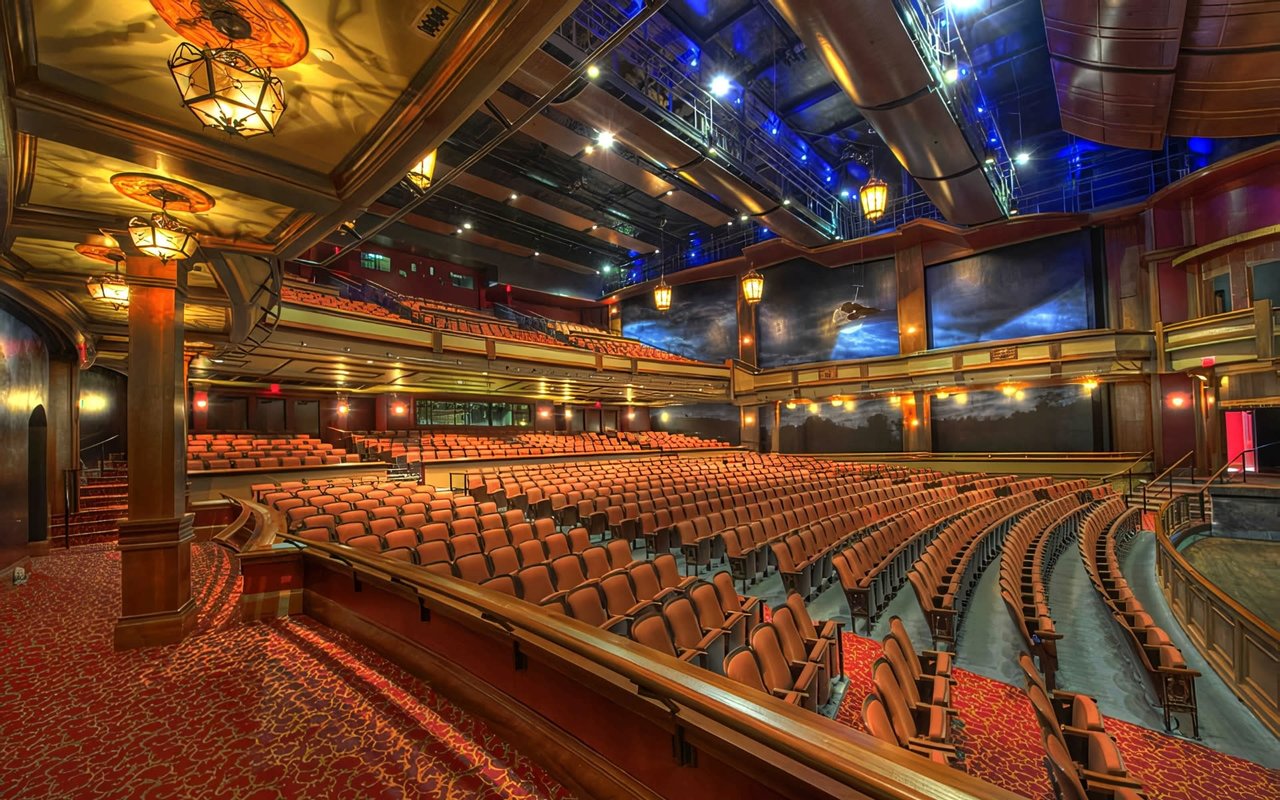
What the 1933 Lounge did for the Rangeline corridor is similar to what the Palladium did for Civic Square: it gave a stretch of the neighborhood an anchor with enough gravity to pull foot traffic on its own. The other restaurants along that stretch — including the Indiana Design Center showrooms and the galleries that line the Arts & Design District's south end — benefit accordingly.
City Center: Turnover That Upgraded the Lineup
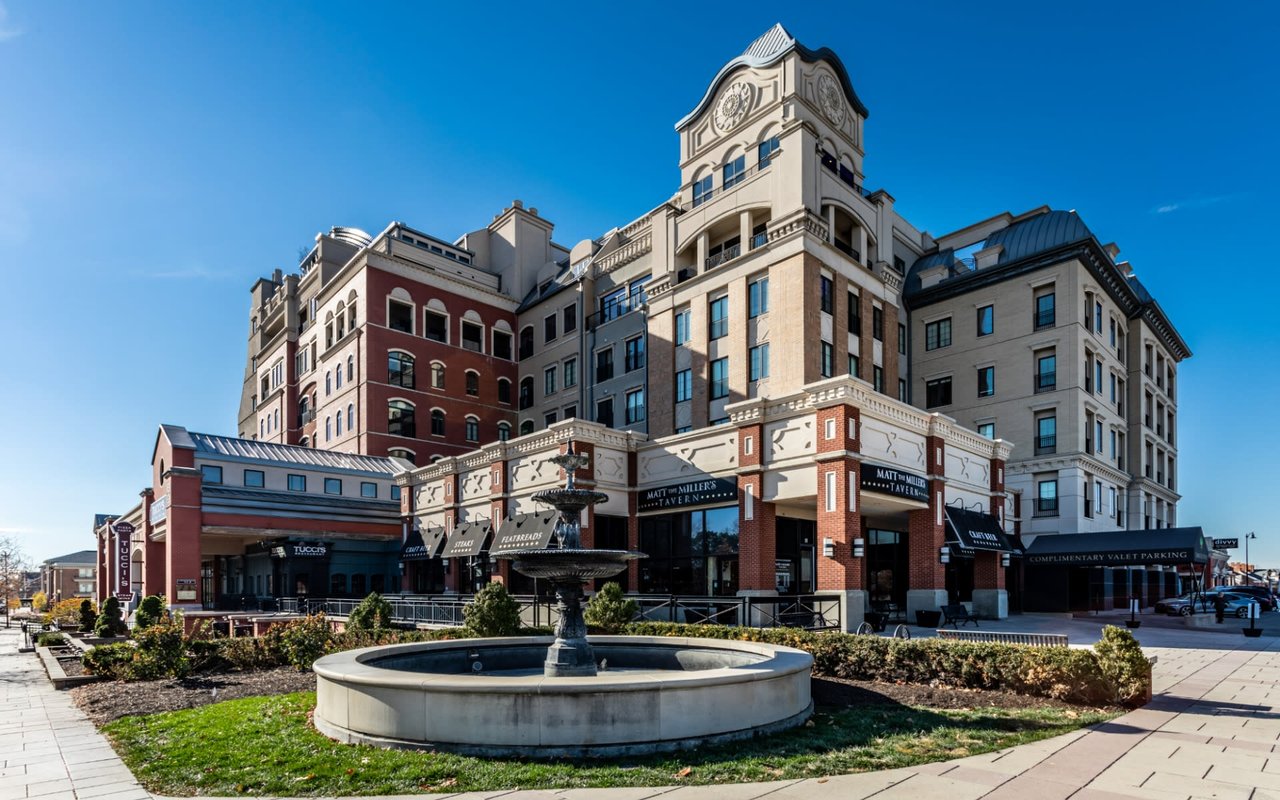
Carmel City Center has seen more churn than usual. Matt the Miller's Tavern, a long-running fixture at 11 City Center Drive, rebranded and eventually vacated the space. In June 2025, Salt took that address and brought with it a menu centered on fresh seasonal catches flown in daily — a departure from the gastropub fare that preceded it. Salt already had established locations on Mass Ave and in Geist; the Carmel outpost extends a concept that has a loyal following and a clear identity.
Alongside Salt, Hanami Sushi & Sake Bar opened in Carmel City Center. Co-owner Saowalux Fary, who operates several local Thai restaurants, worked with a Japanese culinary consultant on the traditional dishes. The result is a neighborhood sushi bar that fills a format City Center did not previously have.
Moontown Brewing Company added its first location outside of Whitestown, landing at 1000 W. Main Street. The taproom is 21-and-over and welcomes outside food, which gives it a different use case than a full-service restaurant — more of a place to linger with a pint than a dinner destination — and makes it complementary rather than competitive with what surrounds it.
For a resident whose City Center reference points are a year or two old, the current tenant mix looks meaningfully different. The space has traded volume for range.
The North End: The Zone Most Residents Haven't Found Yet
This is the opening that does the most to change the dining map, because it changes the geography of the map itself.
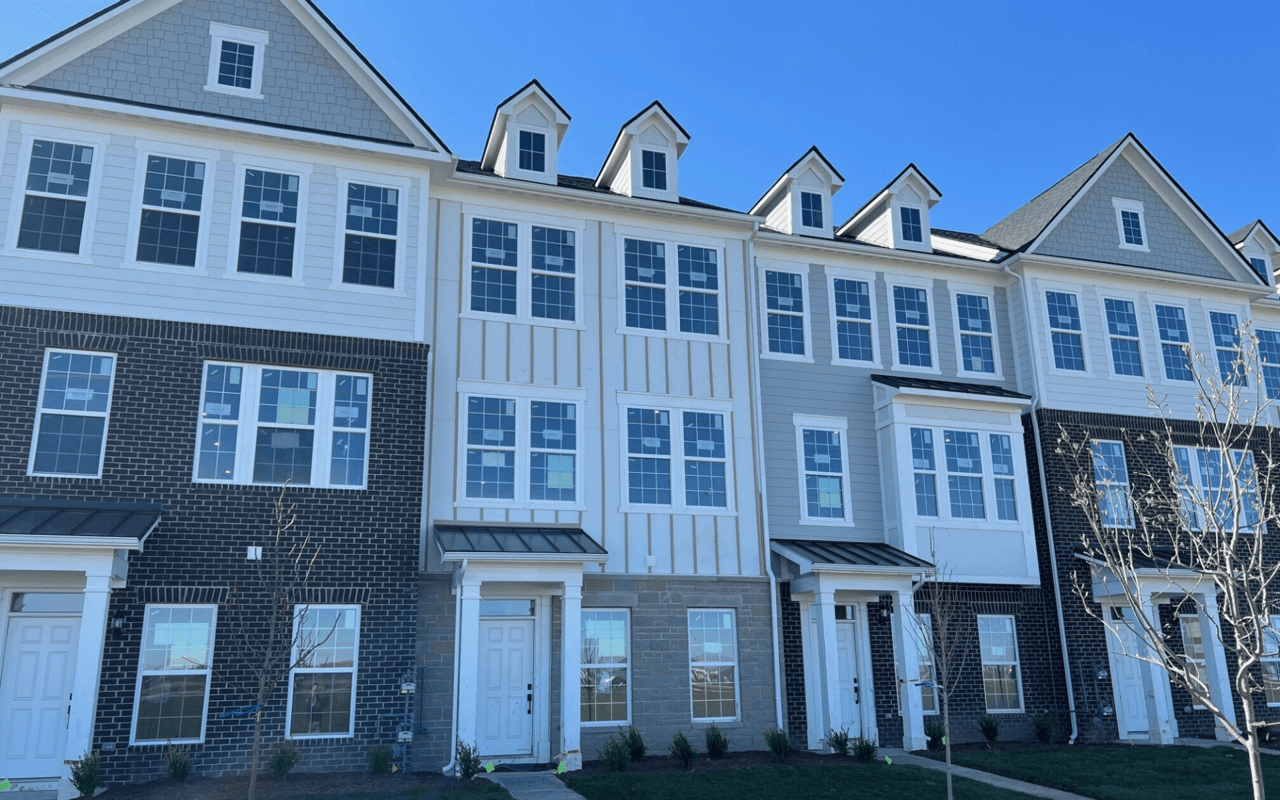
The North End is a new mixed-use development by Old Town Companies, Carmel-based, built on the northern edge of the downtown core. The development is still filling out, but its anchor food-and-drink tenant arrived in late 2024: Ash & Elm Cider Co., located at 525 N End Drive, Suite 190.
Ash & Elm is Indianapolis-based, founded by Aaron and Andréa Homoya, and the Carmel location is their second brick-and-mortar taproom. The room carries 16 ciders on rotating draft — the largest selection in Indiana — alongside local craft beer and wine. The food menu is built to pair with cider: build-your-own grilled cheese, fresh salads, house-made sauces, with substantial gluten-free and vegan options. It is a different register than anything else in the downtown footprint. Where 1933 Lounge leans formal and Salt leans seafood-forward, Ash & Elm is casual, ingredient-focused, and designed for a long afternoon or an early evening before something else.
The 3,500-square-foot space is part of a multi-phase development that will continue adding tenants. What is already there gives the North End enough to stand on its own as a destination — and its location just north of the established downtown core means it rewards the residents who know to walk past their usual turn.
The Main Street Corridor: Still Generating New Names
The original dining corridor keeps adding entries, which is worth noting precisely because it is no longer the only story.
Slapfish opened its fourth Indiana location in Carmel in early 2026 — a homecoming of sorts for owner Mark Weghorst, who lives in Carmel and called the opening personally significant. The fast-casual seafood concept joins a Main Street stretch that already includes Bazbeaux Pizza, Bub's Burgers, Woody's Library Restaurant, and Muldoon's Irish Pub.
Josephine Carmel, run by Executive Chef Andrew Popp of Ambrosia Hospitality Group, has drawn consistent attention for its French-leaning menu. BuffaLouie's opened a new Carmel location on Main Street. Juniper on Main, which serves Southern cuisine with a focus on seafood, has built a following quickly.
The corridor is not standing still. What has changed is that a resident who anchors their entire dining life to Main Street is now working from an incomplete picture of the neighborhood.
What Three Zones Actually Means
A practical takeaway for anyone who lives here: Downtown Carmel now supports three genuinely different evenings without a car.
The Main Street and Arts & Design District corridor remains the neighborhood's most dense concentration of restaurants — good for a casual weeknight, a long Saturday lunch, or the kind of walk where you decide where to eat after you leave the house.
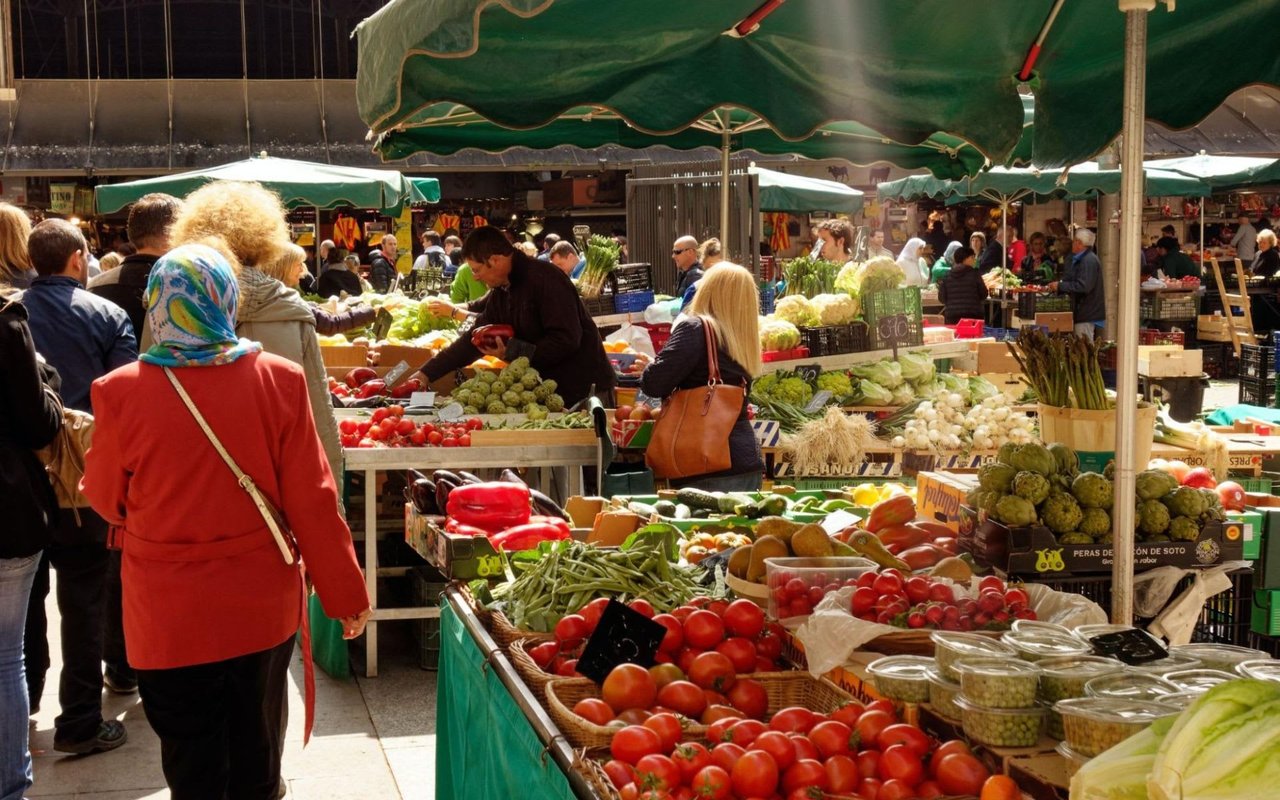
The Rangeline corridor, anchored by 1933 Lounge, has become the neighborhood's best argument for a proper reservation night. The Carmel Farmers' Market continues on Saturday mornings near the Center for the Performing Arts, and the Second Saturday Gallery Walks through the Arts & Design District give the broader corridor a recurring rhythm throughout the warmer months.
The North End is the newest zone and the one most likely to surprise. Ash & Elm's 16-tap cider list, the unhurried pace of the space, and the neighborhood's still-forming identity make it the kind of place worth discovering before the rest of the neighborhood catches up.
None of this requires going far. The Monon Trail connects all three zones on foot or by bike. That connectivity is what makes the multiplication of the dining map something more than a list of openings — it is a genuine change in how an evening in Downtown Carmel can be structured.
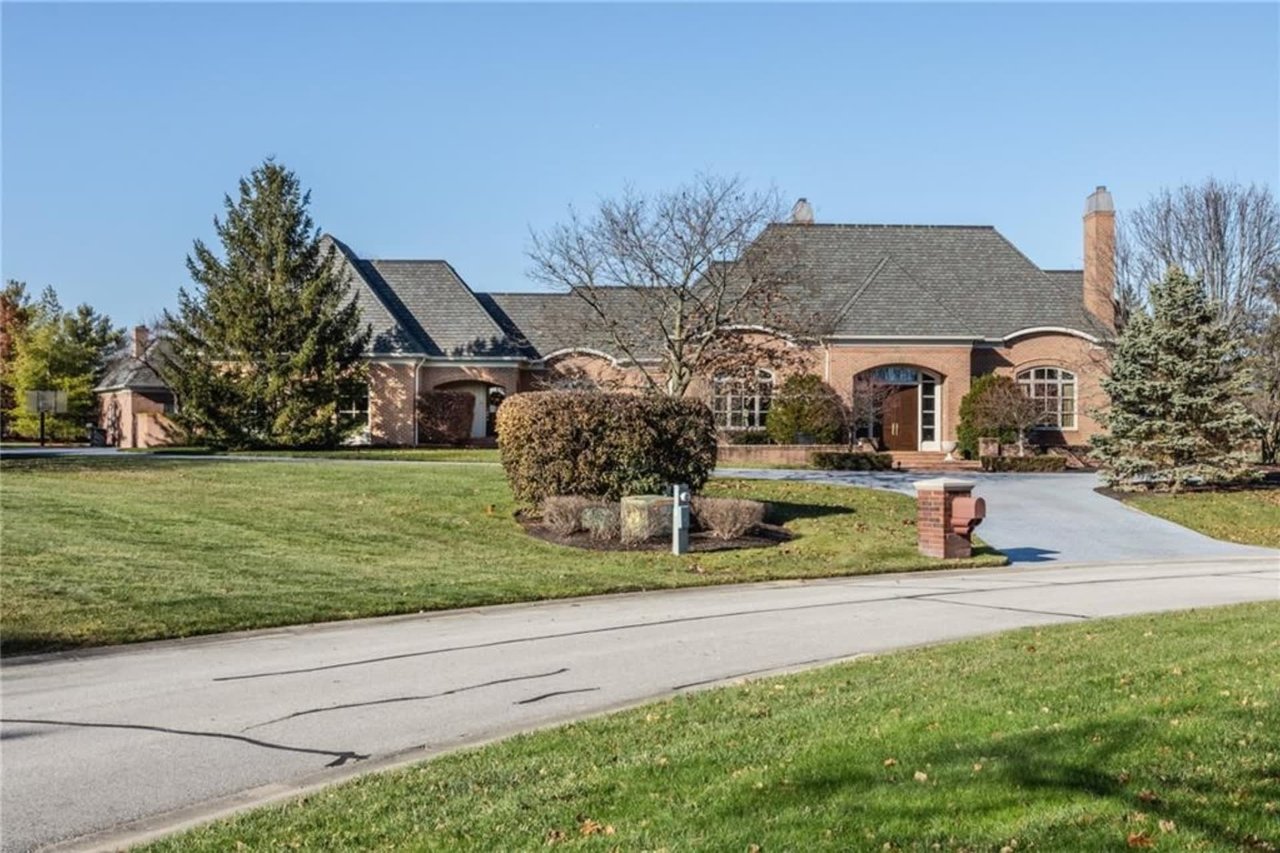
If you live in Downtown Carmel and want to understand how recent openings are affecting the neighborhood's real estate picture — what draws buyers to specific blocks, what long-term tenants signal about an address — the team at We Are Carmel Real Estate has been watching this closely. Schedule a personal market consultation to talk through what you're seeing and what it means for your home.