Trying to choose between Carmel and Zionsville? If you are relocating, moving up, or simply rethinking your next chapter, this is one of the most common northside lifestyle questions you will face. Both communities offer strong amenities and a distinct sense of place, but they feel very different once you picture your daily routine. This guide will help you compare Carmel and Zionsville through the lens that matters most: how you want to live day to day. Let’s dive in.
Carmel vs. Zionsville at a glance
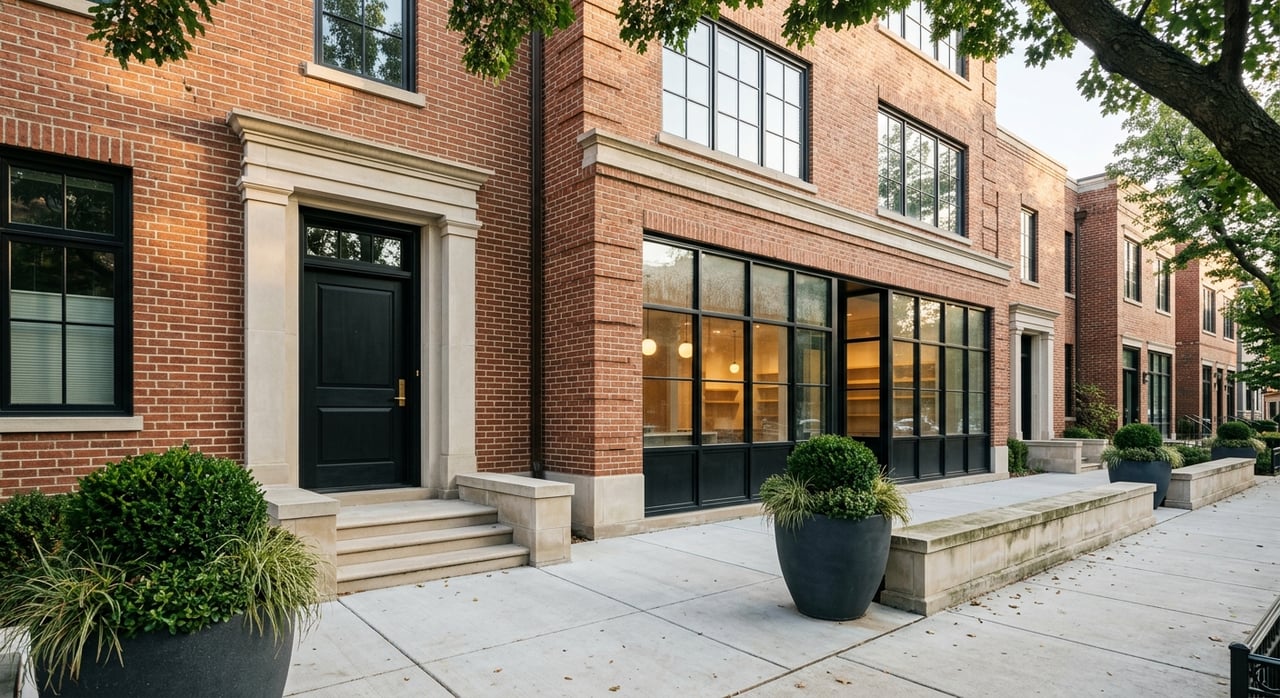
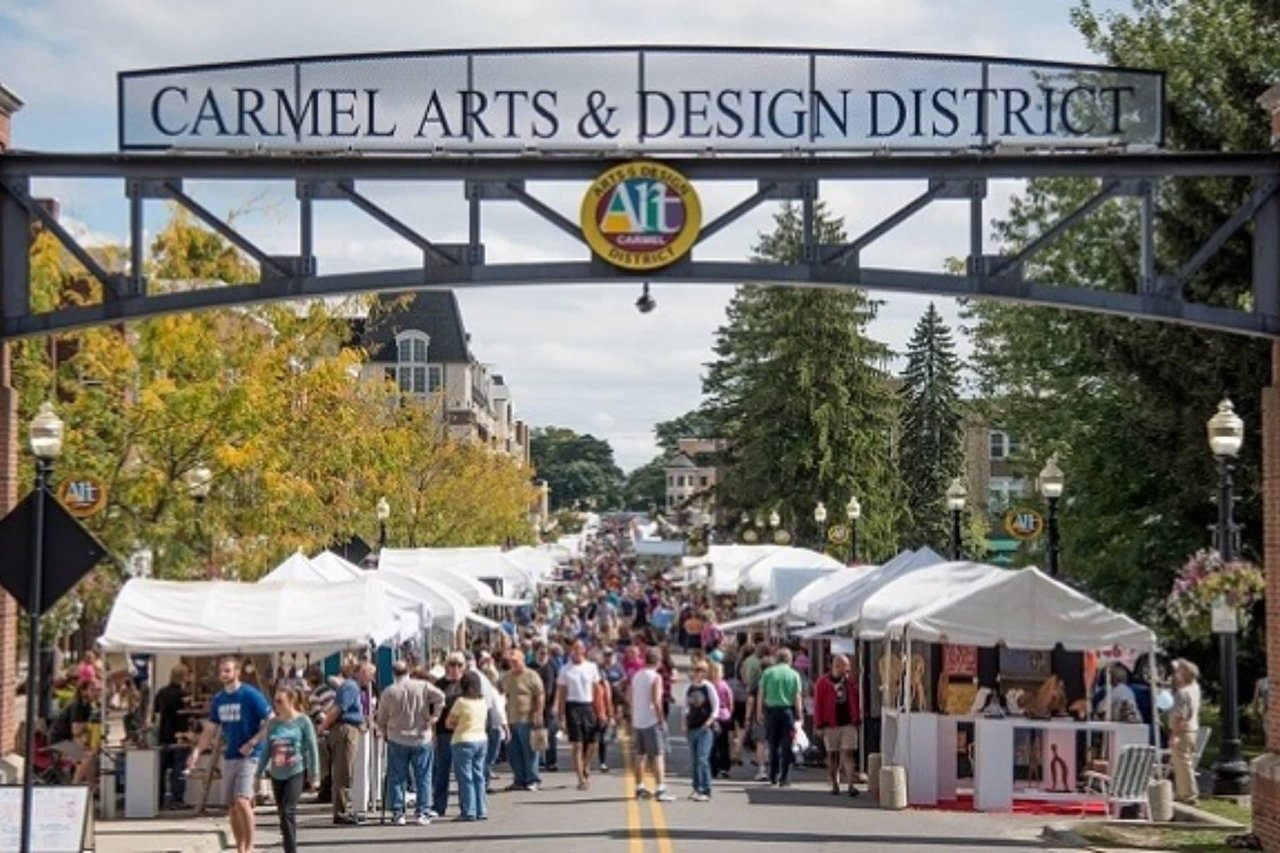
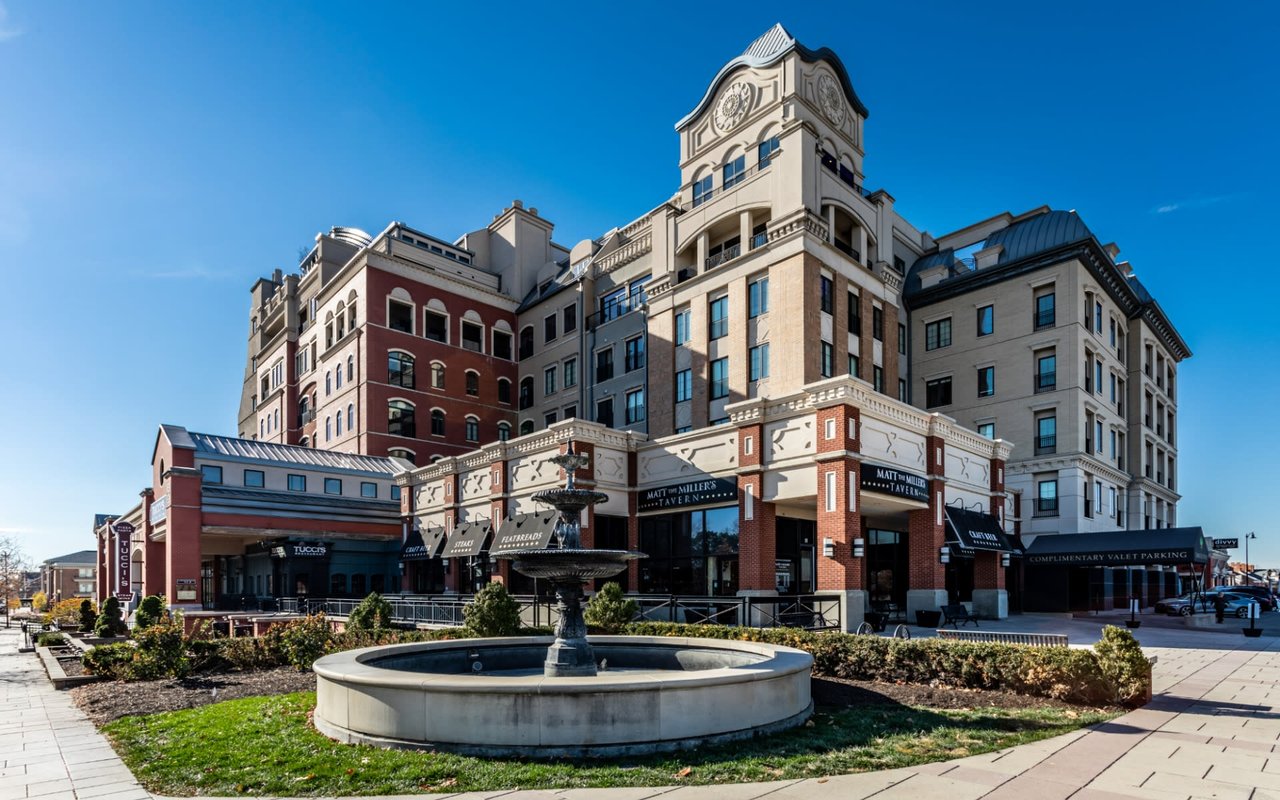
If you want the short version, Carmel generally feels more planned, more mixed-use, and more activity-rich near its core. The city describes itself through districts like Carmel City Center, the Arts & Design District, and Midtown, which together create an urban-village environment with shopping, dining, arts, and newer housing options.
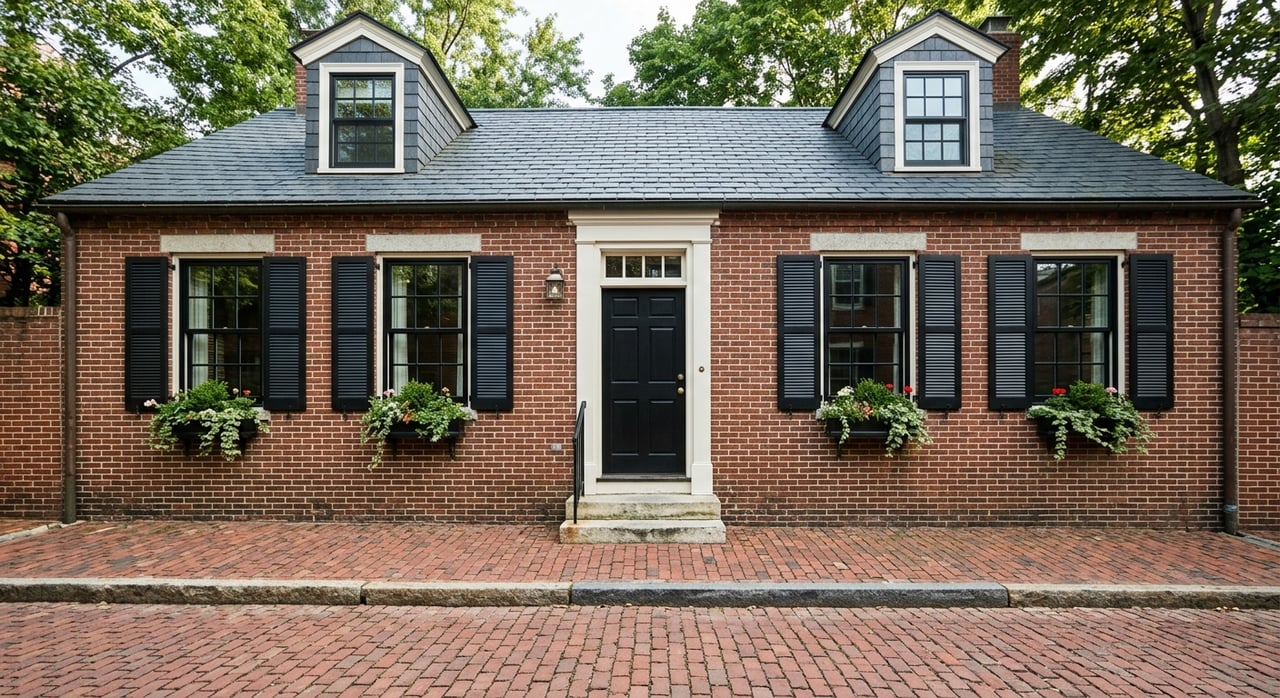
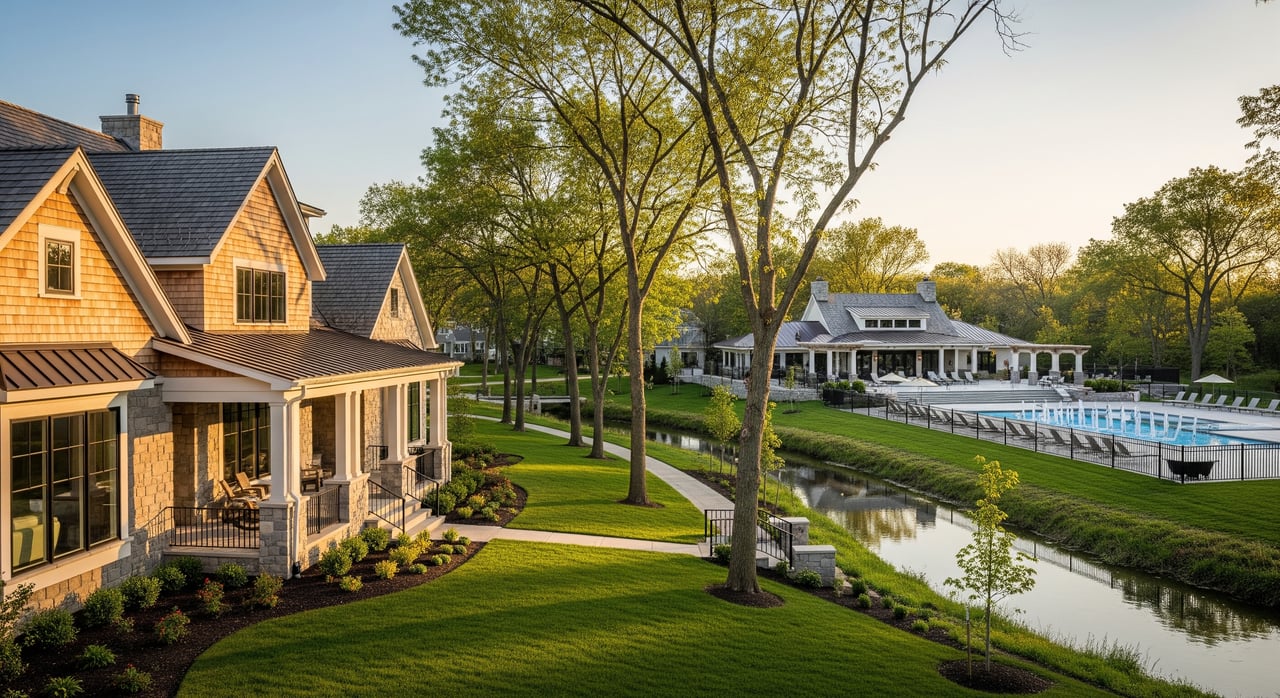
Zionsville, by contrast, is defined by its historic village identity. The town highlights its Brick Street downtown, historic buildings, and village-scale charm, which creates a smaller-scale, more traditional feel. If Carmel is the more intentionally urbanized choice, Zionsville is often the more historic and intimate one.
Downtown feel matters most
Carmel offers a more programmed core
In Carmel, downtown is not centered on a single old main street. Instead, it is organized around distinct districts that each serve a different role, from arts and dining to mixed-use living and commerce. According to the city’s overview of Carmel’s central districts, this setup supports a more amenity-dense lifestyle.
That can be a strong fit if you want your routine to include easy access to restaurants, shops, entertainment, and events. It also tends to appeal to buyers who like newer development patterns and the convenience of having multiple destinations close together.
Zionsville leans into historic village character
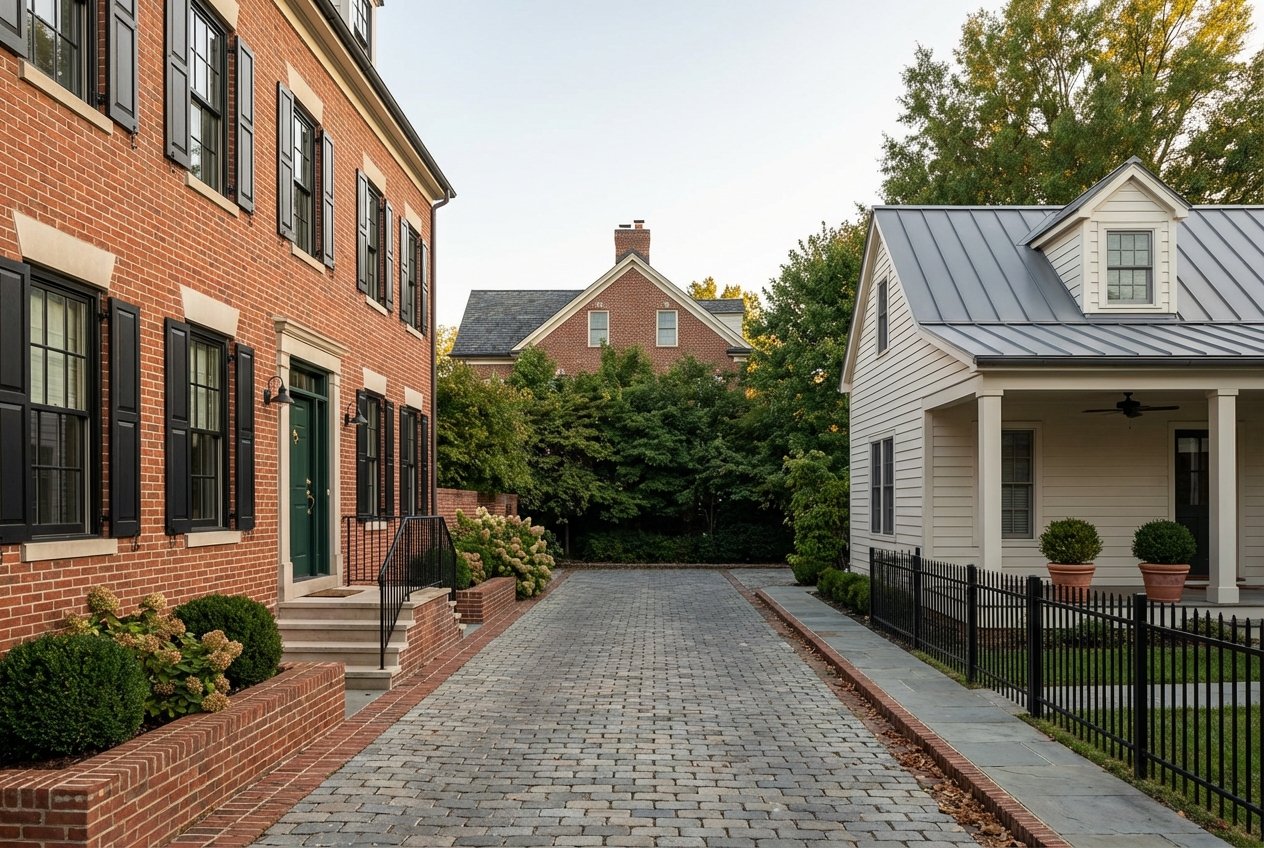
Zionsville’s downtown rhythm is different. The town emphasizes historic charm, modern-rustic uses, and development along the Brick Street, with Village Corner located at Cedar and Main in the heart of downtown.
For many buyers, that translates into a more relaxed and traditional village experience. The scale feels smaller, the setting feels more historic, and the pace often feels quieter than Carmel’s more actively programmed core.
Arts, dining, and events shape daily life
Carmel has a denser cultural scene
If you want a stronger concentration of arts and entertainment, Carmel may stand out. The Arts & Design District includes more than 11 galleries along with boutiques, antique dealers, unique shops, and restaurants. The city also highlights nightlife options such as live music, wine tasting, neighborhood pubs, and comedy nights.
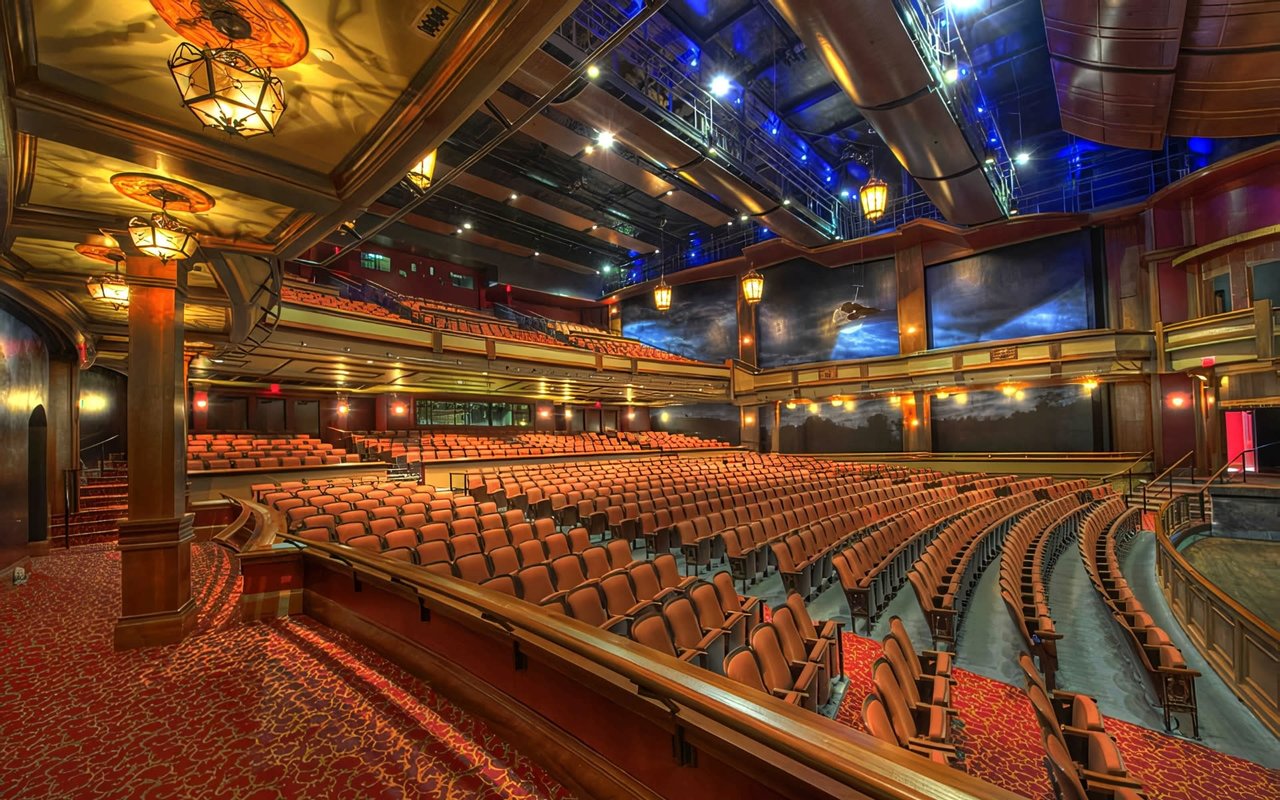
Carmel also has major performance venues through The Center for the Performing Arts, including the Palladium, the Tarkington, and the Studio Theater. Add in Carter Green events like the farmers market and Christkindlmarkt, and you get a lifestyle built around regular public programming and a full community calendar.
Zionsville feels more community-driven
Zionsville’s dining and cultural scene has a more village-oriented feel. The town notes that the Brick Street area includes restaurants, shopping, services, fitness facilities, and public spaces, and downtown events are supported by a DORA that helps restaurants, bars, and community gatherings.
The town also points to the Zionsville Cultural District, public art, Sidewalk Poetry, and seasonal programming such as Winterfest. If your ideal weekend sounds more like a stroll through a small downtown with local events rather than a larger performance calendar, Zionsville may feel more natural.
Outdoor access looks different in each place
Carmel is built for daily movement
Carmel is notably trail-forward. The city says it is a Silver Level Bicycle Friendly City, and the Monon Greenway runs through the community with Carmel maintaining the 5.2-mile section inside the city.
The Carmel Access Bikeway adds cross-city routes and loops that support biking and walking as part of everyday life, not just recreation. If you want a place where your morning ride, evening walk, or bike-to-dinner routine can feel built into the community layout, Carmel has a strong case.
Zionsville connects parks and pathways
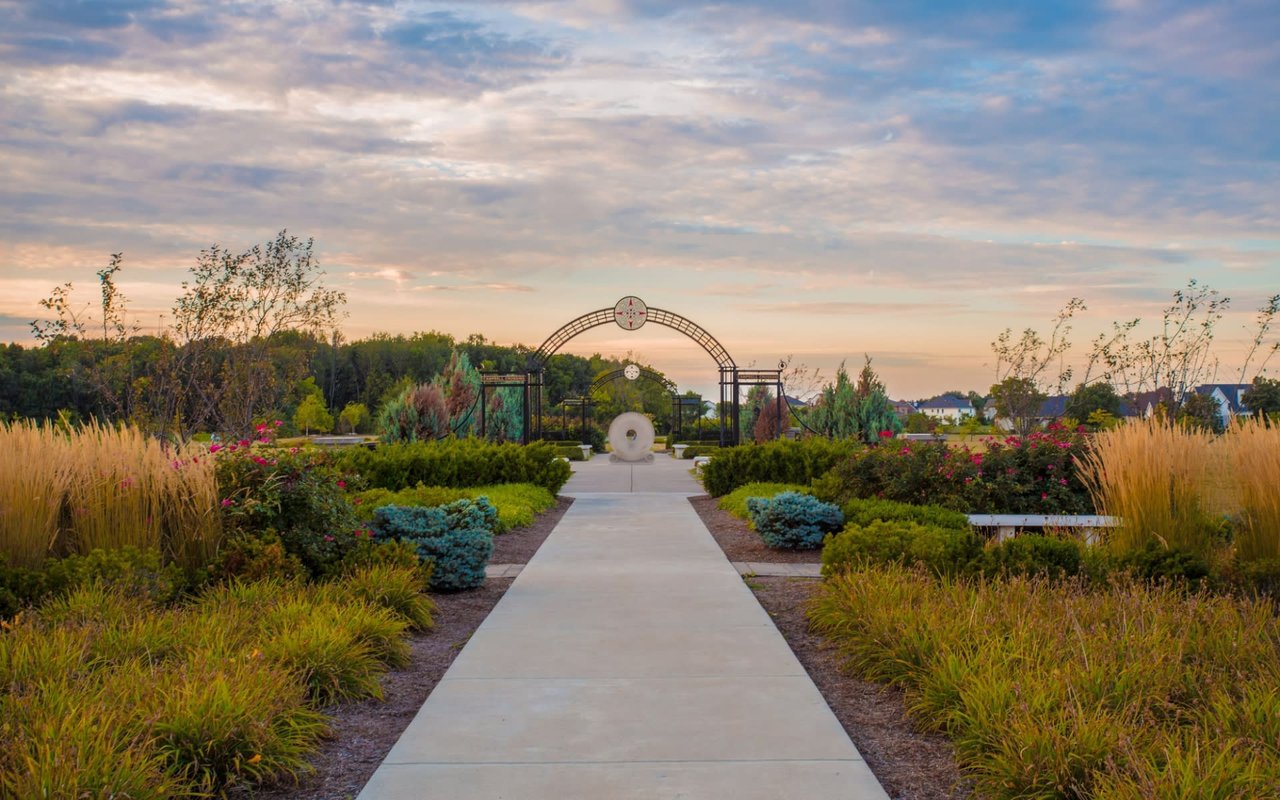
Zionsville also offers strong outdoor access, but the experience is more park-connected than urban-core connected. The Big-4 Rail Trail provides a 5-mile central spine within a broader network of more than 20 miles of interconnected paved pathways.
The town also notes that it has more than 800 acres of parkland and more than 20 parks, with Lions Park located immediately next to the village center. That setup can be especially appealing if you want a community where trails and parks are central to the lifestyle experience.
Housing style can clarify your choice
Carmel tends to favor newer mixed-use options near downtown
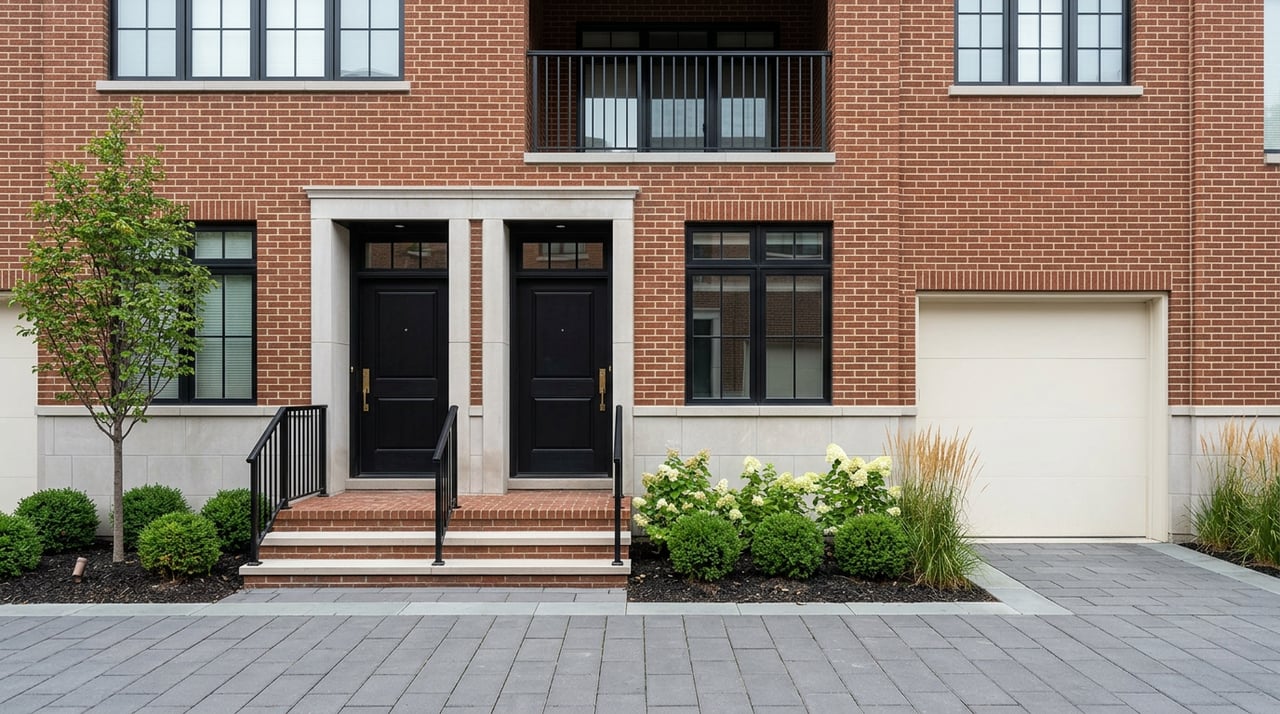
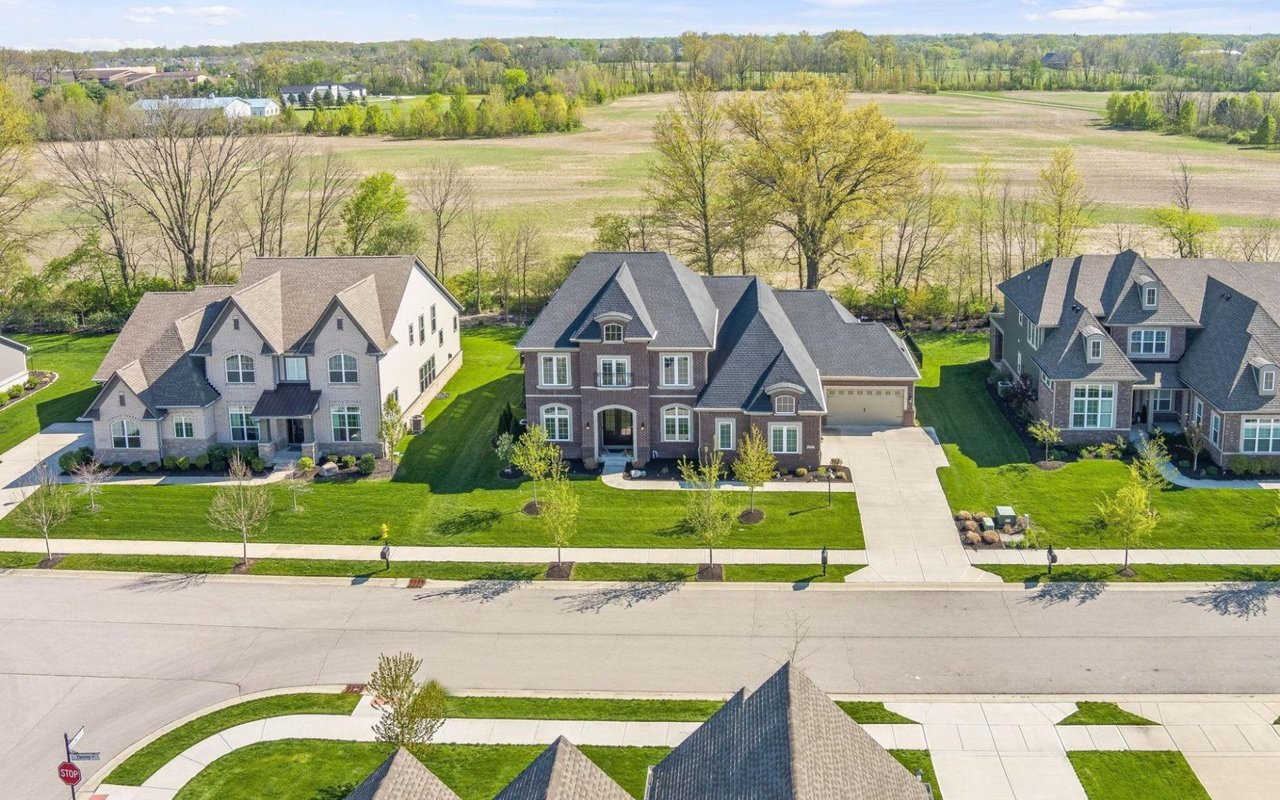
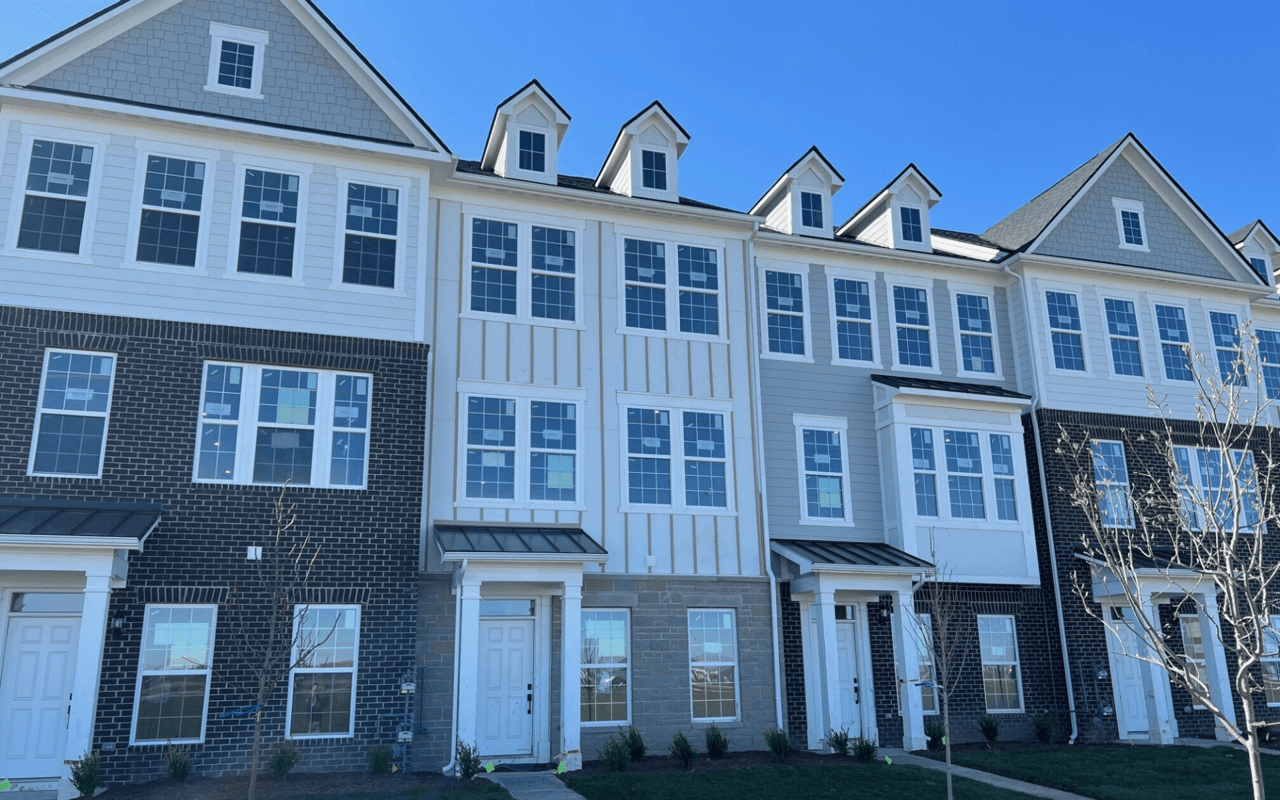
Housing style often gives buyers their clearest answer. In Carmel’s central districts, the city points to a range of developments that include apartments, condos, townhomes, retail, and office space, such as Carmel Center Apartments and other mixed-use projects described in the city overview.
In practical terms, downtown Carmel often reads as newer and more maintenance-light. If you are drawn to townhomes, condos, or attached housing near dining and entertainment, Carmel may align more closely with what you are picturing.
Zionsville offers a more historically layered housing story
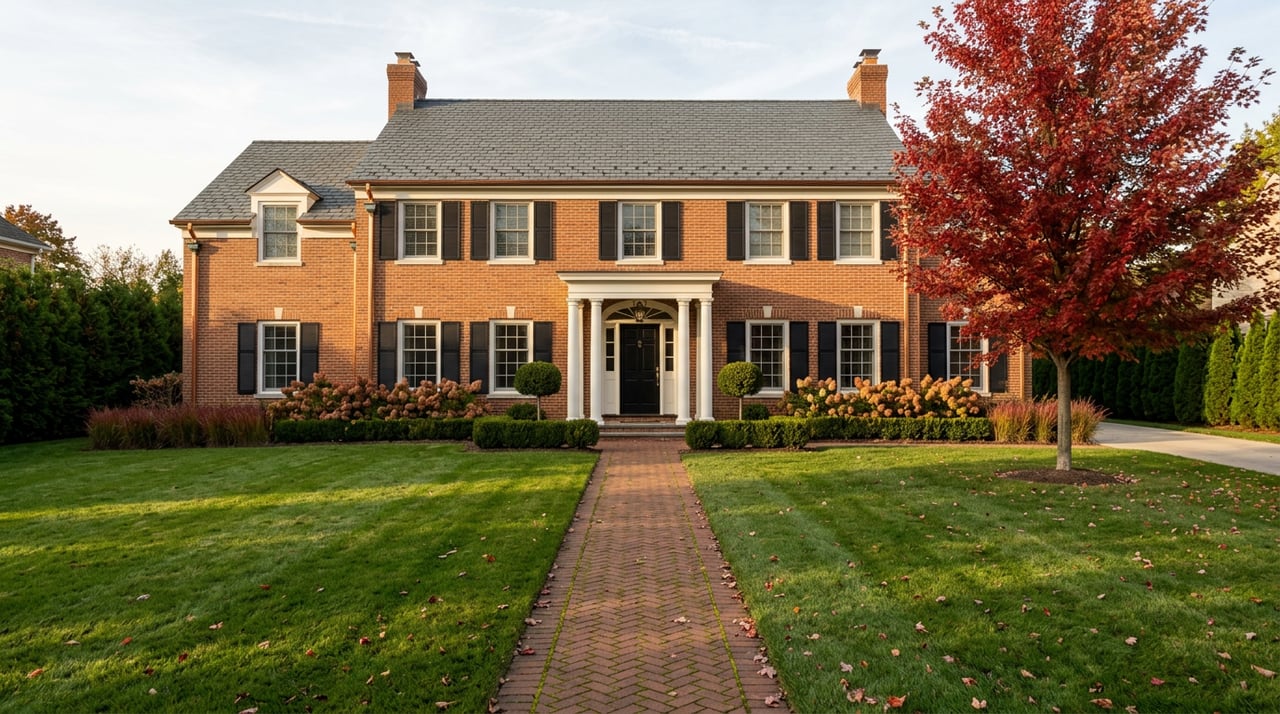
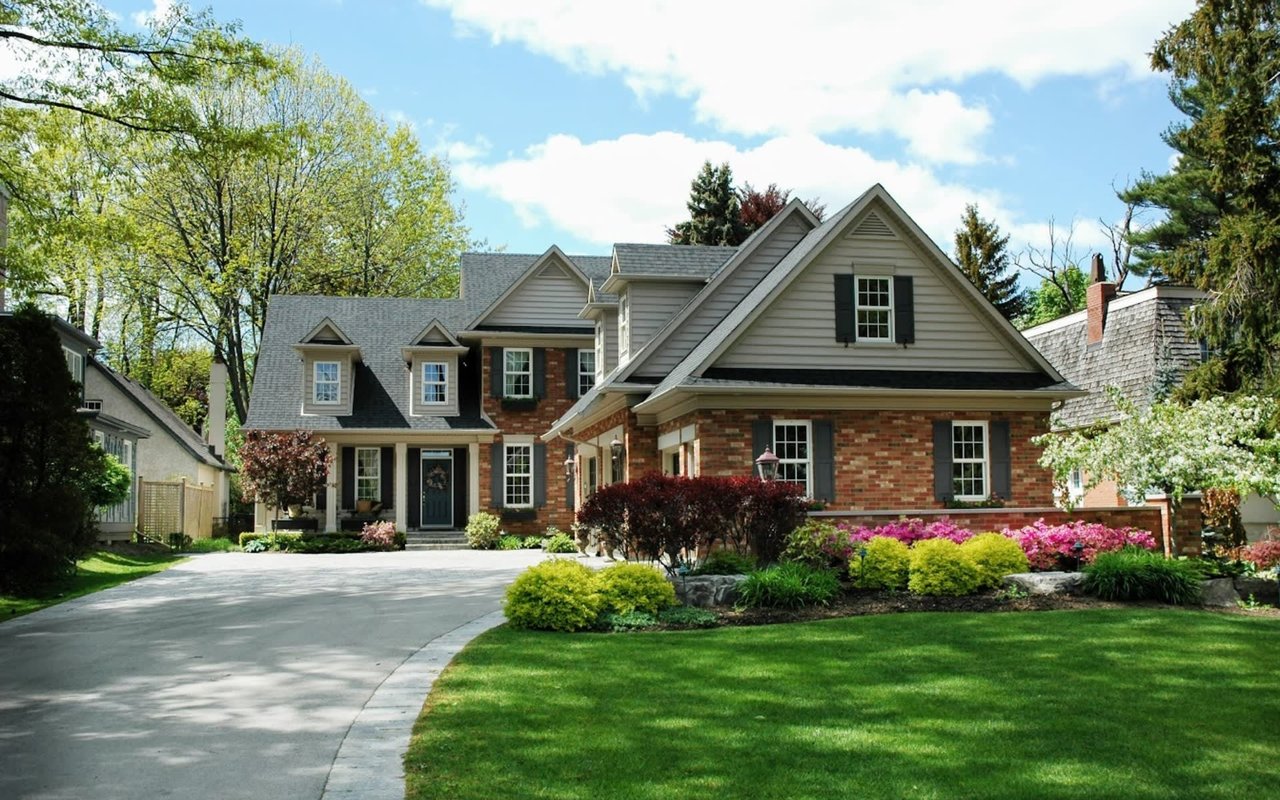
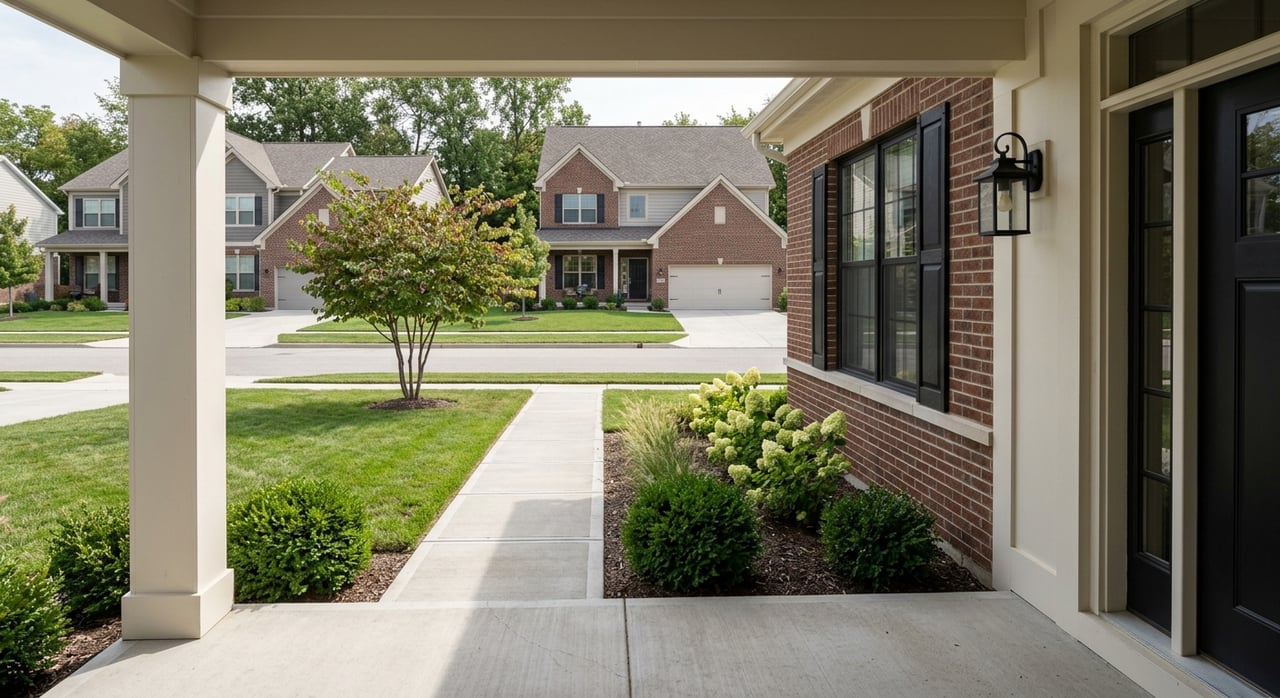
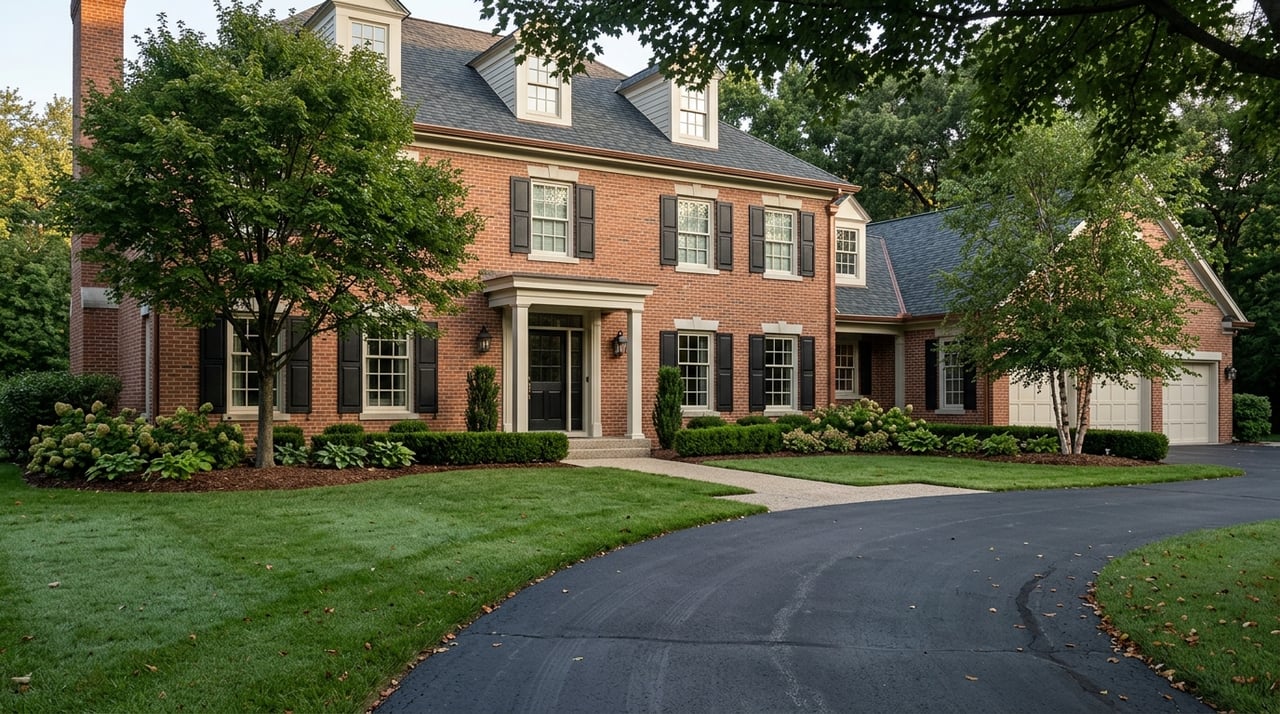
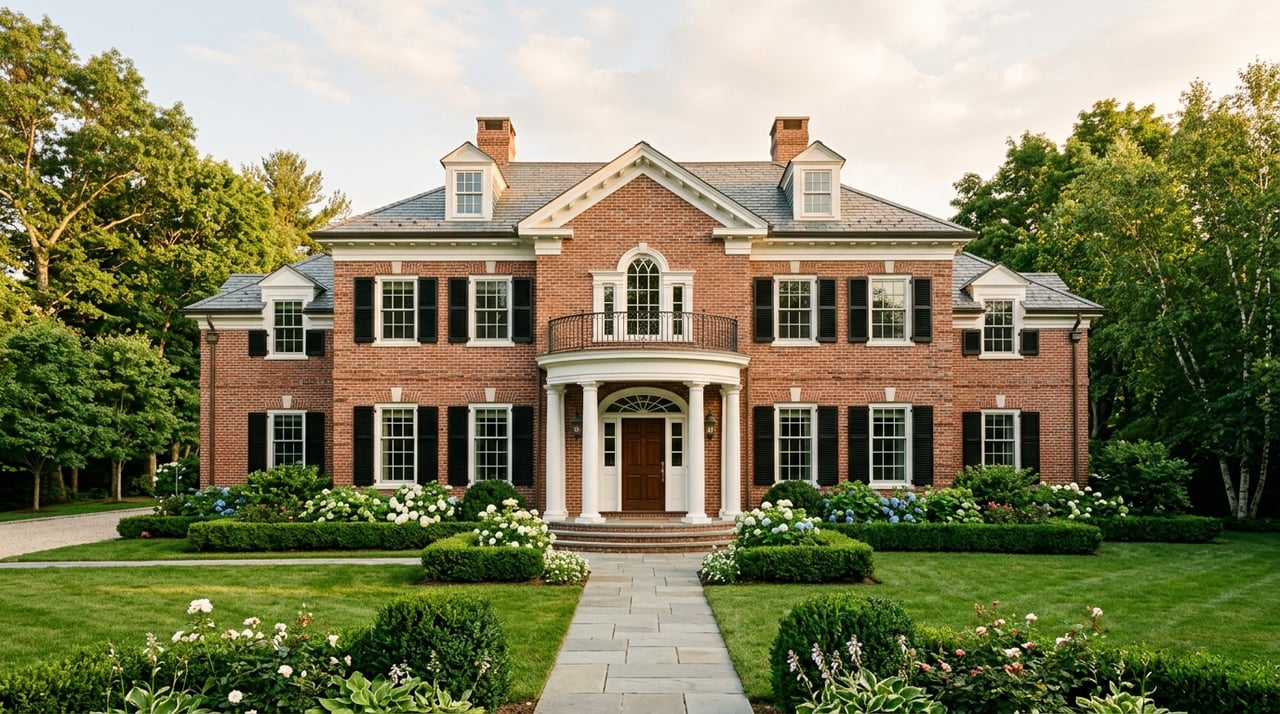
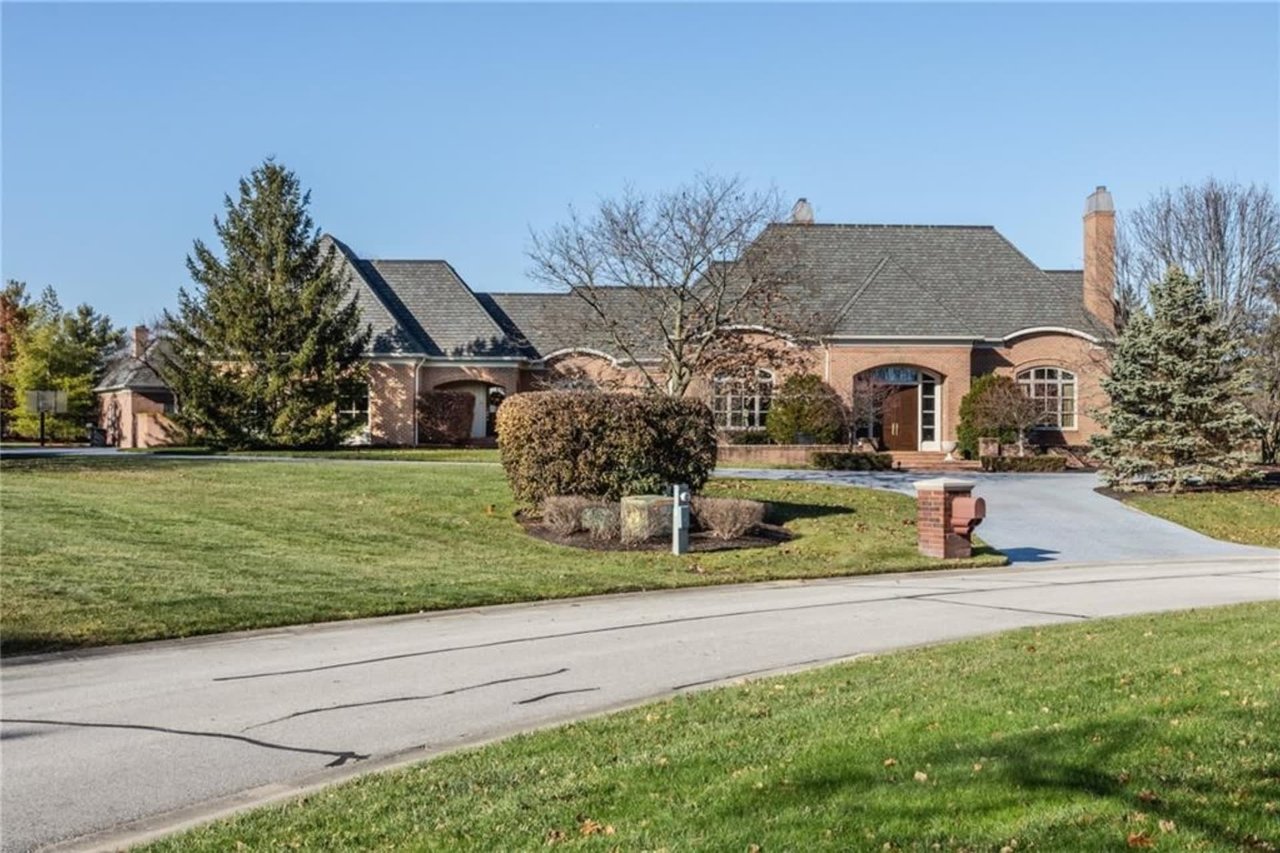
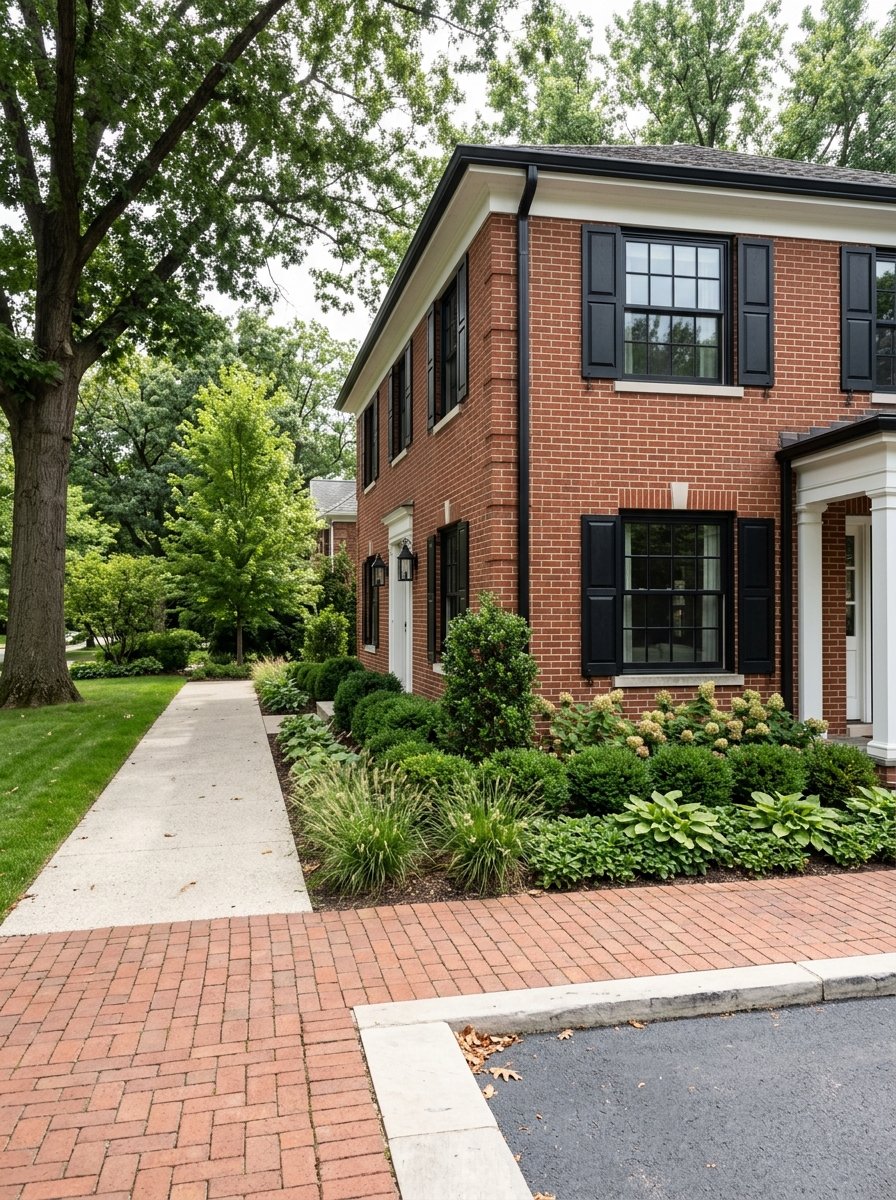
Zionsville presents a broader blend of living environments, including urban, small-town, and rural lifestyles. The town’s new resident information and village core materials point to a historic mix that includes bungalows, ranch homes, Carpenter-Builder vernacular homes, and older architectural styles like Greek Revival, Italianate, Queen Anne, Colonial Revival, and Craftsman.
That variety gives the village area a more rooted, cottage-like, and architecturally layered feel. If you want a home setting that feels connected to older streetscapes and a long-standing village identity, Zionsville may be the better fit.
Ask yourself these lifestyle questions
If you are still deciding, these questions can help simplify the choice:
- Do you want a more active, amenity-dense downtown or a quieter historic village core?
- Do you prefer newer condos, apartments, or townhomes near restaurants and events?
- Or do you picture older single-family homes and a more traditional streetscape?
- Do you want your routine centered around performing arts, nightlife, and public programming?
- Or do you prefer trails, parks, and village-scale gatherings?
When buyers feel torn between both communities, the answer is usually less about which town is "better" and more about which daily rhythm feels more natural to you.
Which buyers may prefer Carmel
Carmel may be the stronger fit if you are looking for:
- A more mixed-use and urban-village environment
- Regular access to arts, performances, and public events
- Newer attached housing near the core
- A bikeable, walkable routine woven into daily life
- Multiple downtown districts with different experiences
For relocators and downsizers in particular, Carmel can feel especially convenient if low-maintenance living and nearby amenities are high priorities.
Which buyers may prefer Zionsville
Zionsville may be the stronger fit if you are looking for:
- A historic brick-street downtown
- A quieter, more intimate village atmosphere
- Older and more architecturally varied homes near the village core
- A park- and trail-connected lifestyle
- Community events with a smaller-scale feel
If your ideal setting is traditional, charming, and rooted in historic identity, Zionsville often rises to the top.
Final thoughts on choosing your fit
The best choice comes down to the kind of place you want to wake up in, walk through, and come home to. Carmel offers a more intentionally planned, amenity-rich experience with mixed-use districts, performing arts, and newer housing near the center. Zionsville offers a more historic, village-centered lifestyle with brick streets, a quieter downtown rhythm, and housing that feels more architecturally layered.
If you are weighing Carmel against Zionsville and want guidance tailored to your lifestyle goals, housing preferences, and timeline, The CHG can help you compare your options with local insight and a concierge-level approach.
FAQs
Is Carmel or Zionsville better for a walkable daily lifestyle?
- Carmel is more strongly described as a mixed-use, district-based environment where biking and walking are built into daily movement, while Zionsville offers walkability with a more village and park-connected feel.
What is the main downtown difference between Carmel and Zionsville?
- Carmel centers its identity around planned districts like City Center, Midtown, and the Arts & Design District, while Zionsville is known for its historic Brick Street village core.
Does Carmel or Zionsville have more arts and entertainment programming?
- Carmel has a more concentrated cultural scene with galleries, nightlife, and major venues at the Center for the Performing Arts, while Zionsville’s programming is more community-driven and village-scaled.
Are housing options in Carmel and Zionsville very different?
- Yes. Carmel’s core tends to feature newer apartments, condos, and townhomes in mixed-use settings, while Zionsville’s village area includes older and more architecturally varied home styles.
Is Zionsville or Carmel better if you want a historic home feel?
- Zionsville is generally the stronger fit if you want a more historic, cottage-like, and architecturally layered village setting.
How do trails and parks compare in Carmel and Zionsville?
- Carmel emphasizes citywide biking and daily mobility through the Monon Greenway and access bikeways, while Zionsville highlights the Big-4 Rail Trail, interconnected pathways, and extensive parkland.