If you have looked at the Village of WestClay and thought, This feels like several neighborhoods in one, you are not imagining it. WestClay is a large, master-planned community in Carmel with a wide mix of home types, architectural styles, parks, pathways, and HOA expectations that can change from one section to the next. If you want a clearer picture of what it is actually like to live here, this guide will walk you through the homes, the streets, and the realities of HOA life so you can evaluate the neighborhood with confidence. Let’s dive in.
WestClay Is Not One-Size-Fits-All
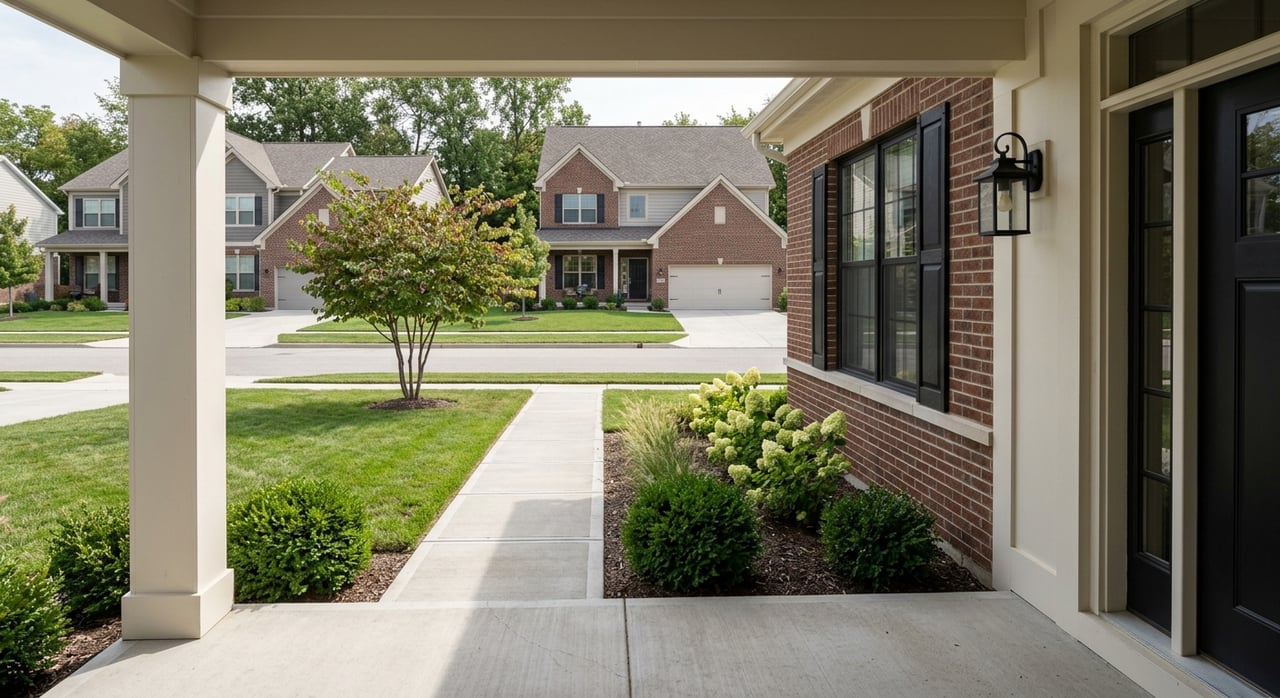
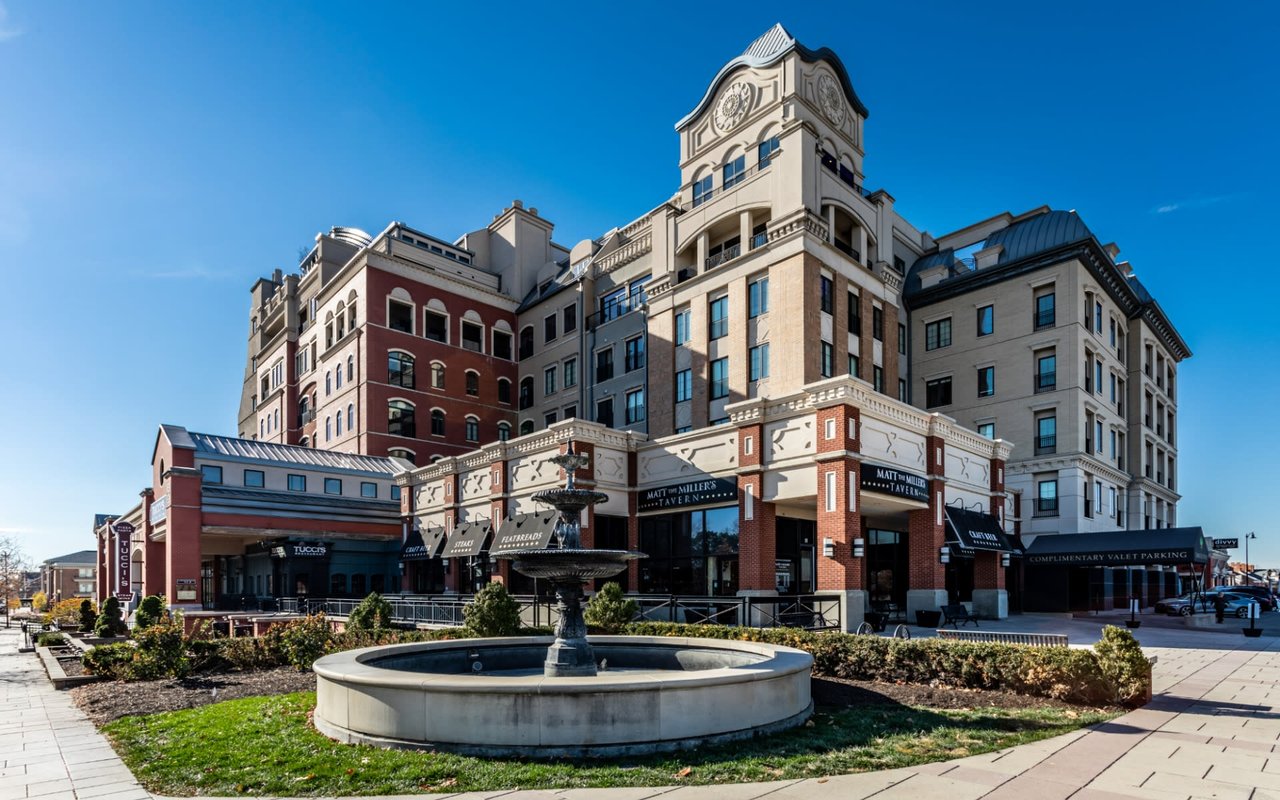
One of the biggest mistakes buyers make is assuming WestClay offers one standard home style or ownership experience. Official community materials describe it as a broad, self-contained neighborhood with apartments, single-family homes, duplexes, townhomes, and village-center mixed-use areas.
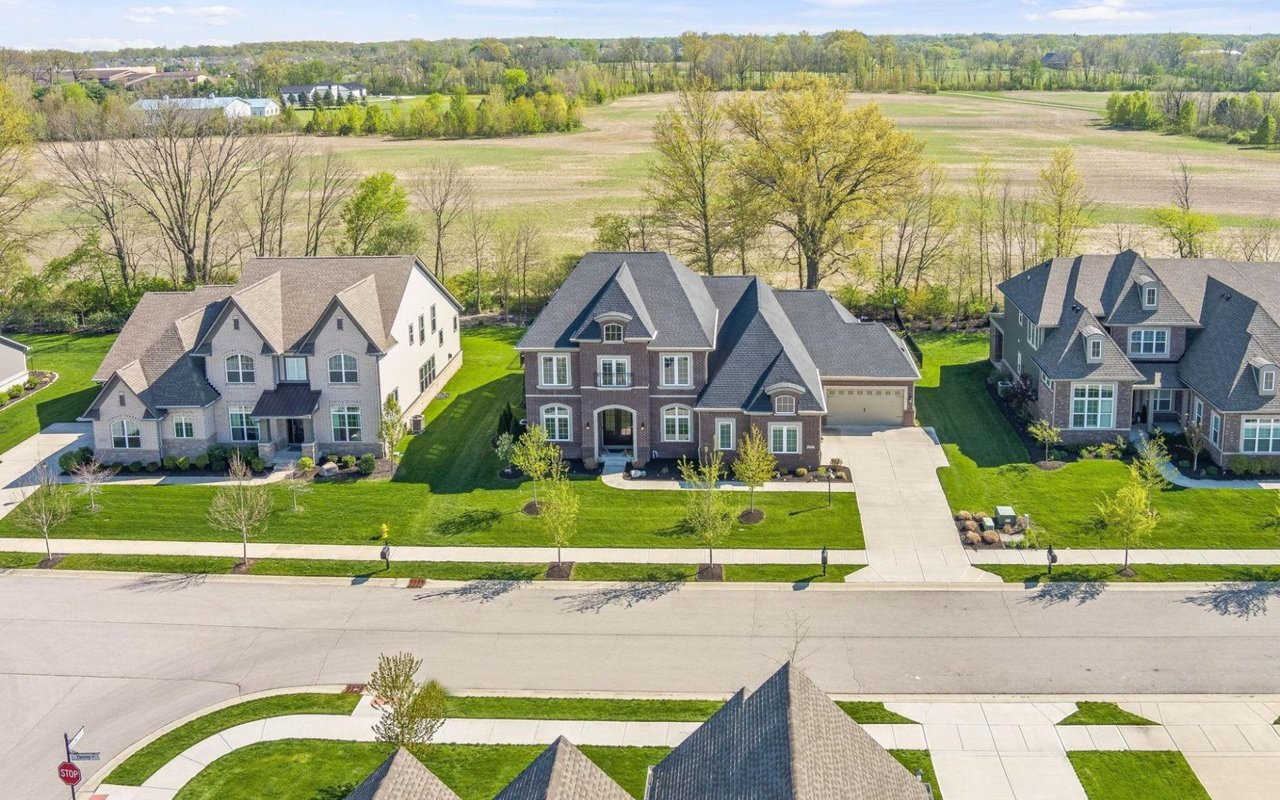
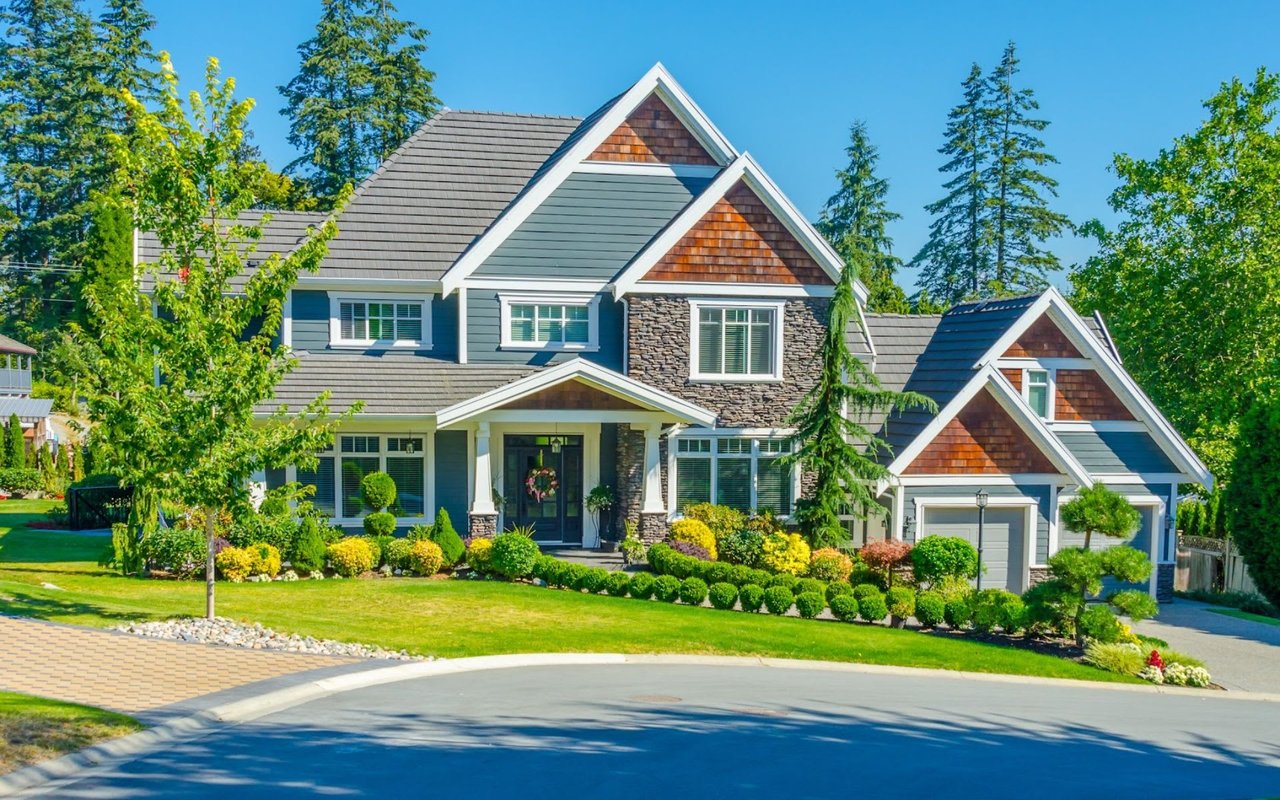
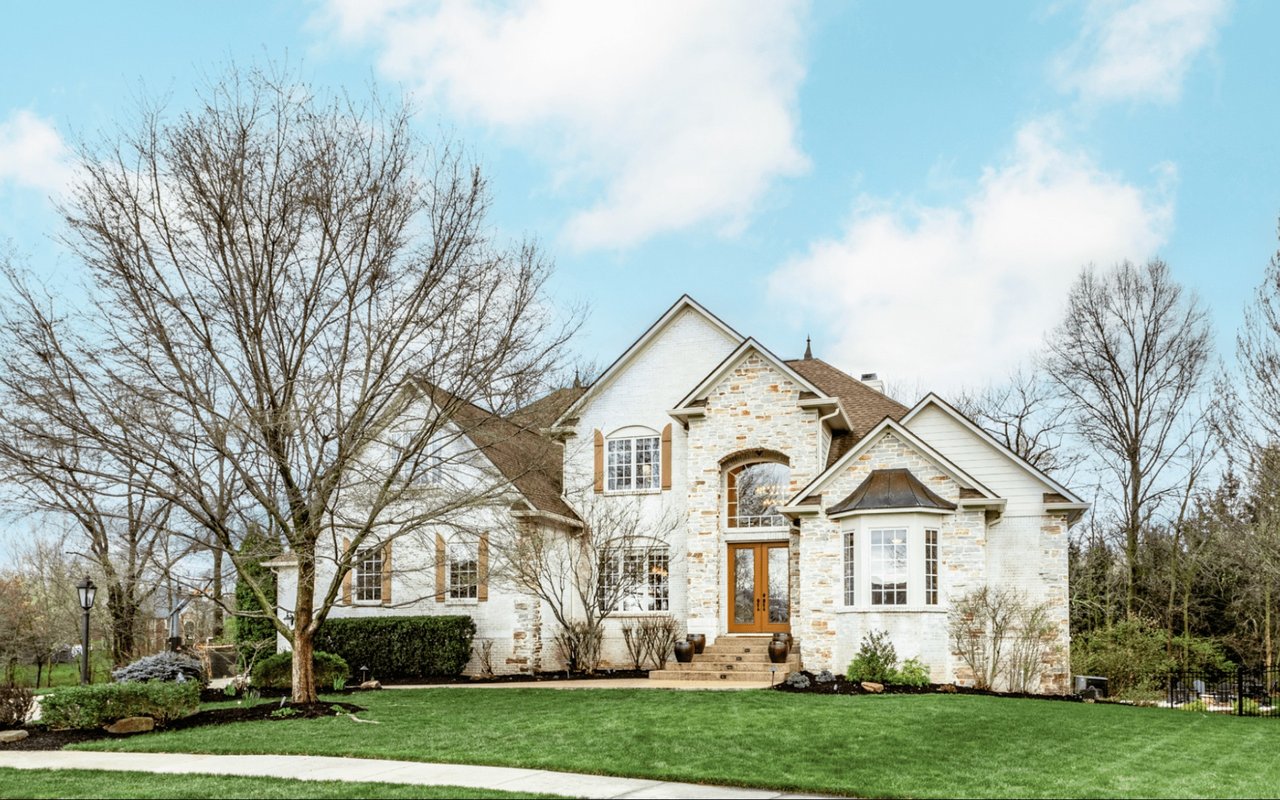
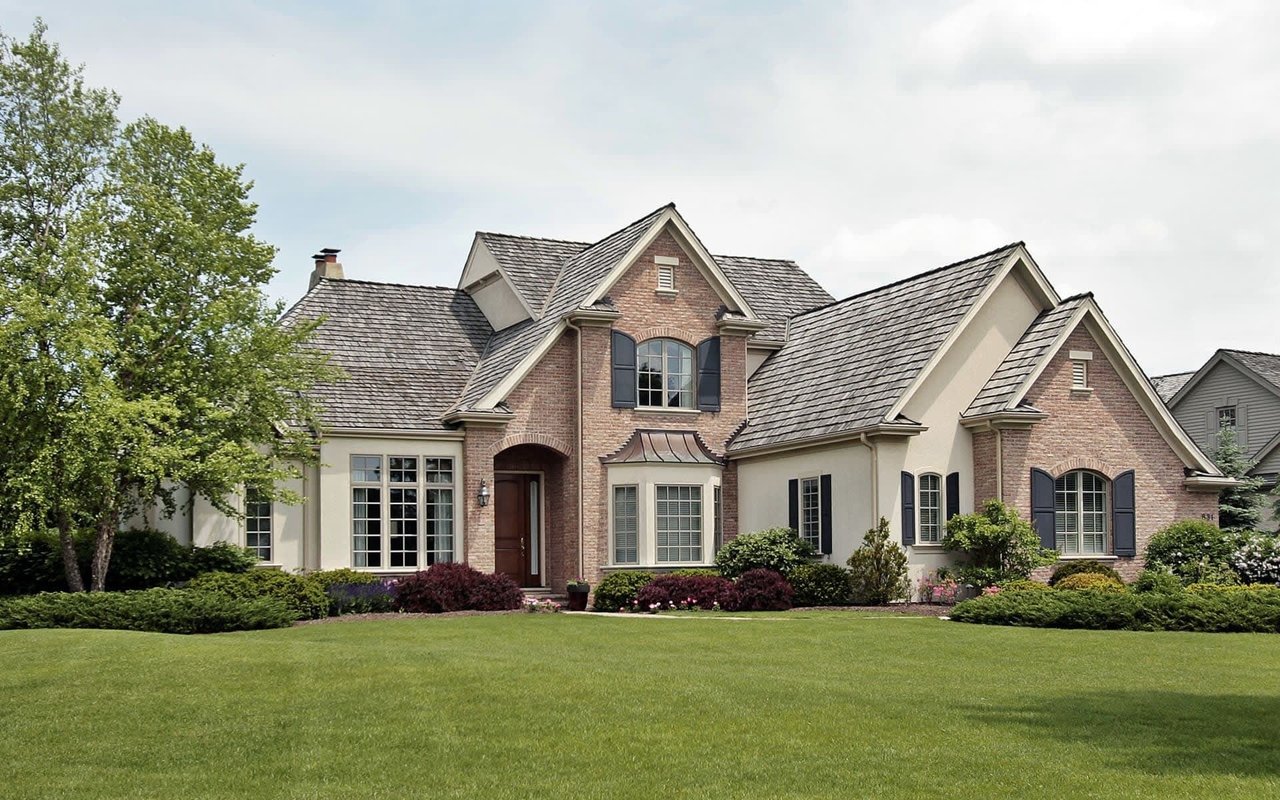
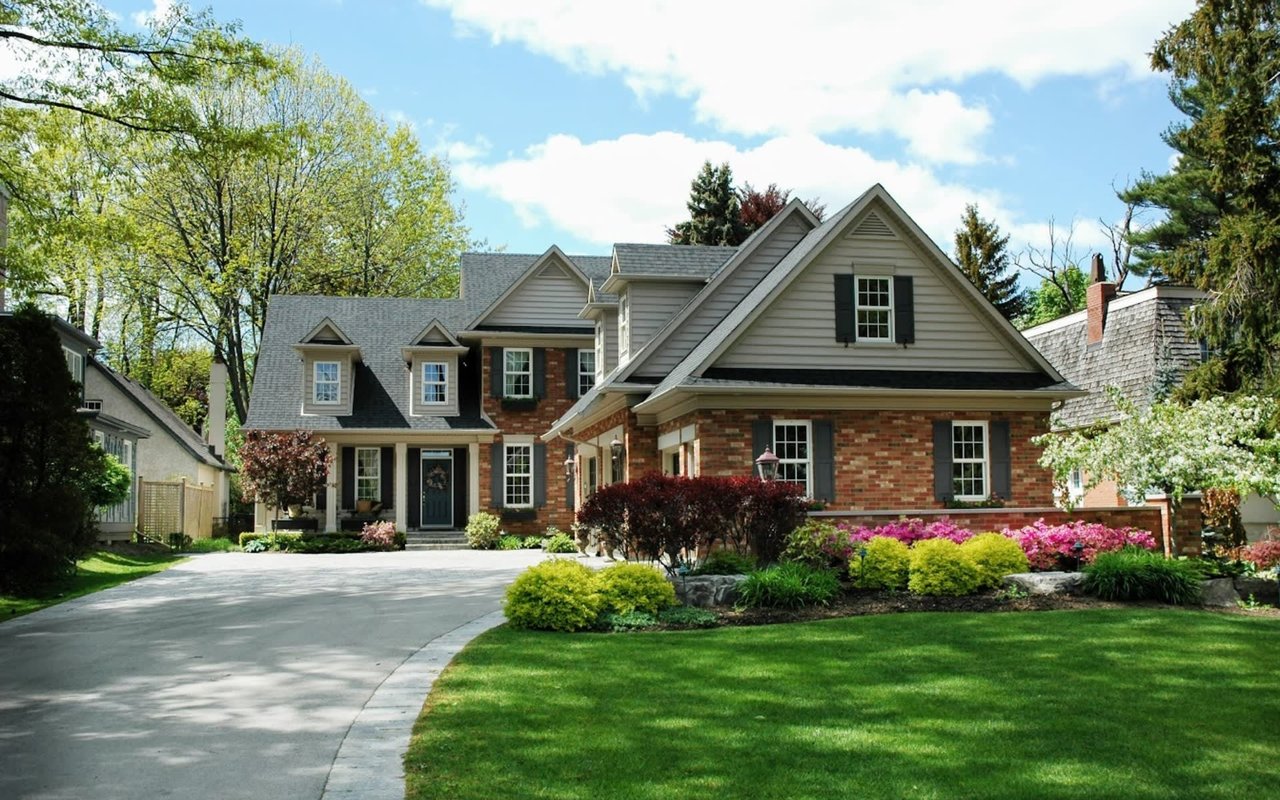
That variety shows up in real listings and public records. You can find a smaller attached home around 713 square feet, a townhome around 2,472 square feet, and a large estate home over 6,400 square feet in the same community. Lot sizes also vary widely, from compact townhome parcels to much larger estate lots.
For you as a buyer, that means WestClay is less about finding the typical home and more about finding the right section. Your day-to-day experience may feel very different depending on whether you choose a condo, townhome, villa, or estate property.
Home Styles Across WestClay
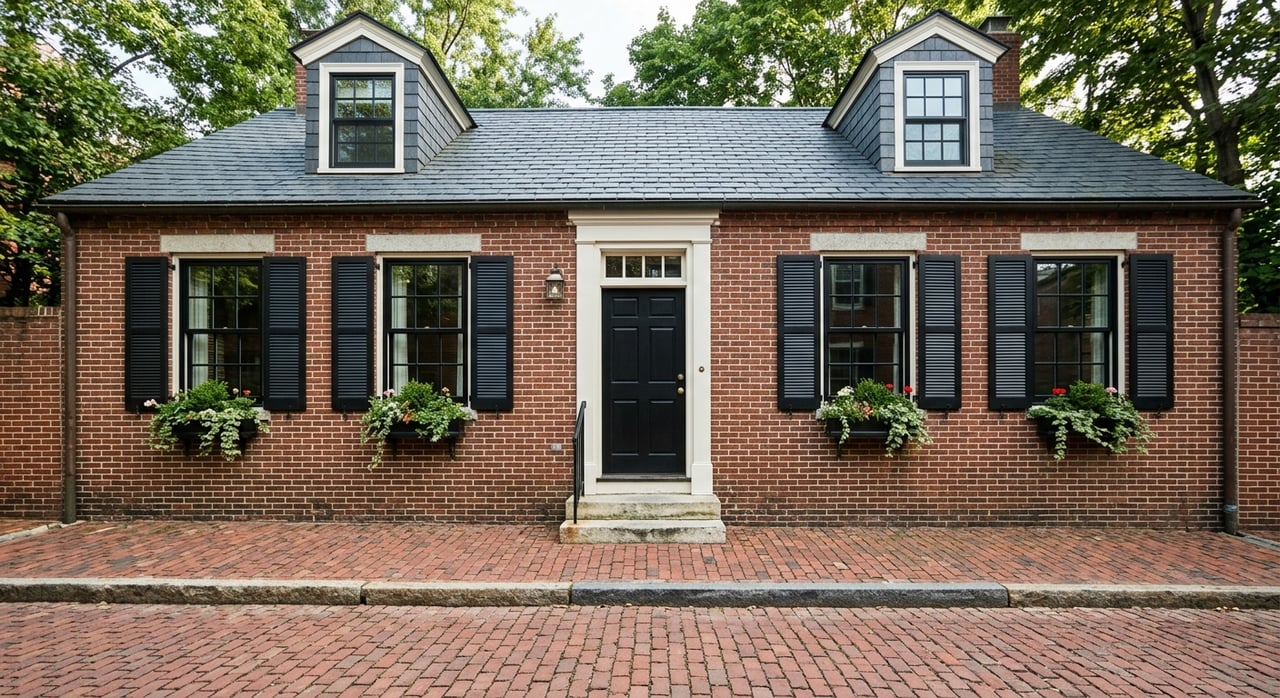
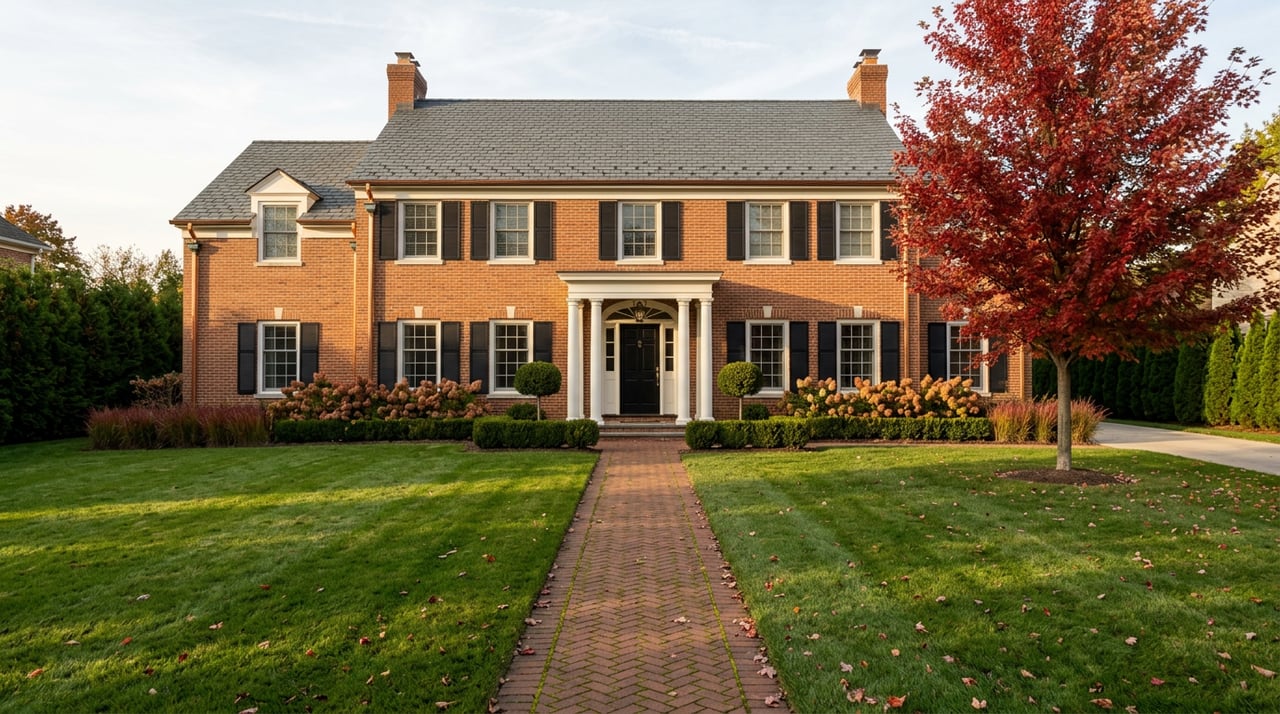
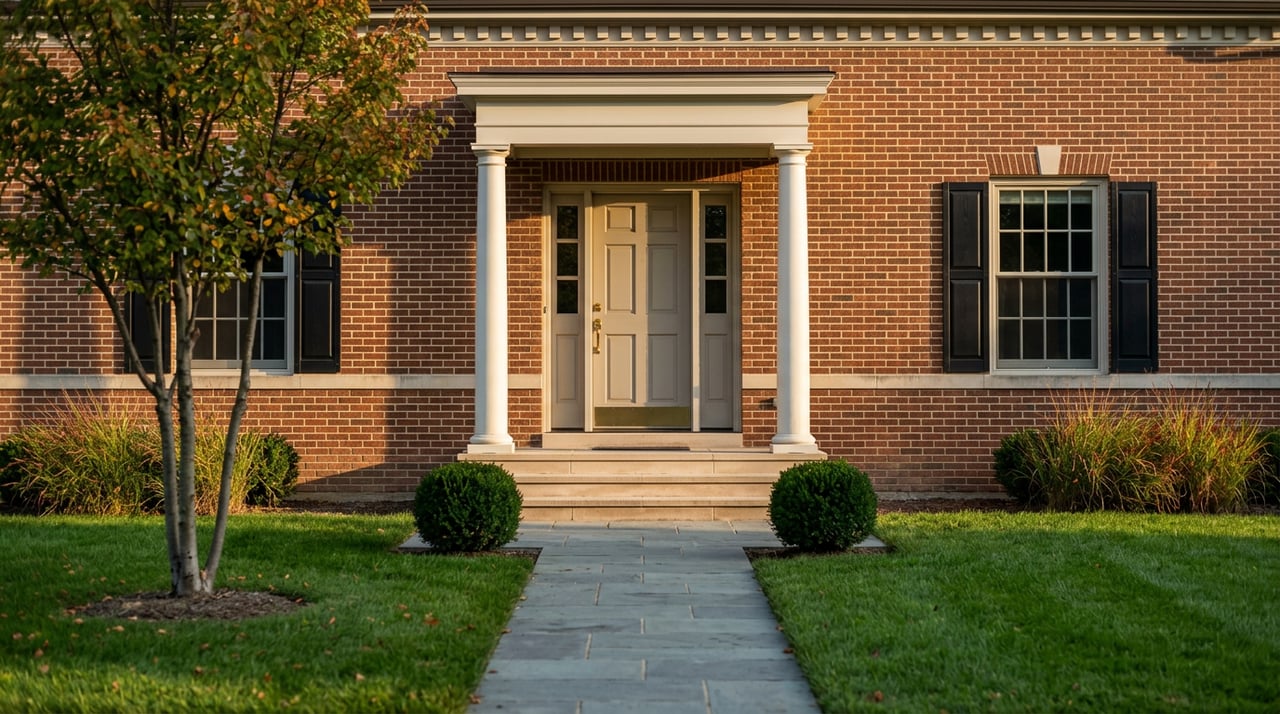
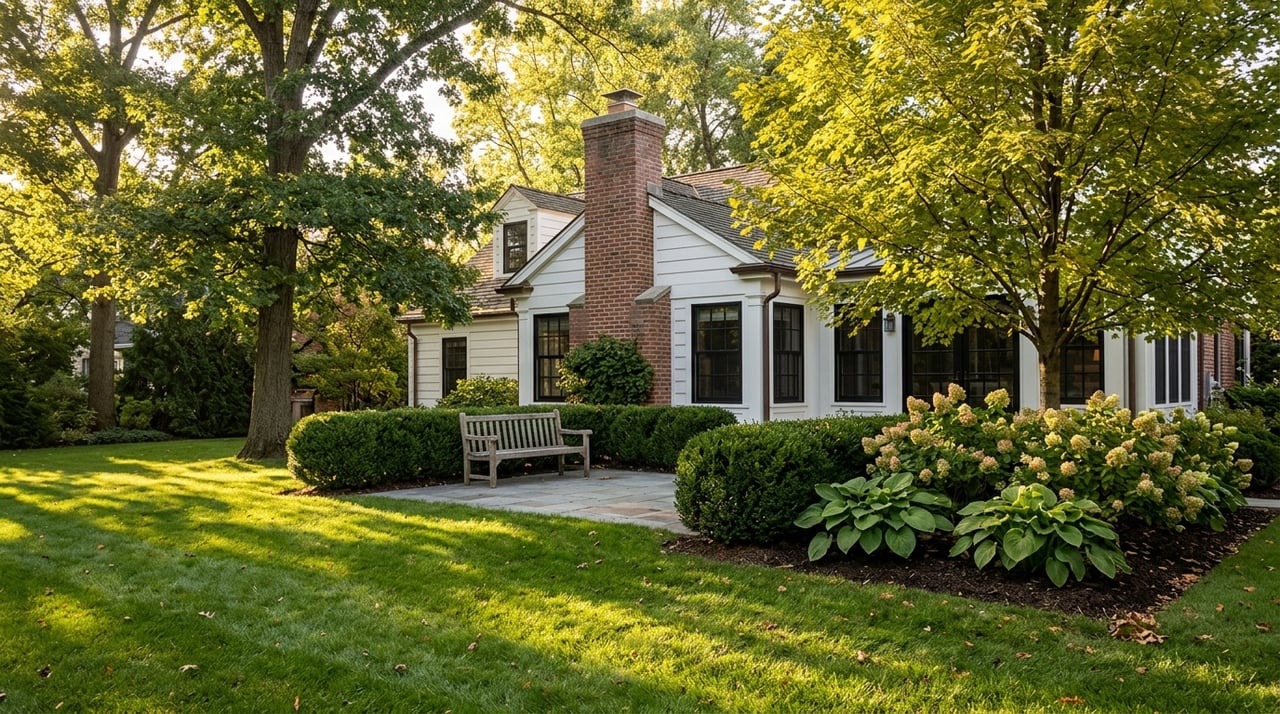
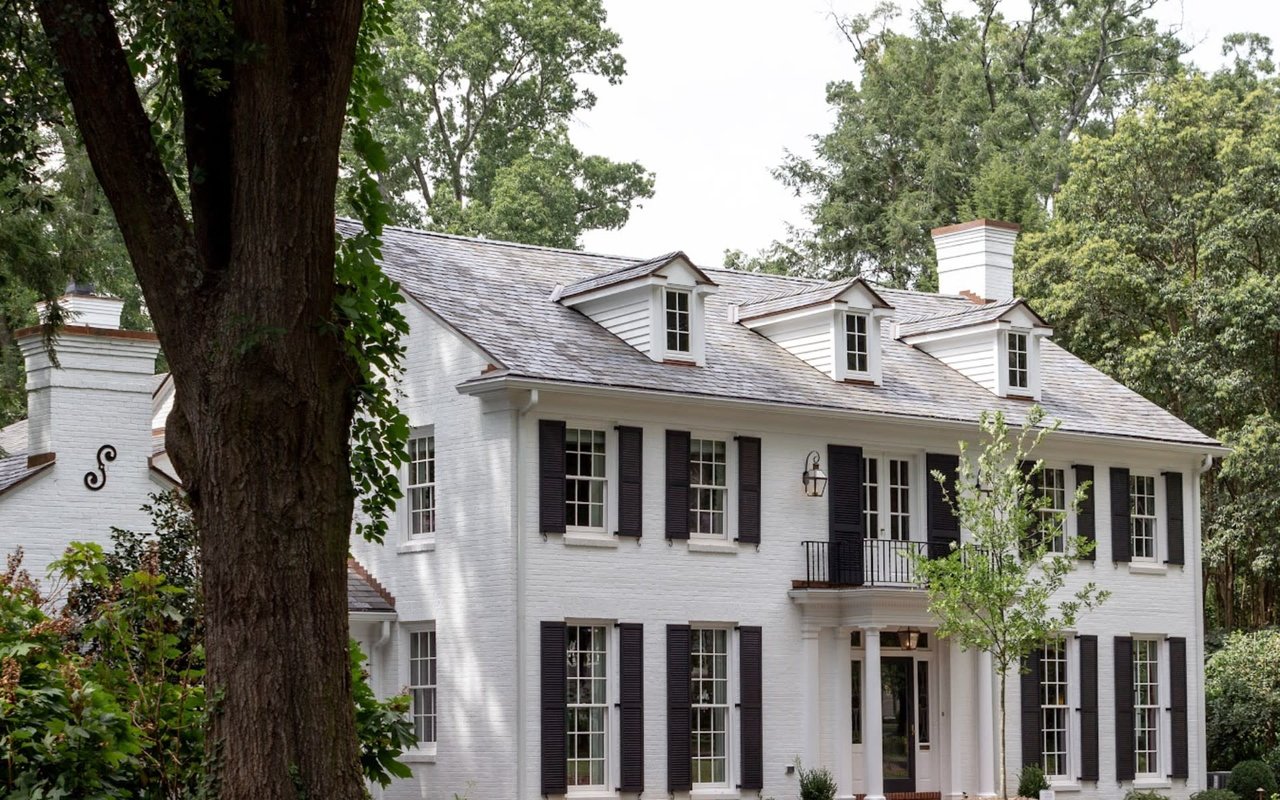
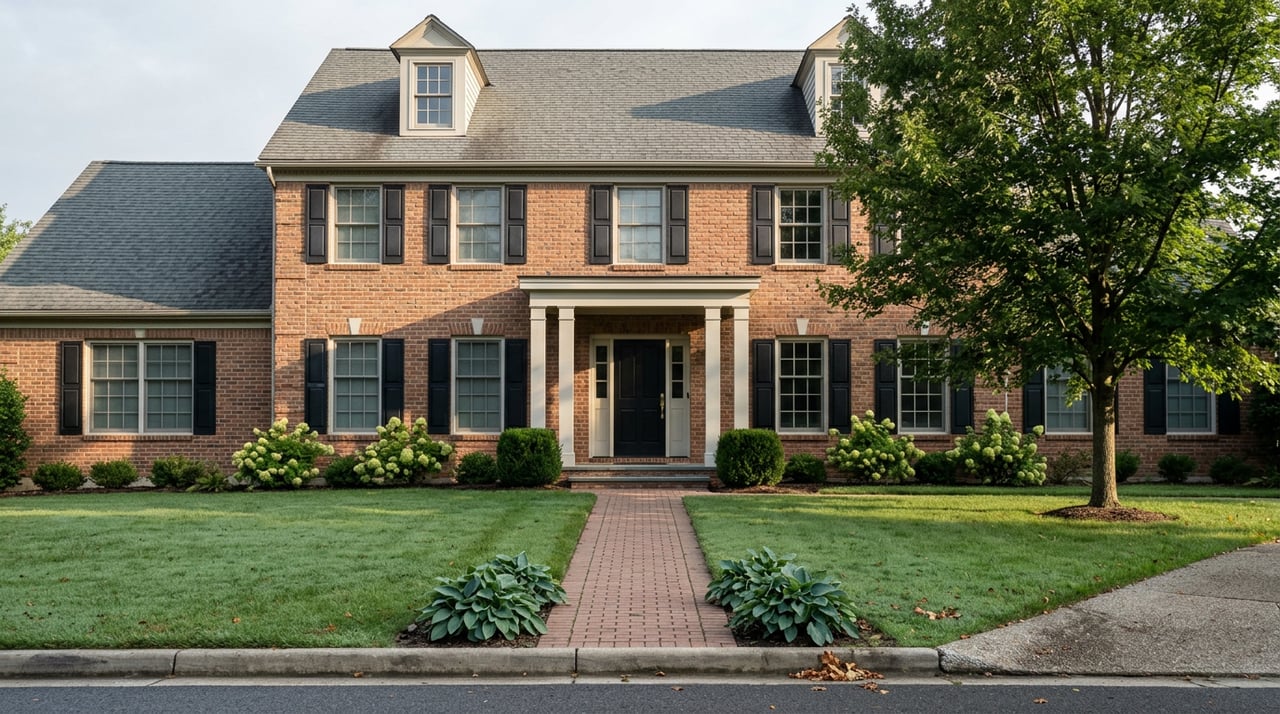
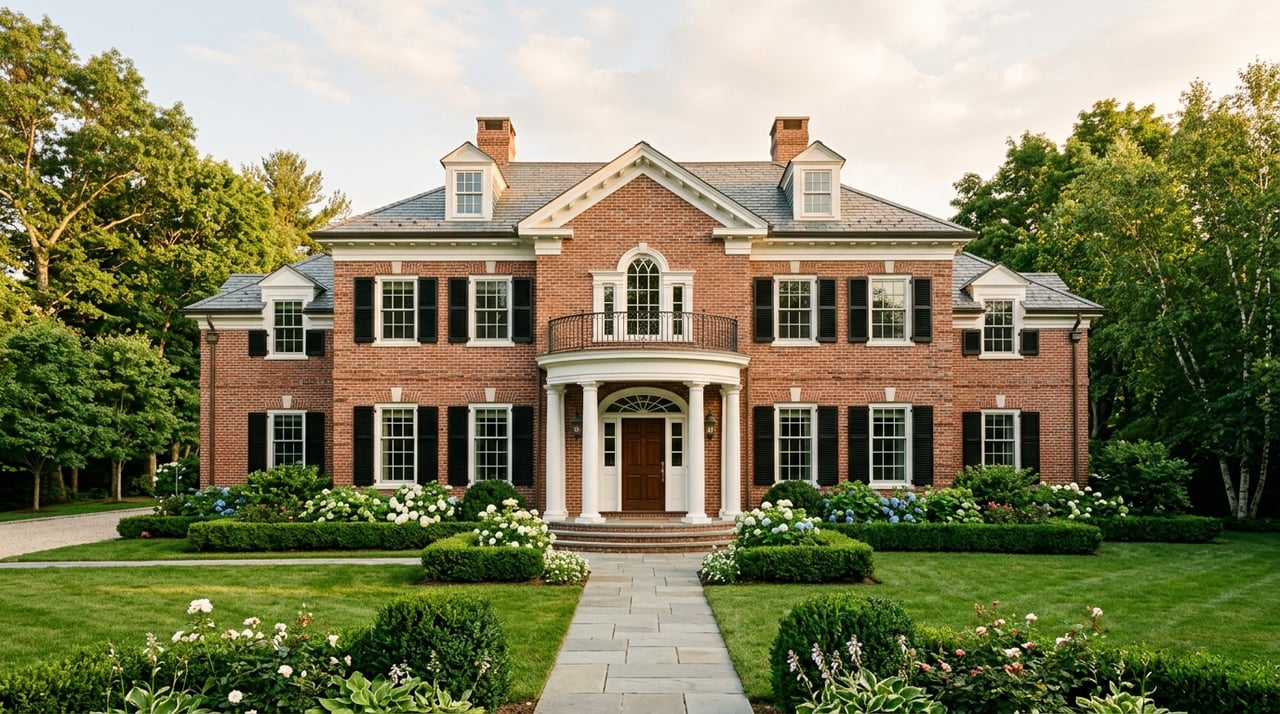
The official neighborhood guide points to a strong traditional design language throughout the community. Village homes are described as predominantly Federal, Greek Revival, Italianate, and Gothic Revival, with later Victorian styles also present.
That does not mean every street looks the same. Different sections carry their own architectural cues, which is part of what gives WestClay its layered, village-like feel.
Estate Sections
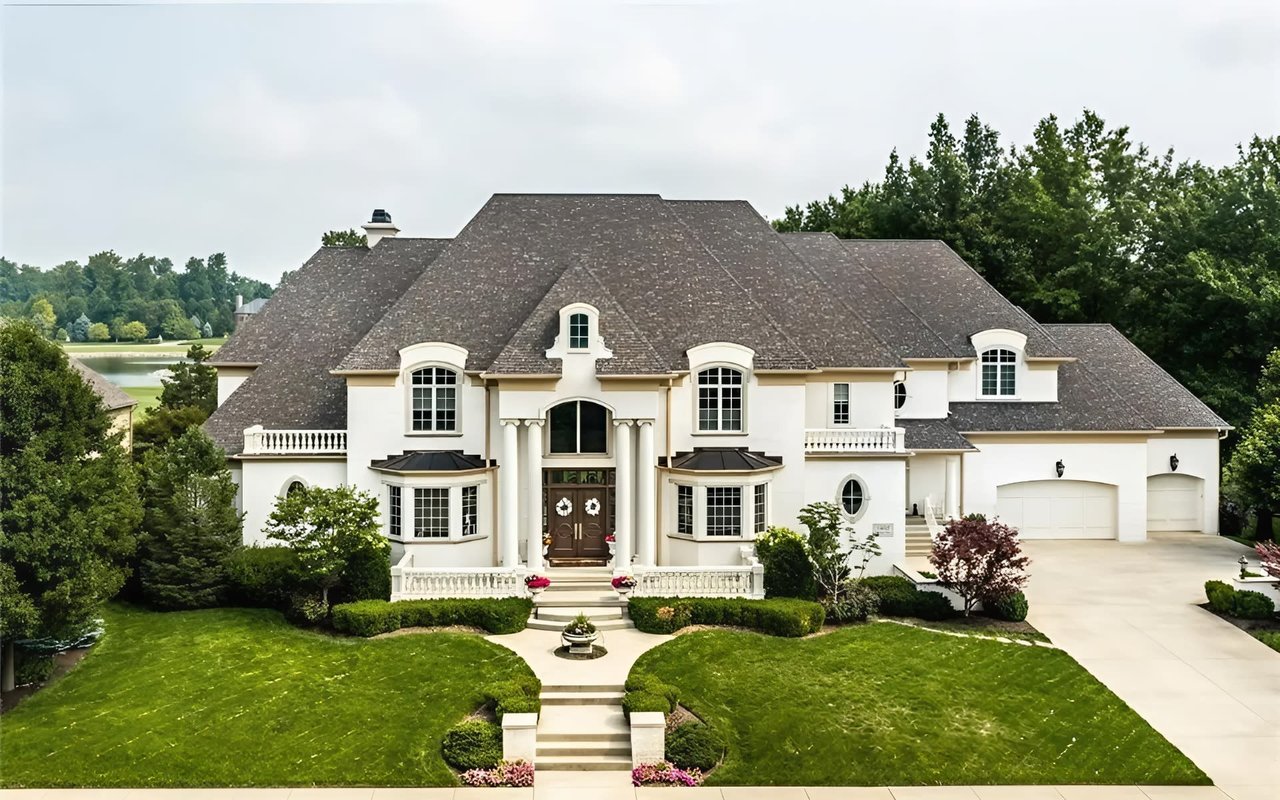
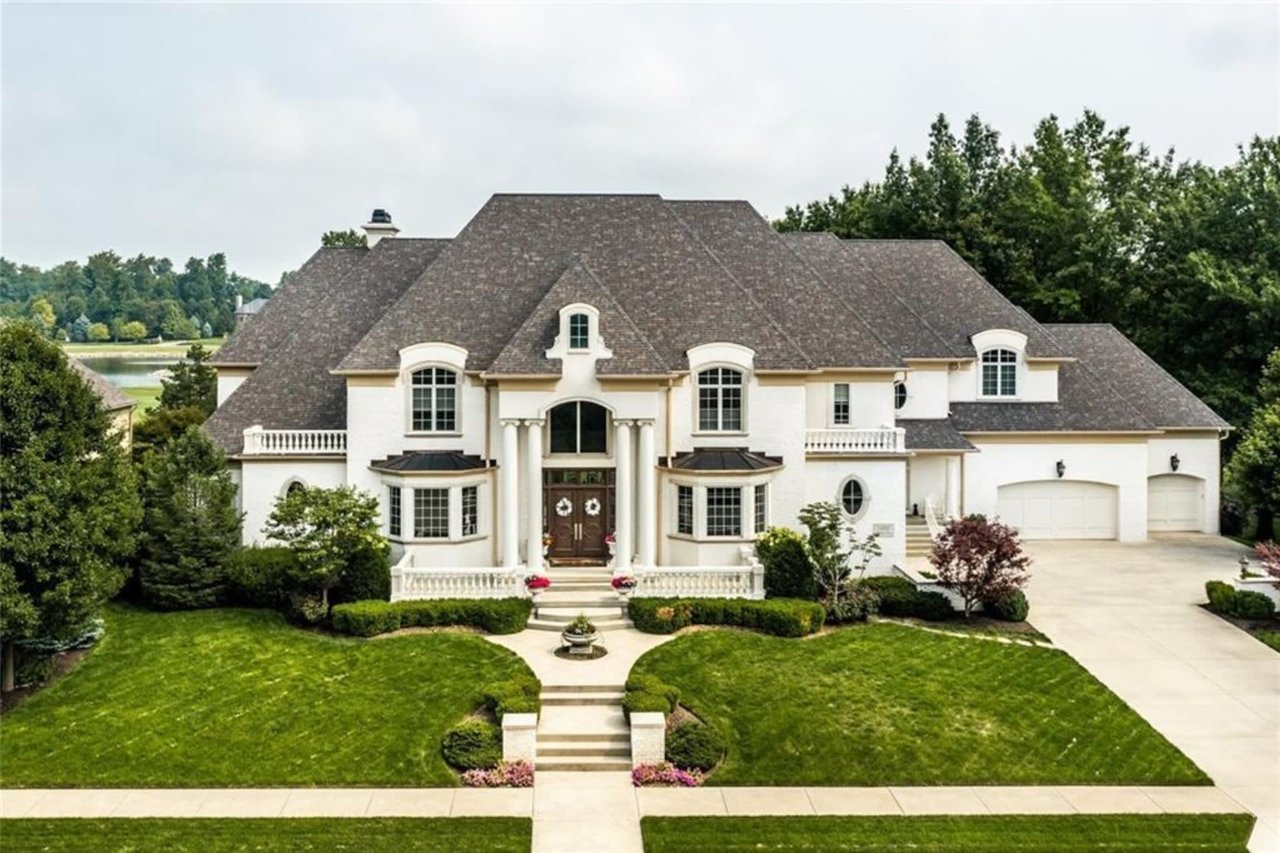
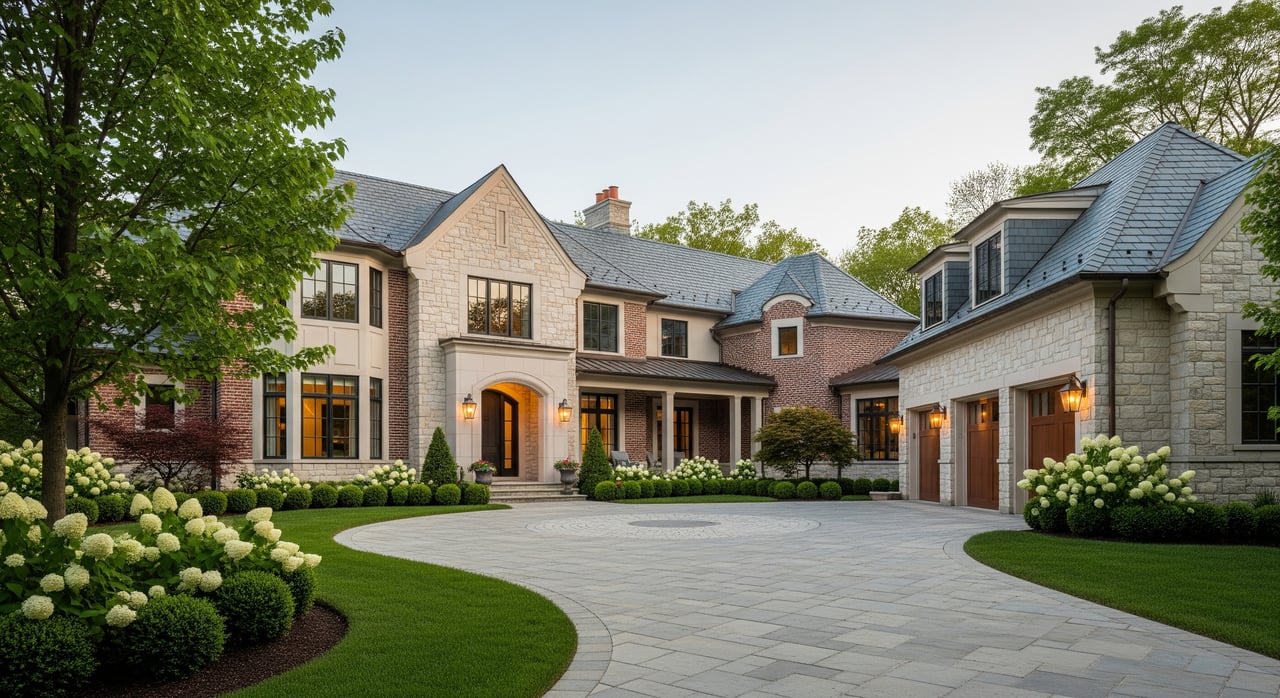
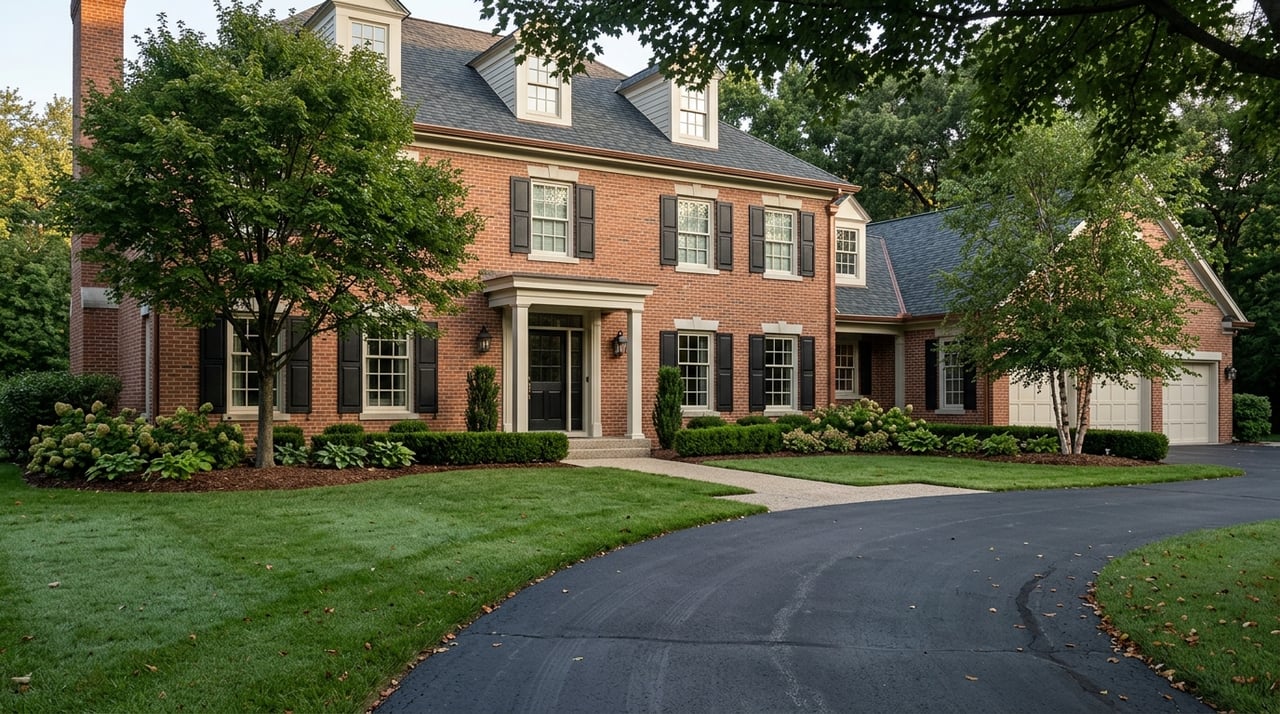
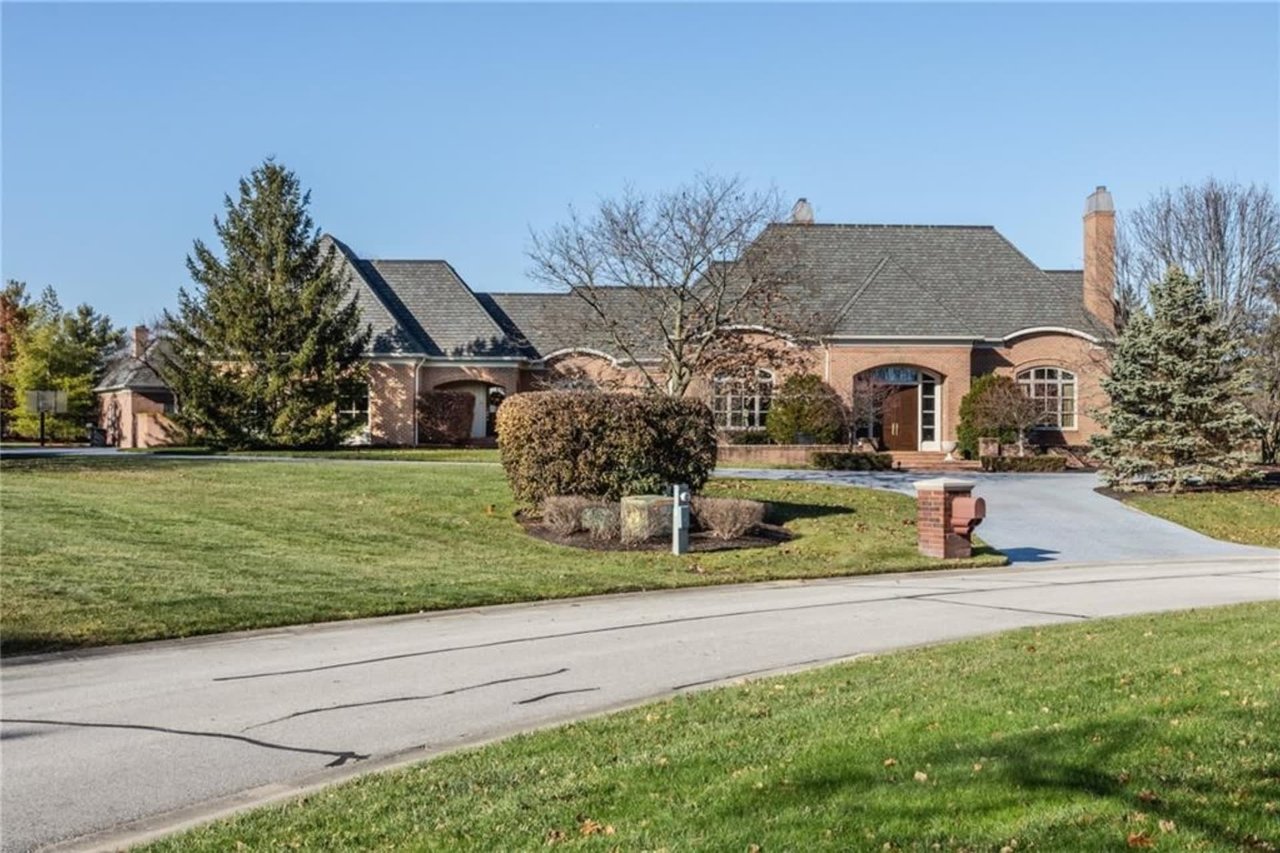
The guide identifies estate areas such as Bellingrath, Chelmsford, Clarkston, Dumbarton, Frogmore, Leighton, and Southlake. In these sections, the architecture leans into historic inspiration, with Bellingrath described as estate homes with pre-1940s architecture and Chelmsford tied to early-1900s design cues.
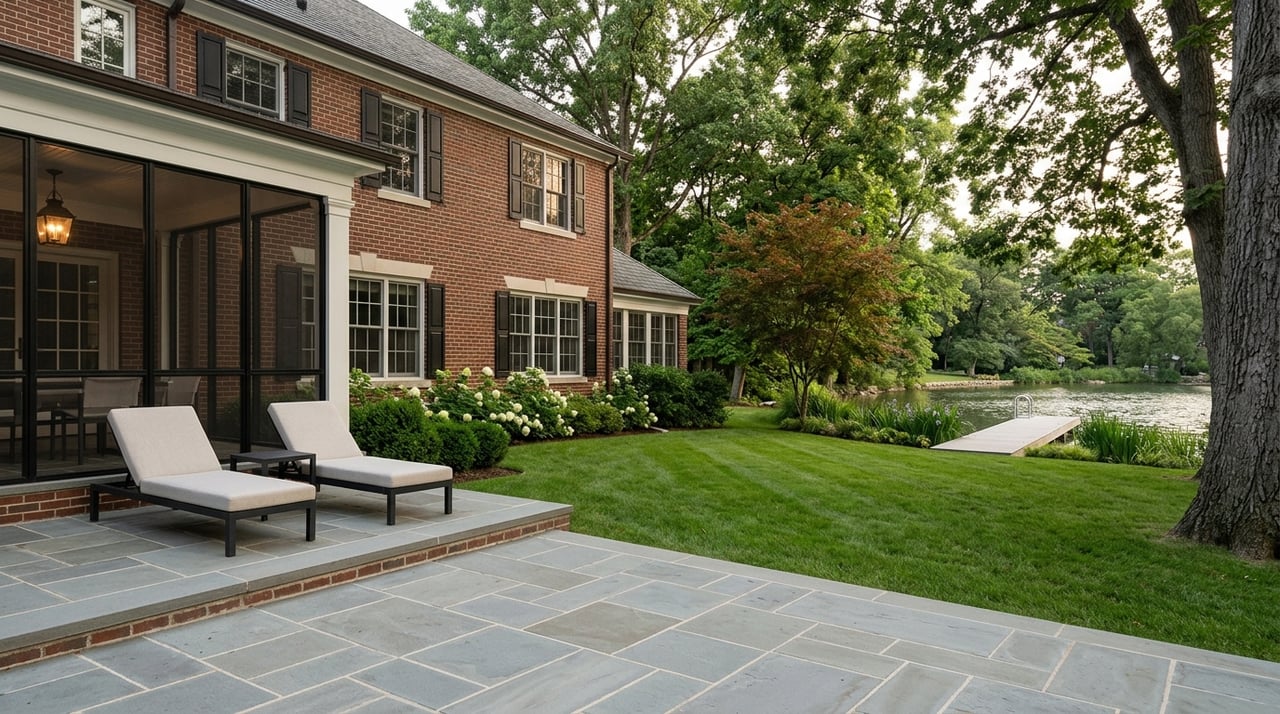
These areas tend to appeal to buyers who want a larger home footprint and a more traditional single-family setting. Public listing examples also show that estate homes can reach close to $2 million, reinforcing that the upper end of WestClay is a meaningful part of the neighborhood story.
Townhome Districts
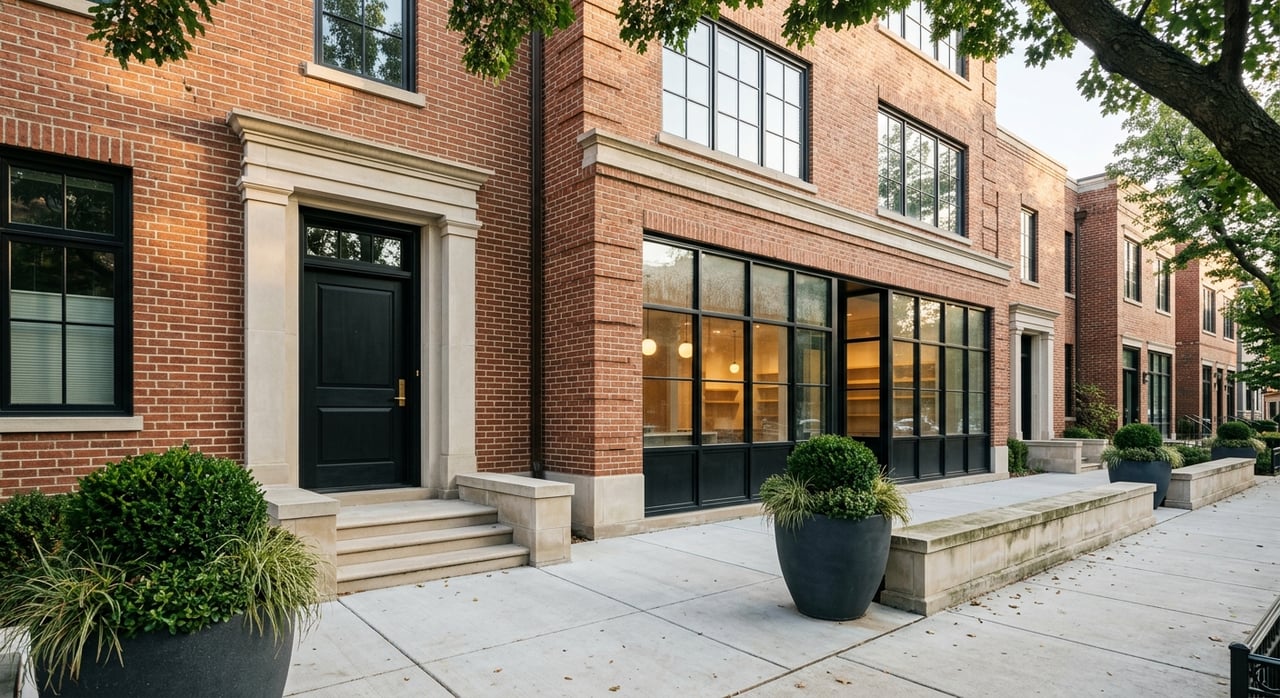
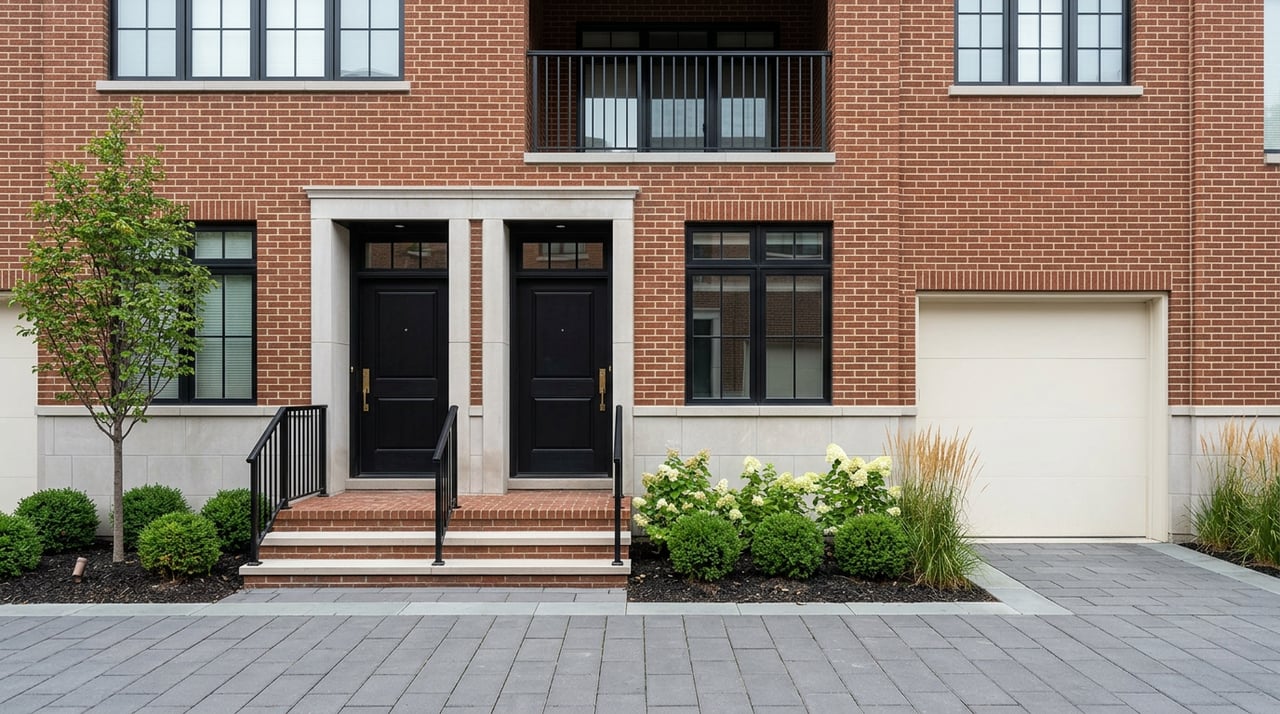
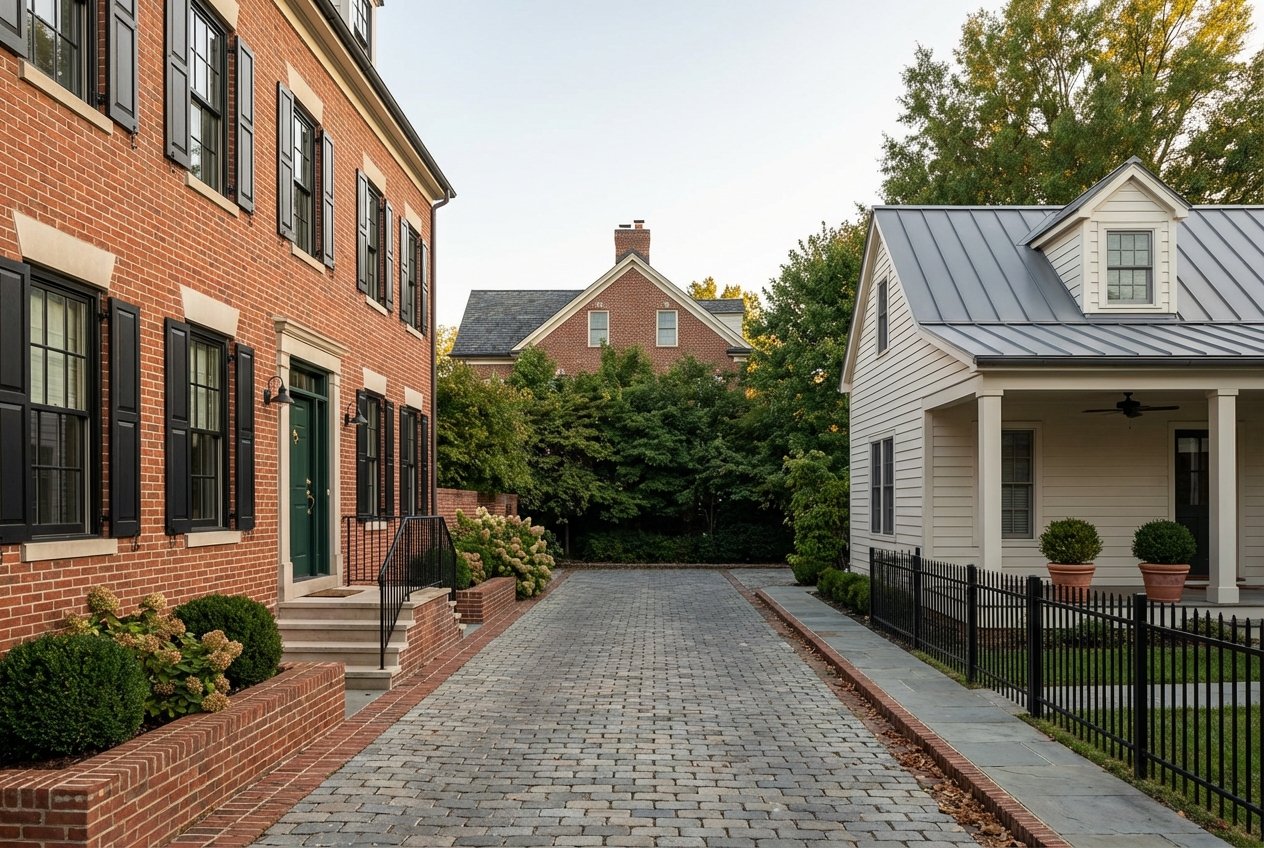
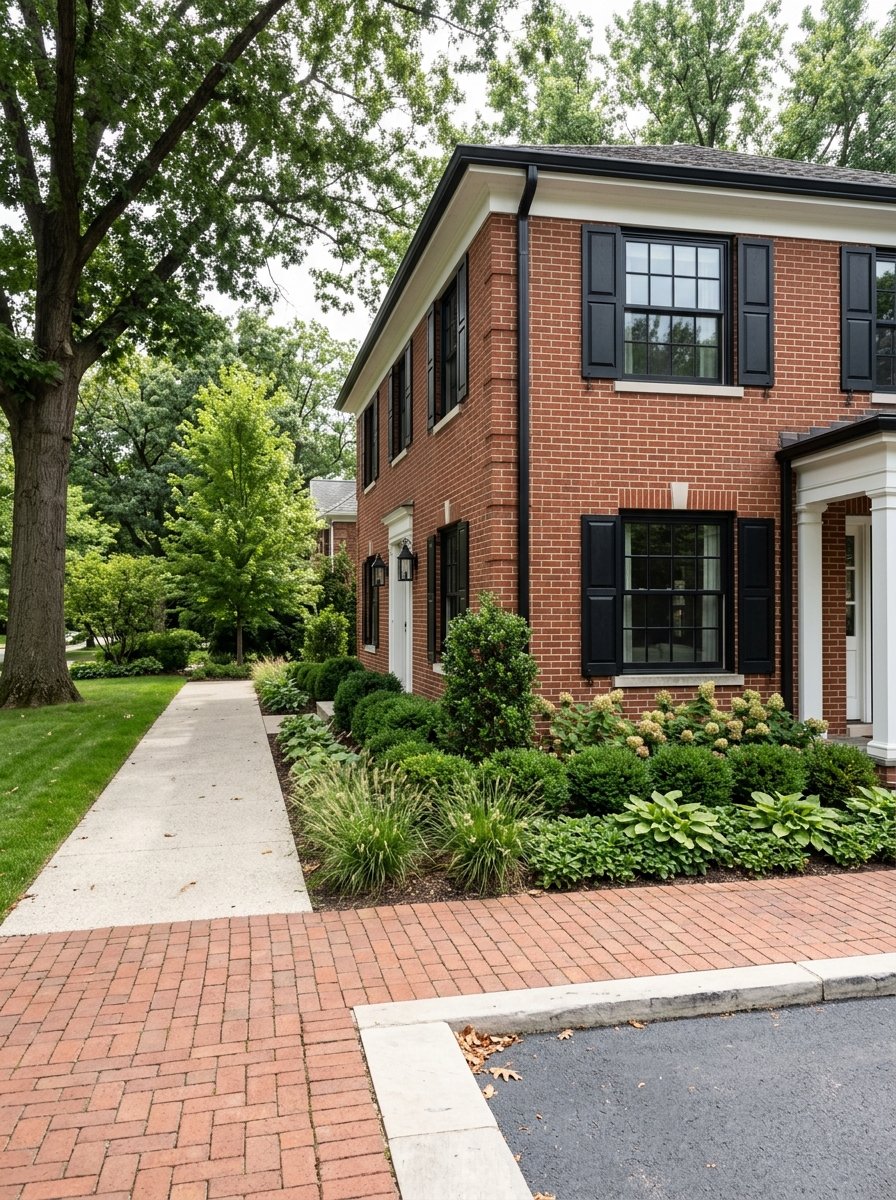
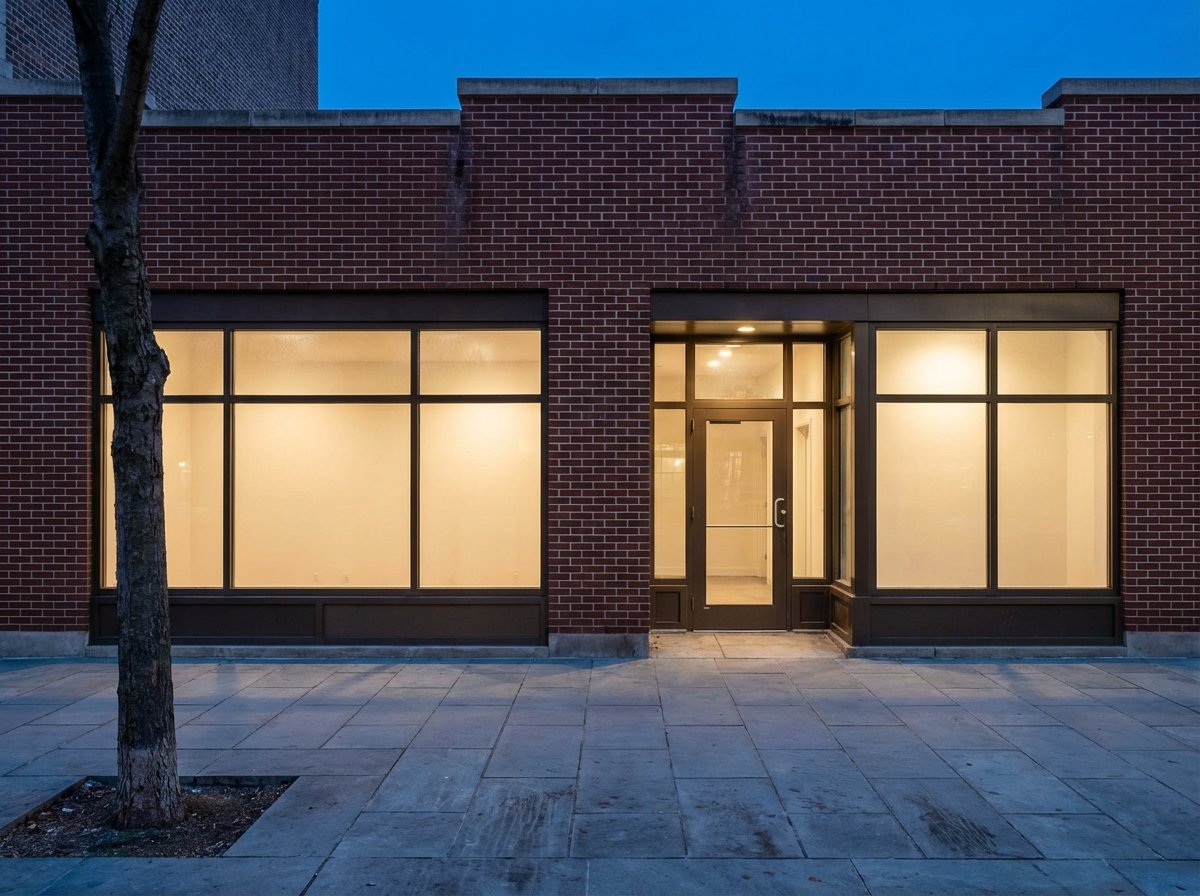
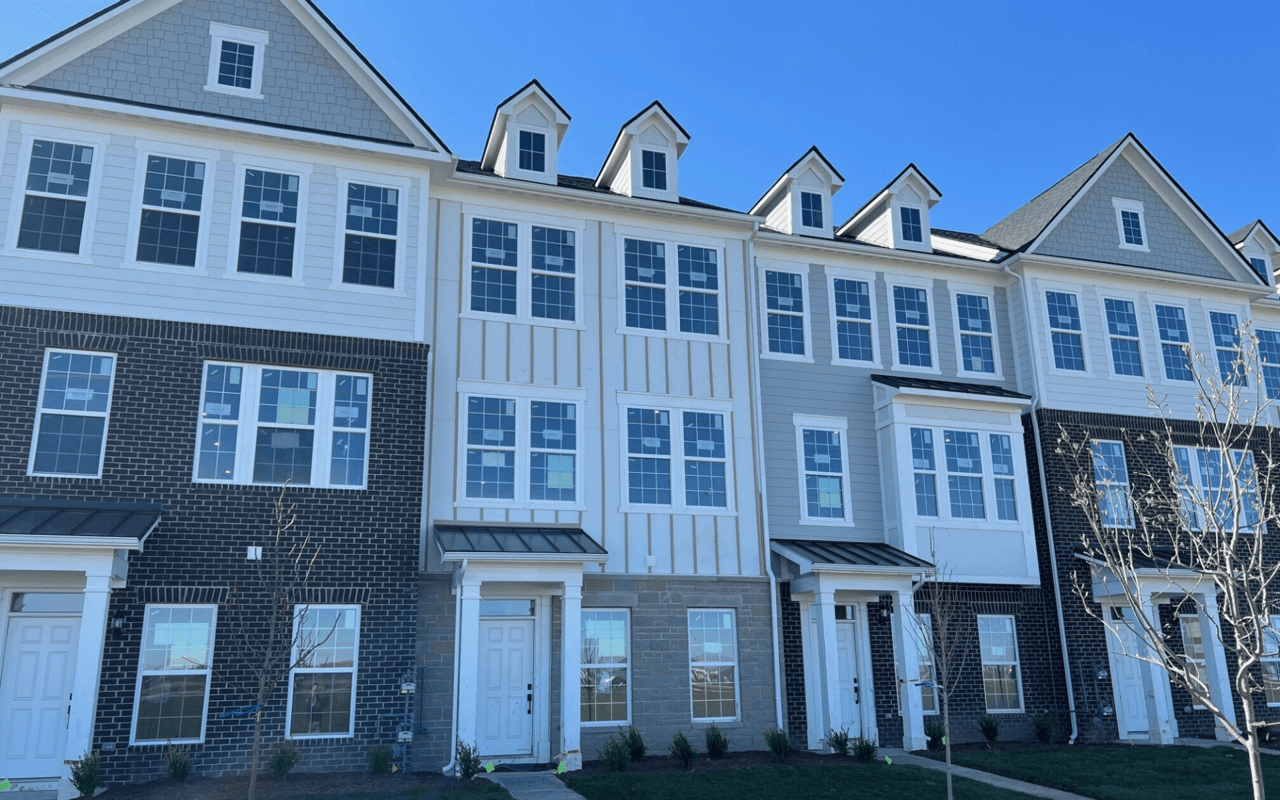
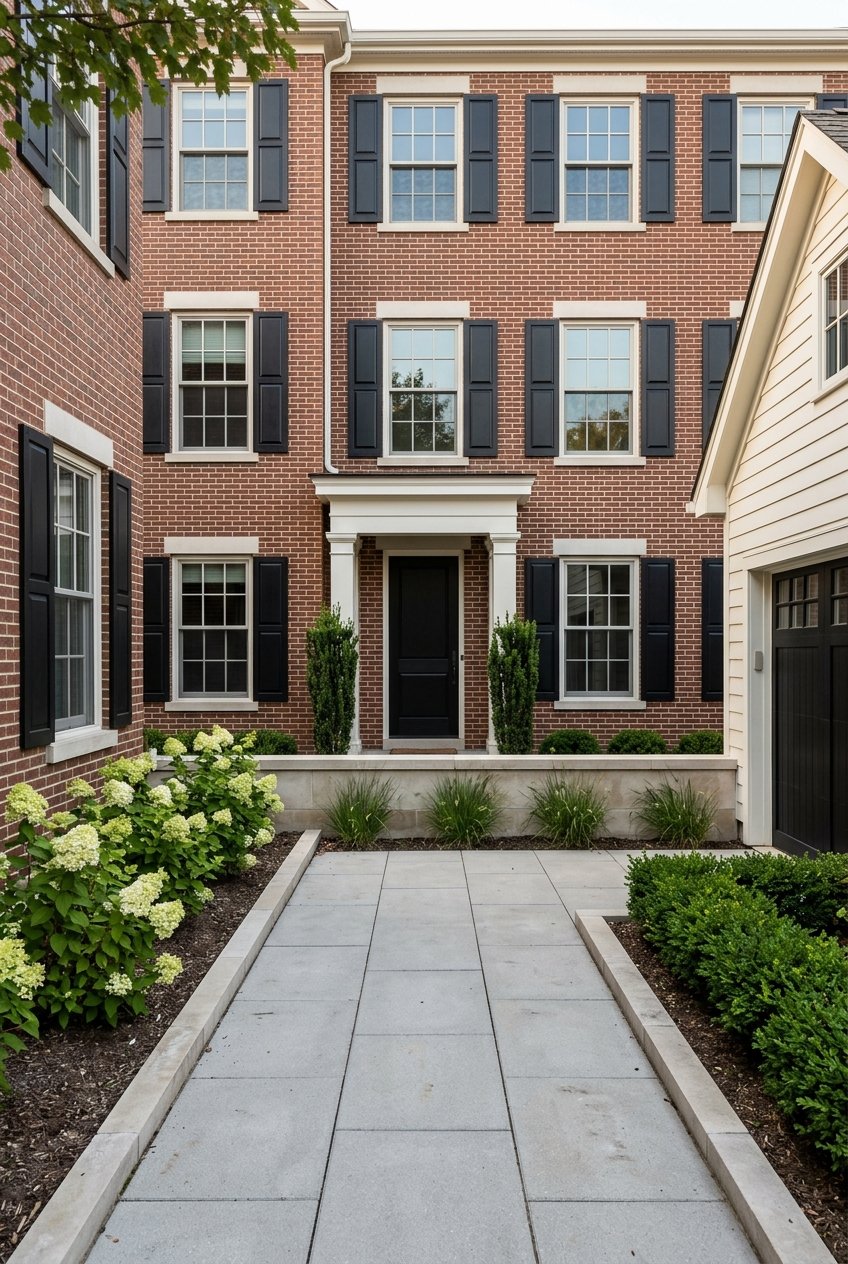
If you prefer attached living, WestClay has more than one version of it. Uptown is described as a mix of businesses and townhomes with Art Deco architecture, while West Village includes townhomes in Italianate and Queen Anne styles.
That distinction matters because the visual character and setting can feel different even within attached housing. Some buyers are drawn to the village-center energy of mixed-use blocks, while others prefer a quieter townhome pocket with a more classic streetscape.
Villas and Low-Maintenance Living
The Villas are explicitly described by the community as a low-maintenance section. Architecturally, the guide points to Craftsman, French Eclectic, and Colonial Revival styles.
For downsizers, relocators, or anyone who wants WestClay’s amenities without the same level of exterior upkeep that may come with a larger lot, this section often stands out. Still, it is important to review the specific documents for any property you consider because responsibilities can vary by neighborhood section.
Streets and Layout Feel Different Here
WestClay was planned with a village structure rather than a conventional subdivision pattern. Historical planning coverage describes it as a 680-acre new urbanist development planned for up to 1,362 residential units, along with retail and office uses in the village center.
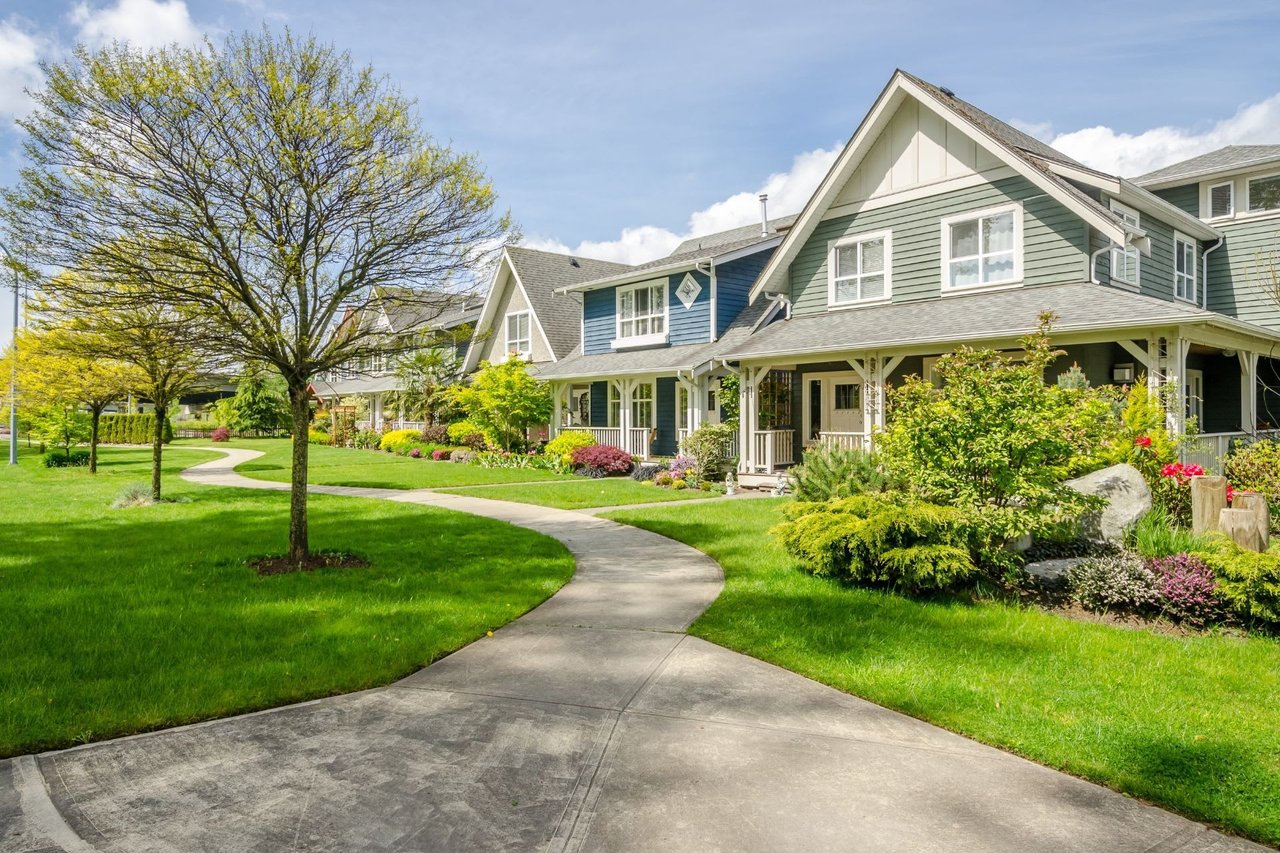
In practical terms, that planning approach helps explain why the neighborhood feels more layered and walkable than many suburban communities. Instead of long stretches of similar streets, you find linked districts, greens, circles, ponds, parks, pathways, and commercial nodes.
Names With Intentional Character
Even the street and place names were chosen with purpose. The official guide says many names refer to places and figures from England, Charleston, and early American history.
That naming pattern supports the neighborhood’s historic design language and gives each area a stronger sense of identity. If you are comparing addresses within WestClay, the street name often hints at the section’s character and setting.
The Village Center as a Focal Point
The Meeting House functions as a central landmark and gateway to the retail center. Community materials also distinguish areas like the Village Center, Uptown, West Village, and South Village, each with different housing and landscape character.
This is one reason WestClay tends to feel more like a collection of connected districts than a single uniform neighborhood. If lifestyle fit matters to you, it helps to tour more than one section before deciding where you want to focus.
What HOA Life Really Means in WestClay
In WestClay, the HOA is a real part of the ownership experience. It is not just a background line item on your budget.
According to the association, annual fees cover common-area property taxes and insurance, common-area maintenance, landscaping for gardens and parks, utility costs for common areas and amenities, major renovations to structures and facilities, and management and maintenance staff. The association also lists dedicated staff roles such as a Village Architect, Landscape Manager, Operations Manager, and maintenance technicians.
Access and Amenity Setup
New residents are directed to Trustees Hall to set up access. The HOA issues two scan cards per lot or living unit, and those cards provide access to the Meeting House and to clubhouses, pools, and fitness rooms.
Replacement cards cost $60. The published rules also state that scan cards can be deactivated for unpaid assessments or rule violations, which tells you that access is managed actively rather than casually.
Amenities Are Extensive
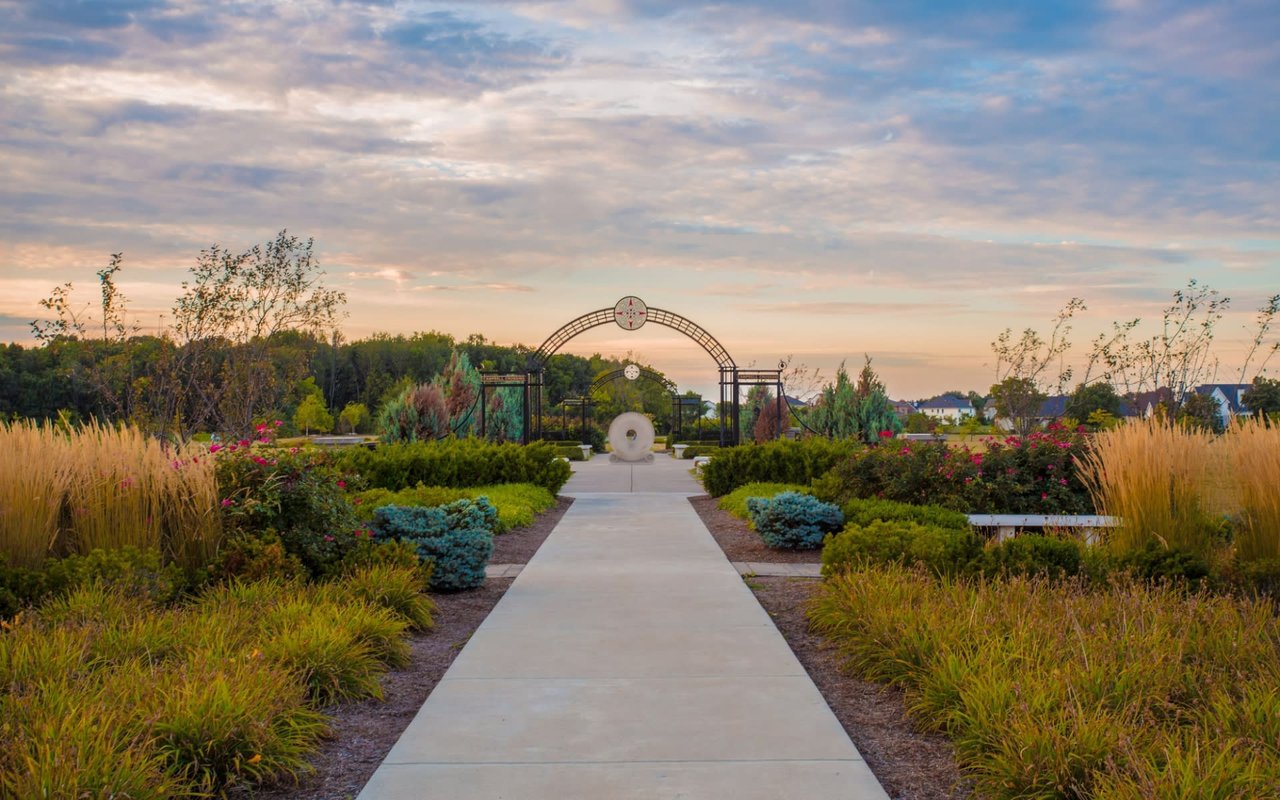
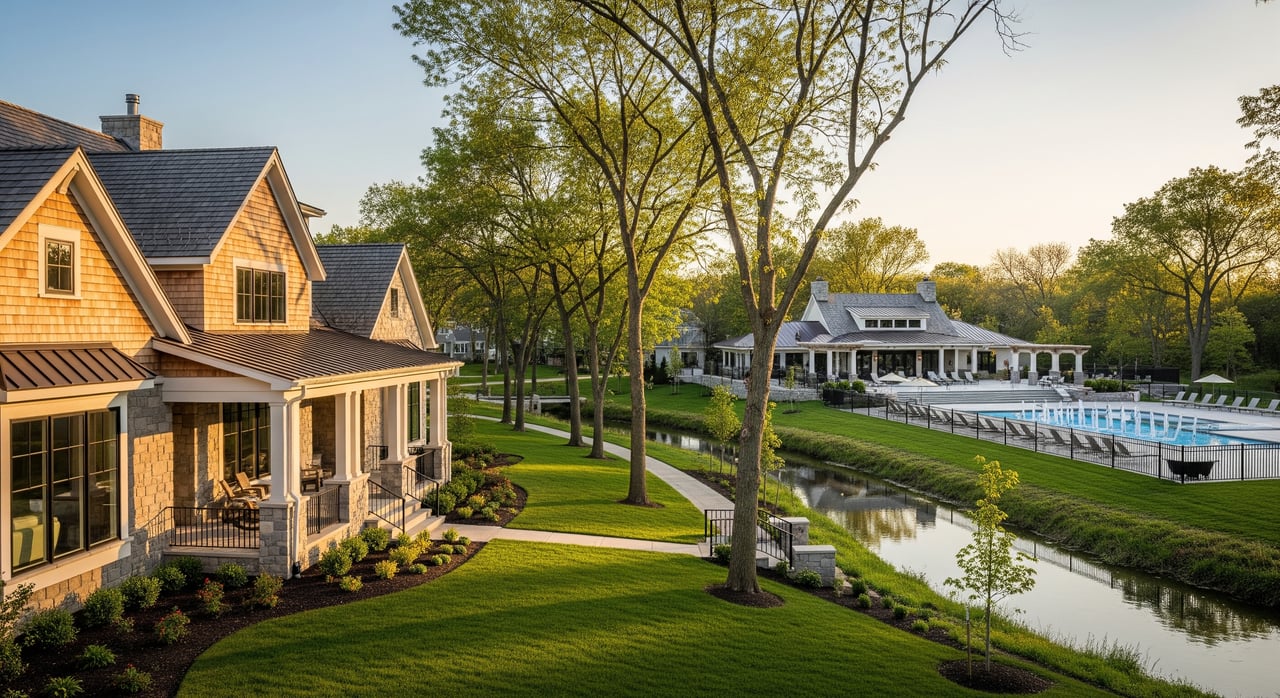
WestClay advertises more than 171 acres of open space and 10 miles of pathways. The community also includes pools, sport courts, exercise rooms, clubhouses, and indoor or outdoor event spaces.
Some of those spaces are reserved for residents, while others can be rented under event rules. That blend of private access and structured shared use is part of what makes the neighborhood feel amenity-rich, but also organized.
Rules Are Part of Daily Life
The published guidelines are specific. Pets must be leashed in public areas, dogs are prohibited from some parks and playground areas, golf carts are limited to streets and alleys, and wheeled devices are restricted in the Village Center and on many paths and greens.
There are also Supplemental Declarations that apply to each neighborhood section. That means your ownership experience may depend not only on WestClay’s main HOA structure, but also on the rules tied to your specific area.
Maintenance Depends on the Section
This is one of the most important points for buyers. WestClay does not have one simple, community-wide answer to maintenance responsibility.
The Villas are specifically described as low maintenance, and the HOA funds broad common-area upkeep. At the same time, the community includes condos, townhomes, villas, and estate homes, so the practical division of exterior and landscape responsibility will differ by product type and by section.
A good rule of thumb is this: owner-managed responsibilities are likely to feel heavier on larger estate properties than in more managed attached-housing sections. But you should never assume the details. Before you buy, review the governing documents for that address and confirm exactly what the HOA maintains and what falls to you.
A Quick Market Snapshot
WestClay’s active inventory appears relatively limited based on the public market snapshot in the research. At the time of capture, Zillow and Redfin each showed 6 homes for sale in the neighborhood, and Redfin reported a median sale price of $665,000 in March 2026.
That same snapshot also reinforces how broad the housing mix is. Entry-level attached housing, mid-range townhomes, and large estate properties can all exist in the same neighborhood, so price expectations should be tied to the exact section and product type you are considering.
How to Shop WestClay Smarter
If you are serious about WestClay, it helps to narrow your search with the right questions first. The goal is not simply to ask whether you like the neighborhood. It is to ask which version of WestClay fits your lifestyle best.
Consider these points as you compare options:
- Do you want a condo, townhome, villa, or estate home?
- How much exterior maintenance do you want to handle yourself?
- Do you want to be closer to the village-center activity or in a quieter estate section?
- How important are pool, fitness, pathway, and event-space access to your routine?
- Are you comfortable with architectural review requirements for exterior changes?
- Have you reviewed the rules and supplemental declarations for the specific section?
When buyers approach WestClay this way, the neighborhood becomes much easier to evaluate. Instead of seeing a beautiful but complex community, you start to see a set of clearly different ownership choices.
If you are weighing a move here, neighborhood-specific guidance matters. The right fit often comes down to details that are easy to miss online, from section-level maintenance expectations to how a street relates to parks, pathways, or the village center. For a tailored look at WestClay and other Carmel neighborhood options, connect with The CHG.
FAQs
What types of homes are available in the Village of WestClay?
- WestClay includes apartments or condos, townhomes, villas, duplexes, and single-family estate homes, with a wide range of sizes, lot types, and price points.
What architectural styles are found in the Village of WestClay?
- Official community materials describe styles including Federal, Greek Revival, Italianate, Gothic Revival, Victorian, Craftsman, French Eclectic, Colonial Revival, Art Deco, and Queen Anne, depending on the section.
What does the WestClay HOA cover?
- According to the association, annual fees cover common-area taxes and insurance, maintenance, landscaping for shared spaces, utility costs for common areas and amenities, major renovations to structures and facilities, and management and maintenance staff.
What amenities do Village of WestClay residents have access to?
- The community advertises more than 171 acres of open space, 10 miles of pathways, pools, sport courts, exercise rooms, clubhouses, and event spaces, with access controlled through resident scan cards.
Are maintenance responsibilities the same across all WestClay homes?
- No. Public information indicates that maintenance expectations vary by section and housing type, and the Villas are specifically described as low maintenance.
Do exterior changes in WestClay require HOA approval?
- Yes. The association states that exterior changes such as painting or landscaping require an Architectural Review form.
Is the Village of WestClay one uniform neighborhood experience?
- No. Public materials describe WestClay as a collection of linked districts with different housing products, street character, architecture, and section-level rules.