Trying to choose between Fishers and Carmel? You are not alone. These two Hamilton County cities are similar in size and commute times, but they can feel very different once you picture your daily routine. If you are weighing where to buy, this guide will help you compare everyday living, from housing patterns and commuting to parks, trails, and dining districts. Let’s dive in.
Fishers and Carmel at a glance
Fishers and Carmel are nearly the same size by population. Current Census estimates show Fishers at 103,986 residents and Carmel at 103,606, so this is not really a story about one city being much bigger than the other.
The more noticeable differences show up in home values, income levels, and how each city has grown. Fishers has a median owner-occupied home value of $391,000, while Carmel comes in at $486,800. Median household income is also higher in Carmel at $141,505 compared with $130,203 in Fishers.
Both cities are largely owner-occupied. Fishers has an owner-occupied rate of 76.2%, and Carmel is at 74.3%. In practical terms, both markets attract long-term homeowners, but Fishers tends to read as a bit more growth-oriented while Carmel feels more established and more heavily redeveloped.
Commute patterns feel a little different
On paper, commute times are close. Fishers has a mean travel time to work of 26.7 minutes, while Carmel averages 24.6 minutes. That is only about a 2.1-minute gap, so most buyers will notice road patterns and access points more than the raw number.
Fishers commute routes
In Fishers, daily movement is strongly shaped by 116th Street and I-69. The city’s planning documents also point to ongoing work around the I-69 corridor, 116th Street improvements, and the completed State Road 37 conversion to above-grade interchanges.
That gives Fishers a road-focused feel with continued infrastructure updates tied to growth. At the same time, the city keeps expanding trail and pedestrian connections, which can make shorter local trips more flexible depending on where you live.
Carmel commute routes
Carmel is also very much a car-first suburb, but the road network is organized differently. The city identifies US-421 on the west, US-31 through the middle, Keystone Parkway farther east, and Hazel Dell Parkway on the far east side, with major southern connections to I-465.
For many buyers, Carmel can feel more structured around a set of north-south corridors. If your routine involves moving up and down the city or heading quickly toward I-465, that layout may feel intuitive.
Parks and trails shape daily life
If outdoor access matters to you, both cities offer a lot. The difference is less about whether you can find parks and trails and more about the scale and integration of those systems.
Fishers outdoor lifestyle
Fishers says it maintains more than 600 acres of park grounds and more than 150 miles of multi-use trails. The city is also still adding to that network, including Fishers White River Park, a 120-acre park with 2.45 miles of trails.
The Nickel Plate Trail is a major part of everyday life in Fishers. It runs through the center of town and connects directly to restaurants, the amphitheater, parking garages, and other local destinations. If you like the idea of combining errands, dining, and recreation in one area, that is a meaningful part of Fishers living.
Carmel outdoor lifestyle
Carmel reports more than 240 miles of trails and paths and more than 1,000 acres of parks and green spaces. Based on city-published figures, that is a larger overall parks and trails footprint than Fishers.
What stands out in Carmel is how closely that outdoor network ties into mixed-use districts. Places like Central Park, the Monon Community Center, Monon Boulevard, and Midtown blend trails, plazas, café spaces, and public art into the rhythm of daily life.
Dining and town-center feel
A big part of choosing a city comes down to where you spend your time when you are not at home. Fishers and Carmel both offer active dining and gathering areas, but they are arranged in different ways.
Fishers has a more concentrated core
Fishers centers much of its downtown energy in the Nickel Plate District. This area includes municipal offices and spaces to live, work, and spend leisure time, which gives it a recognizable center of gravity.
Dining is also growing in Fishers District, where city updates point to newer restaurant space and additional concepts in the pipeline. Along the Nickel Plate Trail, local stops like Four Day Ray, Handel’s, and Greek’s Pizzeria help reinforce a casual, connected downtown routine.
Carmel spreads activity across districts
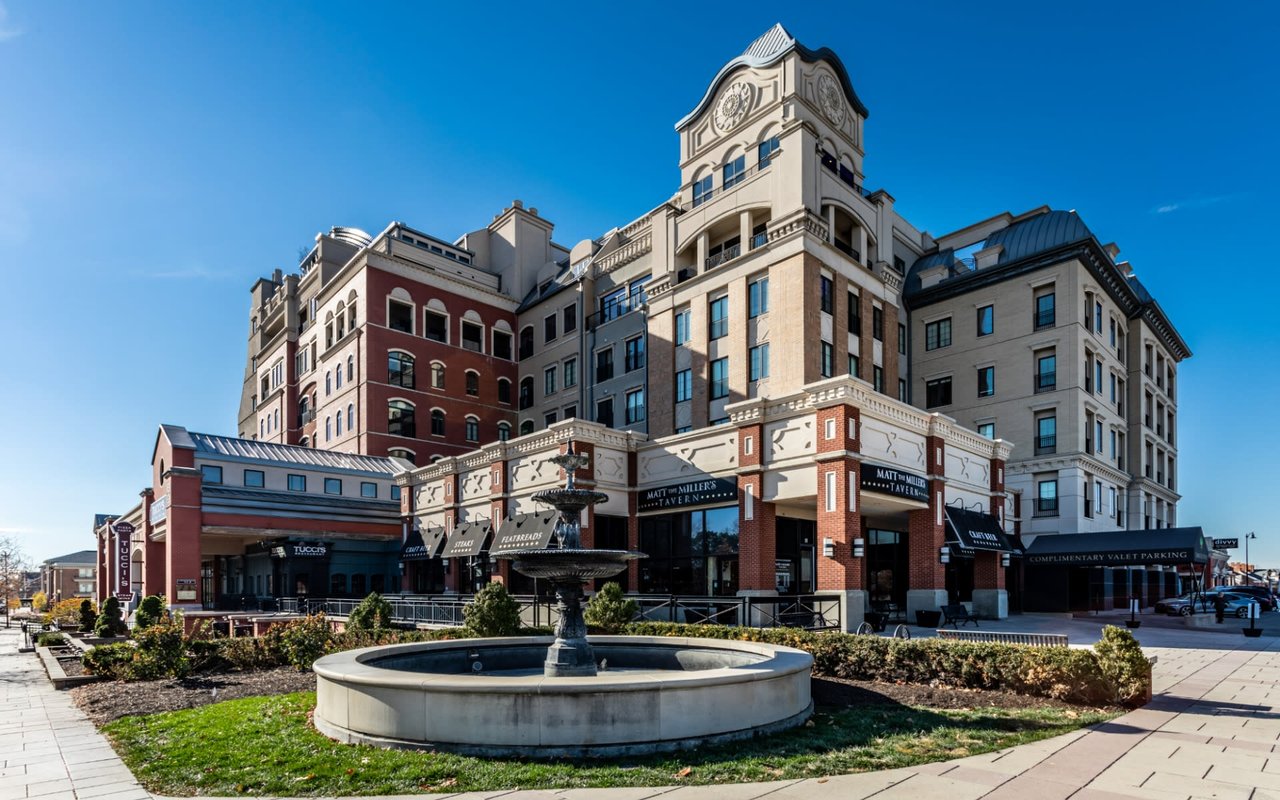
Carmel’s activity is more distributed across several connected districts. The Arts & Design District, City Center, Midtown, and the broader Clay Terrace area each contribute to the city’s shopping, dining, and evening pattern.
That can make Carmel feel layered and established rather than centered on one main core. If you like having several mixed-use destinations with distinct character, Carmel may feel especially appealing.
Housing feels different in each city
For buyers, one of the clearest differences is how each city’s housing growth shows up on the ground. Both offer a range of options, but the pace and style of development are not quite the same.
Fishers leans toward broader expansion
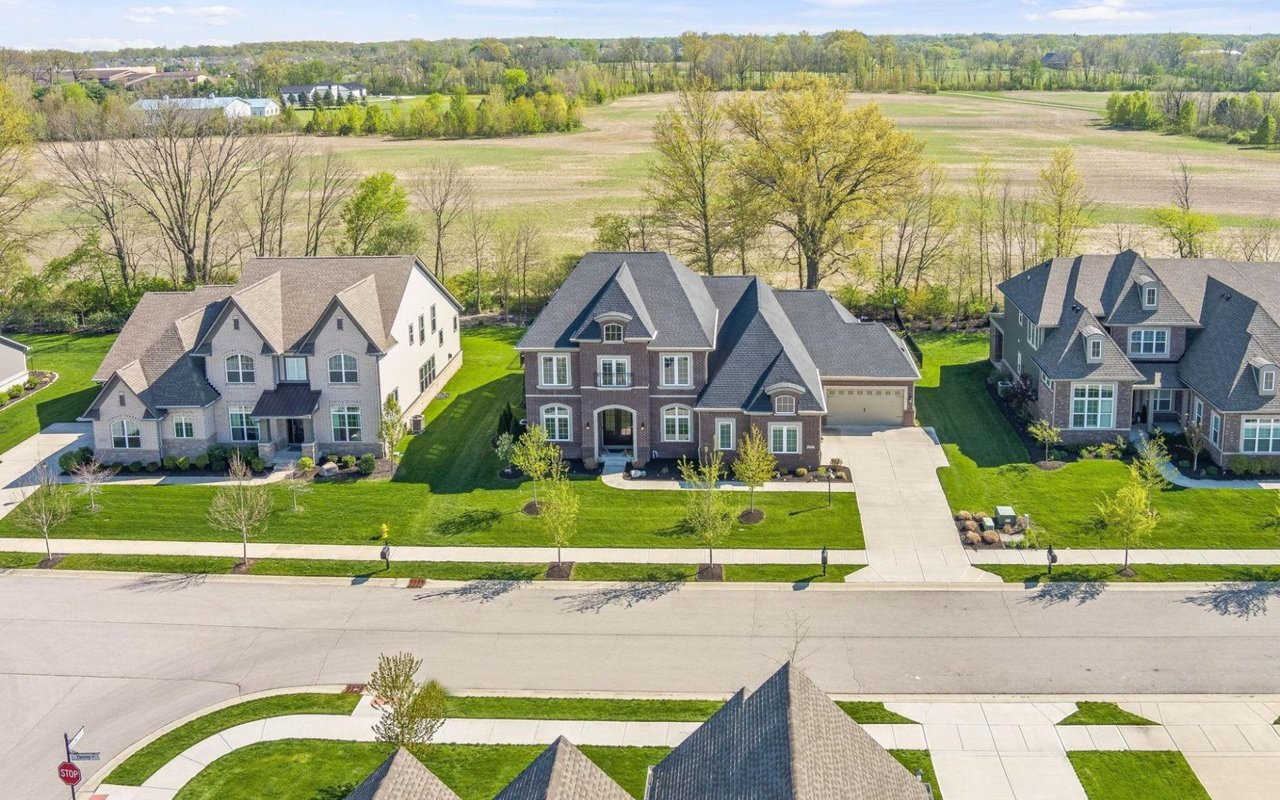
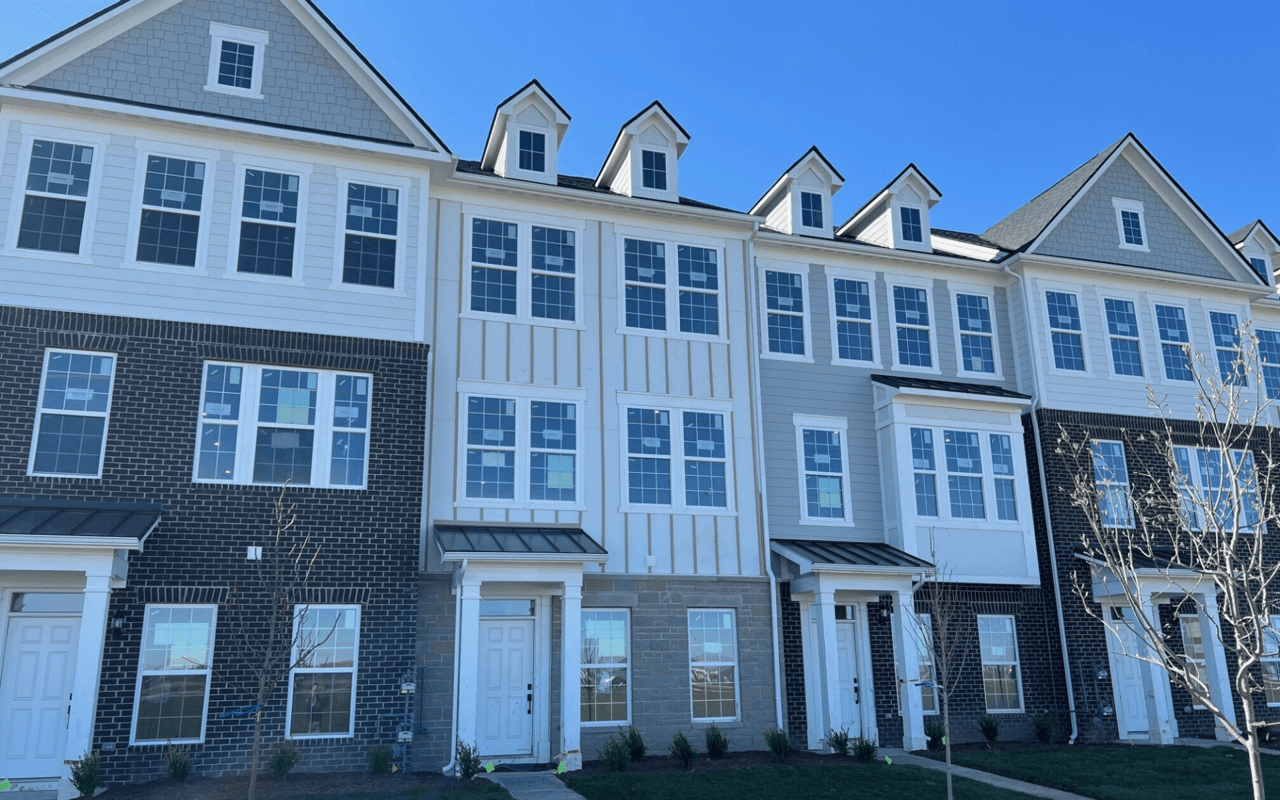
Fishers presents buyers with both new and existing residential developments across multiple parts of the city, including West Fishers, the Geist District, and East Fishers. The city’s housing materials also point to 18 multi-family options and middle-housing choices such as townhomes, duplexes, and condo-style homes.
Recent and current projects reinforce that pattern. River Place combines apartments, for-sale townhomes, retail, and parkland at 96th and Allisonville, while District South adds loft apartments and apartment homes downtown. The next Fishers District phase includes more than 300 apartments and townhomes, and REV introduced Fishers’ first for-sale condominiums.
For many buyers, this means Fishers can feel like a city still building outward in several places at once. That may create more opportunities to compare new construction, townhomes, condos, and mixed-use living across different parts of the market.
Carmel leans toward centralized redevelopment
Carmel’s newer housing pipeline appears more redevelopment-focused and more concentrated in major districts. The Carmel Redevelopment Commission identifies City Center, Midtown, the Arts & Design District, and Proscenium as key master-planned areas.
Current projects continue that trend. Gramercy and Marketplace are planned through 2030 with 239 for-sale residences, 607 rental units, and 104 age-restricted units, while Proscenium includes luxury apartments and a 22-unit for-sale condo building.
For buyers, Carmel may feel more like an established city that keeps refining and intensifying its core mixed-use districts. If you are drawn to in-town condos, townhomes, or a more polished redevelopment pattern, that distinction matters.
What the numbers may mean for buyers
The Census data suggests Fishers offers a lower entry point on housing costs than Carmel, at least at the median. With a median owner-occupied home value nearly $95,800 lower than Carmel’s, Fishers may appeal to buyers who want Hamilton County living with a somewhat lower median price point.
Carmel’s higher median home value often lines up with its more established redevelopment pattern, larger published trail and park system, and multiple destination districts. That does not make one city better than the other. It simply means the value proposition can feel different depending on what you want your week to look like.
Median gross rent is also slightly lower in Fishers at $1,611 compared with $1,712 in Carmel. If you are planning an interim move, considering a condo lifestyle, or comparing housing flexibility, that may be useful context as well.
How to think about your choice
If you are deciding between Fishers and Carmel, it helps to focus less on broad reputation and more on your personal routine. Ask yourself where you want to spend your weekends, what kind of road access you rely on, and whether you prefer a city that feels more expansion-driven or one shaped by established redevelopment.
Fishers may stand out if you want a market with active growth across several nodes, a strong trail connection through downtown, and somewhat lower median housing costs. Carmel may stand out if you want a city with a larger published parks and trails network, multiple mature mixed-use districts, and a more centralized redevelopment pattern.
For many buyers, the right answer comes down to neighborhood fit, property type, and lifestyle goals. That is where local guidance can make the process much clearer, especially if you are comparing new construction, relocation options, or in-town living opportunities across Hamilton County.
If you are weighing Fishers versus Carmel and want a more tailored view of where you may fit best, The CHG can help you compare neighborhoods, housing options, and lifestyle tradeoffs with local insight and a concierge-level approach.
FAQs
Is Fishers or Carmel bigger for homebuyers to consider?
- Fishers and Carmel are almost the same size by population, with Fishers at 103,986 residents and Carmel at 103,606, so most buyers will notice lifestyle differences more than size.
Is the commute better in Fishers or Carmel?
- Carmel has a slightly shorter mean travel time to work at 24.6 minutes versus 26.7 minutes in Fishers, but your experience may depend more on which roads and districts you use every day.
Are home prices lower in Fishers or Carmel?
- Based on current Census figures, Fishers has a lower median owner-occupied home value at $391,000 compared with $486,800 in Carmel.
Which city has more parks and trails, Fishers or Carmel?
- City-published figures show Carmel with more than 240 miles of trails and paths and more than 1,000 acres of parks and green spaces, while Fishers reports more than 150 miles of multi-use trails and more than 600 acres of park grounds.
Does Fishers or Carmel have more new construction options?
- Fishers appears more expansion-driven across multiple areas, while Carmel’s newer housing activity is more concentrated in redevelopment districts such as City Center, Midtown, and Proscenium.
How should buyers choose between Fishers and Carmel?
- A good starting point is to compare your budget, commute routes, preferred housing type, and how you want daily life to feel, whether that means broader growth areas in Fishers or more established mixed-use districts in Carmel.