If you are drawn to places with real character, Zionsville’s Brick Street Village tends to stand out fast. It offers a historic main street, a walkable daily rhythm, and a small-scale setting that feels distinct from newer suburban shopping districts. If you are wondering what it is actually like to live there, this guide will help you picture the lifestyle, home patterns, and everyday convenience that define the area. Let’s dive in.
Brick Street Village has a true sense of place
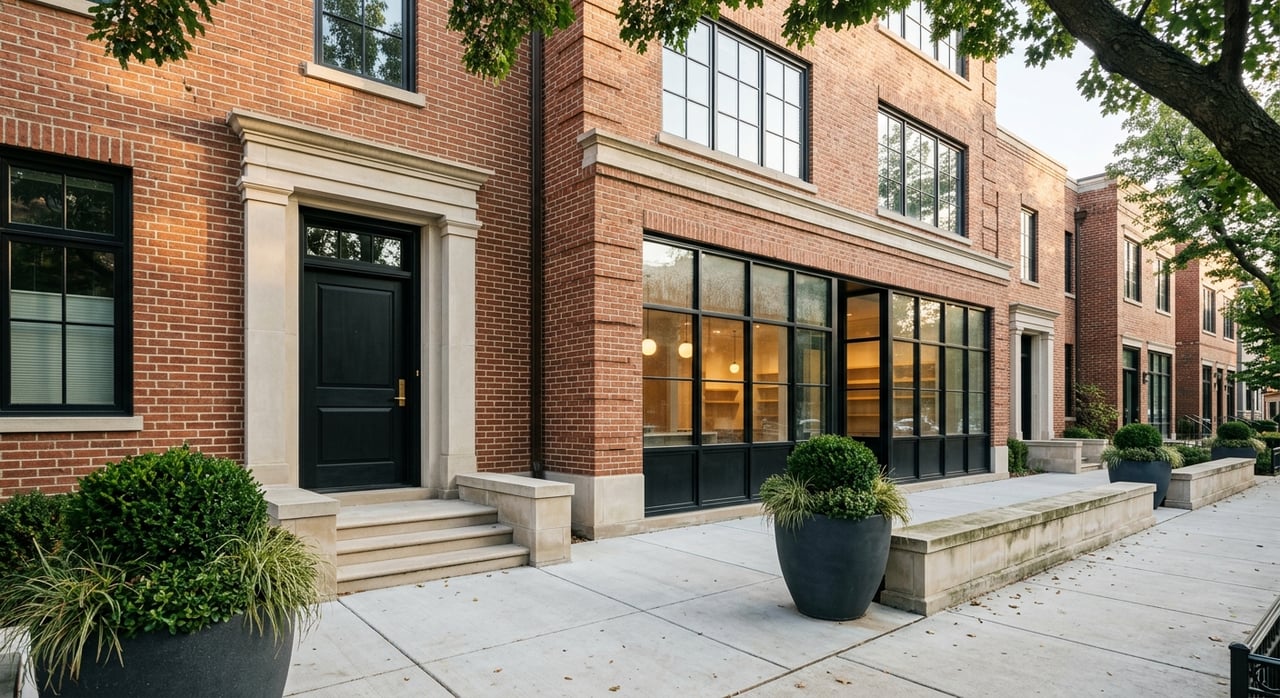
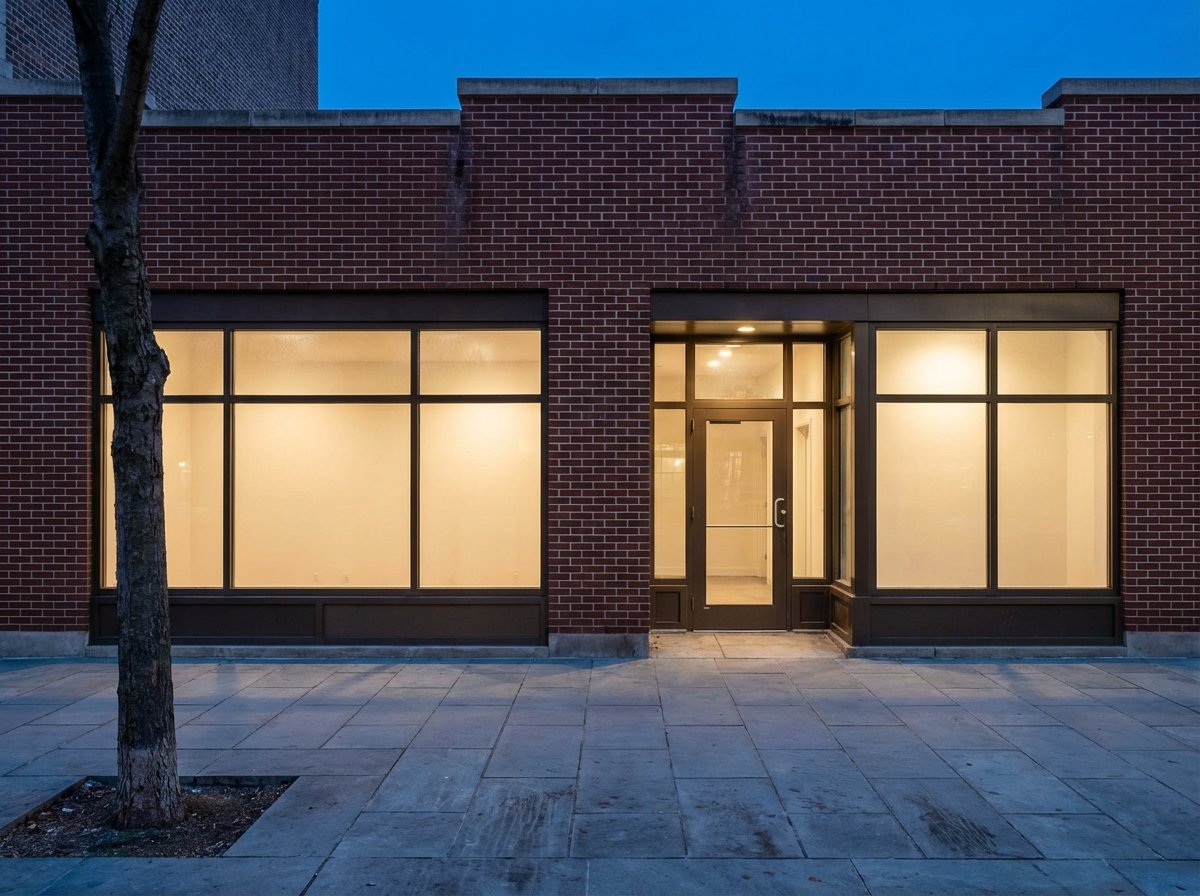
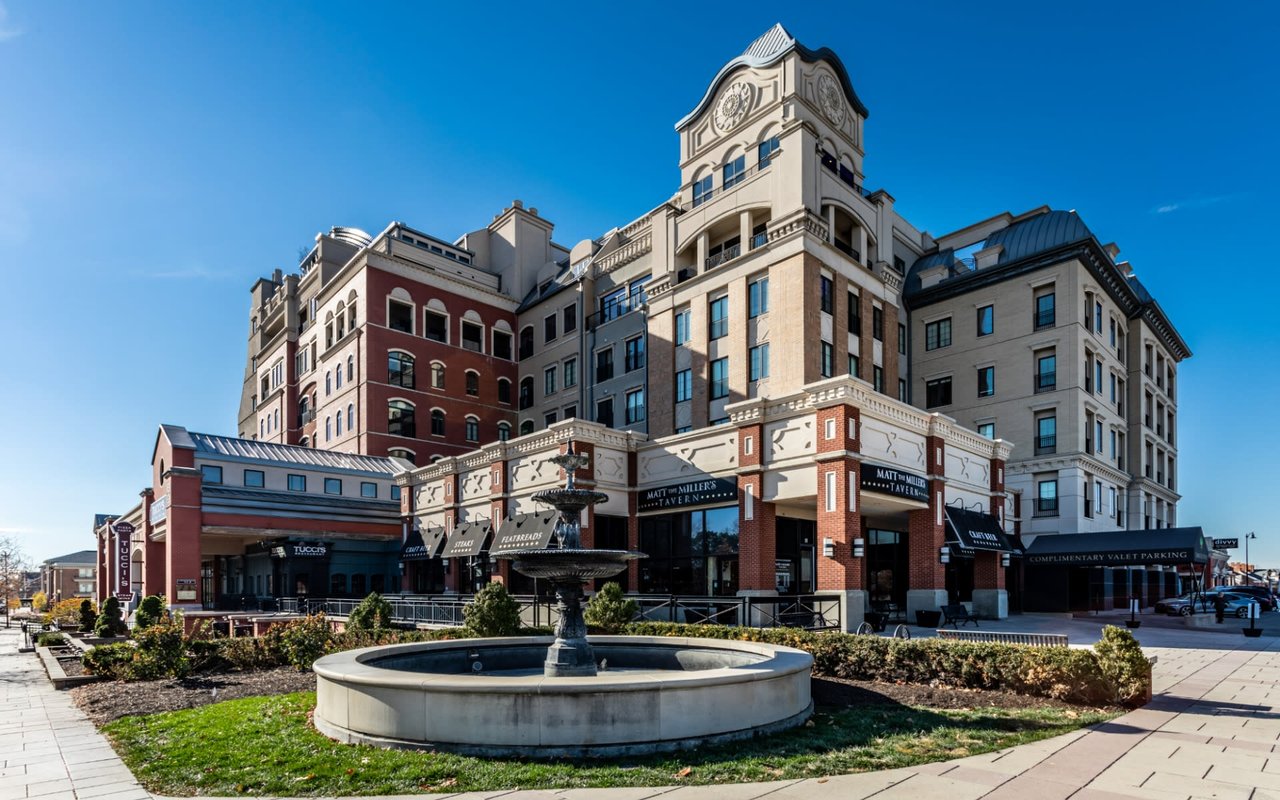
At the heart of Zionsville is its historic brick Main Street, which gives the village an identity that feels both classic and active. The town describes the district as a blend of modern and rustic, with newer shops and businesses set within historic buildings. That mix helps the area feel lived-in rather than staged.
For many buyers, that is the biggest draw. You are not just choosing a house near a popular street. You are choosing a setting where the commercial center also feels like the symbolic heart of town.
Main Street Zionsville notes that shops and restaurants sit right on or just off the historic bricks. That creates a compact, easy-to-enjoy environment where a short walk can include coffee, errands, dinner, or a quick browse through locally owned stores.
Daily life feels easy and walkable
One of the clearest advantages of living in Brick Street Village is how naturally walking fits into the day. The area is not centered on one giant park or one major destination. Instead, it is supported by several nearby public spaces and paths that make the village feel connected and comfortable.
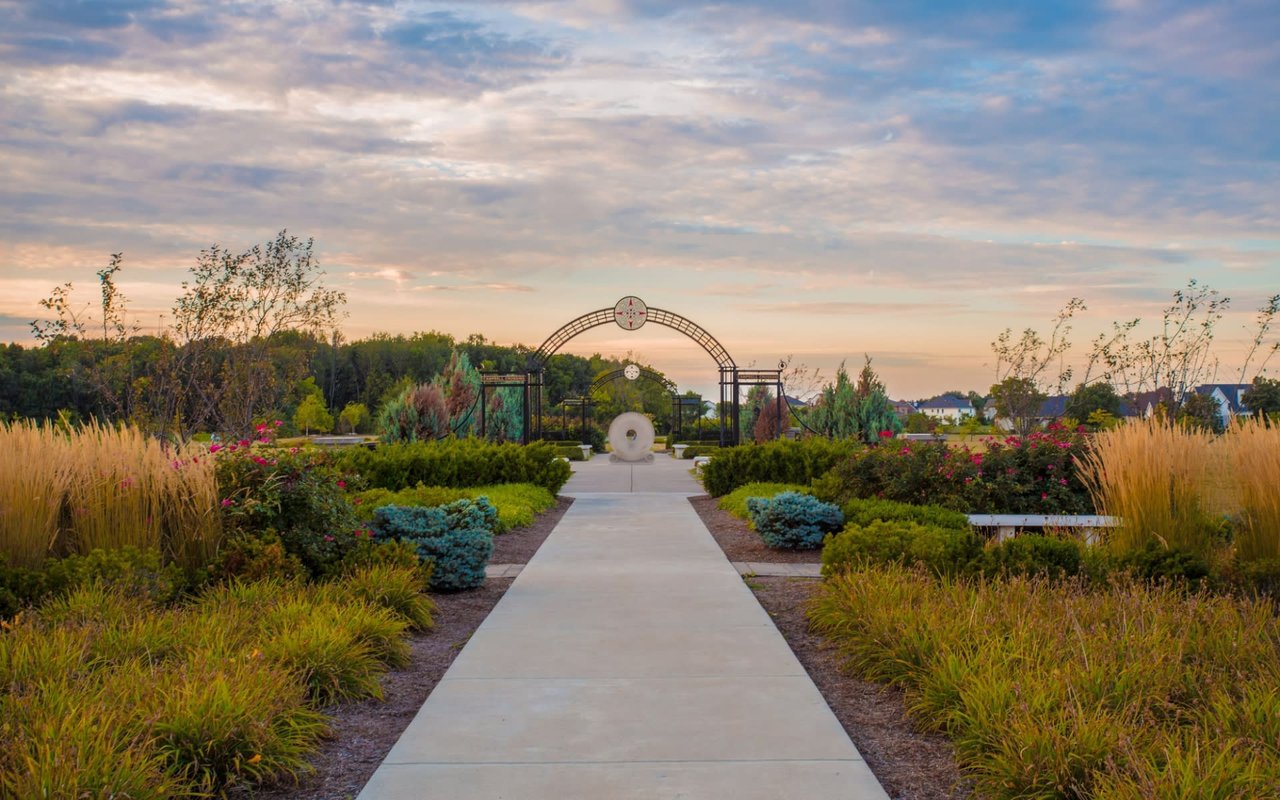
Lincoln Park sits within the village and includes a gazebo used for summer concerts, weddings, and special events. Village Corner at Cedar and Main offers benches, a paved plaza, a historic marker, and a street clock, giving you simple places to pause while moving through the district.
That matters because walkability is not only about sidewalks. It is also about having appealing places to stop, gather, and spend time without needing to plan a full outing.
Nearby parks add breathing room
Just beyond the central blocks, you have several parks that deepen the lifestyle appeal. Elm Street Green includes trails, garden plots, a StoryWalk, and a kayak or canoe launch. Lions Park, directly next to the village center, includes courts, ball diamonds, playgrounds, and other recreation amenities.
Starkey Nature Park sits about a quarter mile southwest of the Village and connects to the Big-4 Rail Trail. That means a village address can also place you close to nature paths and a broader recreation network, not only shops and restaurants.
The trail network extends the lifestyle
The Big-4 Rail Trail is an important part of how Zionsville functions. The town describes it as the 5-mile central spine of a network with more than 20 miles of interconnected paved pathways.
For you as a resident, that means Brick Street Village is not an isolated pocket. It is the most walkable node in a larger mobility system that helps connect the Village Business District to parks, trailheads, shopping areas, and other community attractions.
Shopping and dining feel locally rooted
If you like independent businesses more than big-box repetition, this part of Zionsville is likely to appeal to you. Main Street Zionsville highlights about 175 businesses right on or just off the historic bricks, including retail, galleries, specialty food, books, gifts, apparel, and services.
That variety helps everyday life feel richer. You can step out for a coffee meet-up, browse a local shop, pick up a few items, and head to dinner without leaving the immediate area.
The dining scene also supports different kinds of days. Main Street Zionsville frames village dining around casual coffee stops, family brunches, and more elevated evening meals, which gives the district practical value beyond special occasions.
Events keep the village energized
Brick Street Village is not only attractive on quiet weekdays. It also has a recurring public energy that keeps it connected to the wider community.
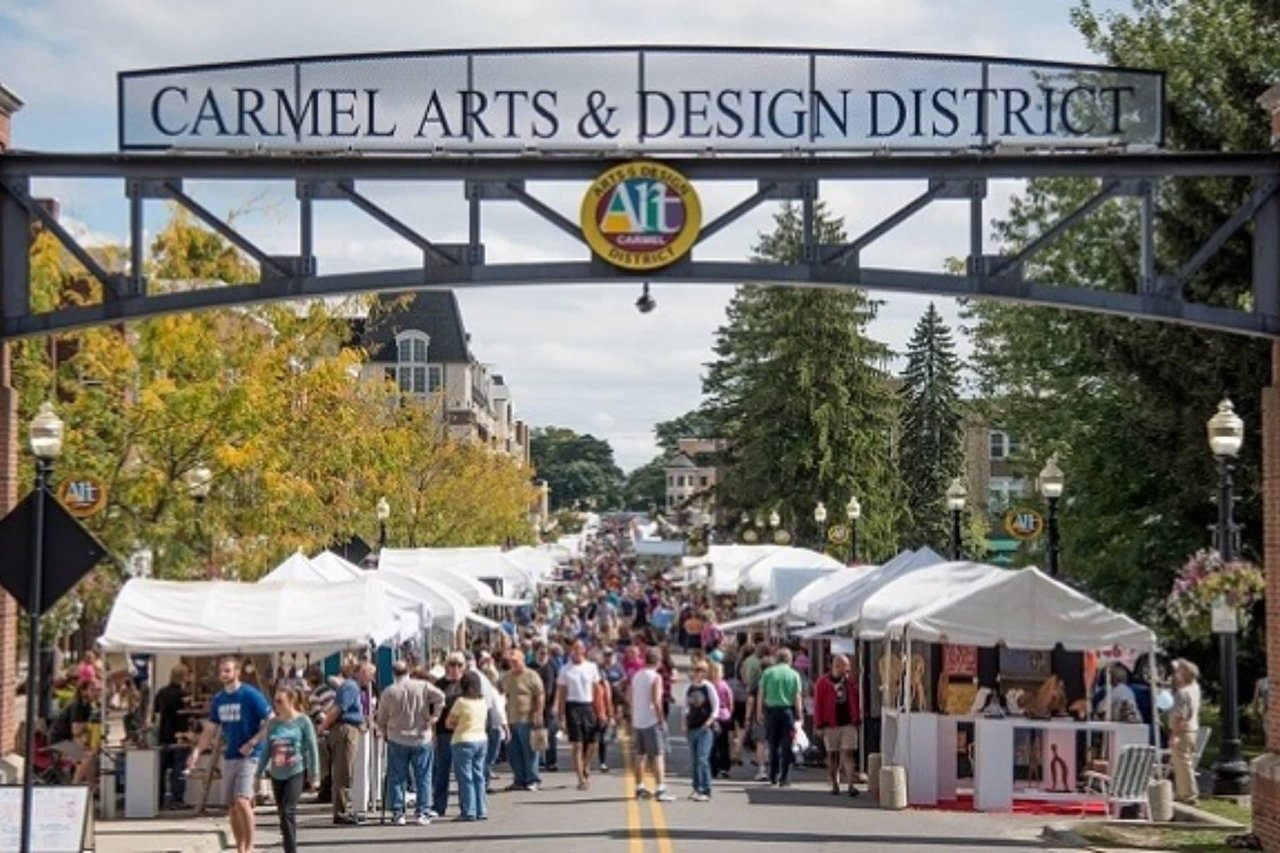
Brick Street Market is a good example. The town describes it as an event where visitors browse arts, crafts, and food booths on the historic brick Main Street while also shopping village stores and restaurants.
The Main Street area also continues to host concerts, markets, and other events. With close to 175 businesses and more than 1,100 jobs in the district, the village serves as both a lifestyle destination and an active local business center.
Public art and culture add another layer
Another part of village living is the cultural presence built into the area. The town notes that the Zionsville Cultural District is the heart of the village district and works to make art, culture, and history accessible through public art and programming.
That can shape how the area feels on a normal day. Instead of a purely functional downtown, you get a setting with visual interest, community identity, and a stronger sense of continuity between past and present.
For buyers relocating from outside the area, that often makes the village feel more memorable. It is not just convenient. It has texture.
Homes near the village feel varied and character-rich
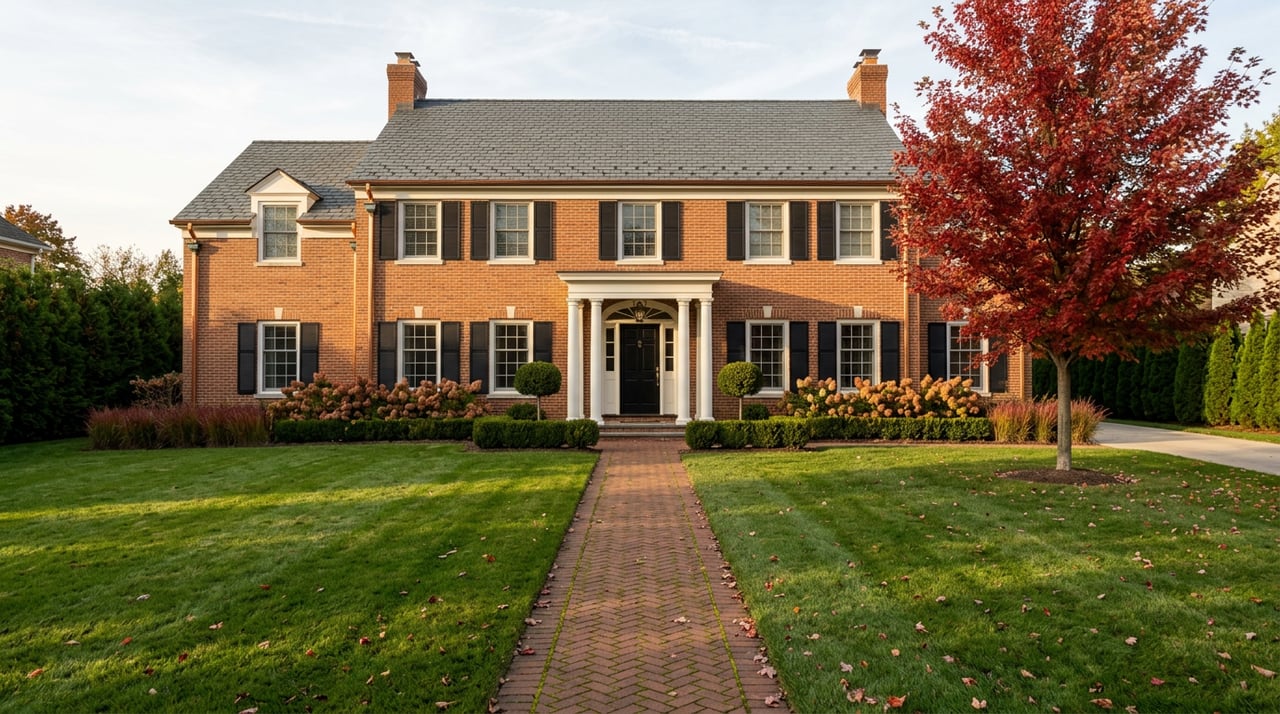
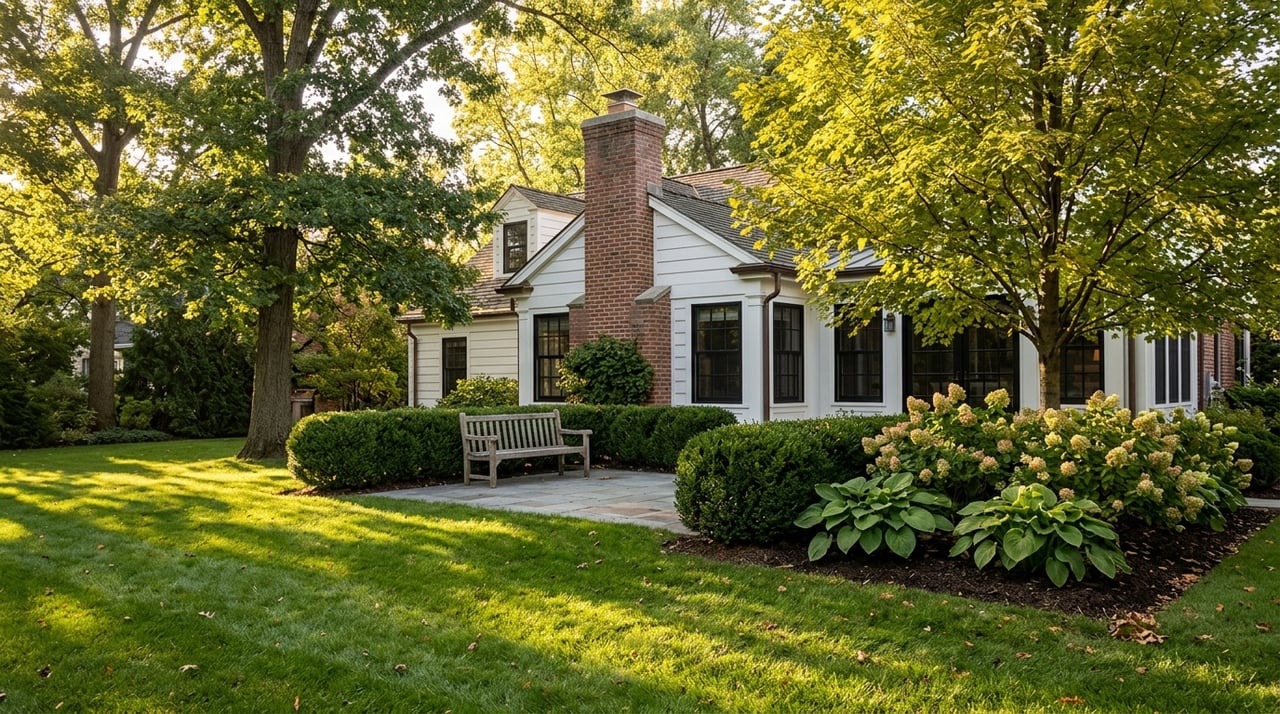
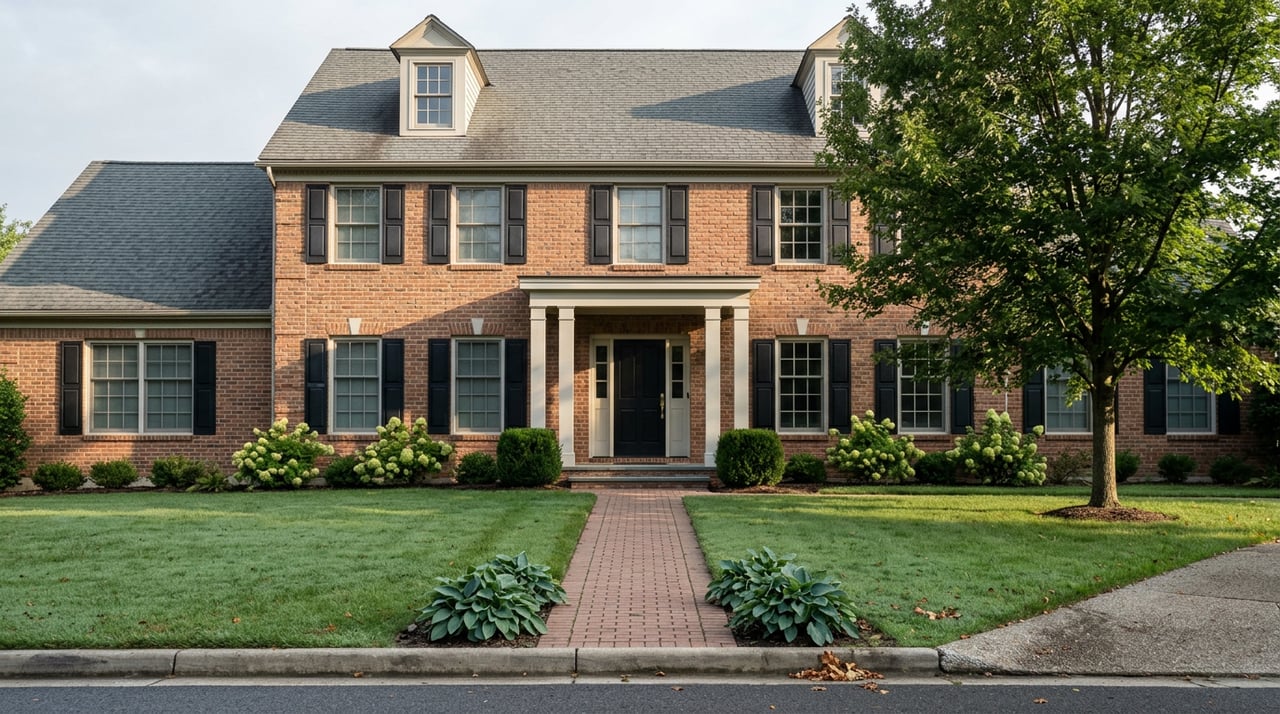
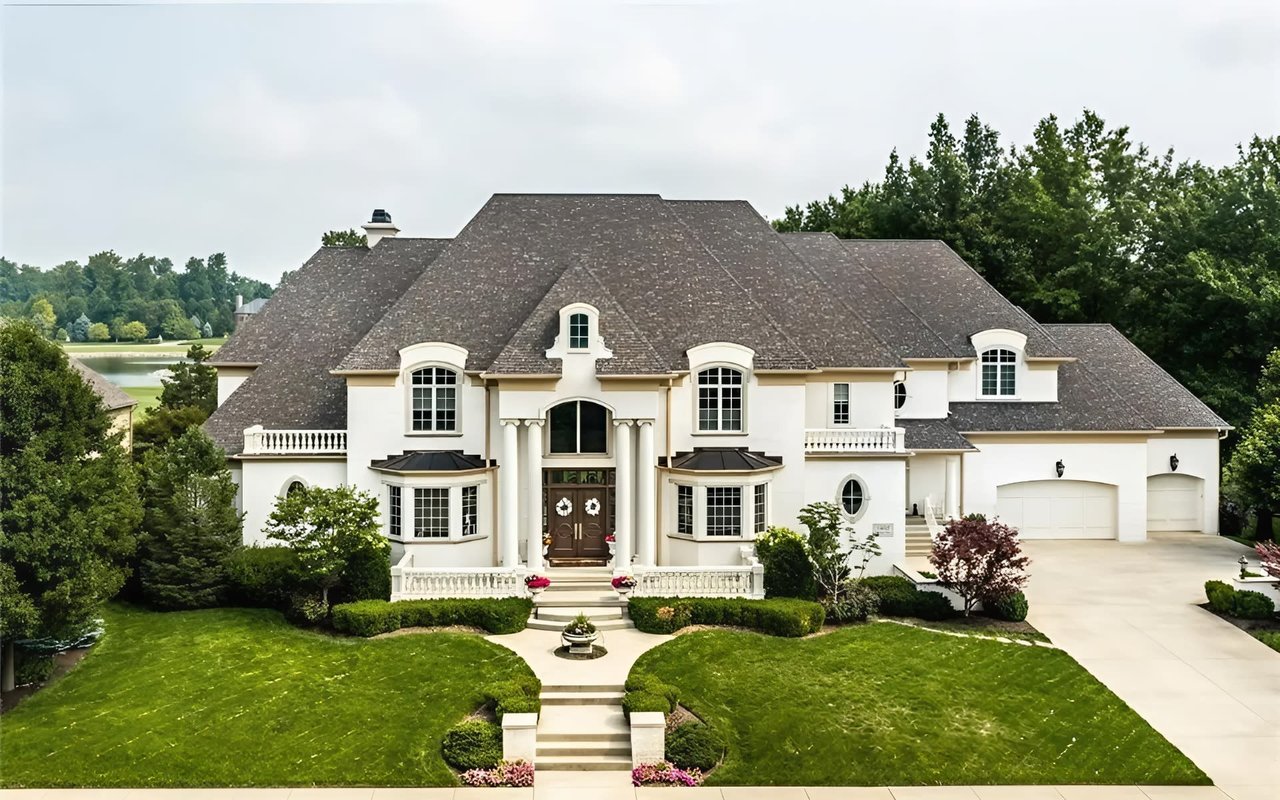
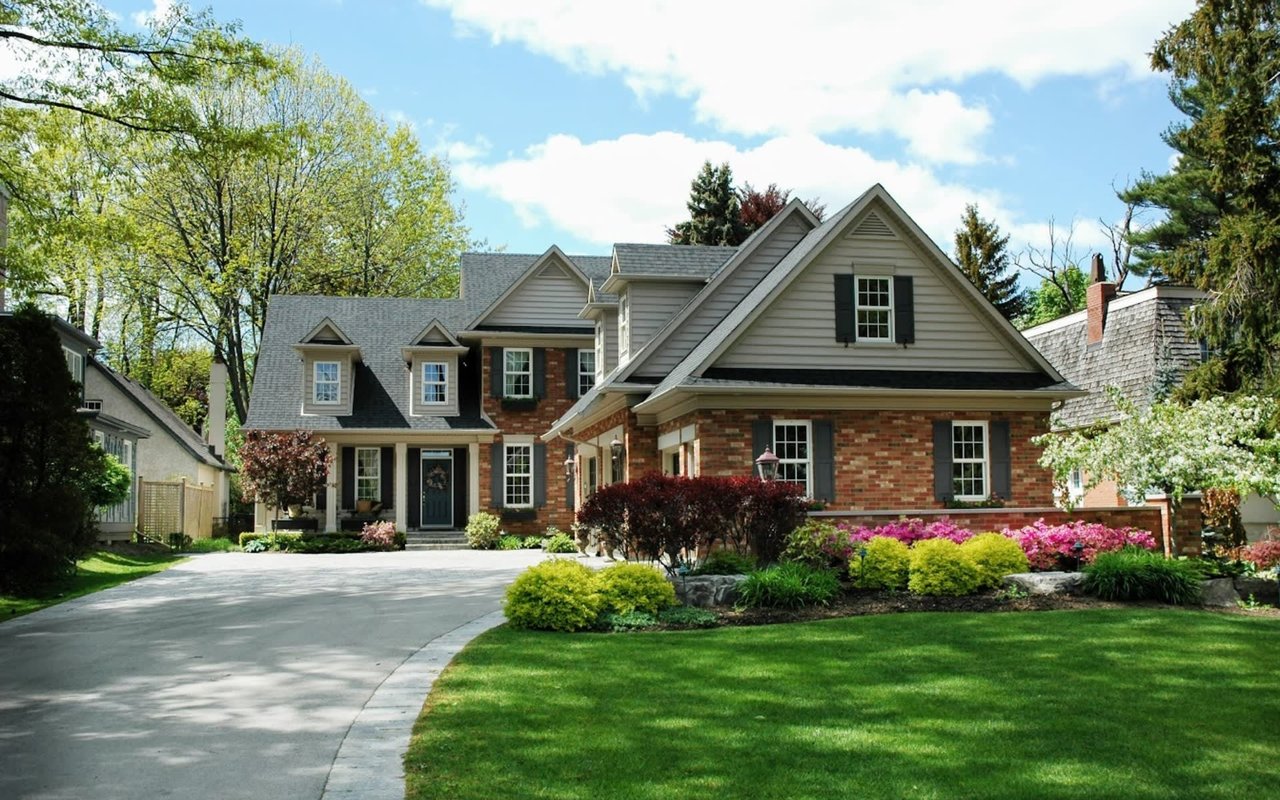
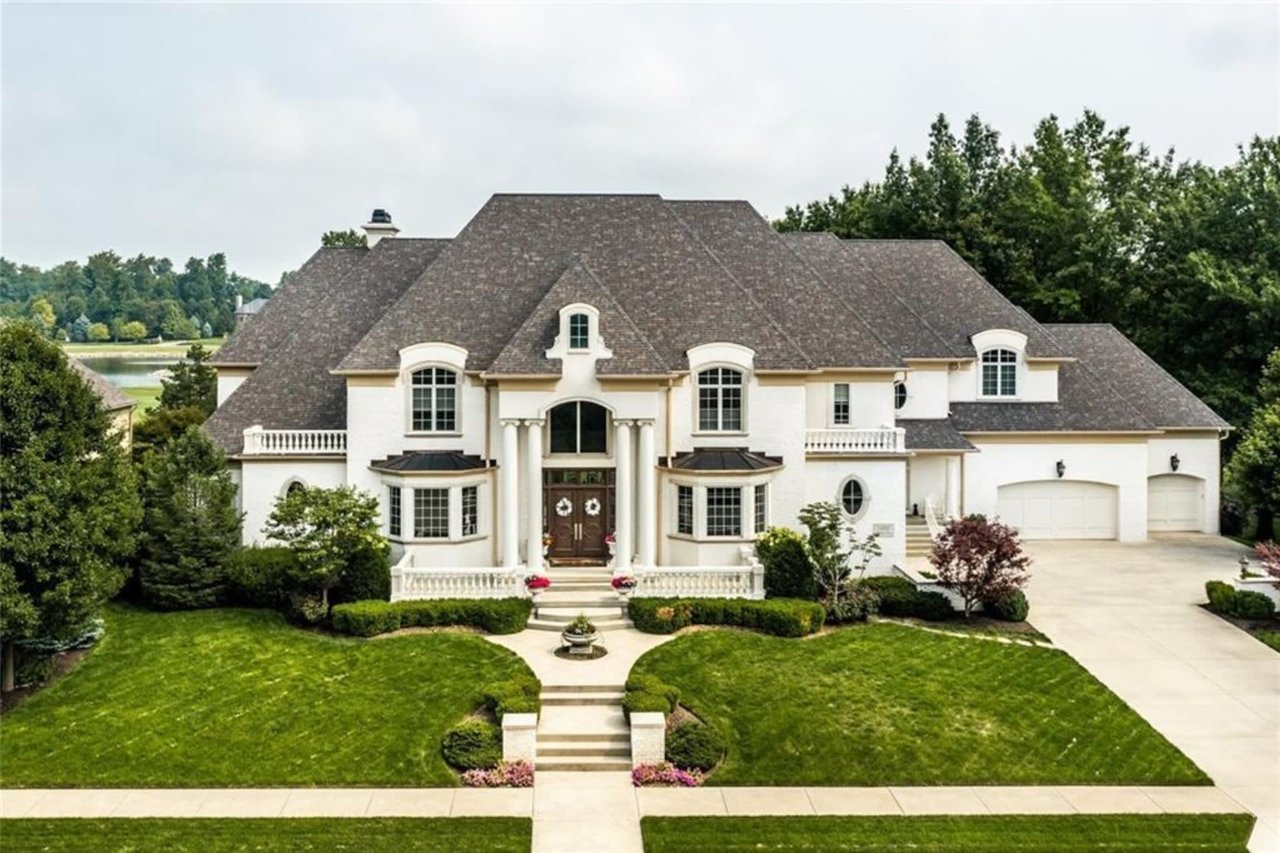
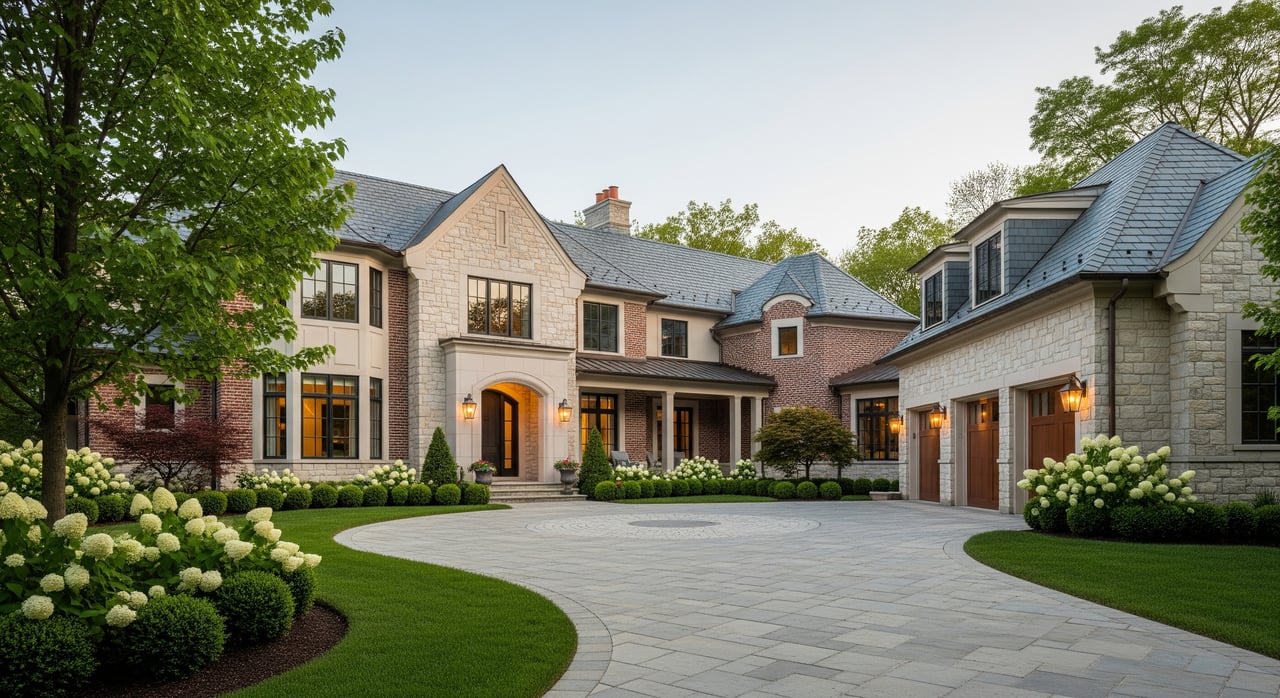
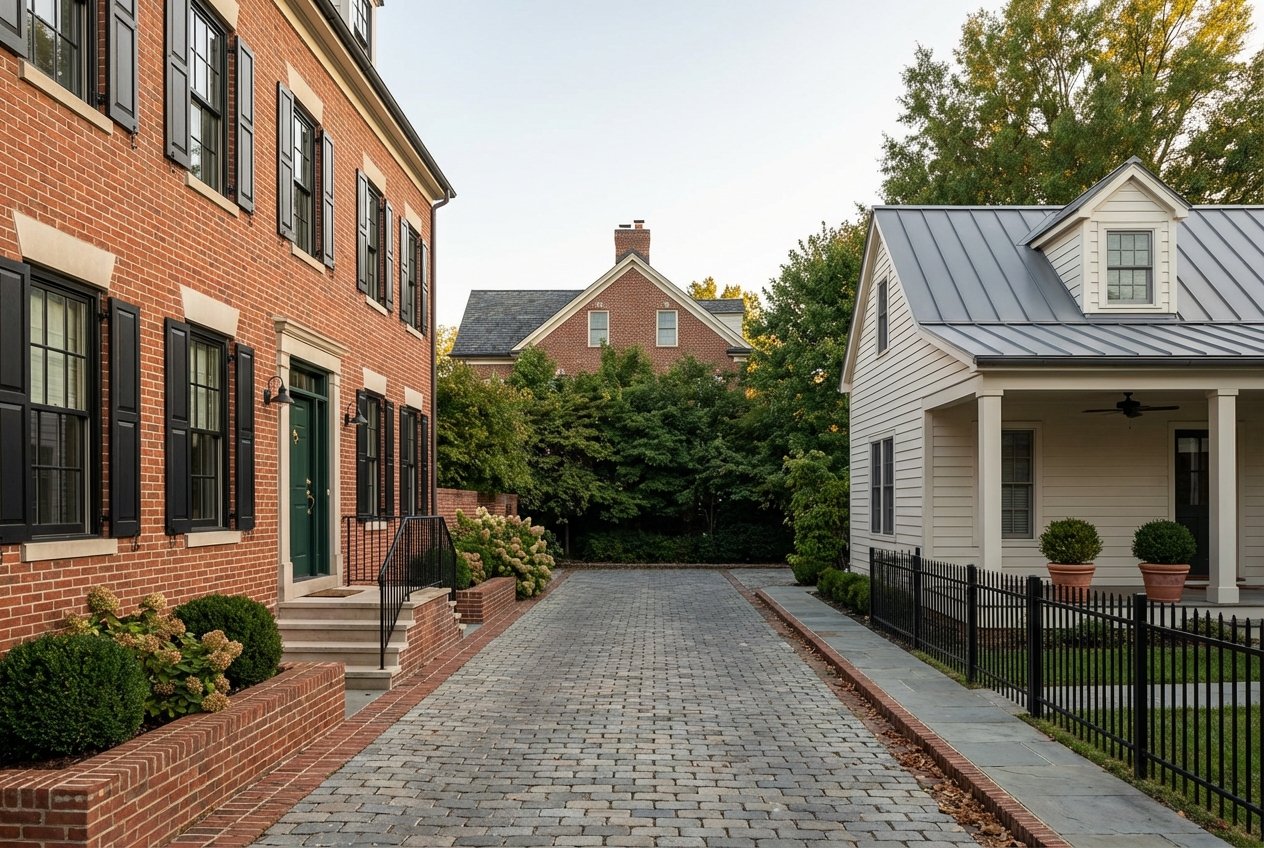
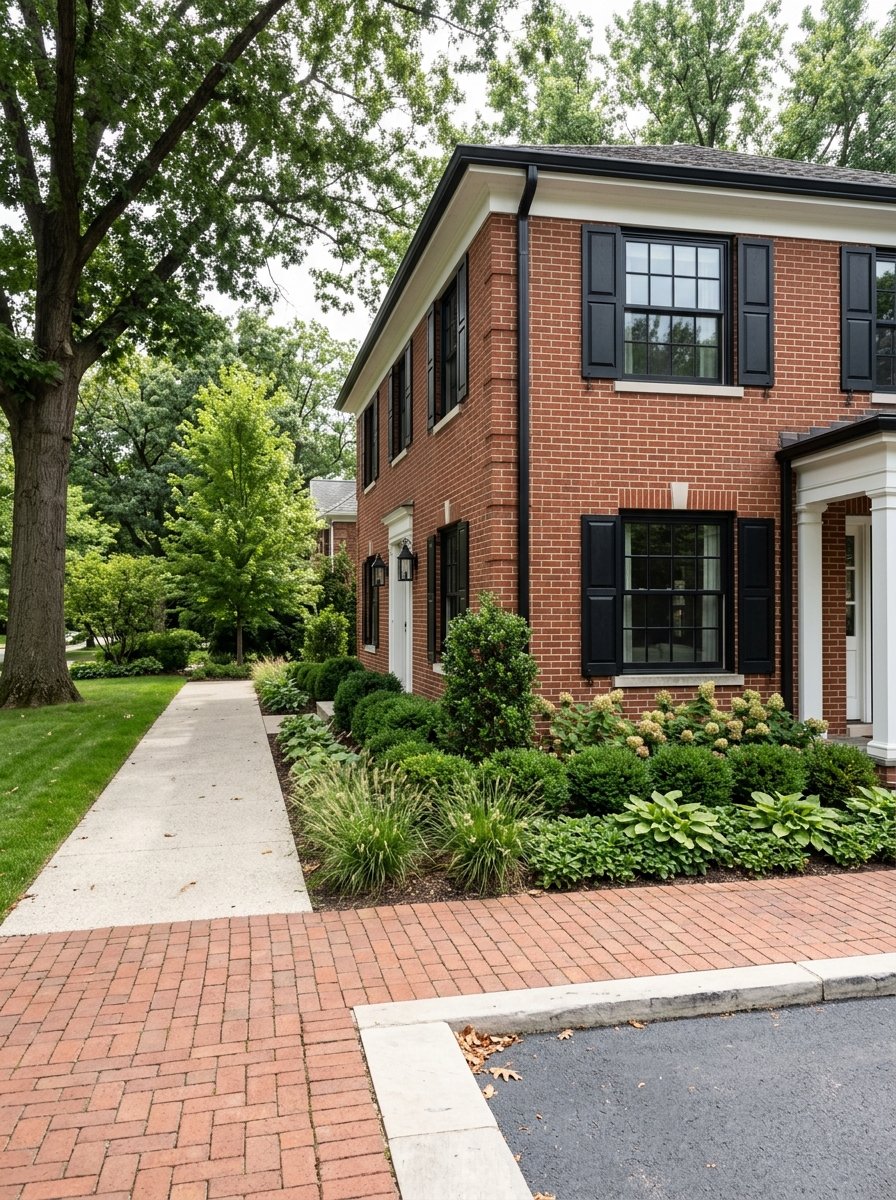
When people imagine living in Brick Street Village, they often picture charming older homes, smaller-scale streets, and a more intimate neighborhood layout. The town’s planning language supports that overall impression.
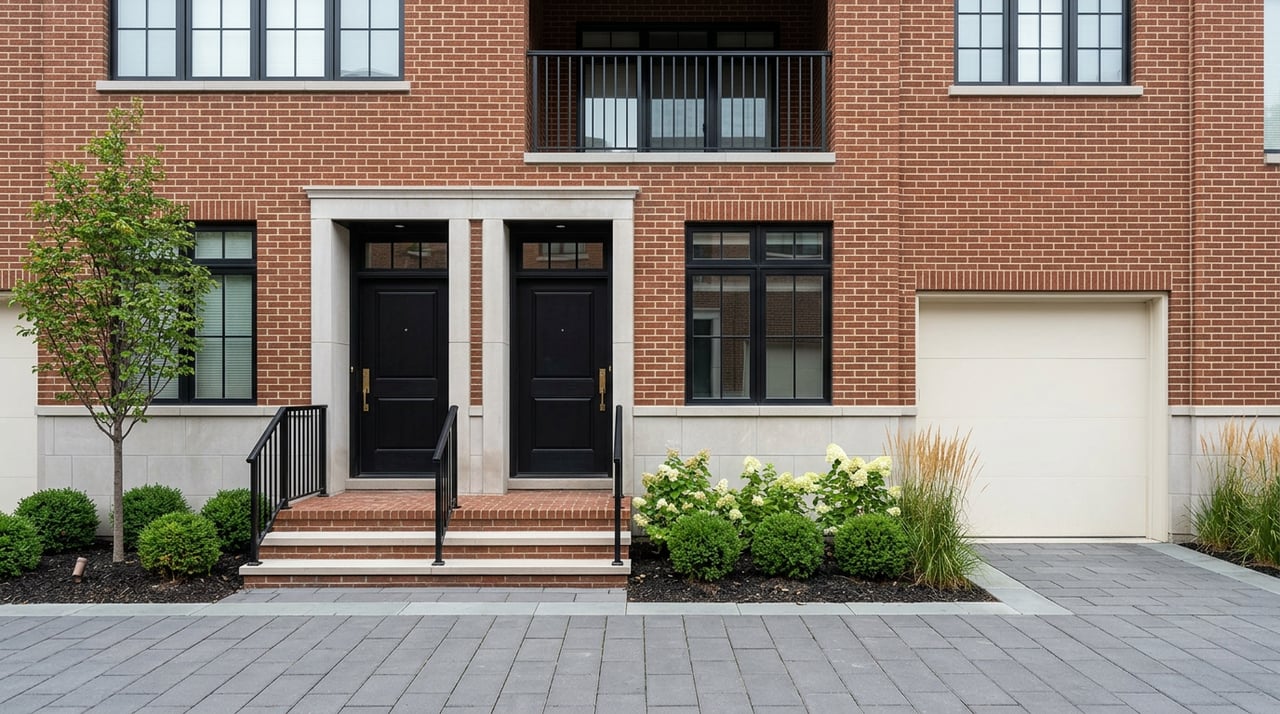
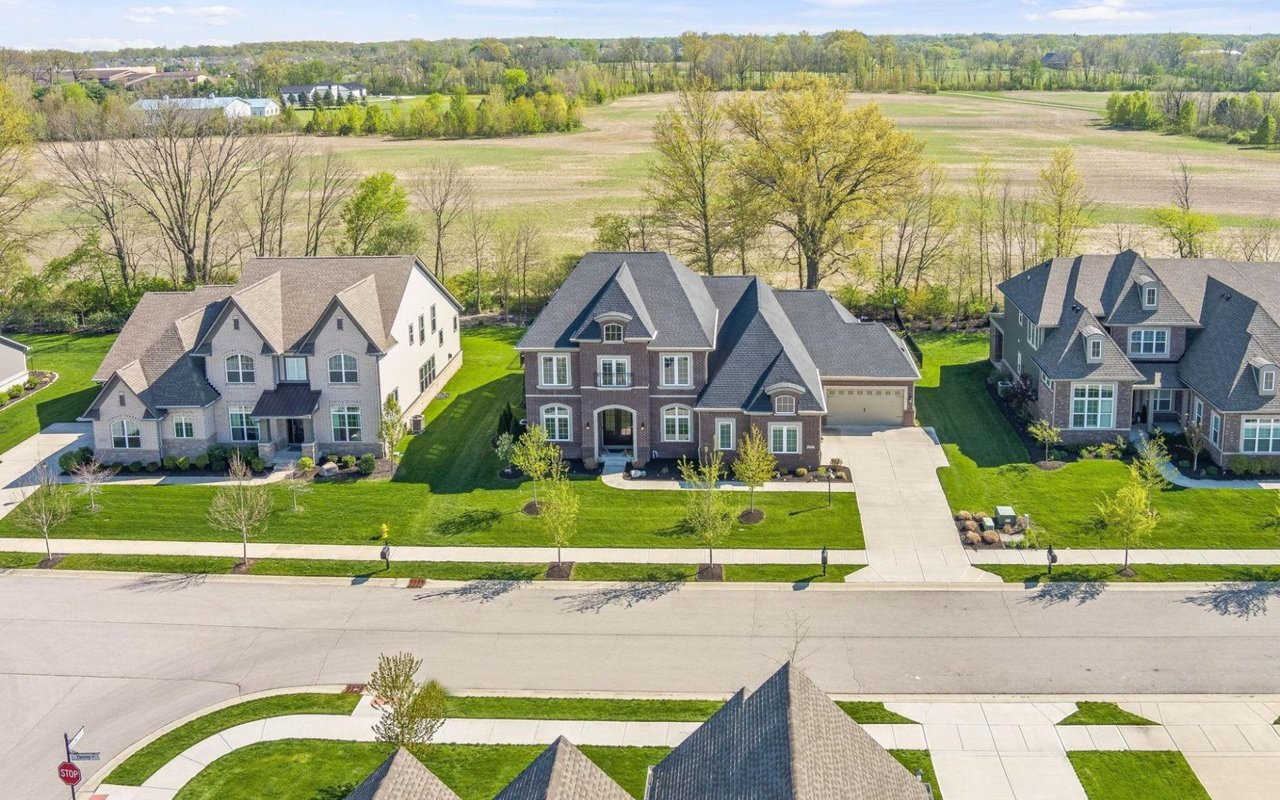
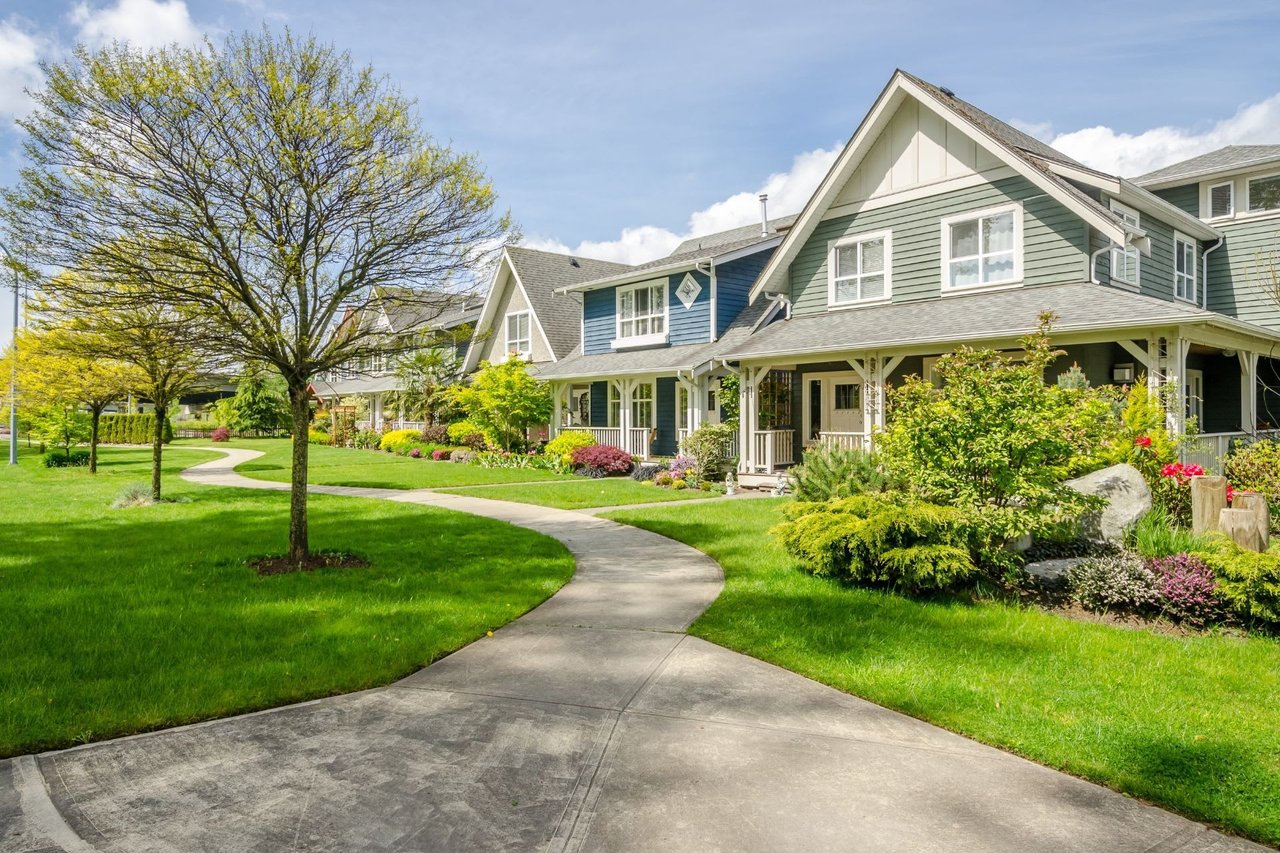
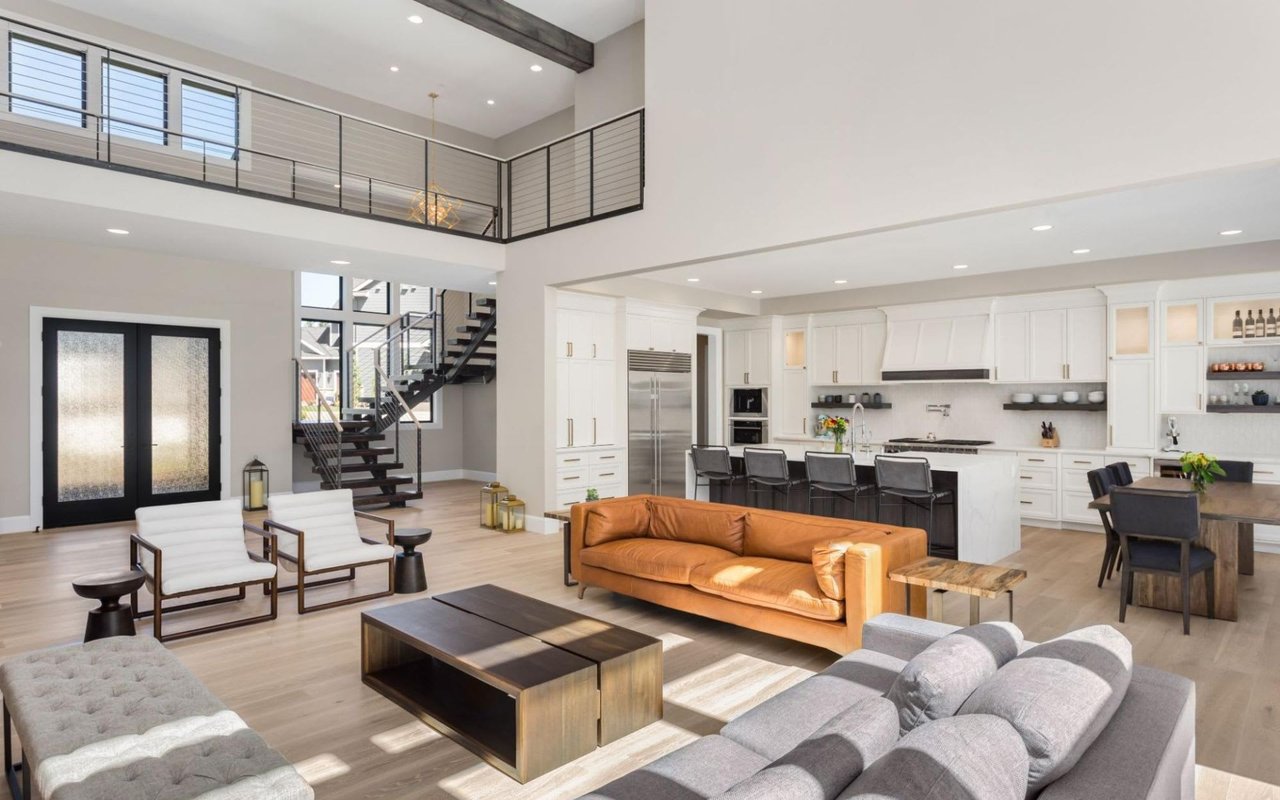
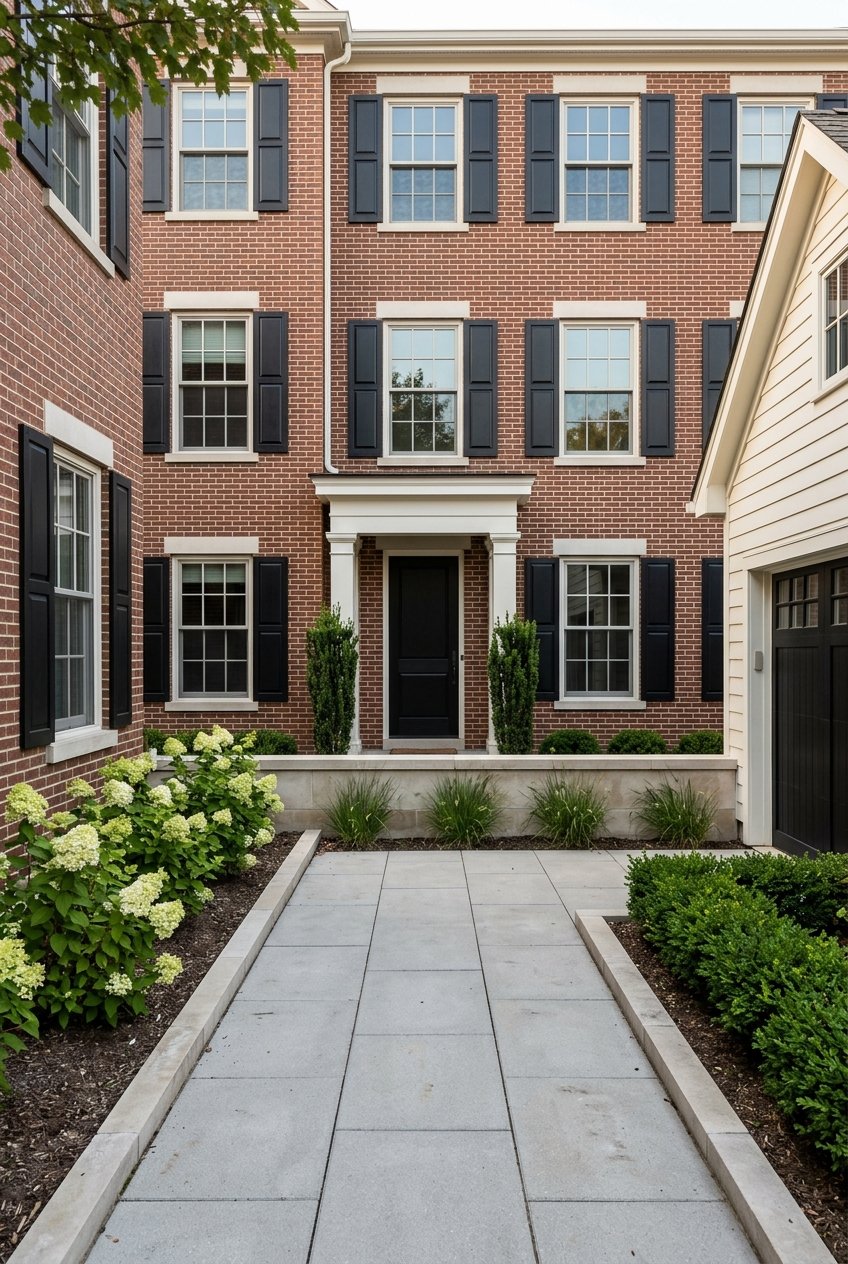
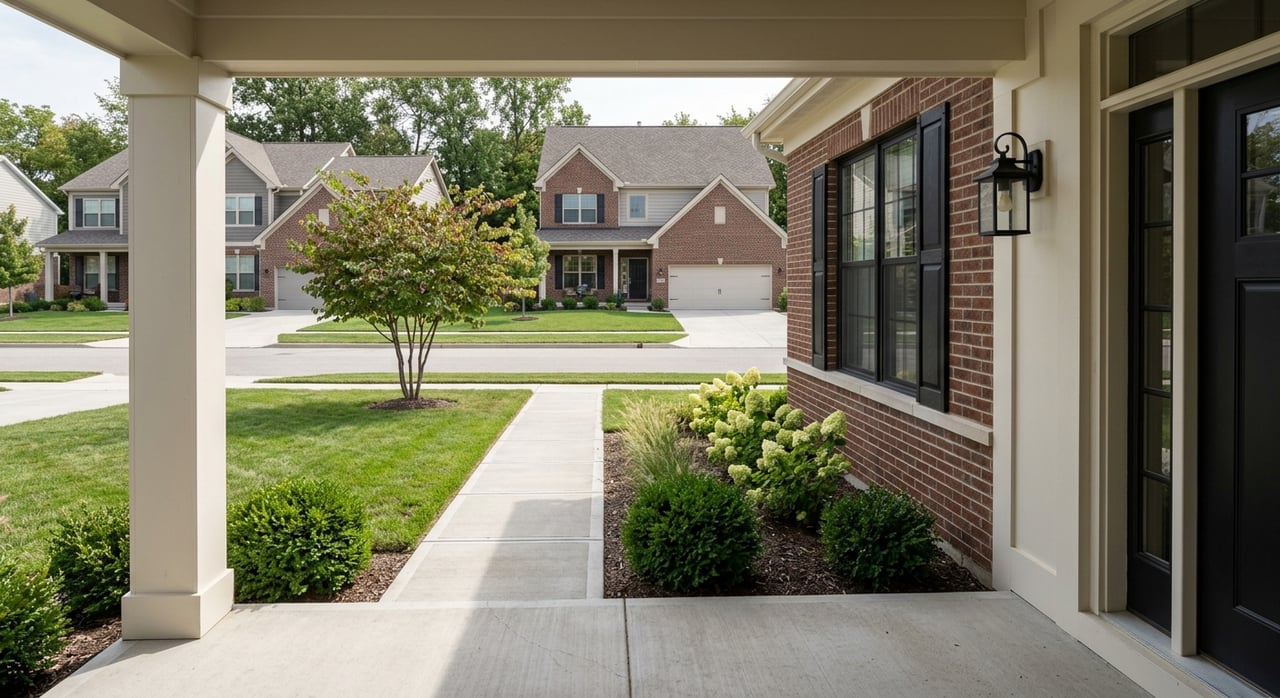
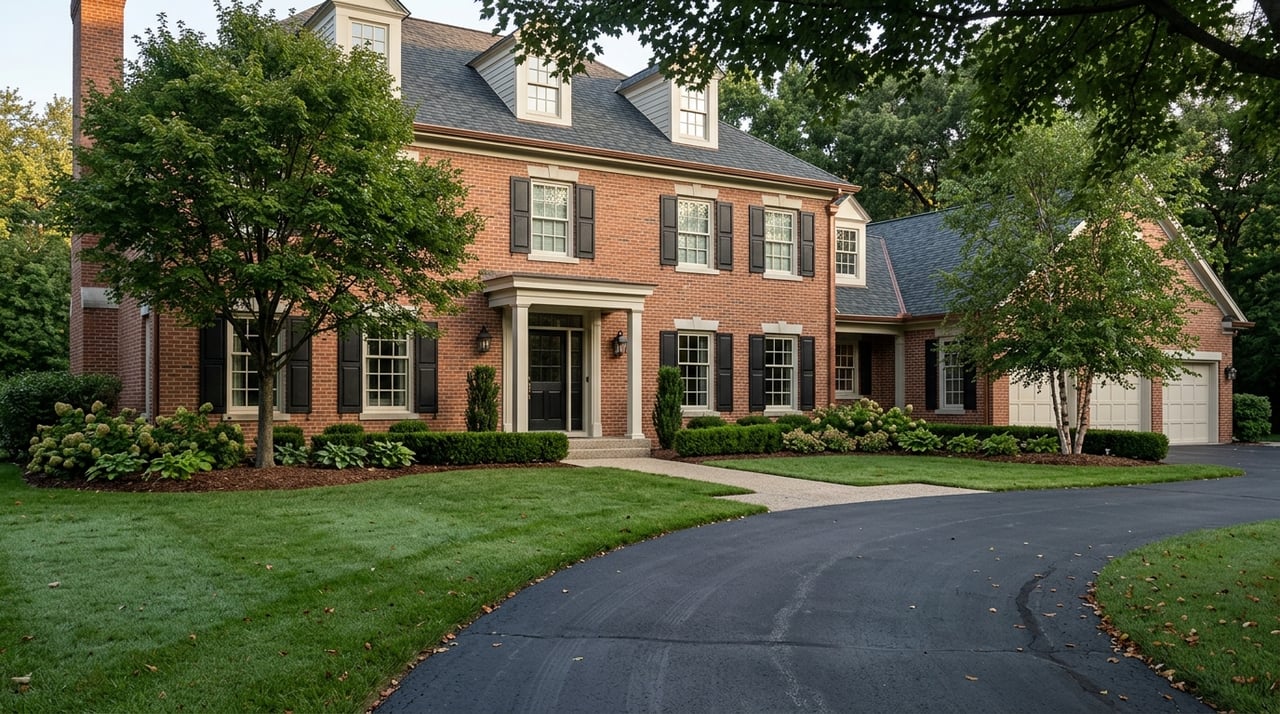
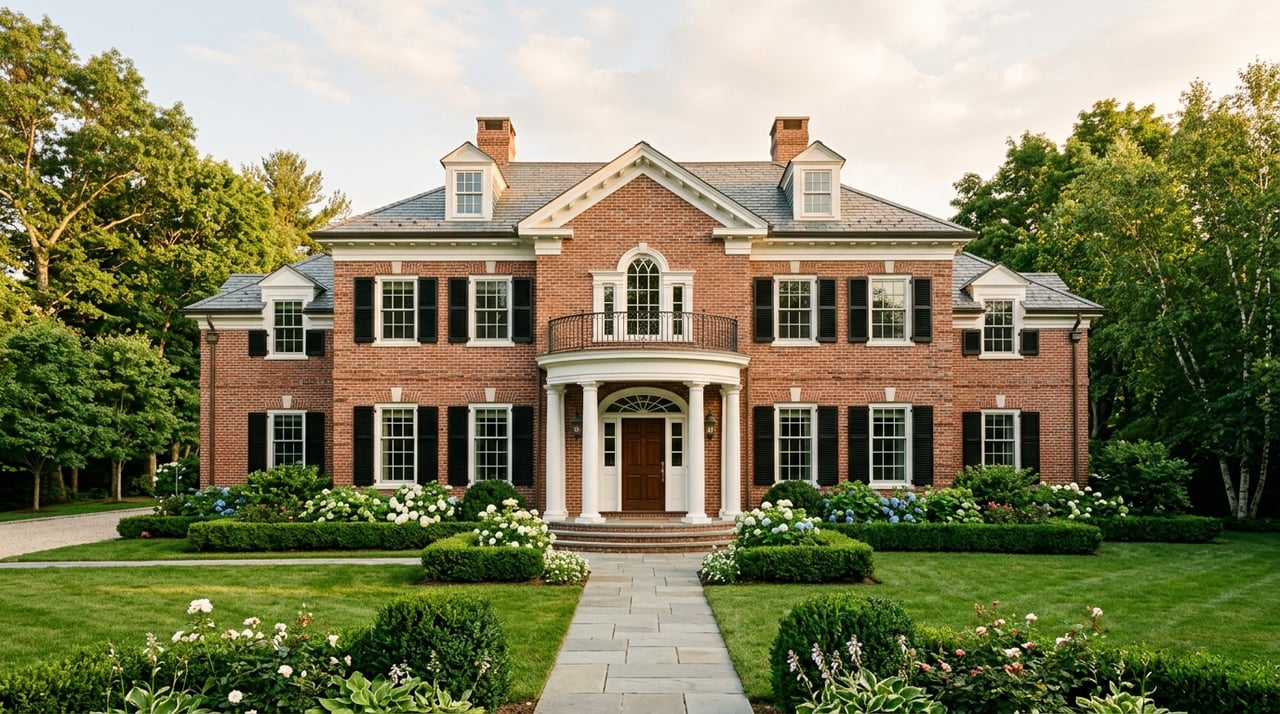
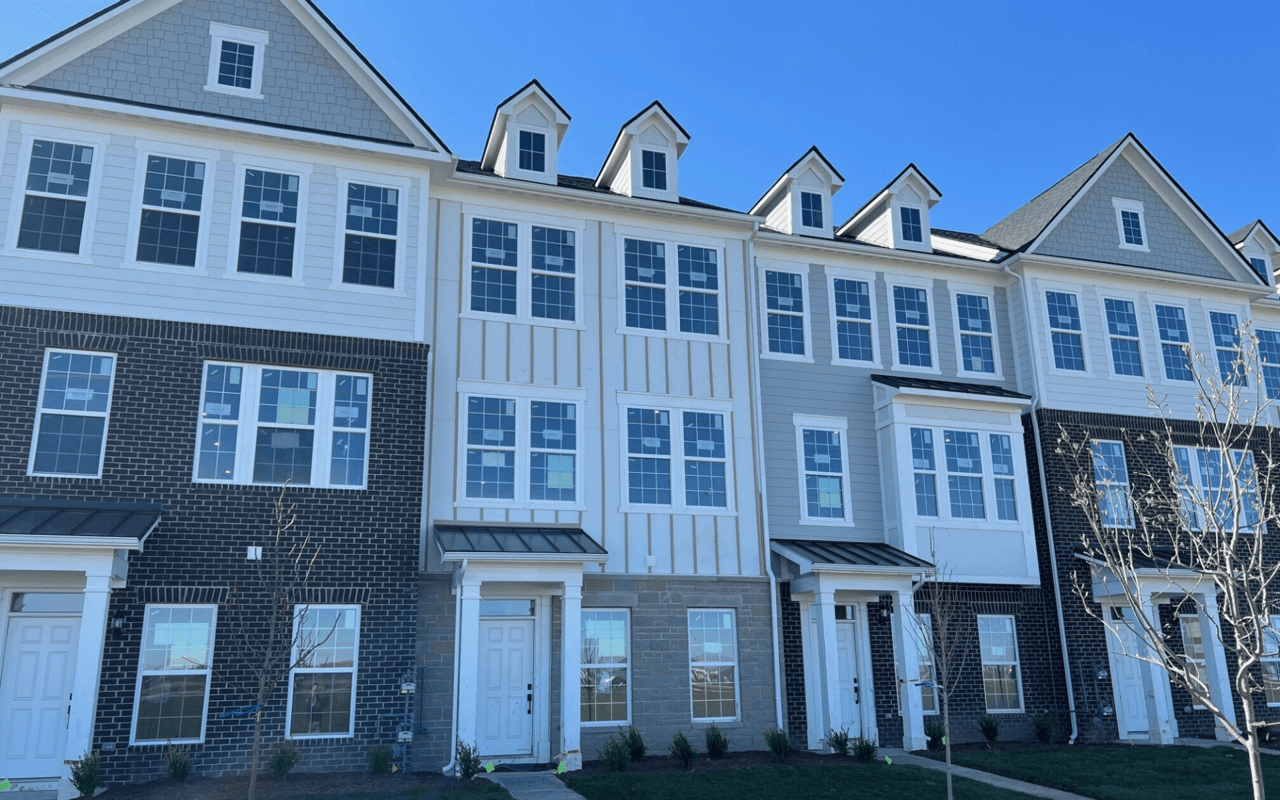
The Village Residential district is described as a mix of single-family detached homes, townhomes, duplexes, and accessory dwelling units. These are arranged around walkable blocks with integrated open spaces, civic uses, and connections to the Village Business District.
That variety matters because it creates options. Depending on your goals, you may be looking for a detached historic-style home, a lower-maintenance townhome, or a property type that offers easier daily living near the core.
The scale stays human
The same planning guidance makes clear that new development and redevelopment should respect the form and massing of surrounding properties. In plain terms, the town is signaling that the village should remain context-sensitive and low-rise rather than turning into a dramatically larger urban district.
For many buyers, that is reassuring. It supports the feeling that the area’s character is not accidental and that the built environment is being shaped with continuity in mind.
Historic housing adds texture
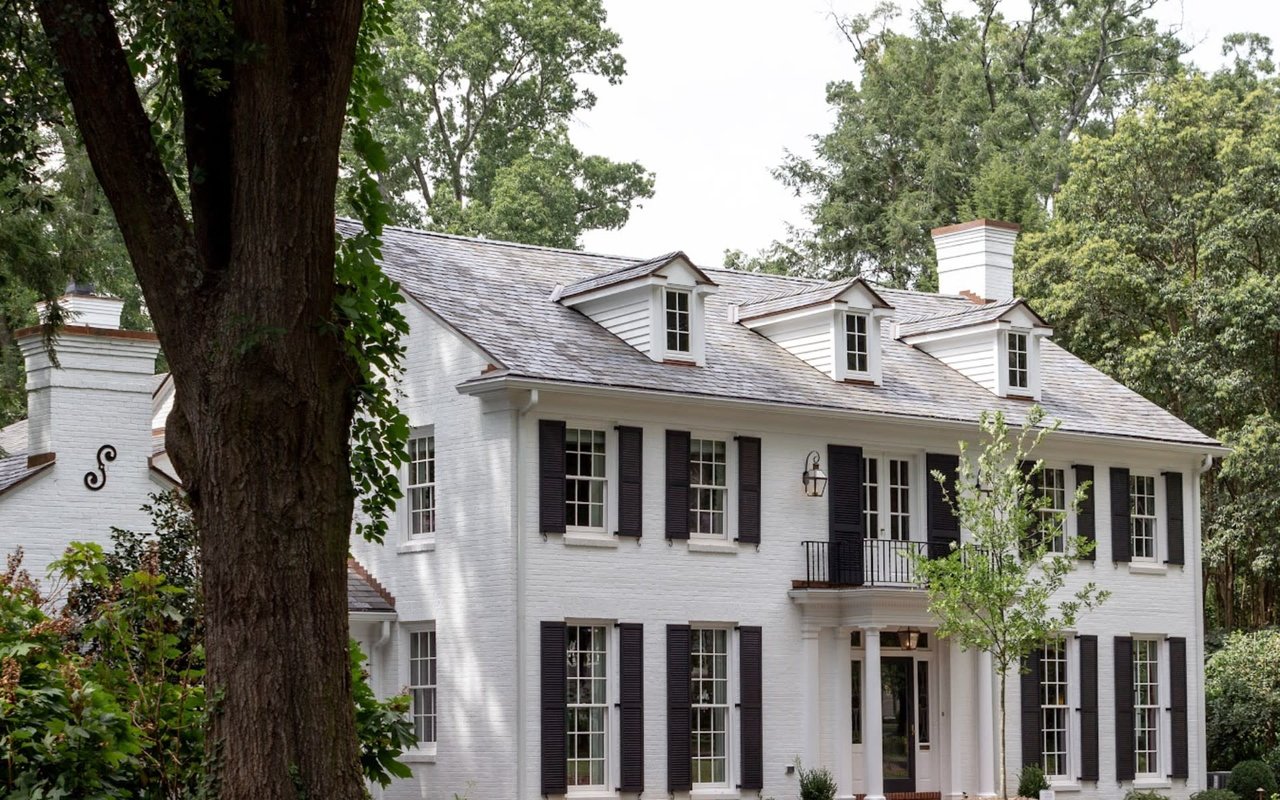
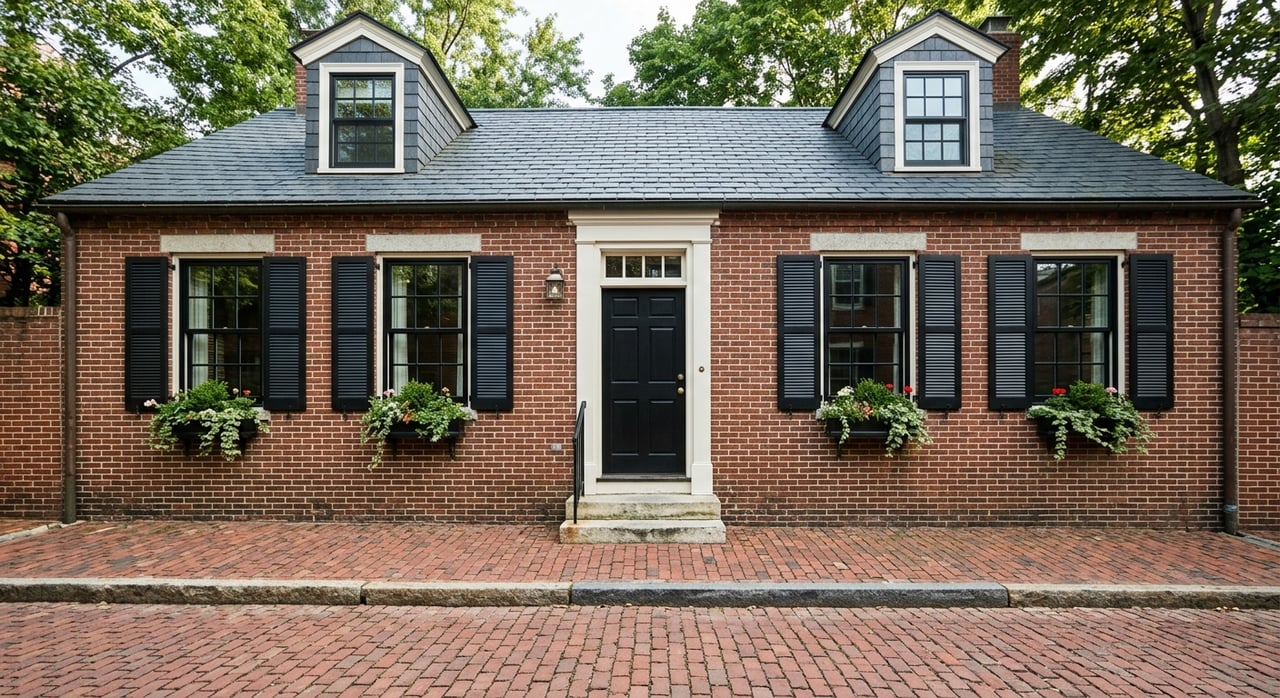
The village core survey notes that Zionsville includes a significant number of Bungalows and American Small Houses, along with other vernacular historic homes and civic buildings. The town’s preservation and design tools also show an effort to maintain older structures rather than replacing the village core wholesale.
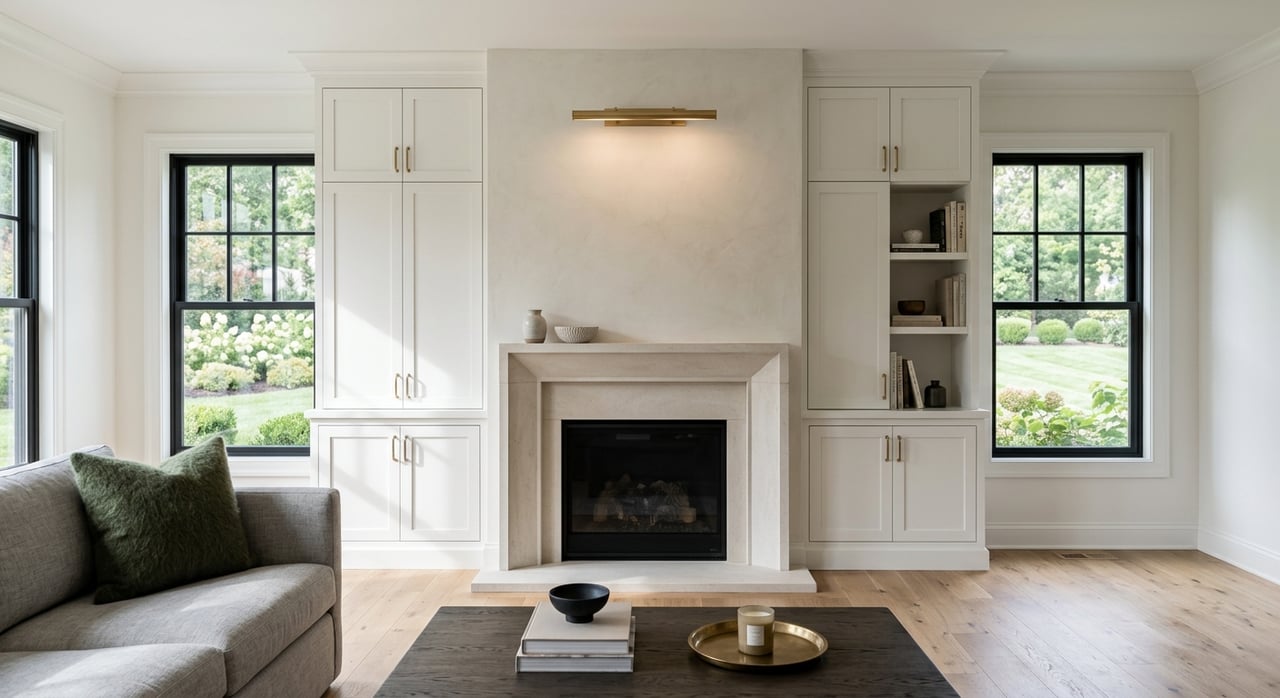
That does not mean every home is historic or identical in style. It does mean the area tends to offer a layered, established feel that many buyers value when they want more character than a typical newer subdivision provides.
Village living connects to the rest of town
A common question from buyers is whether living in a walkable historic district means giving up convenience elsewhere. In Zionsville, the answer is generally no.
The town’s Wayfinding Master Plan is meant to connect the Village Business District with parks, trailheads, shopping areas, and community attractions across Zionsville. The Main Street Momentum project is also focused on improving travel to and through the historic Village for different modes of travel.
So while the village has a distinct identity, it is not cut off from the rest of town. It works as part of a broader network of amenities and destinations.
Indianapolis access is still part of the appeal
For many relocators and move-up buyers, one of Zionsville’s strengths is that it combines a small-town setting with regional access. The town describes Zionsville as being about 20 minutes north of Indianapolis.
That gives Brick Street Village a useful balance. You can enjoy a pedestrian-friendly historic center with boutiques, restaurants, trails, and local events, while still staying connected to the broader Indianapolis metro.
Who tends to love Brick Street Village
This part of Zionsville often appeals to buyers who value lifestyle as much as square footage. You may be a good fit for the area if you want:
- A home near a walkable historic district
- Local shops and restaurants woven into daily life
- Access to parks, trails, and public gathering spaces
- A lower-rise, character-driven setting
- A location that still offers access to Indianapolis
It can also be appealing if you want a home that feels connected to a recognizable town center. That kind of setting is harder to find than a standard neighborhood with nearby retail.
What to keep in mind as you explore
Brick Street Village offers a very specific kind of lifestyle, and that is part of its strength. If you are considering a move here, think about how much you value walkability, historic character, and proximity to the village core compared with a larger lot or a newer subdivision format.
It is also helpful to consider what kind of home style and maintenance level you want. Because the area includes a mix of detached homes, townhomes, duplexes, and other small-scale housing types, your best fit may depend on how you want to live day to day.
If you are exploring Zionsville and want a more tailored view of where village living fits into your goals, The CHG can help you compare options, understand the feel of different areas, and plan your next move with local insight.
FAQs
What is Brick Street Village in Zionsville like day to day?
- Brick Street Village offers a walkable daily rhythm built around historic Main Street, locally owned shops and restaurants, nearby parks, and frequent community events.
What kinds of homes are near Zionsville’s Brick Street Village?
- The Village Residential area includes single-family detached homes, townhomes, duplexes, and accessory dwelling units in a small-scale, walkable setting.
Are there parks and trails near Brick Street Village in Zionsville?
- Yes. Lincoln Park, Village Corner, Elm Street Green, Lions Park, Starkey Nature Park, and the Big-4 Rail Trail all support an active, connected lifestyle near the village core.
Is Zionsville’s Brick Street Village connected to the rest of town?
- Yes. Zionsville’s planning and wayfinding efforts are designed to connect the Village Business District with other shopping areas, parks, trailheads, and community attractions.
How far is Brick Street Village from Indianapolis?
- The town describes Zionsville as about 20 minutes north of Indianapolis, which helps balance small-town character with metro access.