If you have been watching Hamilton County, you have probably noticed that Westfield is changing fast. For buyers, sellers, and anyone comparing northside communities, that pace can feel exciting and a little hard to read at the same time. The good news is that the bigger picture is becoming clearer: Westfield’s population growth, infrastructure pipeline, and housing mix are reshaping where demand is strongest and what kinds of homes are getting attention. Let’s dive in.
Westfield is growing faster than its neighbors
Westfield is the fastest-growing of the three northside comparison cities in the research. Census estimates place the city at 62,994 residents in 2024, which is up 35.6% from 2020. Over that same period, Carmel grew 3.9% and Noblesville grew 7.7%.
That kind of growth matters because housing does not respond overnight. When population rises this quickly, you often see pressure on available homes, new construction, roads, schools, and community amenities all at once. In Westfield, those changes are happening together rather than in isolation.
What the housing profile looks like now
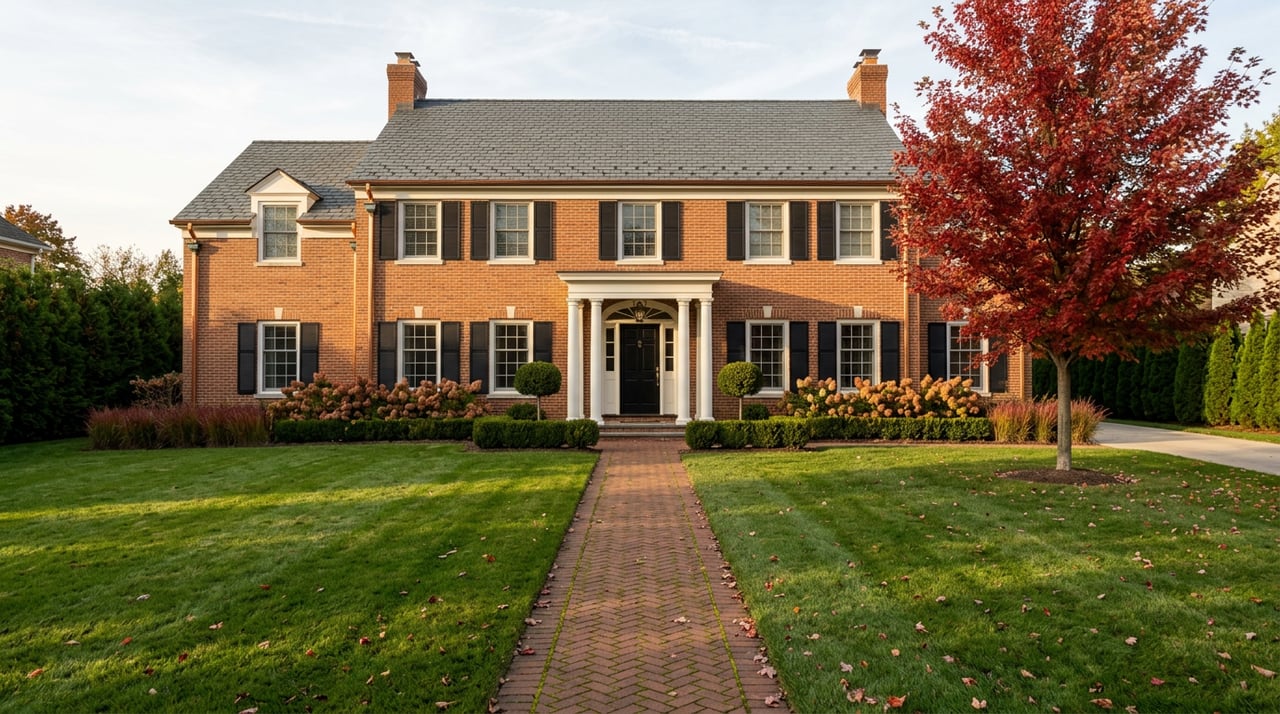
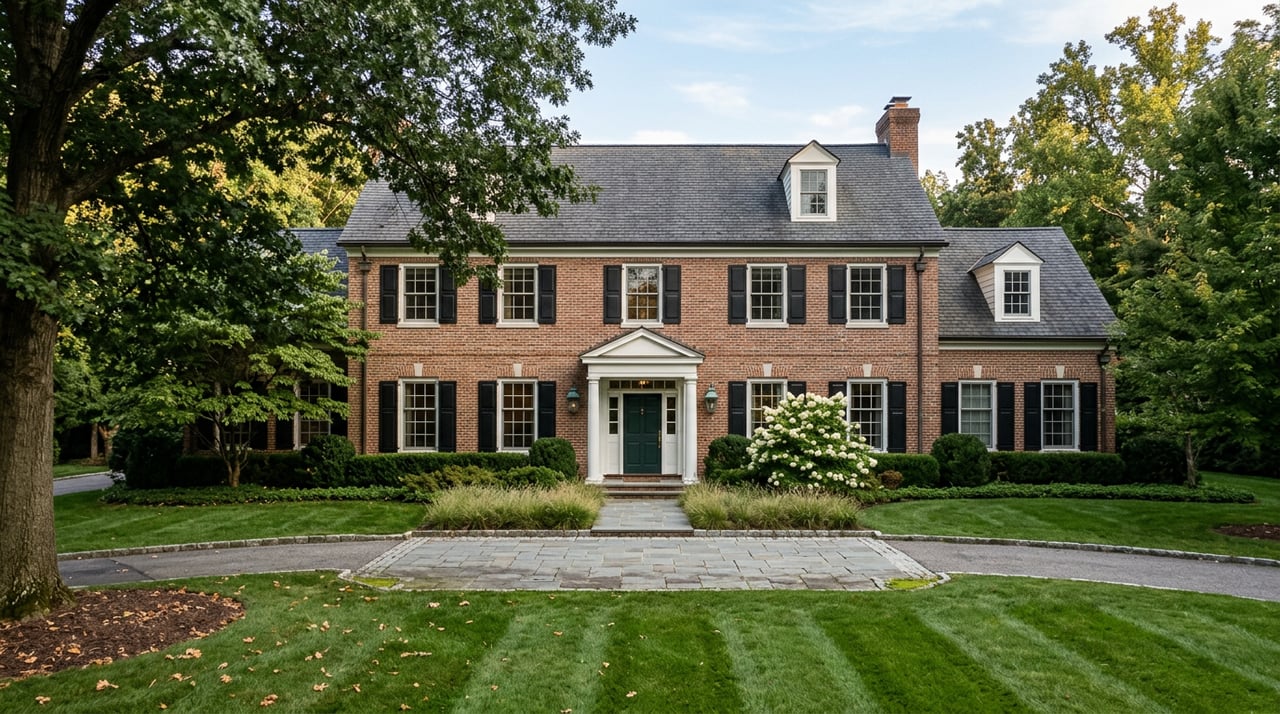
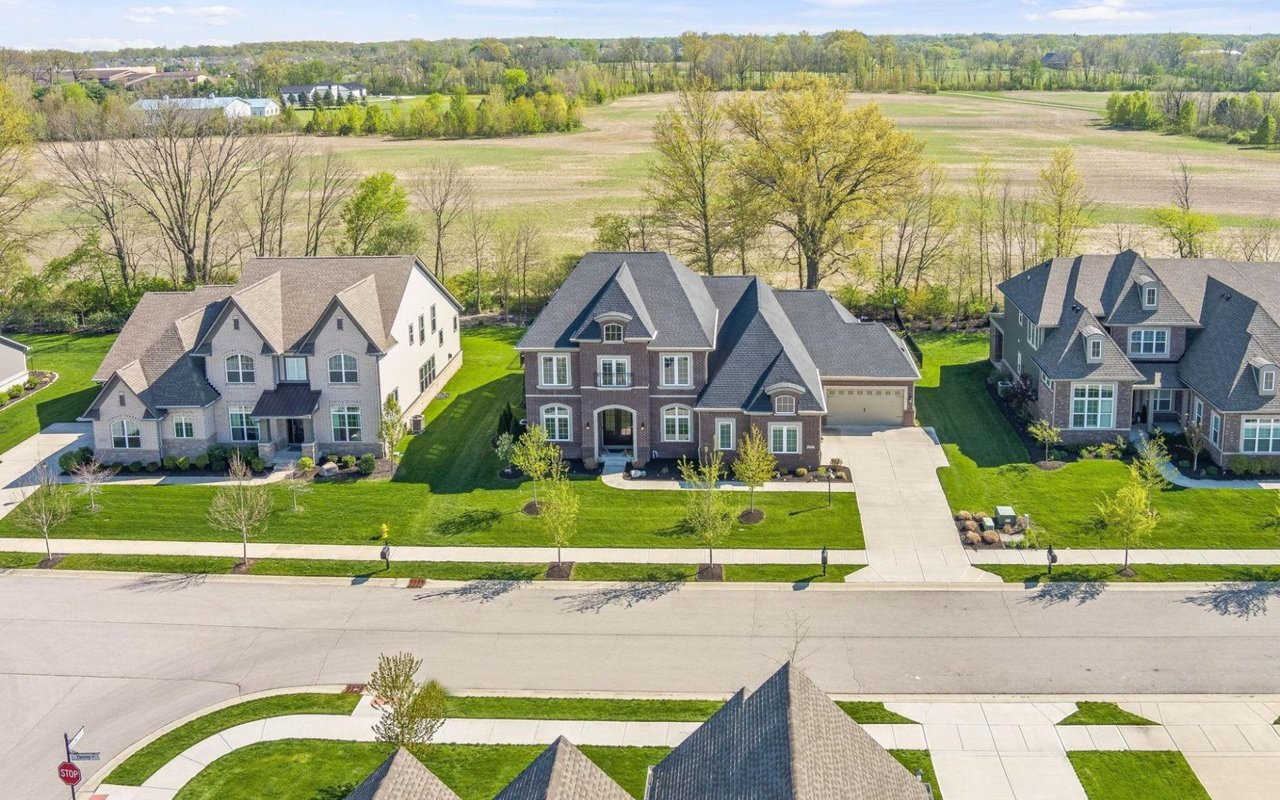
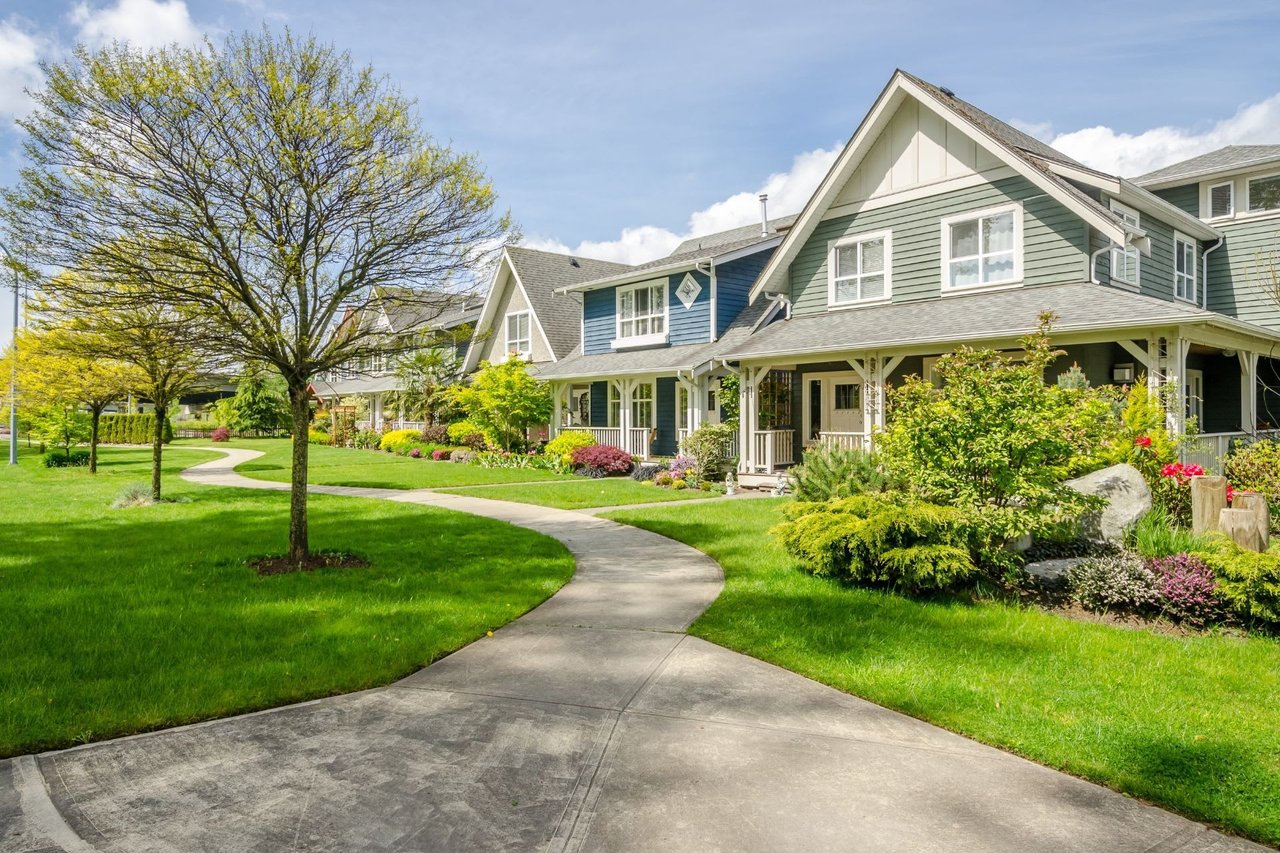
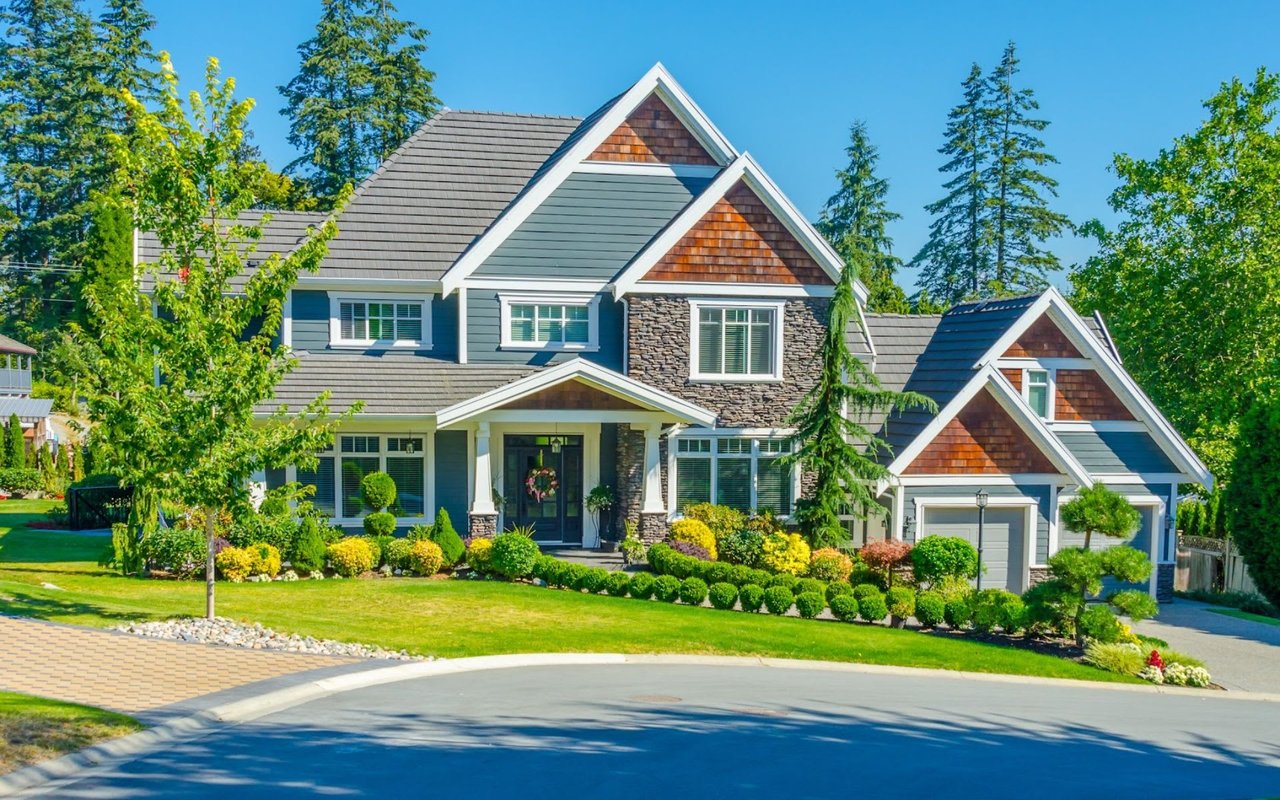
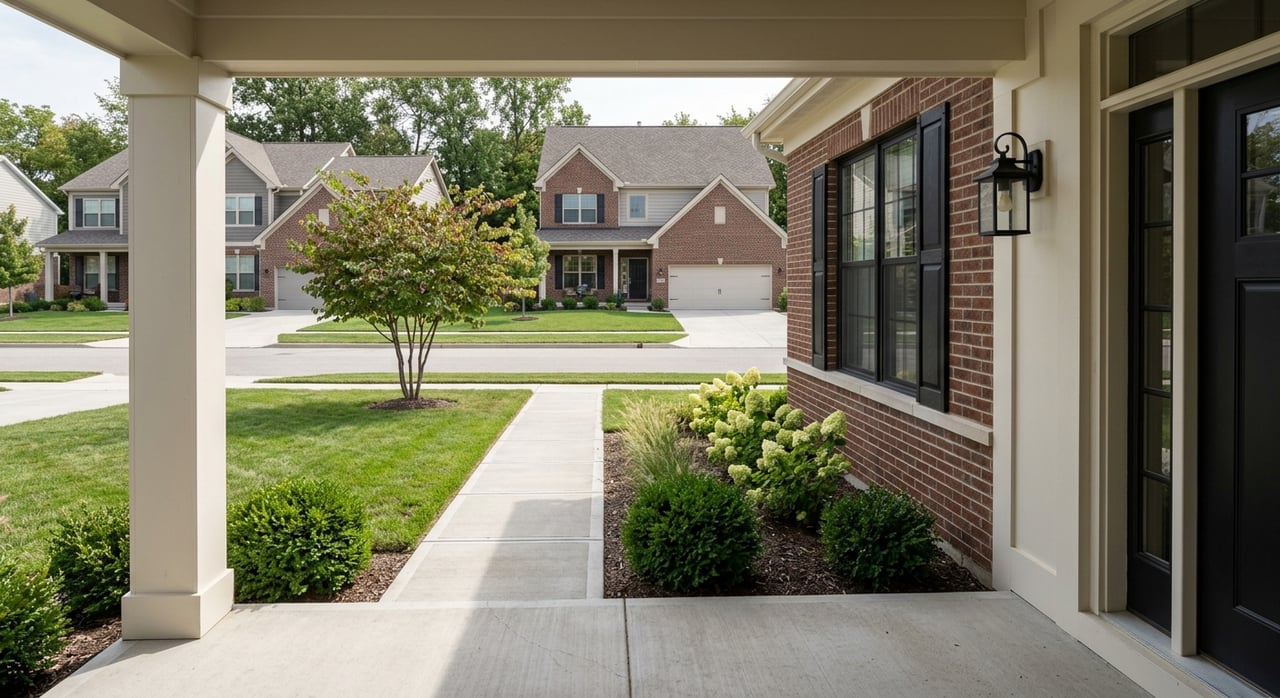
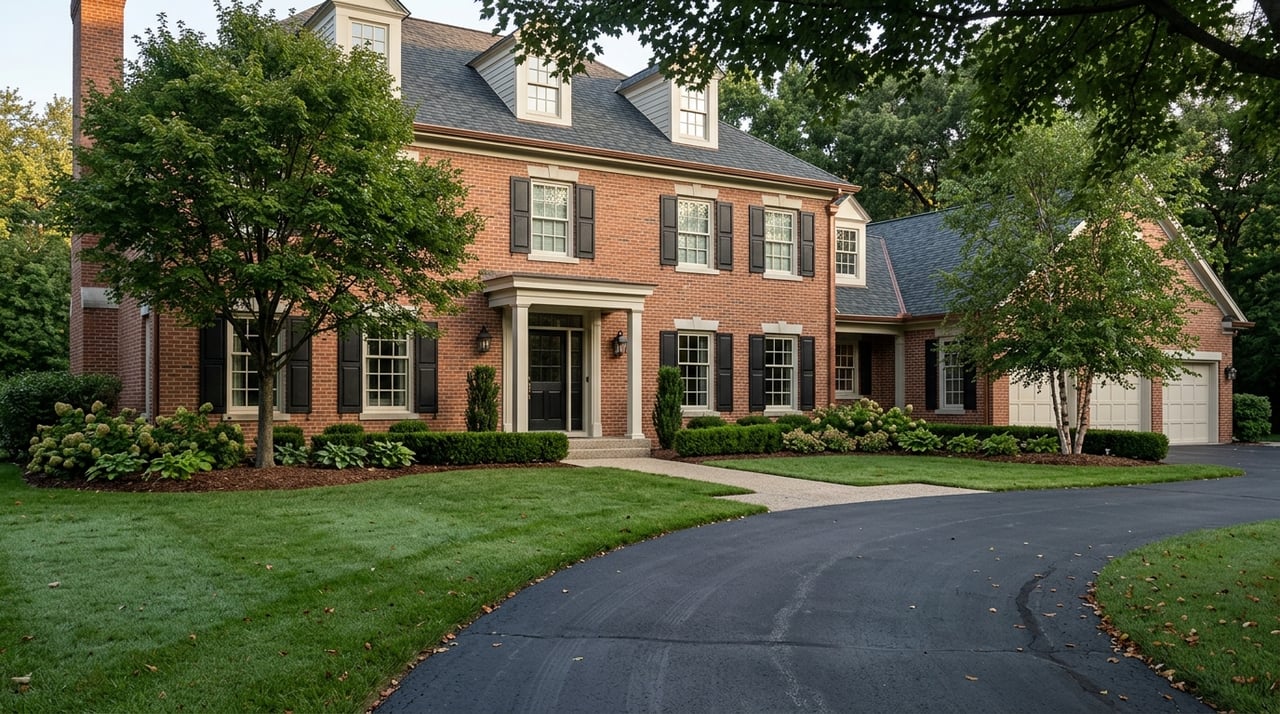
Westfield still leans heavily toward ownership and detached homes. The city’s owner-occupied housing rate is 79.5%, and its 2026 comprehensive plan notes that nearly 80% of housing is single-unit detached and owner-occupied. The same plan also says more than 65% of housing was built after 2000.
That tells you two important things. First, Westfield’s housing stock is relatively newer than many established suburbs. Second, the city is now working through a new phase where growth is no longer just about adding more of the same product.
Housing diversity is becoming a bigger priority
Westfield’s comprehensive plan frames housing as a diversification issue, not only a supply issue. The city says it should provide diverse and accessible housing across income levels and life stages, while also acknowledging low vacancy and limited housing diversity.
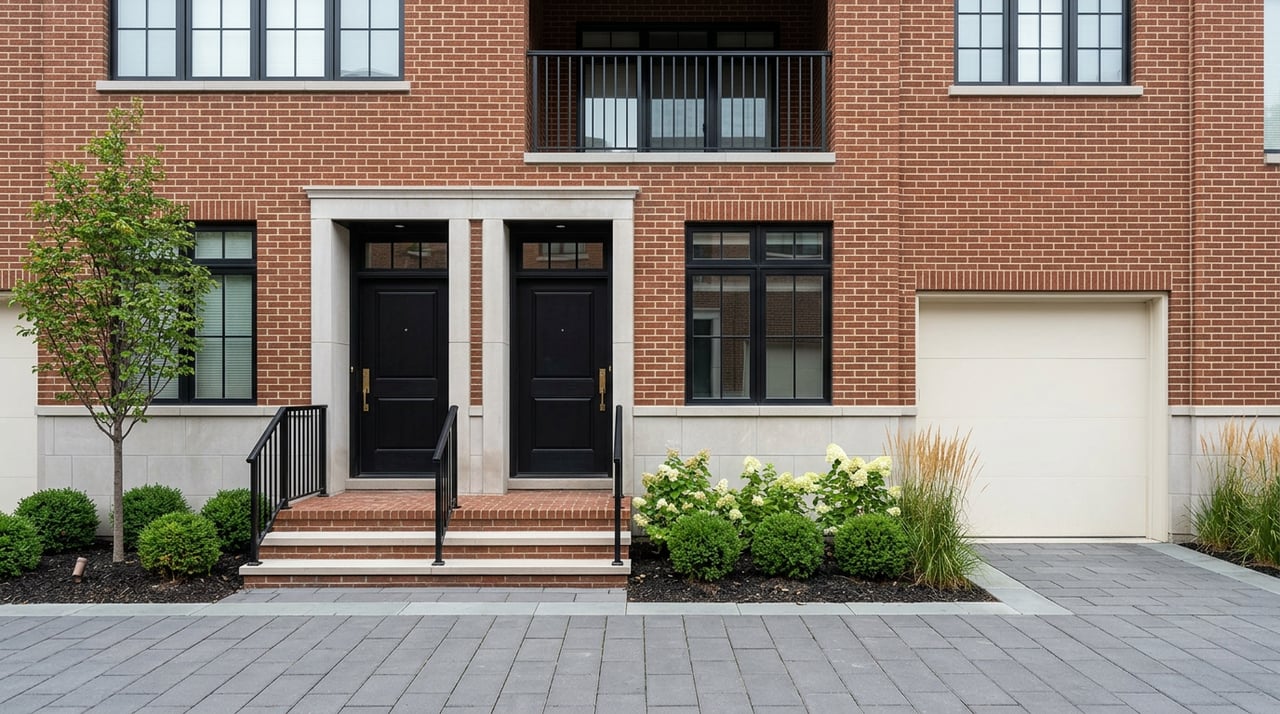
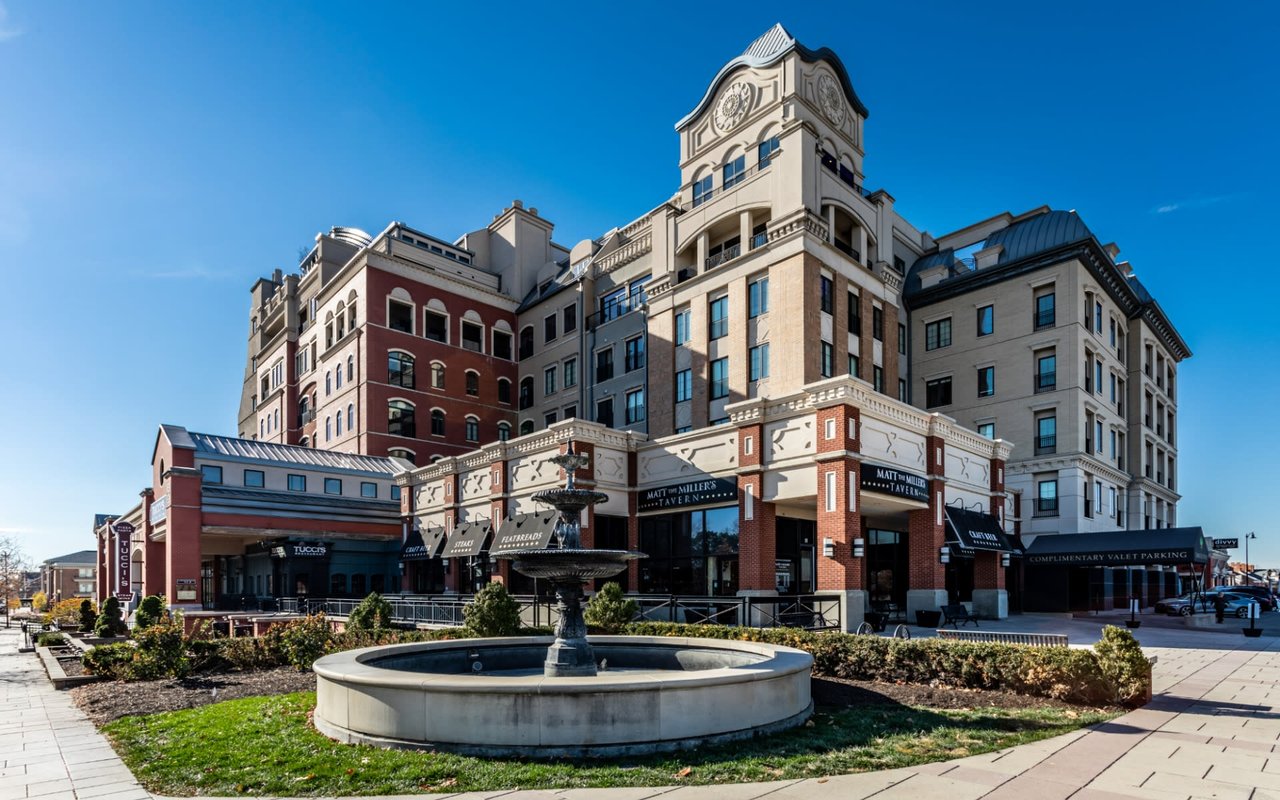
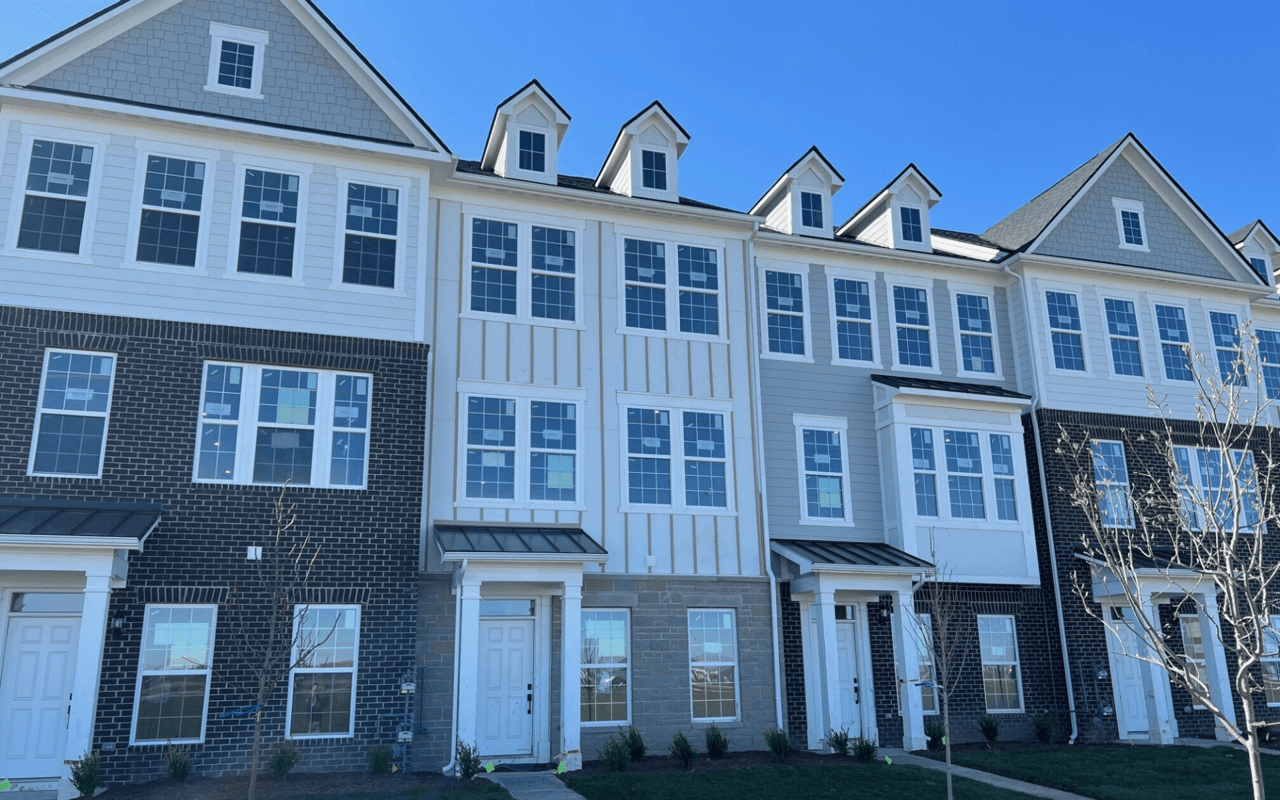
In practical terms, that means the local housing conversation is broadening. Instead of focusing only on traditional detached homes, Westfield is planning for townhomes, apartments, cottages, villas, senior living, and mixed-use residential options that can serve different stages of life.
Why that shift matters to buyers and sellers
For buyers, a more varied housing mix can create more paths into the market and more options within it. You may be looking for a newer single-family home, a lower-maintenance townhome, a custom-build opportunity, or a property closer to trails and mixed-use areas. Westfield’s current direction suggests that those choices should continue to expand.
For sellers, this shift can change your competition set. A detached home in an established neighborhood may no longer compete only with other resale homes. It may also be compared with nearby new-construction offerings, attached housing, or homes near emerging mixed-use districts and trail connections.
Price positioning puts Westfield in the middle
Westfield sits in a useful middle position within Hamilton County. Its median owner-occupied home value is $425,700, which is above the Hamilton County median of $405,500. It is below Carmel’s $486,800 and above Noblesville’s $349,700.
Median household income follows a similar pattern. Westfield stands at $122,789, between Carmel at $141,505 and Noblesville at $104,047. For many buyers, that makes Westfield a market to watch because it offers a different balance of price point, growth potential, and newer housing stock.
Grand Park is a major demand engine
If one project best explains Westfield’s momentum, it is Grand Park. The city describes the campus as 400 acres with 26 baseball and softball diamonds, 31 multipurpose fields, more than 10 miles of trails, and more than 1.5 million annual sports visitors.
That level of activity shapes far more than weekend traffic. The surrounding master plan identifies about 1,400 acres available for residential and commercial development, including hospitality, mixed-use, life science, and corporate office uses. The 2025 Grand Park District Master Plan also aims to better connect sports, recreation, business, and community uses that are currently somewhat separate.
Growth around Grand Park is not just residential
One reason Westfield’s housing story feels different from a typical suburban expansion is that growth is being tied to employment, recreation, and commercial development at the same time. Around Grand Park, the city is not simply adding subdivisions. It is building a broader district with multiple activity centers.
That can influence buyer behavior in a meaningful way. Homes near evolving work, recreation, and mixed-use zones often attract attention from people who want convenience, access, and a sense that an area is still gaining momentum.
Schools are part of the growth picture
Westfield Washington Schools is another important factor in the city’s expansion story. The district says it is the fastest-growing school district in Indiana, with K-4 enrollment up 660 students over the past five years.
The district also reports that two new elementary schools will open in the 2026–27 school year. A new middle school is planned for 2027–28, and the current Westfield Middle School is being renovated to reopen as a grades 6–8 school in fall 2027. For housing demand, this is one more sign that population growth is driving long-term community investment.
Trails and parks are influencing demand patterns
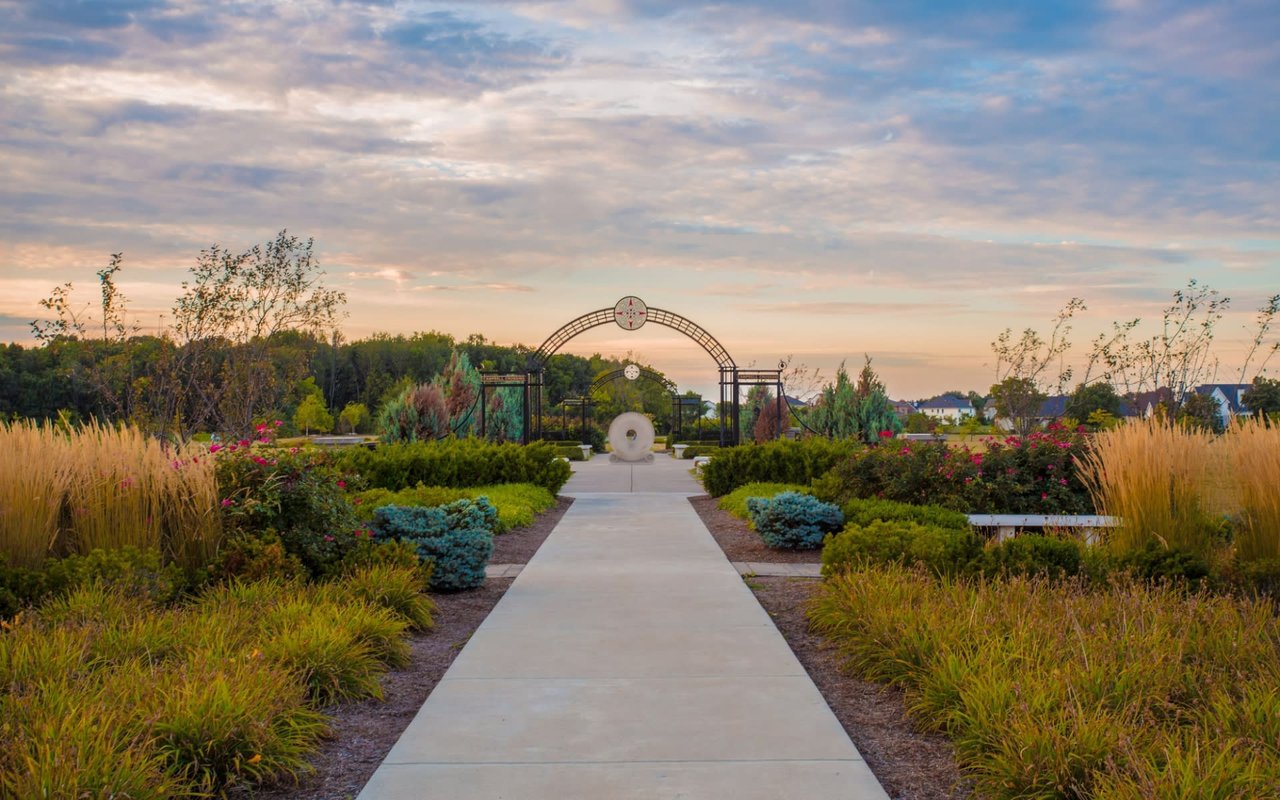
Westfield’s parks and trails network is already woven into how neighborhoods function. According to the comprehensive plan, the Parks Department manages 14 parks and properties, and the city has 85.63 miles of trails within corporate limits. The plan also says most places are within a half mile of a trail or multiuse pathway.
That matters because proximity and connectivity increasingly shape how buyers compare neighborhoods. The city notes that newer subdivisions often include internal trail systems and pathways to nearby businesses, which helps explain why trail-adjacent areas tend to get attention.
Trail-oriented development is a real planning priority
Westfield’s plan specifically calls for trail-oriented development nodes along the Monon and Midland Trace trails. This is a strong signal that future housing growth will not be spread evenly in every direction. Instead, some of the most appealing new housing opportunities may cluster near corridors that combine mobility, recreation, and daily convenience.
For buyers, that may mean certain locations feel more connected and easier to live in over time. For sellers, it means location value is increasingly tied to access, not just lot size or age of the home.
The project pipeline shows a wider range of housing
Westfield’s current project tracker reinforces the city’s push toward variety. It includes mixed-use residential and retail, townhomes, cottages and villas, apartments, senior living, industrial and flex buildings, and civic projects.
Examples listed on the tracker include Grand on Main, Springwater, Midland South Townhomes, Wheelhouse Apartments Phase II, Northpoint Commerce Park, Northpoint Patch, Midland Crossing Elementary, and the Westfield Operations Center. Taken together, these projects show a city adding different forms of housing while also building out the infrastructure and services needed to support them.
Where growth is concentrating now
Not every part of Westfield is changing at the same pace. The city’s 2026 plan says U.S. 31 roughly bisects Westfield and carries the highest traffic volumes, followed by State Road 32 and 146th Street. The same plan supports higher-density housing through pedestrian and bicycle infrastructure, better bus and trolley service, and mixed-use development patterns.
That means transportation planning is helping determine where added housing intensity makes the most sense. Growth is not only following land availability. It is also following corridors where access and infrastructure can support it.
Road and trail projects are shaping buyer attention
Westfield’s current road-and-trail construction list highlights where near-term change is most visible. Projects include SR32 reconstruction through fall 2026, the Monon Tunnel, the 181st Street and Grand Park Boulevard roundabout, the 191st Street widening and Monon pedestrian bridge, Westfield Boulevard Phase II, Mule Barn Road widening, Penn Street extension, and a Grand Park Boulevard and John Dippel Boulevard roundabout.
INDOT’s Improve to Move 32 project adds another layer. The five-mile SR32 corridor between Westfield and Noblesville is planned for roundabouts, eight-foot paths on both sides, and construction in 2028–29. INDOT also says the corridor currently sees about 110 crashes annually and aims to reduce peak travel times to less than 10 minutes.
What that likely means for housing demand
Based on the city’s pipeline and corridor plans, nearby neighborhoods and infill parcels around Grand Park, SR32, 191st Street, Westfield Boulevard, and downtown connectors are more likely to capture near-term buyer attention than fringe areas that do not yet benefit from planned infrastructure. This is an informed market inference, not a guarantee of future pricing.
Still, it is a useful way to think about Westfield’s next chapter. In a fast-growing city, demand often strengthens first where new roads, trails, mixed-use development, and daily convenience are all moving in the same direction.
Westfield still has room to expand
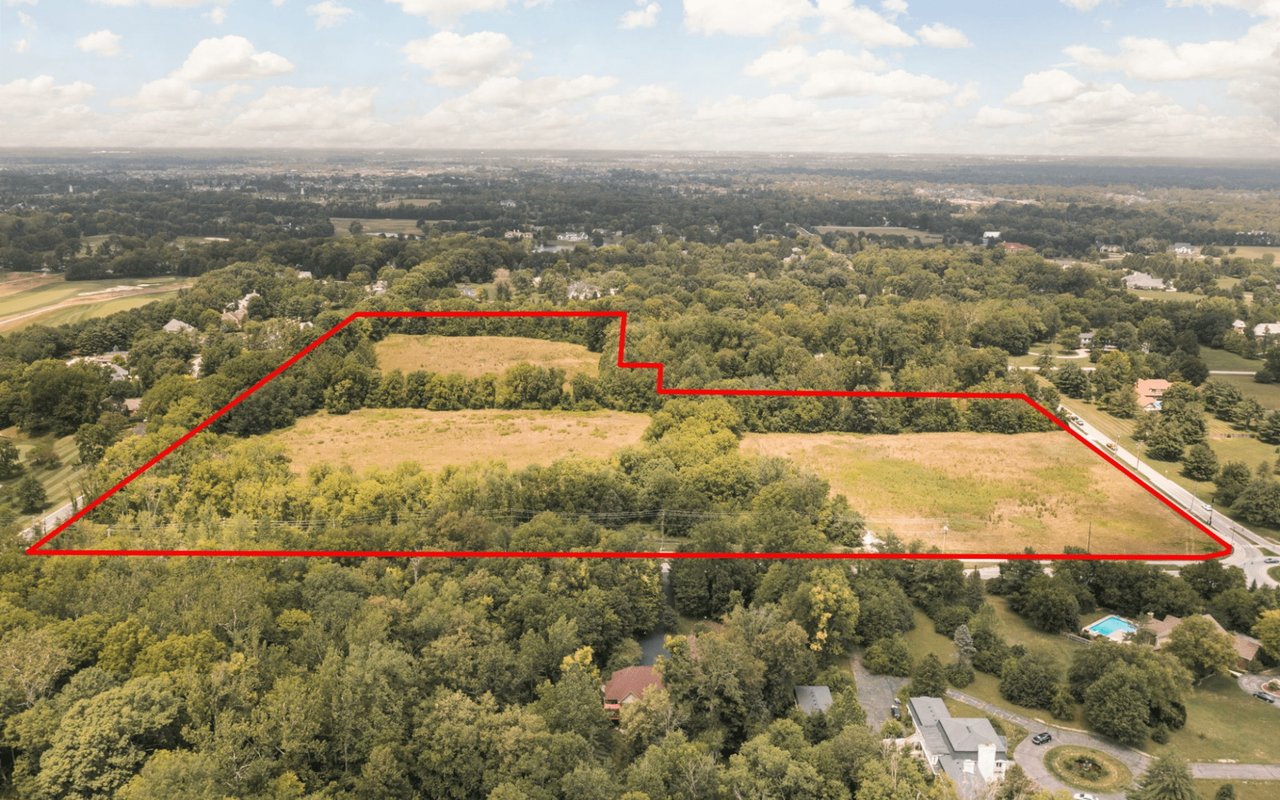
Unlike more built-out communities, Westfield still has meaningful outward growth capacity. The comprehensive plan says unincorporated areas west of Little Eagle Creek are mostly agricultural, which gives the city room to absorb continued growth even as it adds infill and mixed-use product.
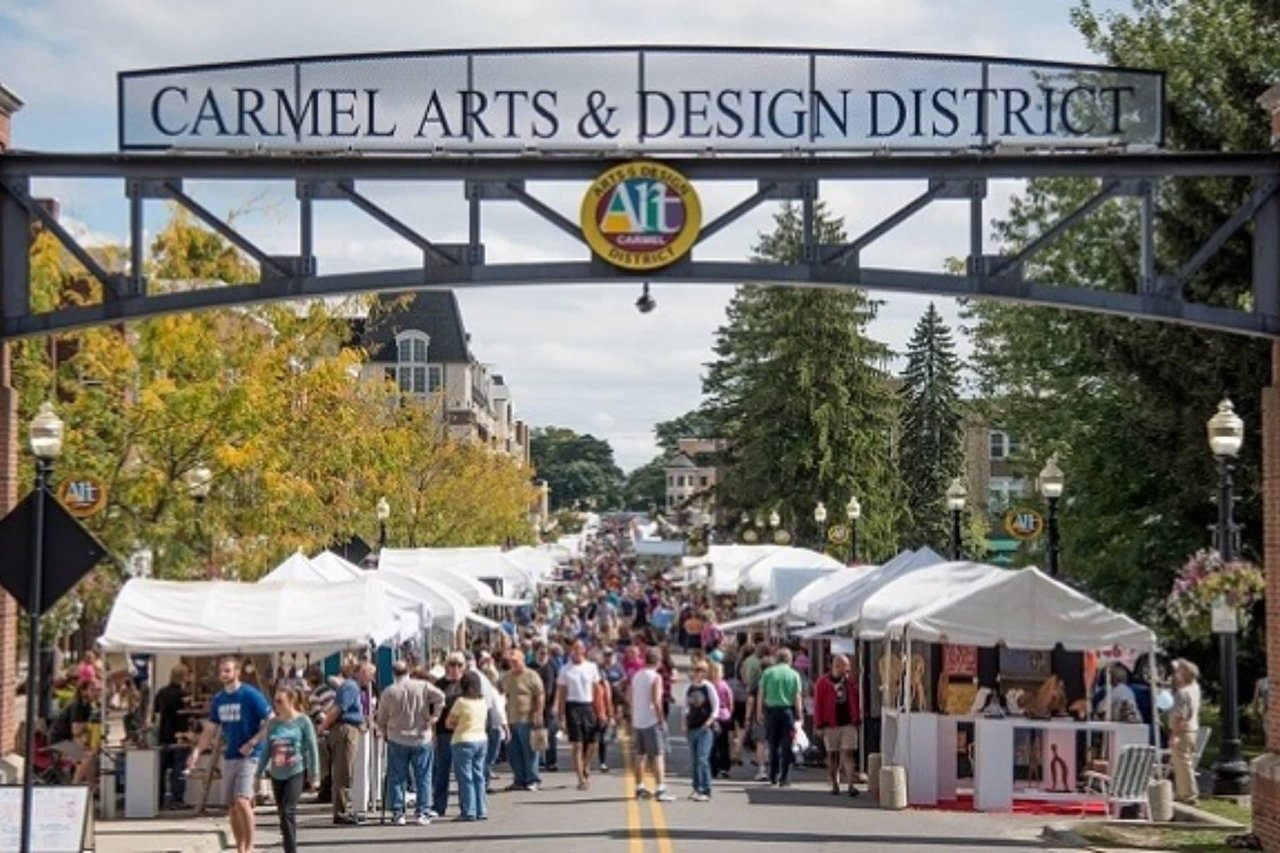
That is one of the biggest differences between Westfield and Carmel. Carmel’s growth pattern is more inward and redevelopment-focused, while Westfield still has the ability to combine expansion with targeted infill.
How Westfield compares with Carmel and Noblesville
For many northside buyers and sellers, the real question is not whether Westfield is growing. It is how that growth compares with nearby alternatives.
Carmel is the most expensive and most urbanized of the three markets in the research. Its median home value is $486,800, and its planning direction emphasizes a denser, inward growth model with a strong urban core. Noblesville has the lowest typical entry point at $349,700 and shows a heavier share of downtown and riverfront infill tied to redevelopment projects.
Westfield sits between those profiles. It is more expansion-oriented than Carmel, but more expensive and more owner-occupied than Noblesville. Right now, it stands out as the strongest new-construction and infrastructure-growth story of the three.
What this means if you are buying in Westfield
If you are considering Westfield, it helps to think beyond today’s listing photos. You also want to understand where roads, trails, schools, mixed-use districts, and commercial projects are changing how an area functions.
A smart buying strategy may include:
- Comparing established neighborhoods with newer development zones
- Watching areas near Grand Park, SR32, and major trail connections
- Evaluating whether you want detached, attached, or mixed-use-adjacent housing
- Looking at how future infrastructure could affect convenience and daily routines
- Understanding how Westfield compares with Carmel and Noblesville on price and growth profile
What this means if you are selling in Westfield
If you are selling, Westfield’s growth can be a meaningful advantage when it is positioned correctly. Buyers are often responding not just to the home itself, but also to the city’s broader momentum, new amenities, and evolving housing options.
That also means pricing and presentation matter. In a market with both resale and new-construction competition, sellers benefit from local guidance that can place a home in the right context and speak clearly to what makes its location, access, and lifestyle value stand out.
If you want help interpreting how Westfield’s growth is affecting your next move in Hamilton County, The CHG offers high-touch guidance for buyers, sellers, relocations, and new-construction opportunities.
FAQs
How fast is Westfield growing compared with Carmel and Noblesville?
- Westfield’s population grew 35.6% from 2020 to 2024, compared with 3.9% for Carmel and 7.7% for Noblesville, according to Census estimates cited in the research.
What types of housing are being added in Westfield?
- Westfield’s project pipeline includes mixed-use residential and retail, townhomes, cottages and villas, apartments, senior living, and additional civic and commercial projects.
Why is Grand Park important to Westfield housing demand?
- Grand Park brings more than 1.5 million annual sports visitors and anchors a larger surrounding development area planned for residential, commercial, hospitality, life science, and office uses.
How do trails affect Westfield home demand?
- Westfield’s plan highlights 85.63 miles of trails and says most places are within a half mile of a trail or multiuse pathway, which helps explain why trail-connected locations often draw buyer attention.
What makes Westfield different from Carmel and Noblesville?
- Westfield currently offers a middle-ground price point with a strong new-construction and infrastructure-growth story, while Carmel is more mature and higher priced, and Noblesville has a lower typical entry point with more redevelopment-oriented growth.