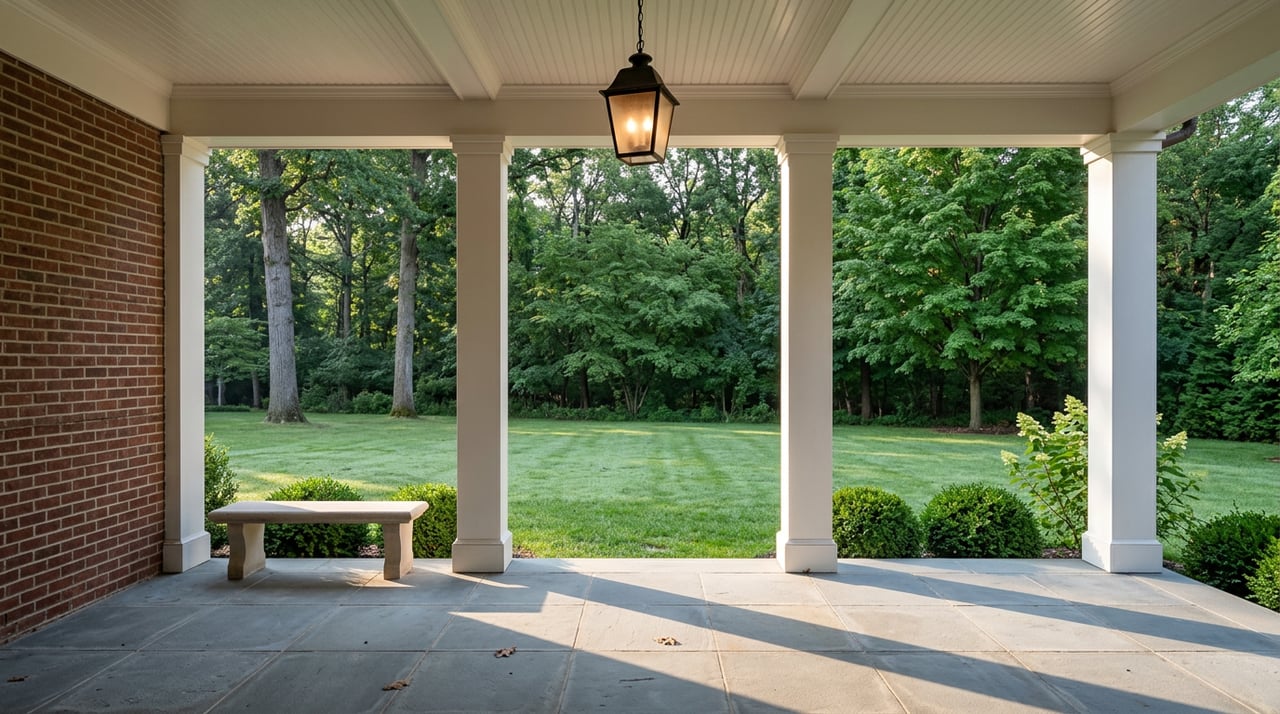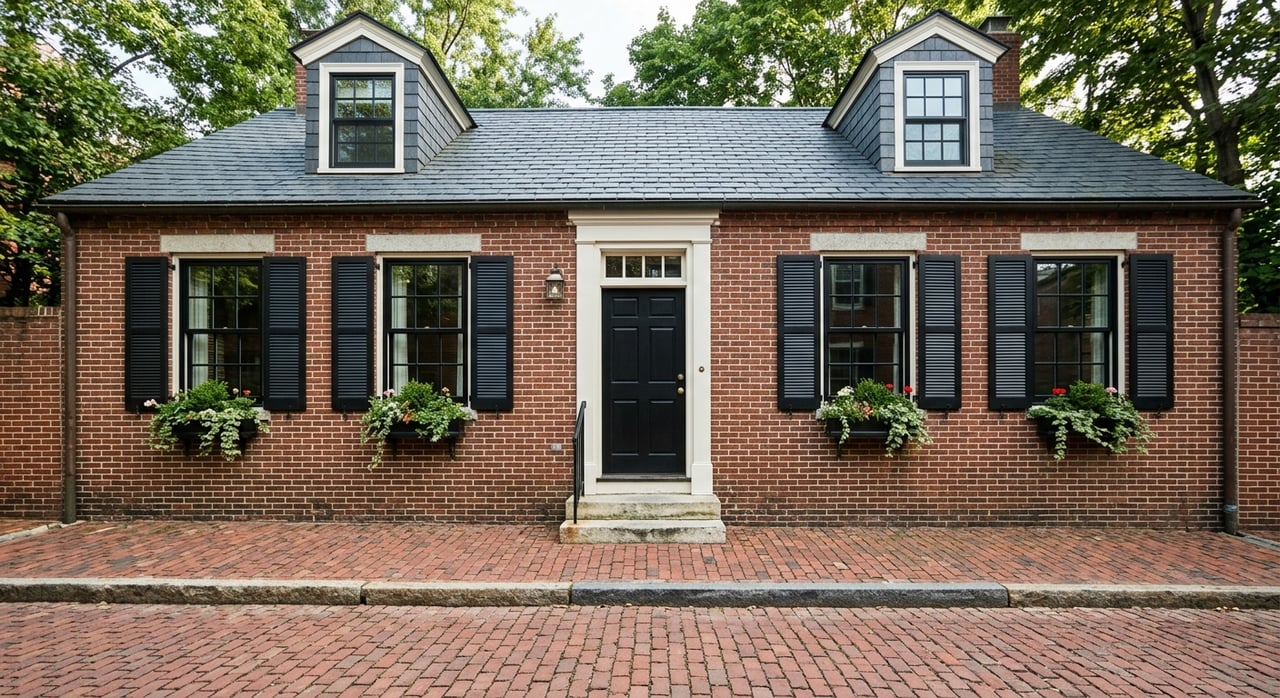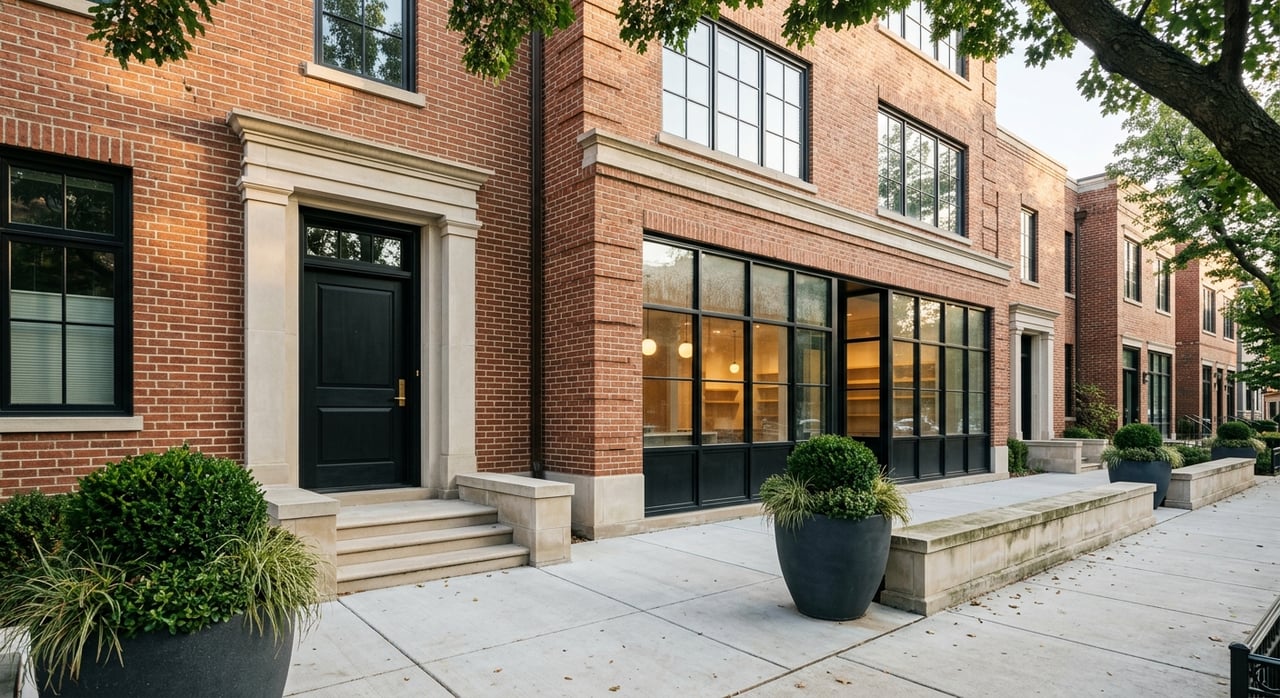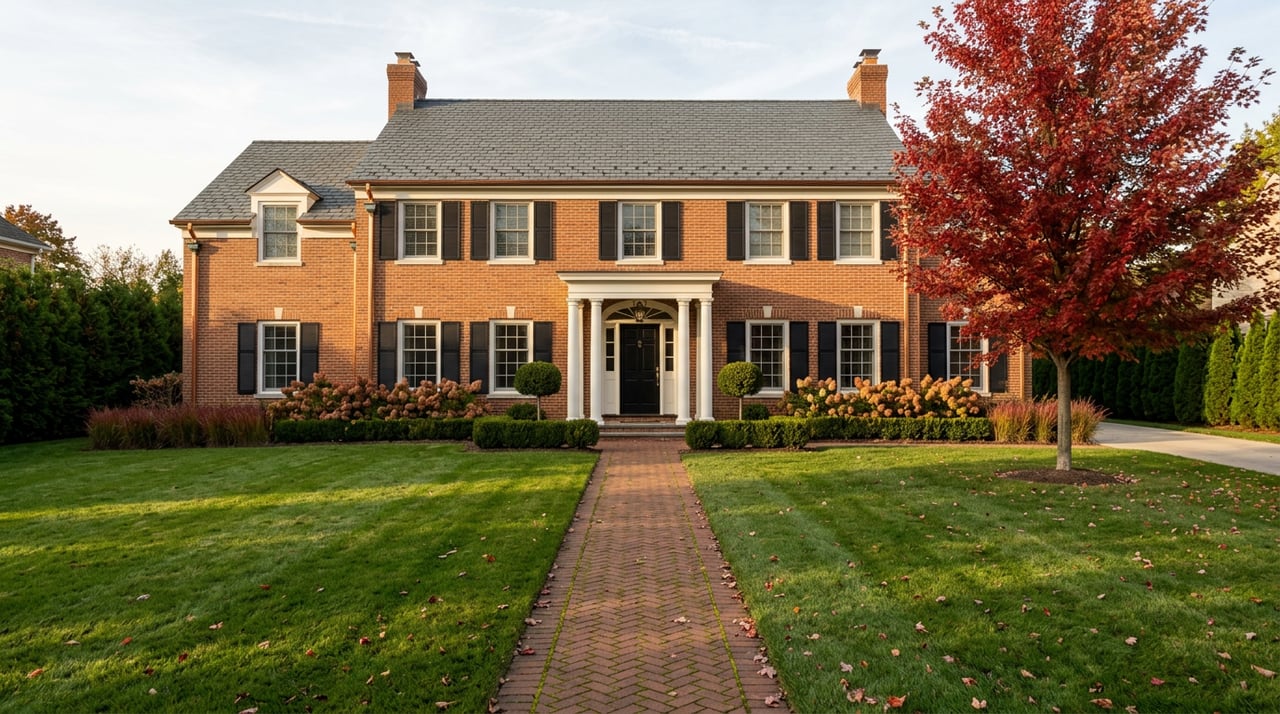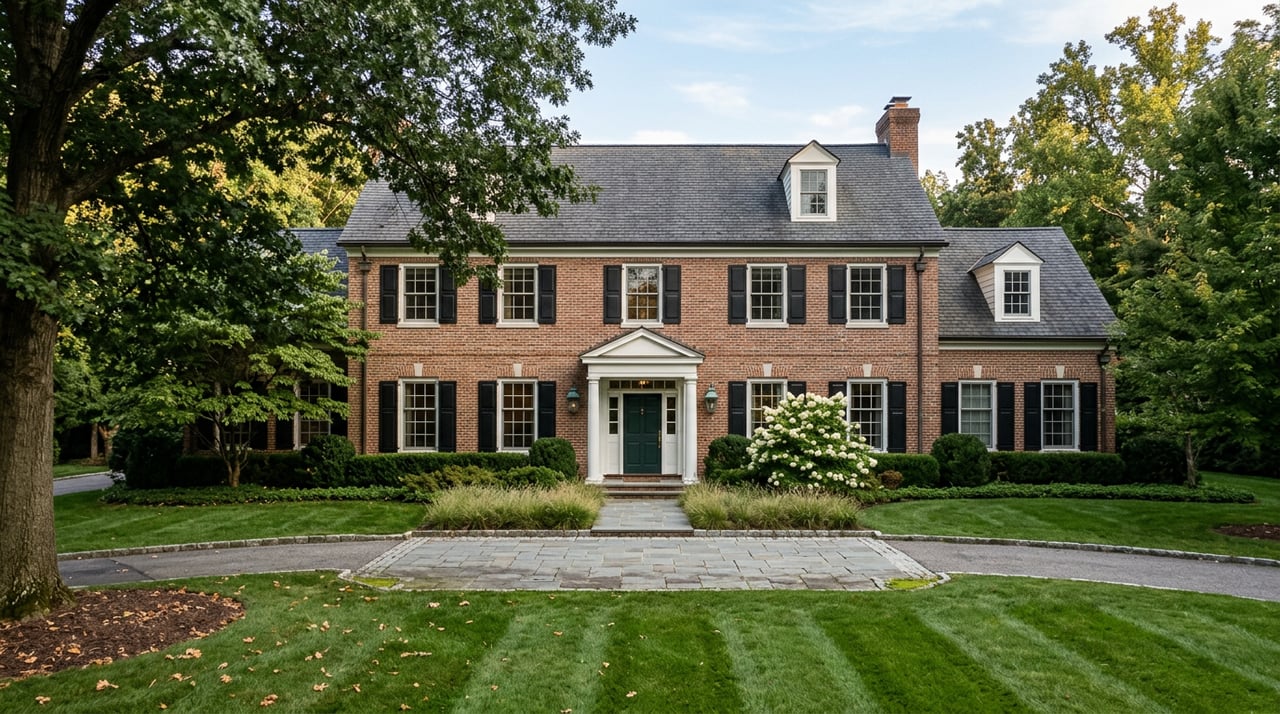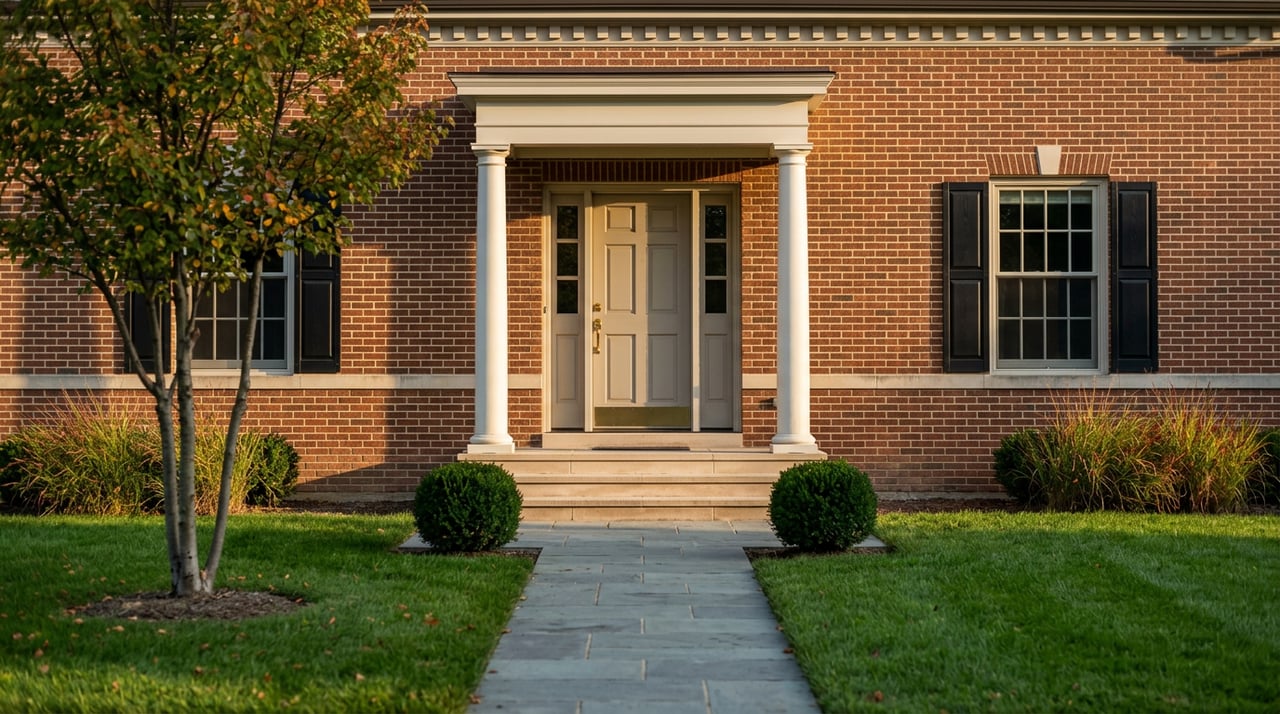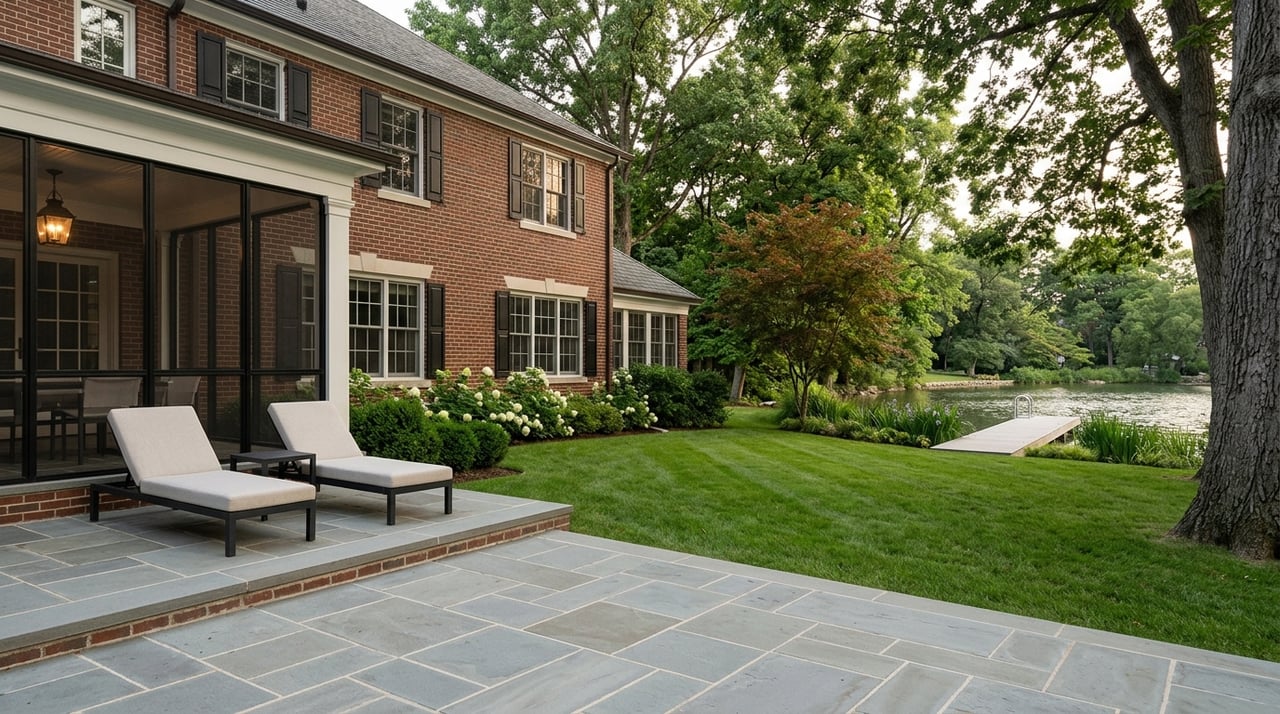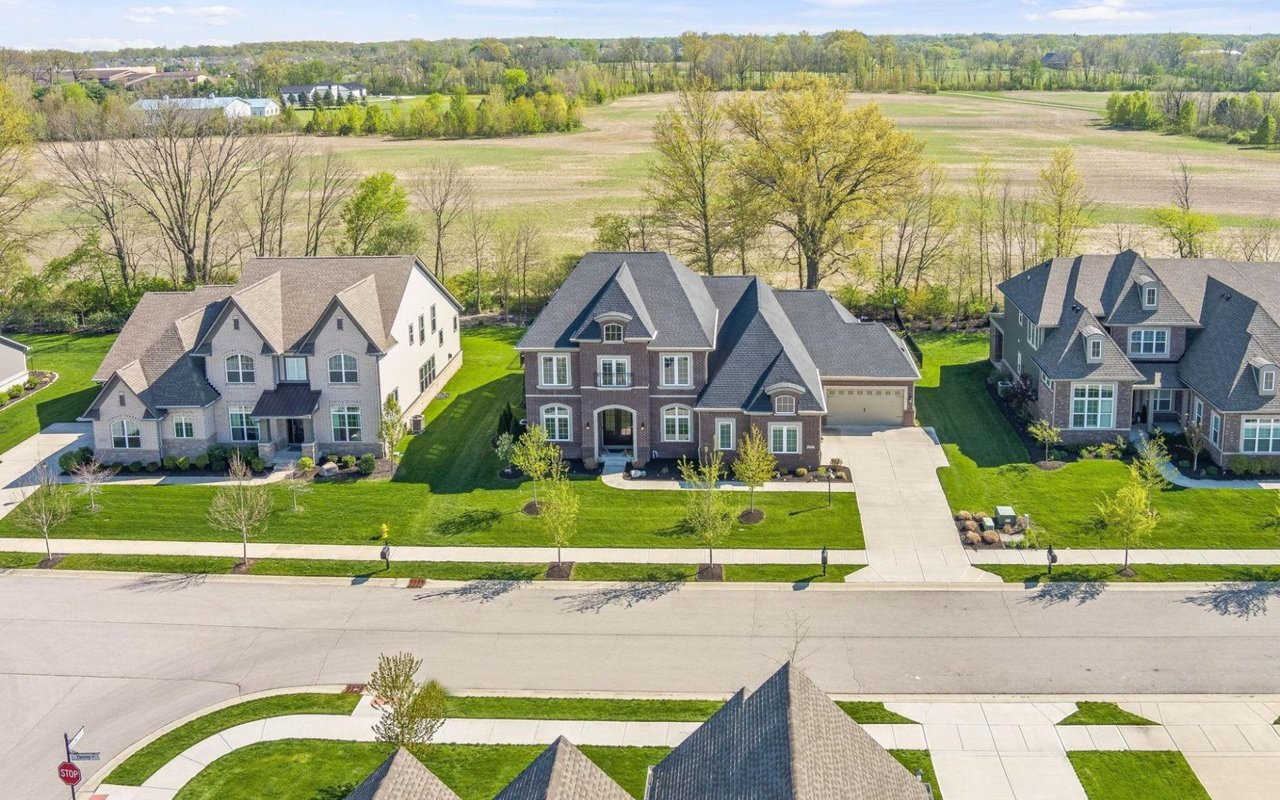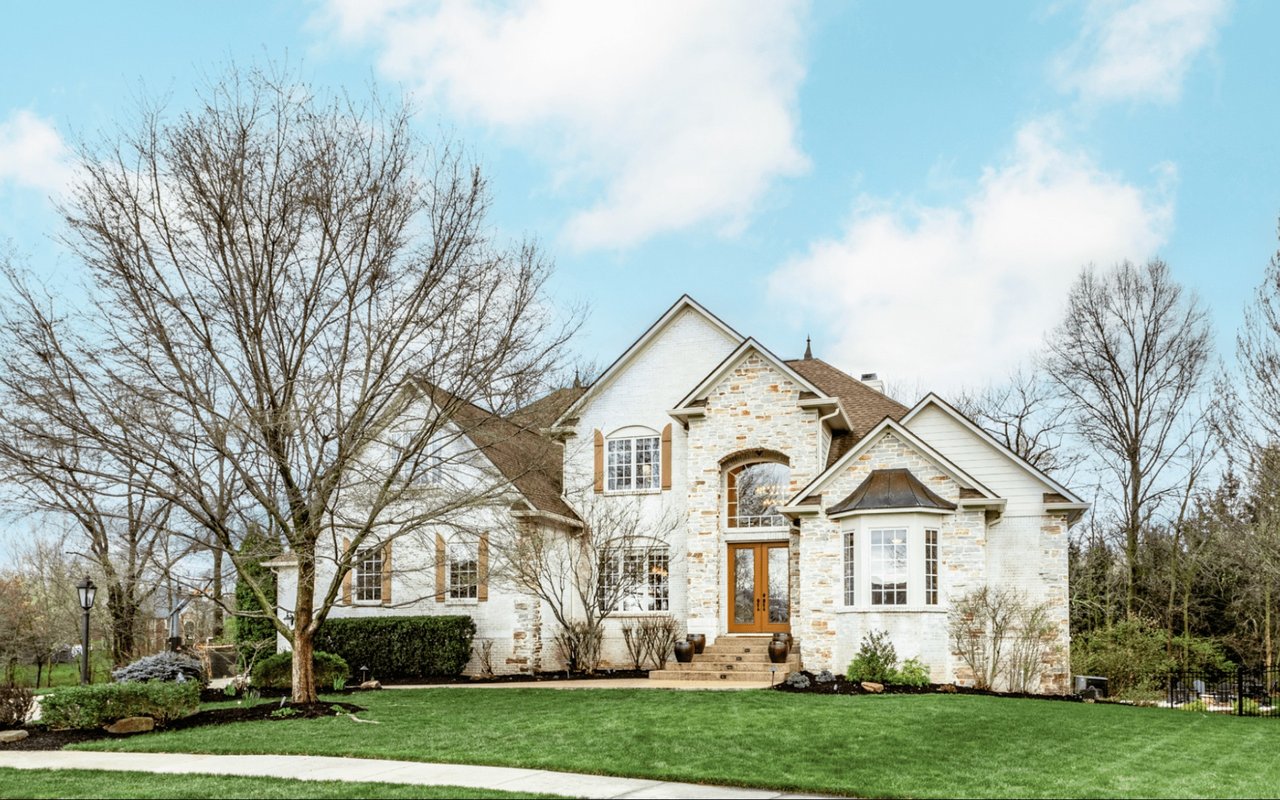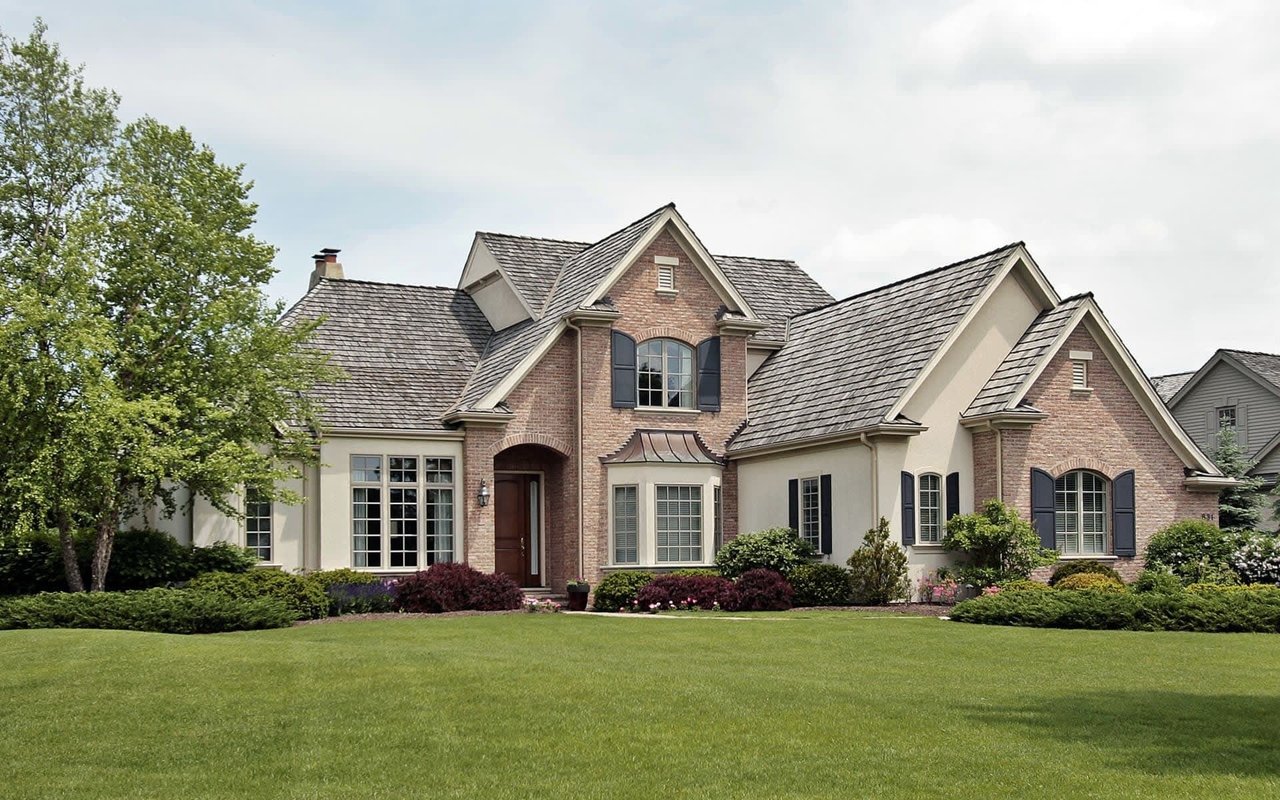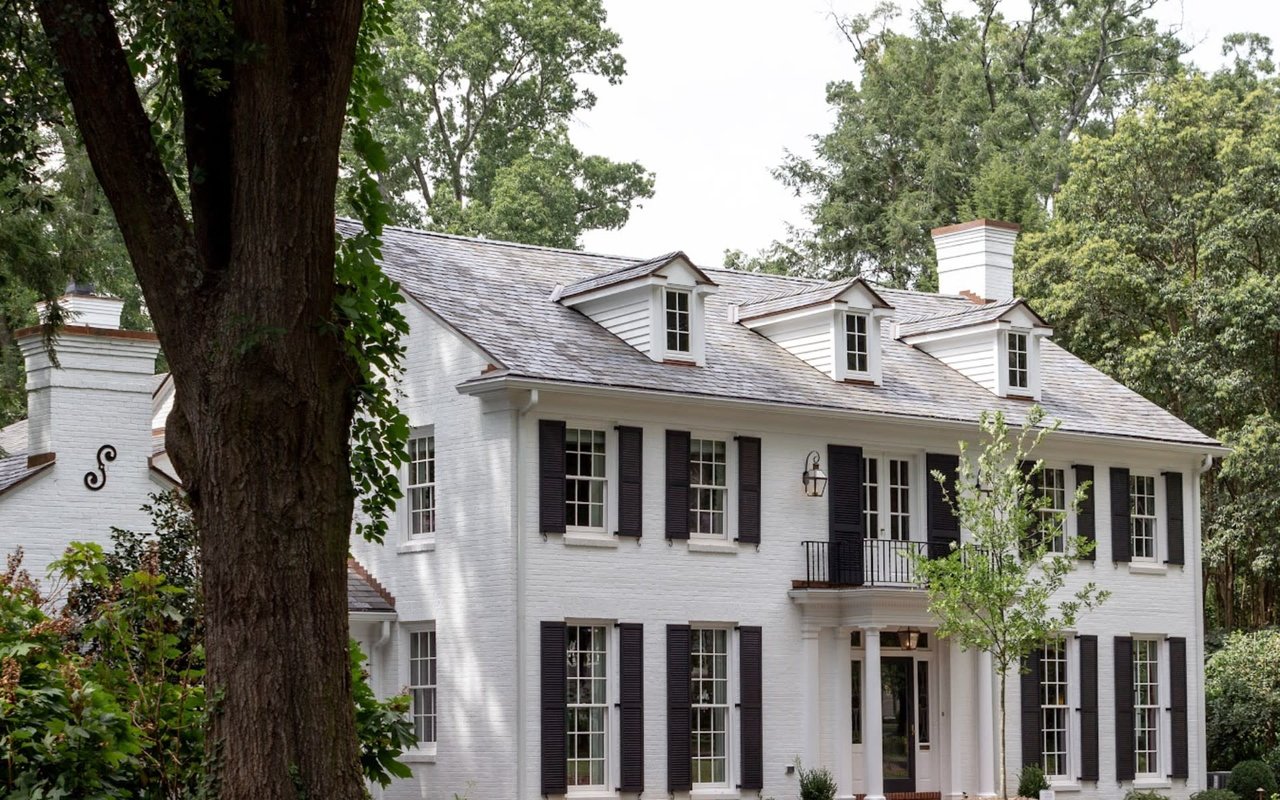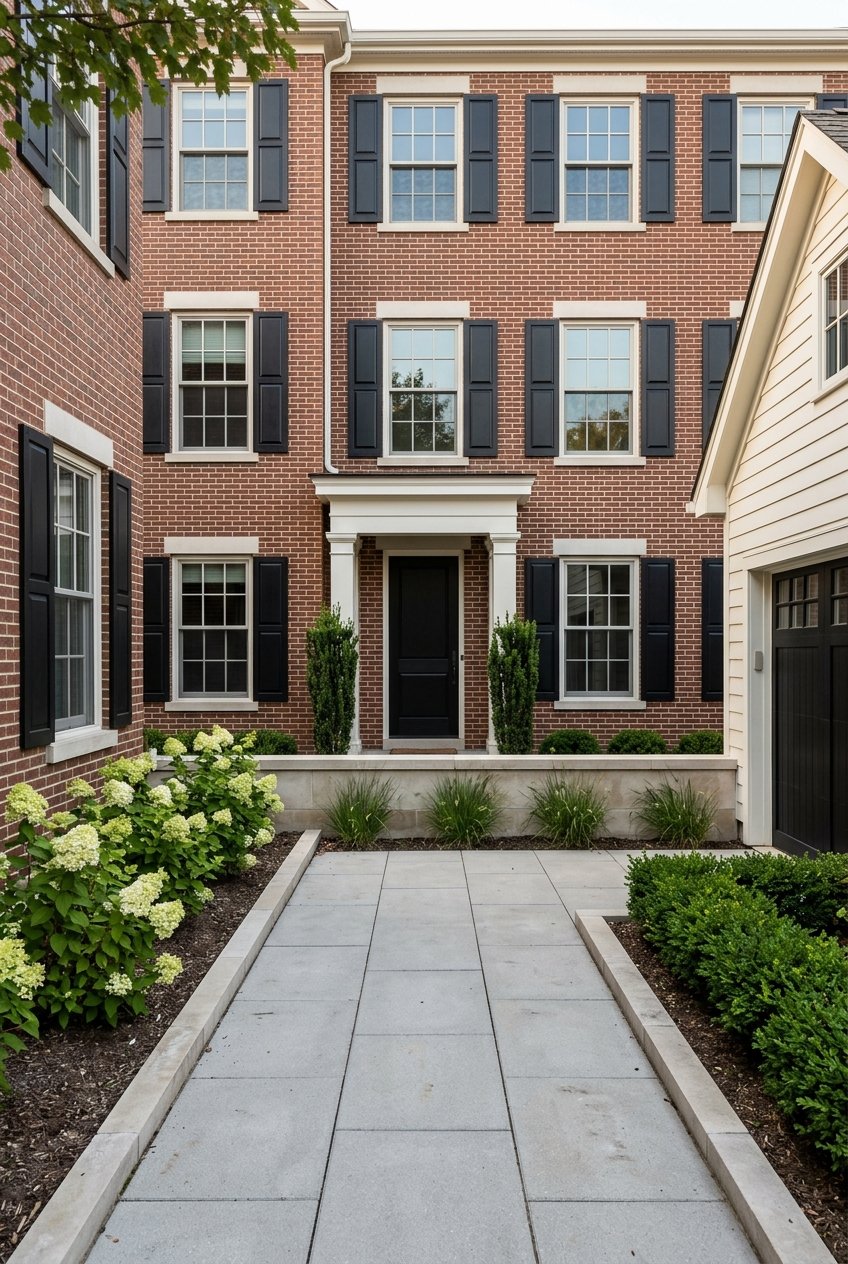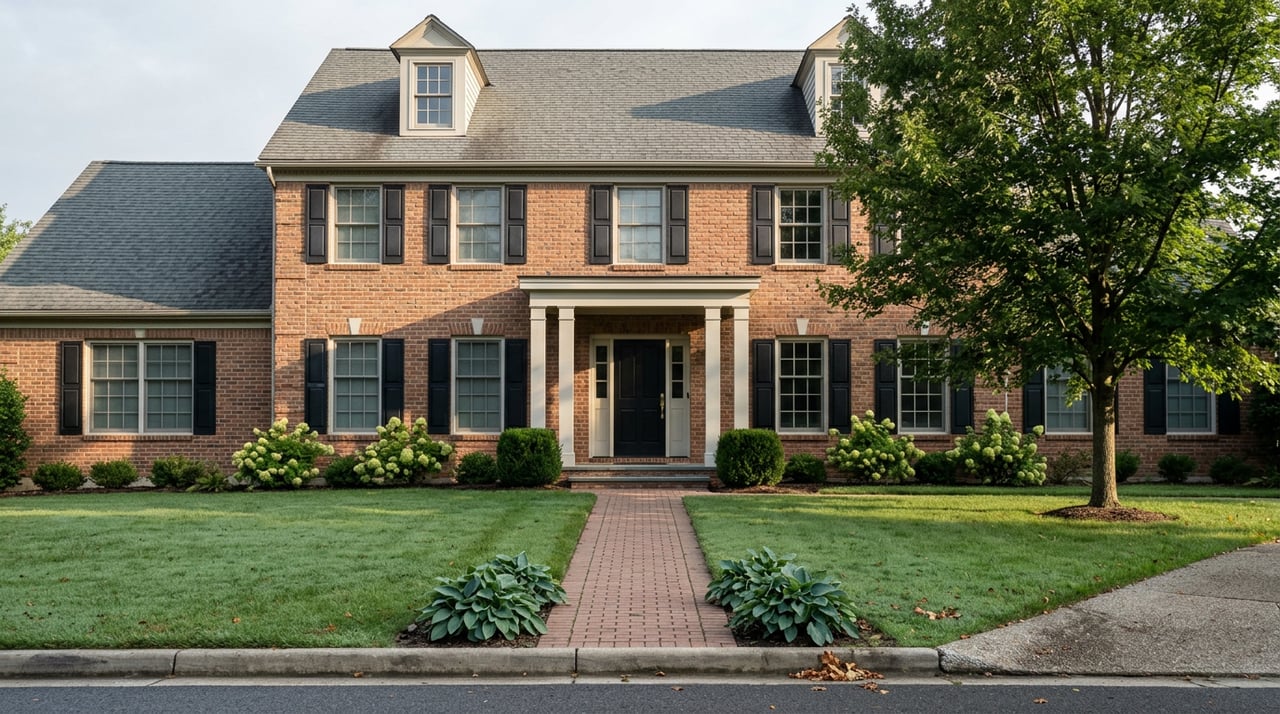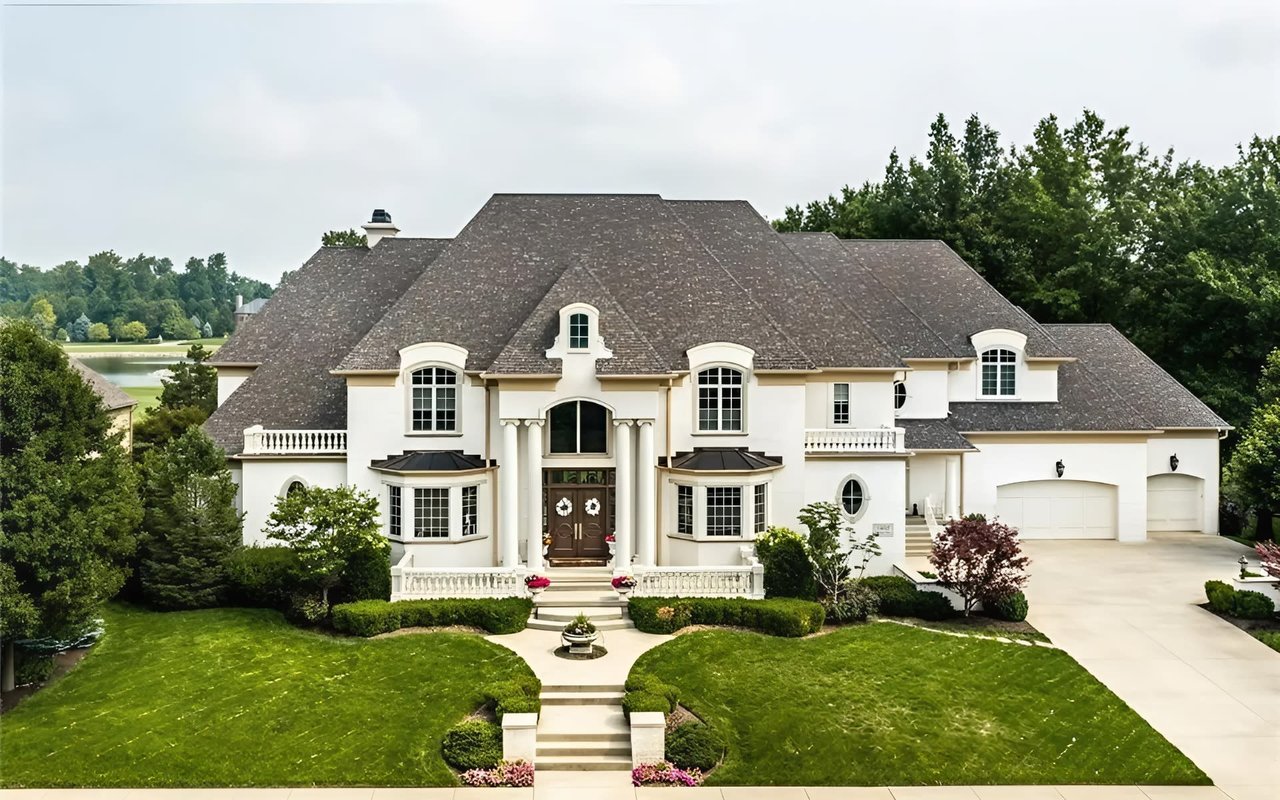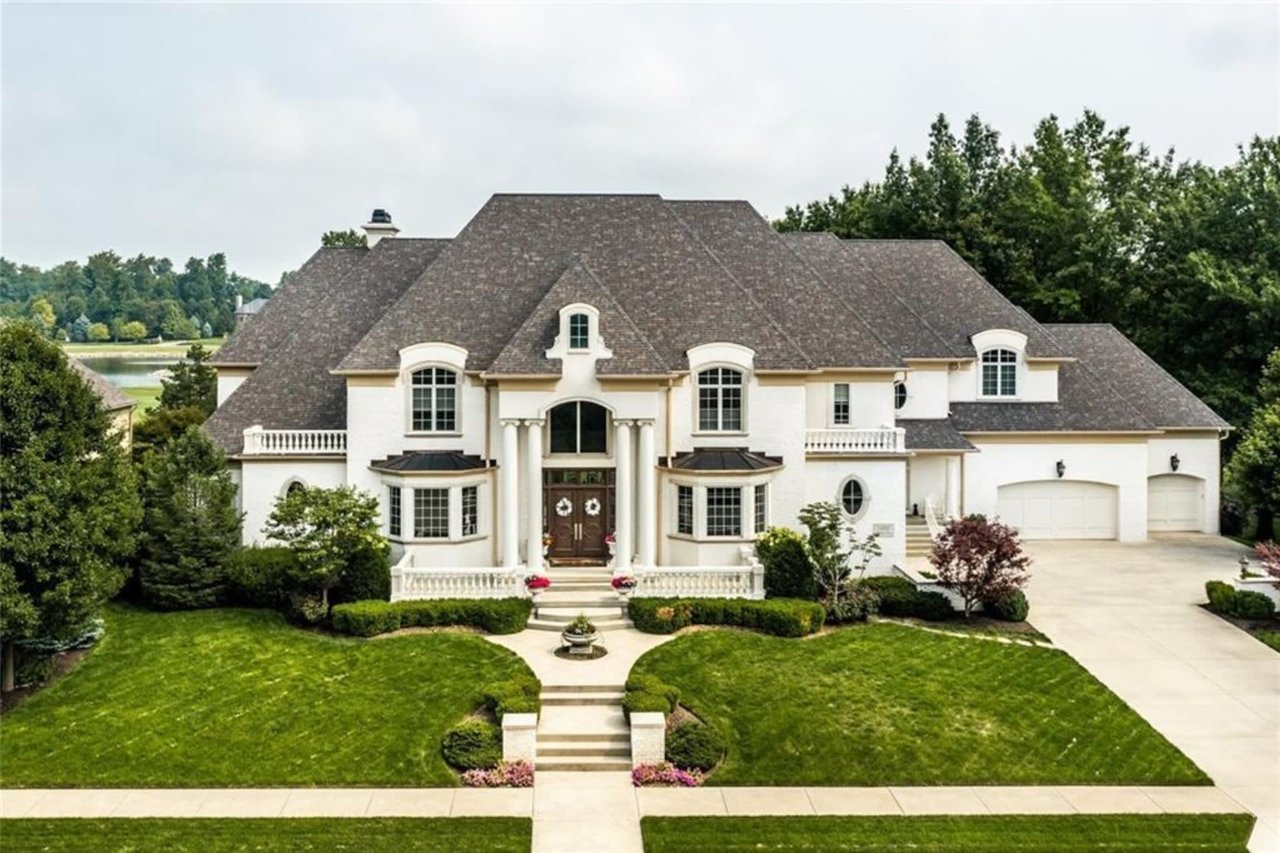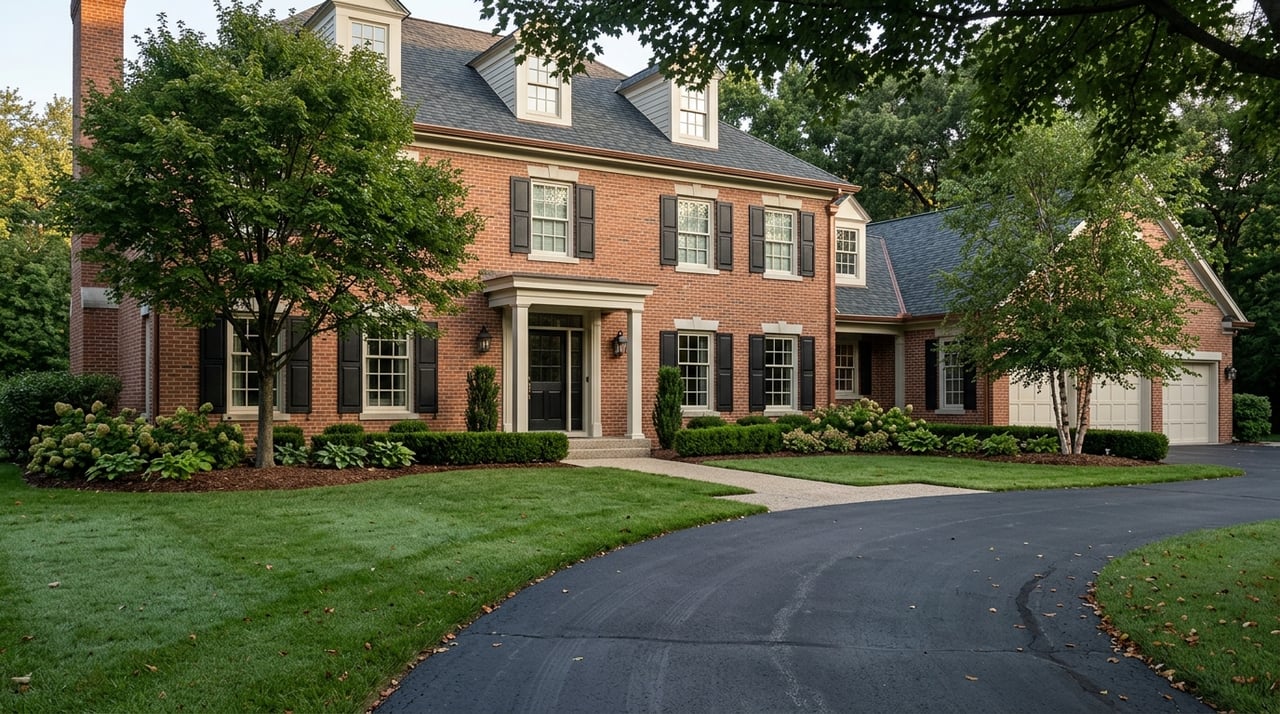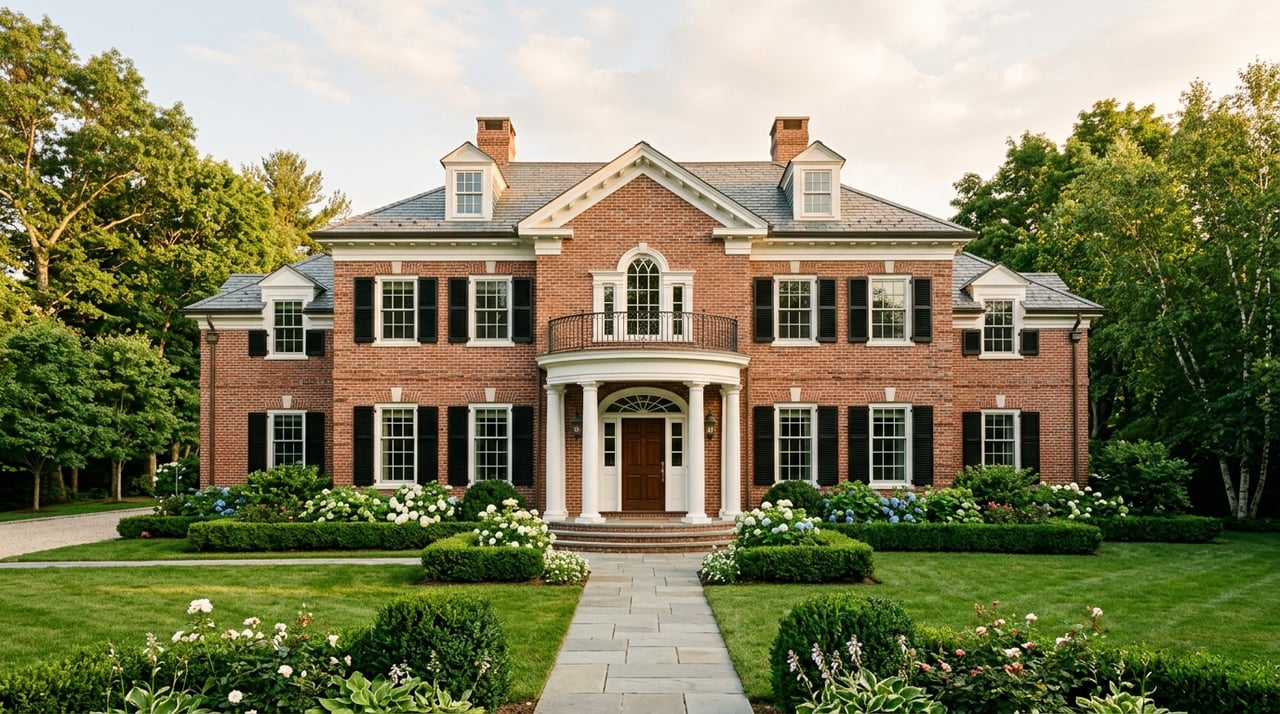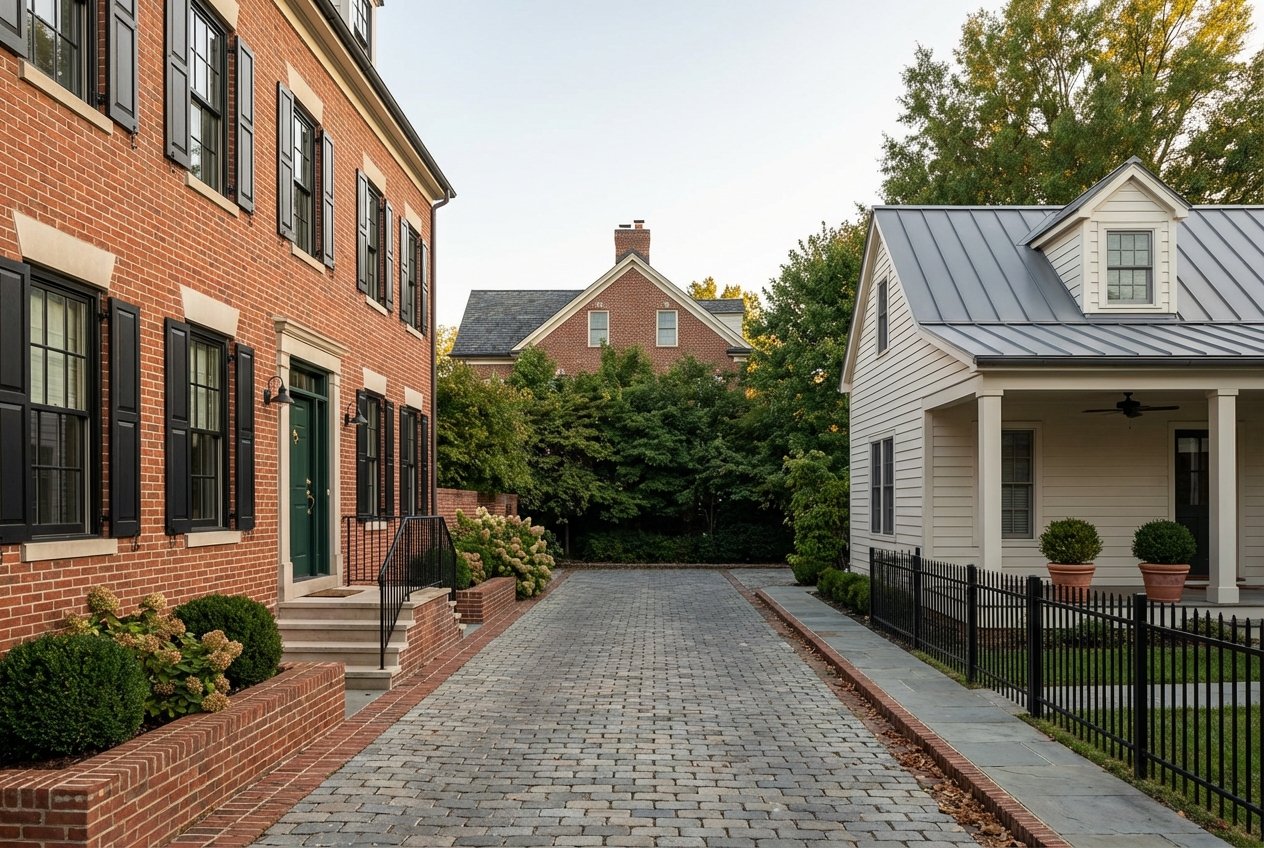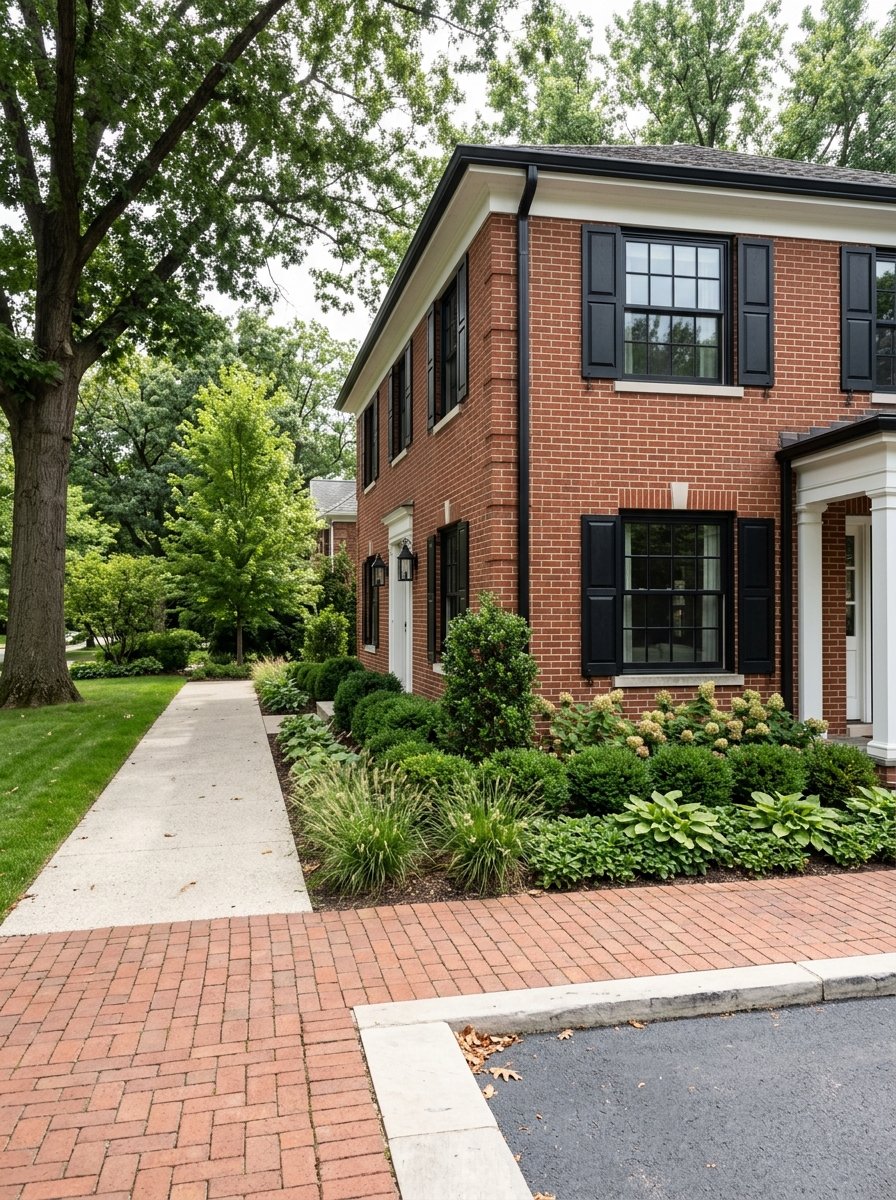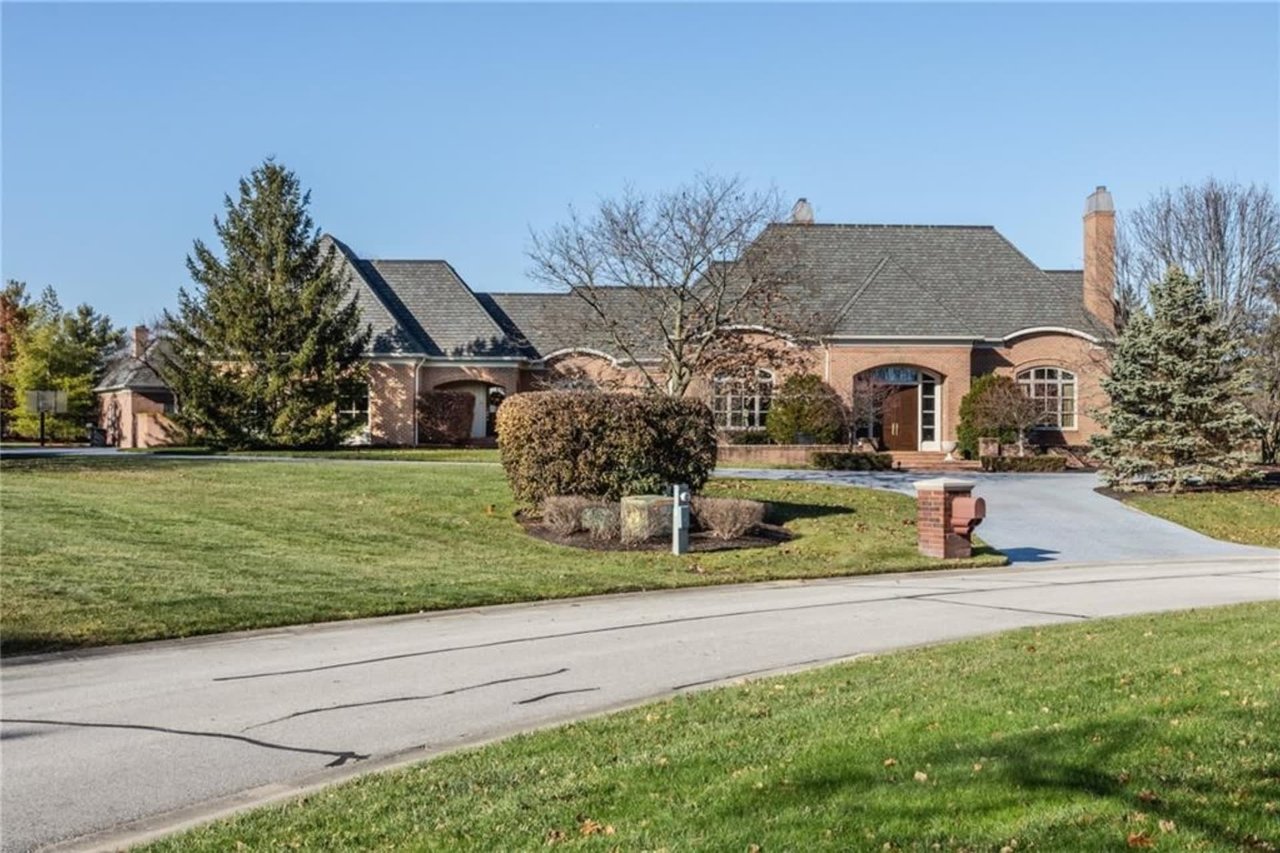
Most sellers in Carmel worry about the wrong committee. They picture an HOA architectural review board arguing over paint chips and fence height, the kind of oversight that comes with a subdivision's covenants and disappears the moment you're not in that subdivision. What they don't picture is a city commission that has already looked at their house, assigned it a rating, and attached real consequences to that rating, regardless of whether the property sits inside a gated community, a 1970s cul-de-sac with no HOA at all, or a street nobody would call historic.
That's the part of Carmel's regulatory picture that doesn't show up in a typical neighborhood guide. The city's historic preservation framework doesn't run on neighborhood boundaries or covenant documents. It runs on age. If a structure in Carmel or Clay Township is at least 40 years old, it has almost certainly already been surveyed and classified, and that classification can shape what happens when you try to sell, renovate, or tear down.
A Survey You've Never Seen Already Has an Opinion About Your House
In 2014, the Carmel Historic Preservation Commission commissioned an update to a 1992 county-level report and produced the Carmel and Clay Township Historic Architecture Survey. The Carmel City Council adopted the findings on November 3, 2014, under Resolution CC-11-03-14-04. The Commission itself was created a few years earlier by Ordinance D-2064-11, and it operates with seven voting members appointed by the mayor, residents with backgrounds in architecture, history, or preservation planning. The current president, Emily Ehrgott, sits alongside six other appointed members whose terms run through 2026 to 2028.
The survey doesn't single out a downtown historic district and leave everything else alone. It works through a classification system that applies to any qualifying structure, wherever it sits:
Classification | What it means |
|---|---|
Outstanding (O) | Sufficient historic or architectural significance to be listed, or eligible for individual listing, in the National Register of Historic Places |
Notable (N) | Above average in importance, doesn't meet the Outstanding threshold, may still be National Register eligible |
Contributing (C) | At least 40 years old, doesn't meet Outstanding or Notable criteria, but adds to the historic density of the area |
Non-Contributing (NC) | Not included in the inventory unless the property sits inside a designated historic district |
Here's the detail that catches people off guard: nothing about that table requires your house to be inside a mapped historic district. Age is the entry point. A ranch built in the mid-1980s, sitting in an ordinary subdivision with no architectural review board of its own, can carry a Contributing rating simply because it cleared the 40-year mark and the survey found it added to the area's character. The HOA never gets a vote in that determination. The city already made it.
The Part That Surprises Sellers: A Demolition Permit Isn't Instant
The classification matters most at the moment someone wants to tear a structure down. In 2017, Carmel adopted Ordinance D-2338-16, a demolition delay ordinance that applies to any building identified as Outstanding, Notable, or Contributing in the 2014 survey. Under that ordinance, an owner has to wait 60 days between filing for a demolition permit and receiving the improvement location permit that authorizes the work. The Department of Community Services director can extend that window to 90 days.
The purpose isn't to block demolition outright. It's to give the Historic Preservation Commission time to market the structure for relocation, and you may have already seen the result of that process without knowing what it meant: signs reading "Building Available for Relocation" posted in front of houses around the city. Those signs mean a demolition permit application has been filed and the clock has started.
For a buyer planning to purchase an older Carmel property with the intent to clear the lot and build new, that 60 to 90 day window isn't a footnote. It's a scheduling problem that needs to be built into the purchase agreement and the construction timeline from day one, not discovered after closing when the permit office explains why the demolition can't start next week. For a seller marketing a teardown-value lot, disclosing the classification up front, and setting buyer expectations about the delay, avoids a renegotiation fight three weeks into a contract.
The Incentive Almost Nobody Mentions in a Listing
Classification cuts the other way too, and this is the side most listings leave on the table. Since 2016, the Carmel Historic Preservation Commission has run a Historic Façade Incentive Grant program for owners of properties identified in the 2014 survey. The grants are meant to fund projects that restore or improve a historic property's character as seen from the public right-of-way, meaning the exterior features a buyer or a passerby actually notices.
This year's application window closed May 1, and the Commission runs the cycle annually, so owners of classified homes should watch for the next round to open the following spring. For a seller planning exterior work ahead of a listing, whether that's window restoration, porch repair, or masonry cleanup, a façade grant can offset part of the cost and the finished project becomes a genuine story in the listing itself: restored, verified, city-recognized character, not just "original details." Owners exploring a larger restoration can also loop in Indiana Landmarks or the Carmel Clay Historical Society, both of which are named in the city's own ordinance as resources the Commission consults.
What This Means Before You List or Make an Offer
If you own, or are considering buying, a Carmel home built before roughly 1986, the classification question belongs on the pre-listing checklist right next to the inspection and the survey. A few things worth doing before contracts get signed:
- Confirm whether your property appears in the 2014 survey and at what tier. The Commission's office can be reached directly at 317-639-4534, and meetings are held in the Caucus Room on the second floor of Carmel City Hall.
- If you're selling a property with renovation or teardown potential, disclose the classification and the demolition delay timeline rather than letting a buyer discover it mid-contract.
- If you're buying with construction plans, add the 60 to 90 day window into your due diligence period and your builder's start date, not as an afterthought.
- If your home qualifies and you're planning exterior restoration anyway, check the façade grant cycle before you spend the money, since timing the work to the application window can turn a routine repair into a partially funded, listing-ready feature.
None of this replaces a conversation with the Commission or a review of your specific parcel. The survey findings and the demolition delay ordinance are public record, and confirming your classification takes one phone call.
Frequently Asked Questions
Does my home have to sit inside a mapped historic district to be affected? No. The demolition delay ordinance applies to any structure rated Outstanding, Notable, or Contributing in the 2014 survey, whether or not it falls within a formally designated historic district boundary.
What if I have no idea what my home's classification is? Contact the Carmel Historic Preservation Commission directly. The completed 2014 survey and the classification criteria are public record, and Commission staff can confirm a specific parcel's status.
Can a classified home still be renovated normally? Routine maintenance generally doesn't require special review. The demolition delay ordinance is specifically tied to demolition permit applications, not everyday repair or remodeling work, though larger exterior projects that touch the public-facing facade are exactly the kind of work the façade grant program is built to support.
Does classification hurt resale value? Classification isn't a value judgment on your home's condition or marketability. It's a record of age and architectural context. Handled proactively, through disclosure, timeline planning, and grant awareness, it's a detail that supports a smoother transaction rather than a surprise that derails one.
If you're weighing a sale, a purchase, or a renovation on an older Carmel property and want a clear read on how classification and timing affect your specific address, The Carrie Holle Group can help you sort out what applies to your home before it becomes a closing-day surprise. Schedule a Personal Market Consultation and bring your address.