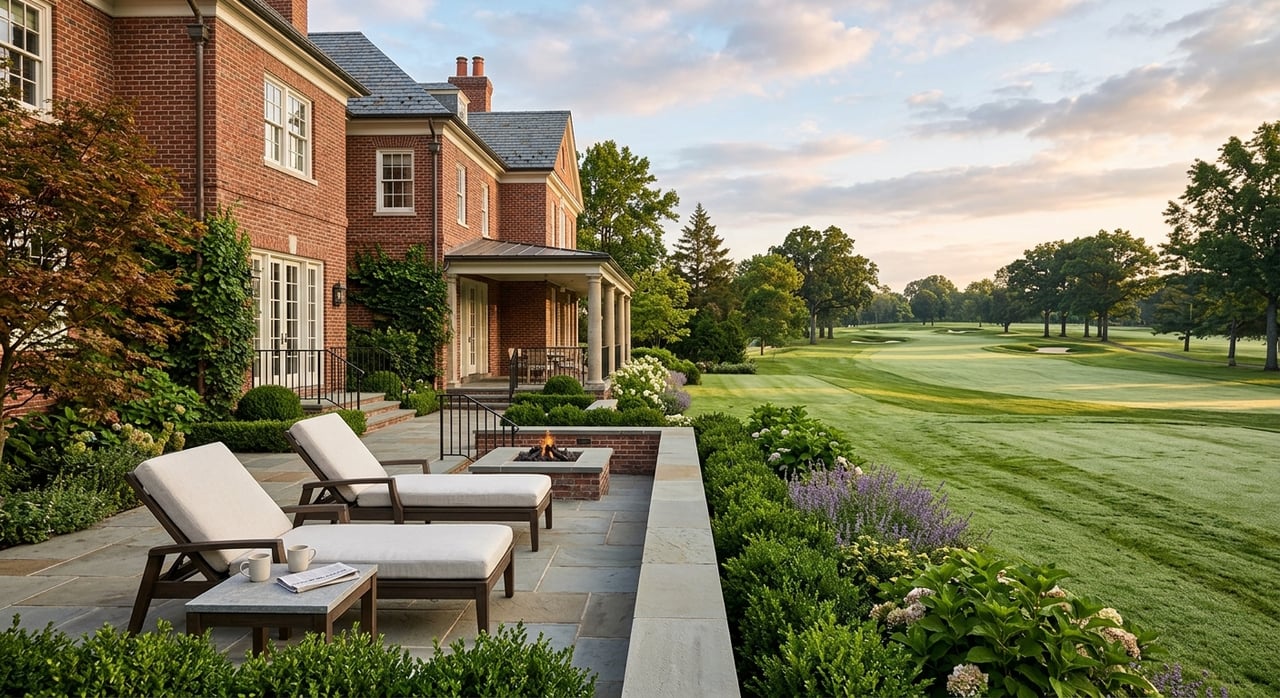
Pat Perry has been a member of The Bridgewater Club longer than anyone else on the roster. On the morning of May 16, 2026, she got the honor of hitting the first tee shot of the club's reopening weekend, a shotgun start that sent members out to test greens that had been rebuilt from the ground up. It's the kind of detail every write-up of the renovation led with: the longest-tenured member, the ceremonial first swing, the Pete Dye course finally back in play after a restoration overseen by Tim Liddy, the architect who worked alongside Dye for nearly three decades and helped design the original layout when it opened in 2005.
The renovation story extends beyond the golf course.
The Golf Course Got the Headlines. The Rest of the Club Got the Bigger List.
Every article about the reopening, IndyStar's included, ran through the golf-side work in roughly the same order: reconstructed greens and green complexes, revitalized bunkers, seven new forward tees, cart path repaving, a larger practice green, new bentgrass and turf varieties chosen specifically for central Indiana's weather swings. Liddy himself, writing about the project afterward, described the goal as making the course "feel refreshed, not redesigned," preserving the routing, the strategic angles, and the green relationships that define Dye's style rather than reinventing them. The 240-acre course got a genuine restoration, not a facelift, and the club never disclosed what it cost. IndyStar asked. Nobody answered.
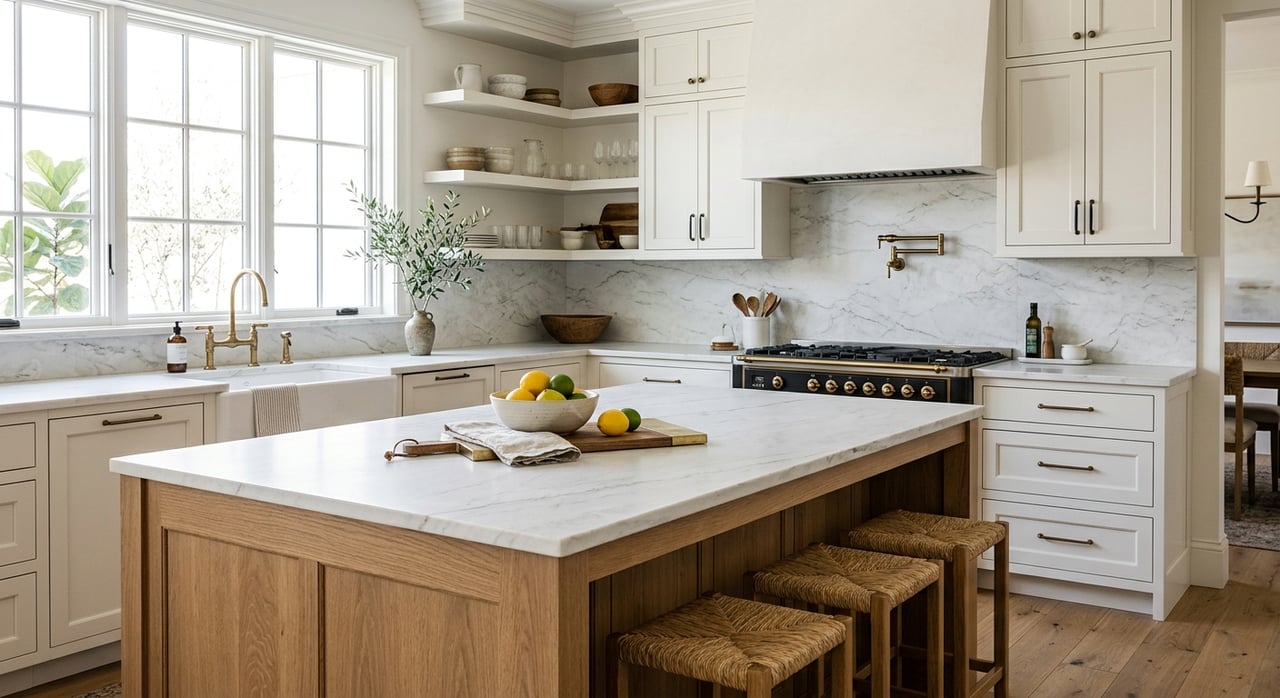
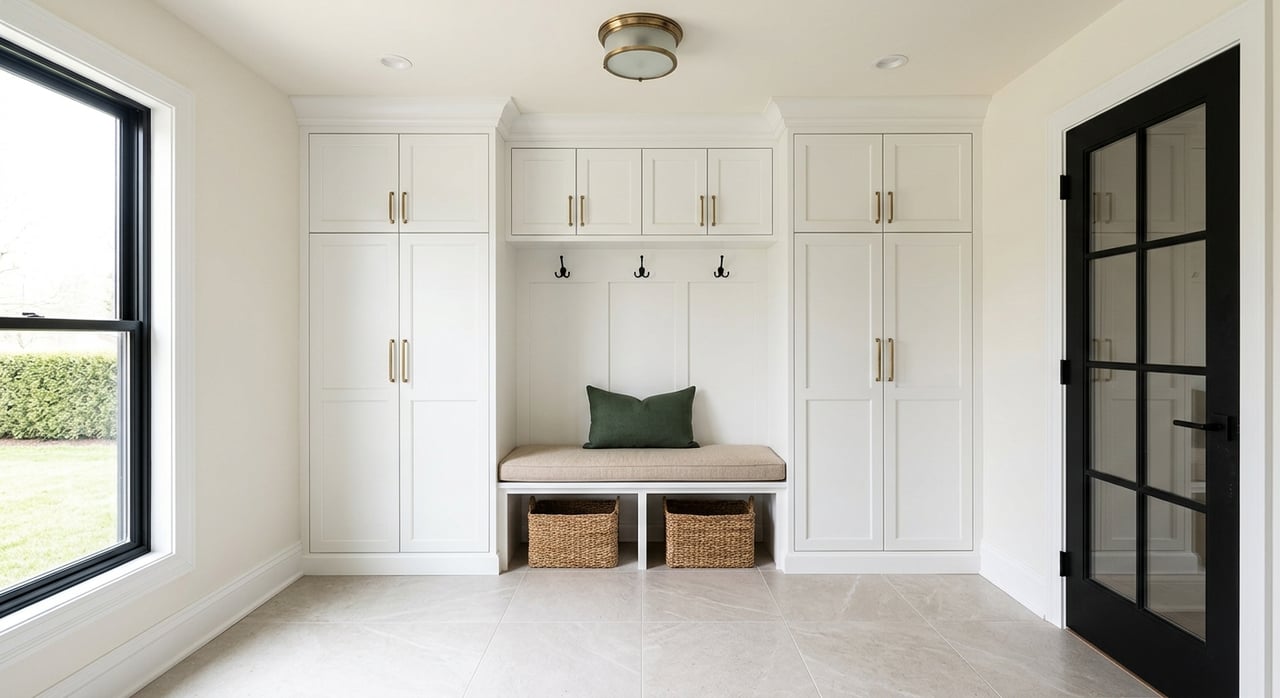
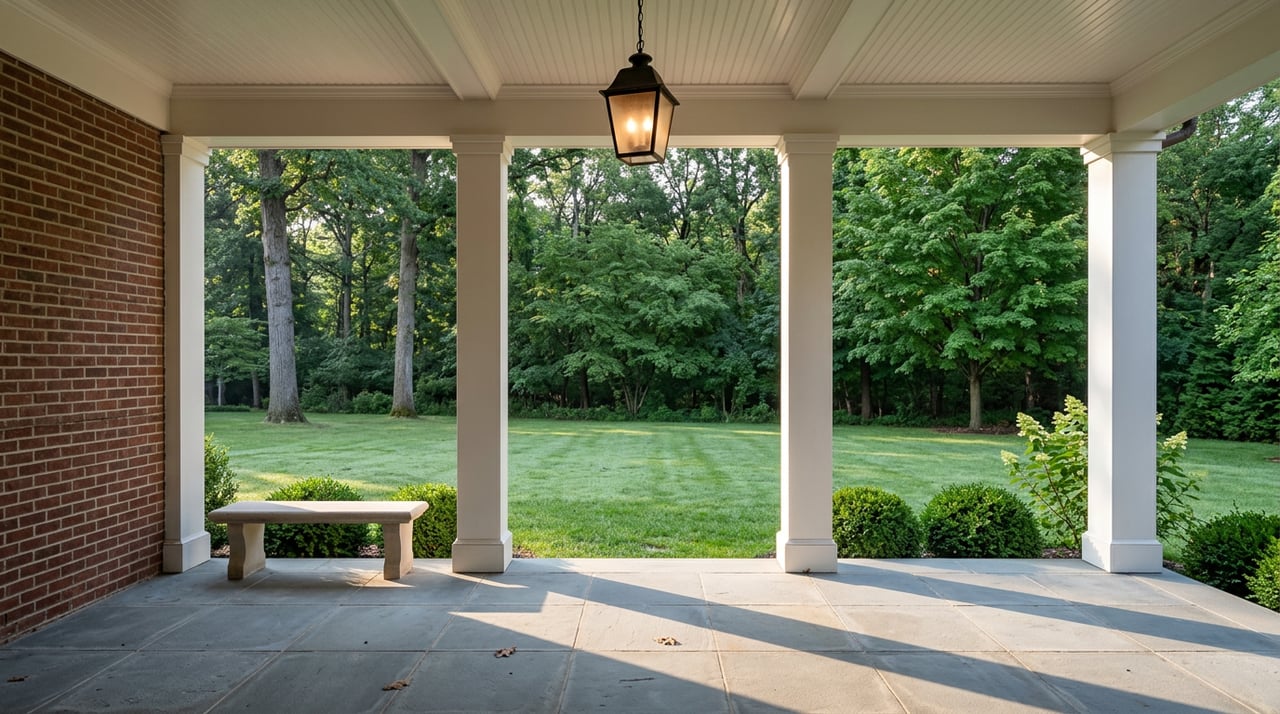
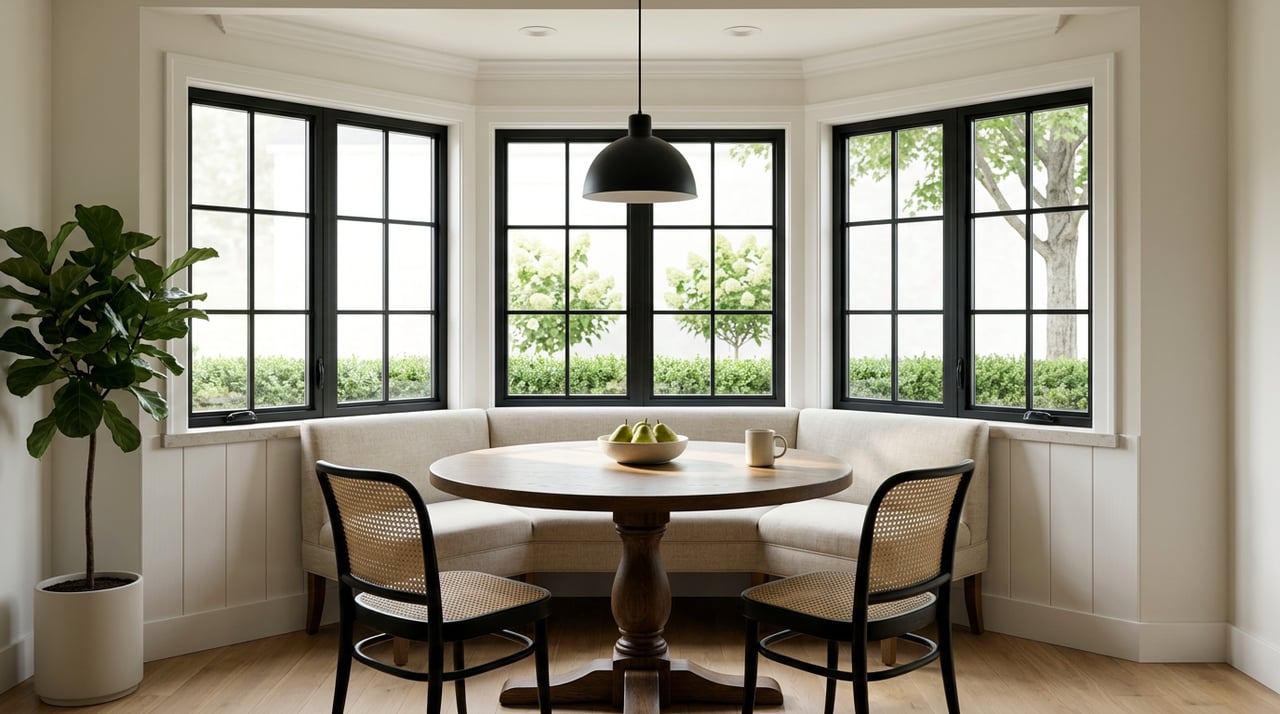
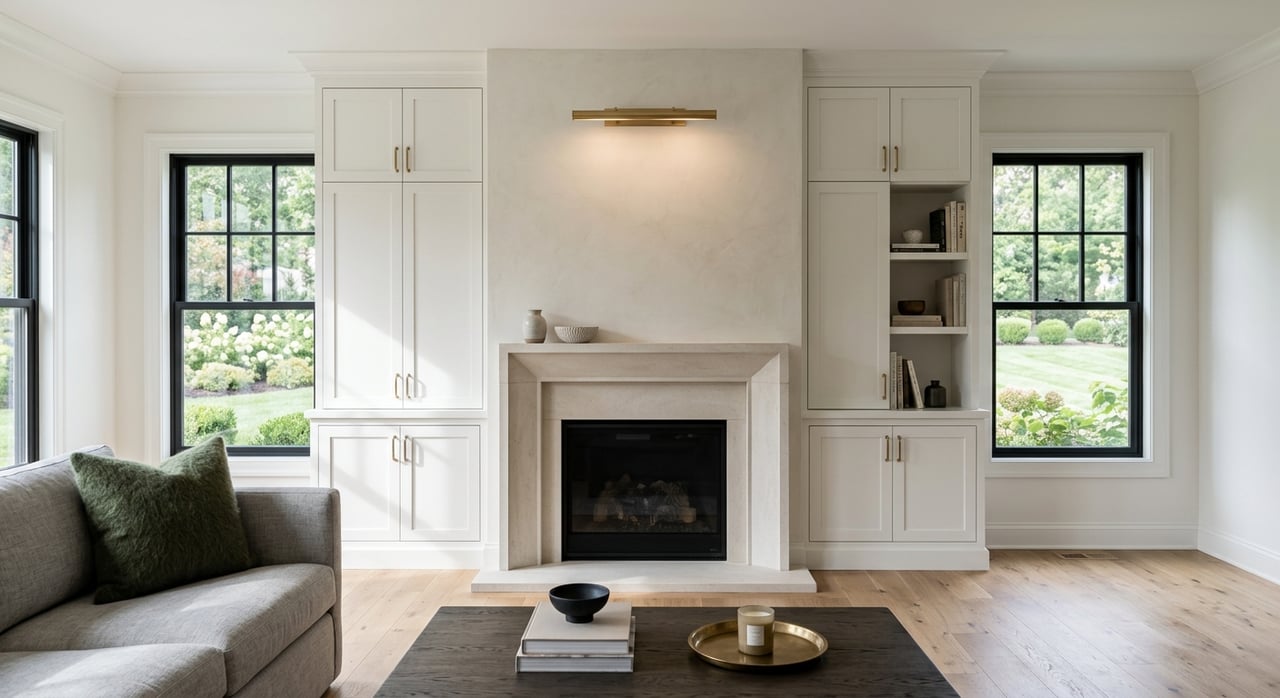
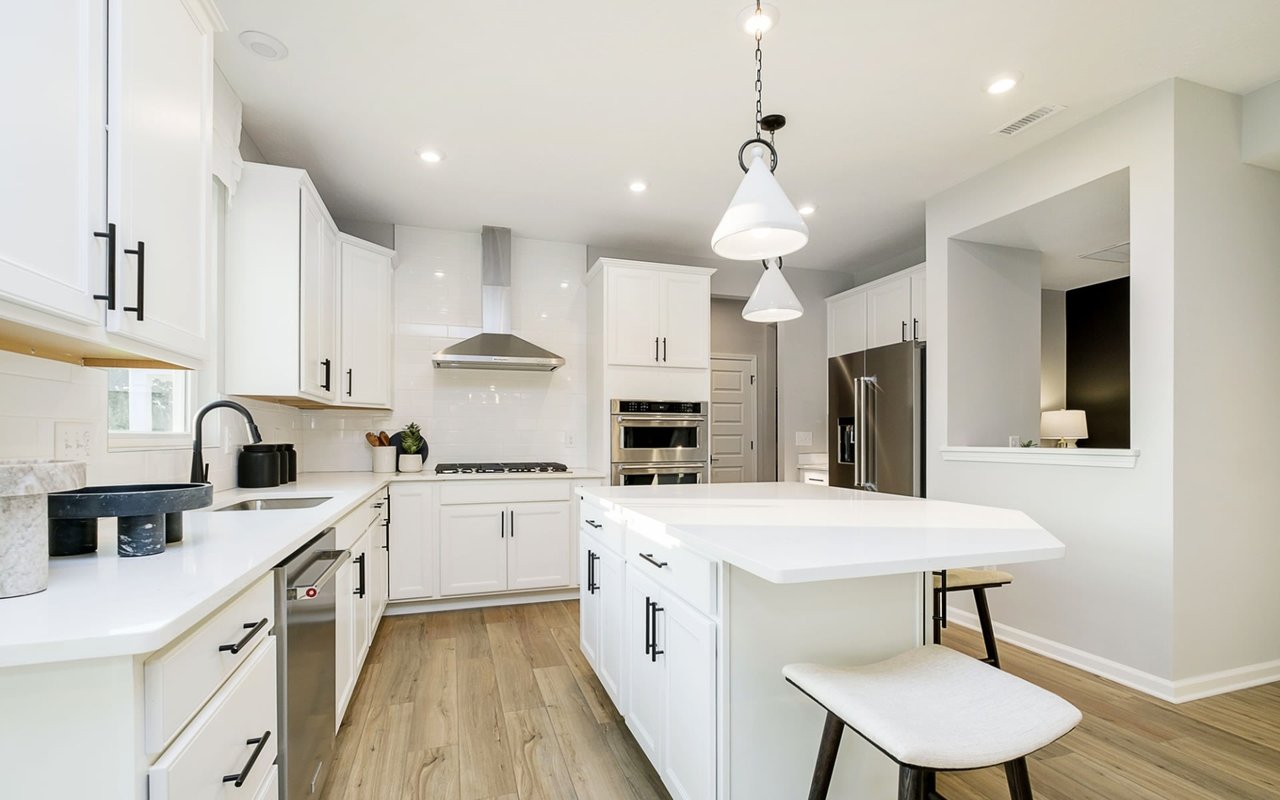
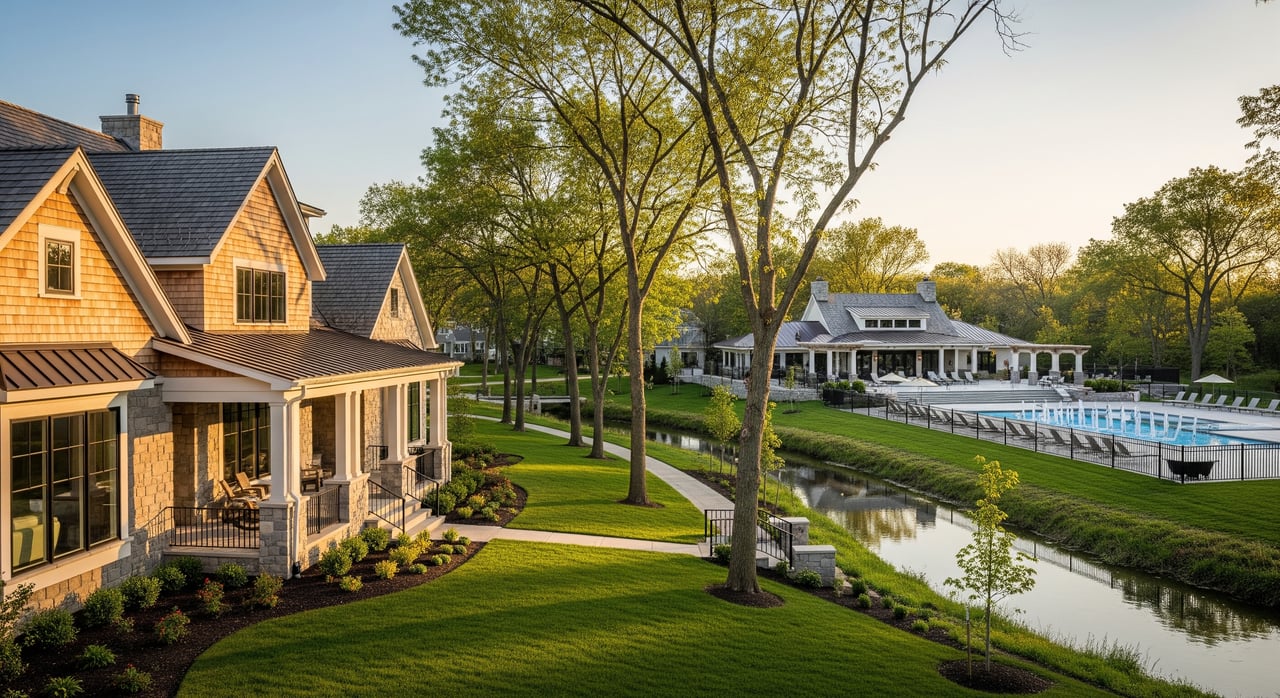
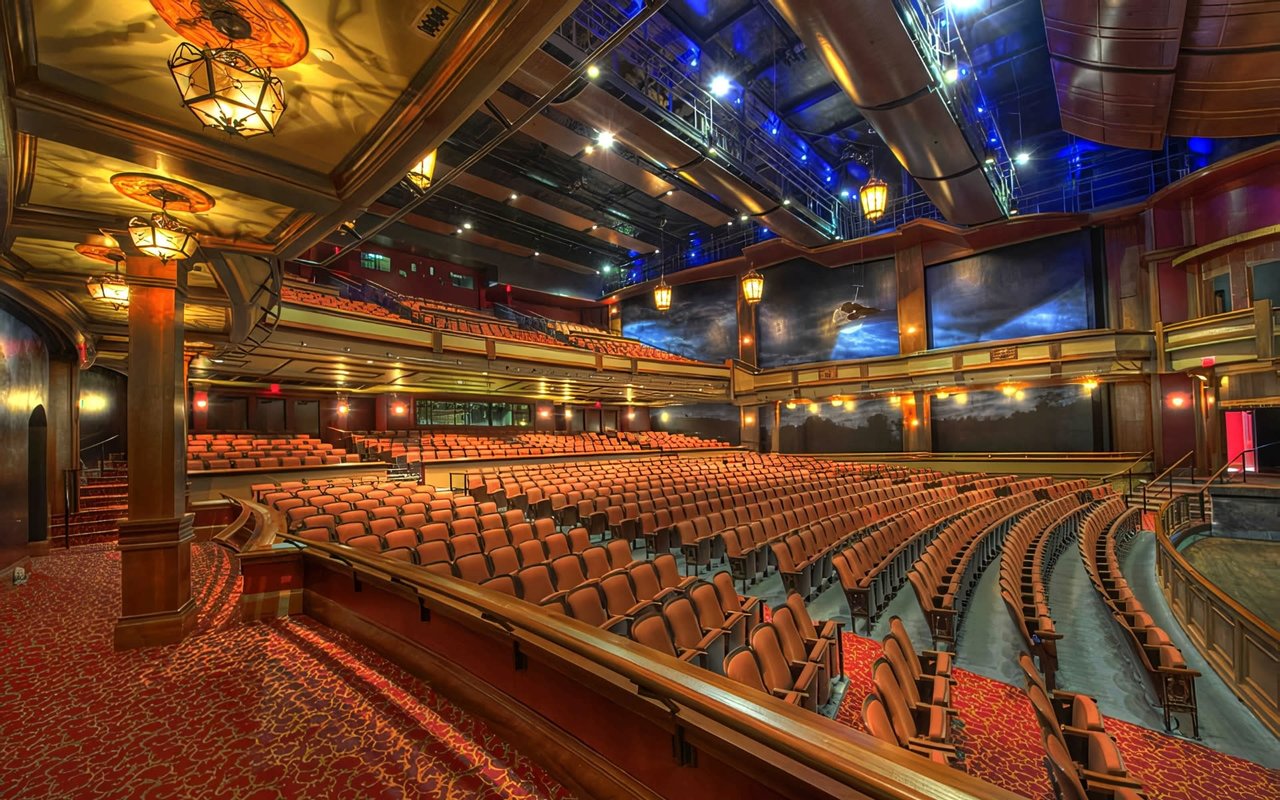
The club's non-golf spaces also saw extensive work: the clubhouse renovation reached more member-facing spaces than the golf-course work did. The Zinc Bar was redone. So was the Legacy Room, the dining hall with its own hearth. The north ballroom and the boardroom got new finishes. The golf shop was reworked. The 15,000-square-foot fitness center was updated. The six pickleball courts weren't just resurfaced, they were expanded. The exterior was repainted. Locker rooms, outdoor gathering spaces, and rooftop areas were all part of the same push.
Count the categories and the non-golf list is longer than the golf list, even though every headline led with Pete Dye's name.
Why the Club Spent This Way
That imbalance wasn't an accident of scheduling. According to reporting on the project from the club's own leadership, the renovation was deliberately built around members who don't organize their week around a tee time. Club ownership wanted spaces that got used beyond formal dining and golf, specifically because younger members and families, many under 40, were asking for more variety in how they spend time at the club. That's a demographic bet as much as a design one: the course serves the membership that's been here since 2005, but the pickleball expansion, the informal dining at Zinc Bar, and the rooftop and outdoor gathering spaces serve the membership the club is trying to keep for the next twenty years.
Mike Gardner, the club's chief operating officer, put it this way when the renovation wrapped:
"This renovation is an incredible example of our commitment to delivering exceptional experiences for our members on the golf course and throughout the entire club."
Read that quote alongside the range of member-facing work, and "throughout the entire club" stops sounding like a rounding-out phrase and starts sounding like the actual thesis of the project.
What That Means If You're Already Living Here
If you're a member who plays golf twice a month and treats the club mostly as a place to eat dinner on a Friday, this reopening is a bigger deal for you than the golf press coverage suggested. The Legacy Room and Zinc Bar are the spaces that got a genuine identity refresh, not just a paint job, and the six pickleball courts now have real breathing room instead of being squeezed onto a resurfaced afterthought. If you haven't been back to try the new locker rooms or the reworked outdoor gathering areas since before the renovation, that's worth a Saturday.
If you are a golfer, the practical changes are worth knowing before your next round. The seven new forward tees mean the course plays differently depending on which set you choose, so a hole you've played a hundred times from the old tee box can feel like a different assignment now. The turfgrass Liddy's team installed was chosen specifically for Indiana's growing conditions, drought tolerance and durability included, which matters more in a Hamilton County August than it does in the marketing copy. And the practice side, the 23-acre range, the 6-acre short-game area, the indoor simulators and heated hitting stalls, gives members a way to keep golf part of a weekly routine through a Midwest winter that used to shut most of that down.
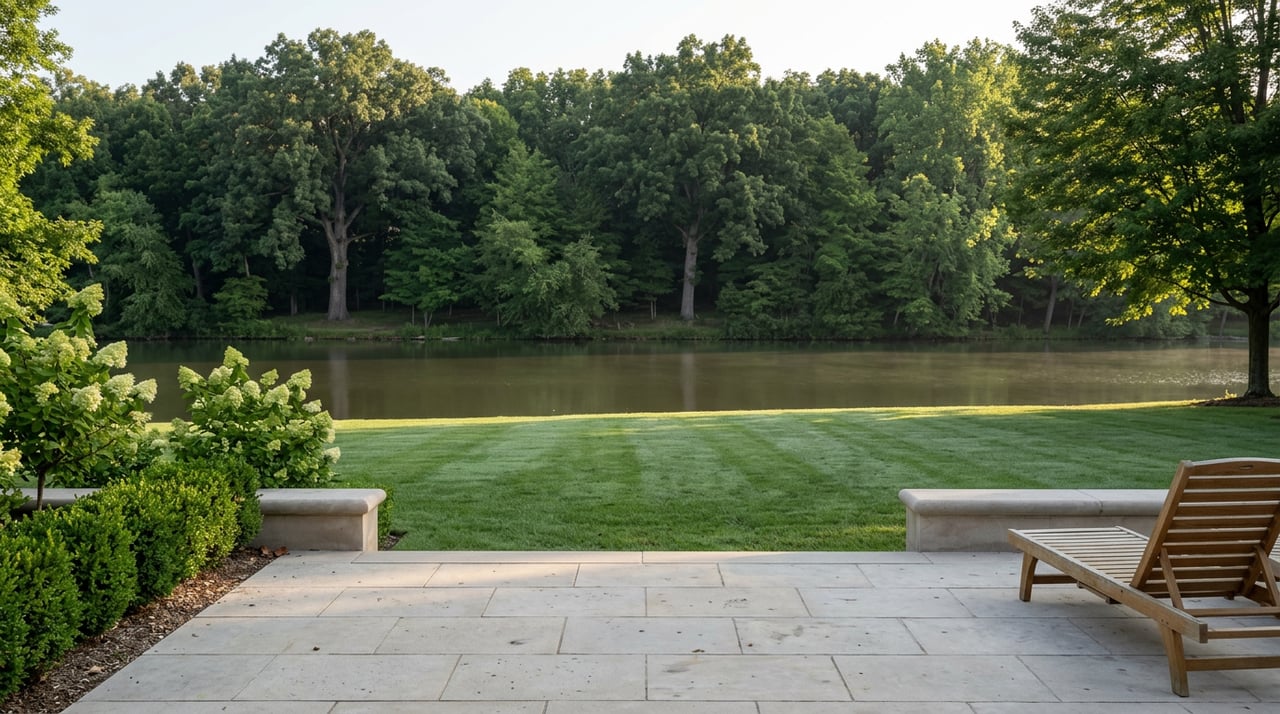
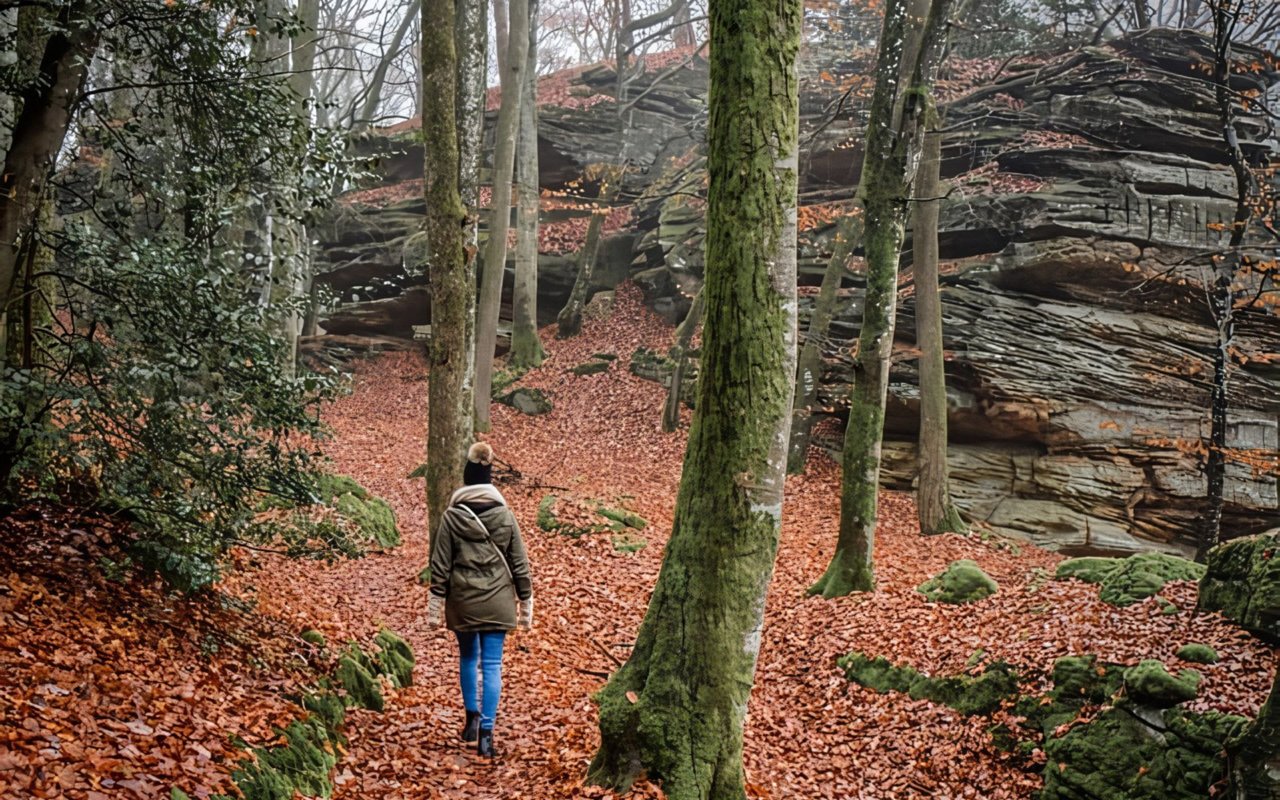
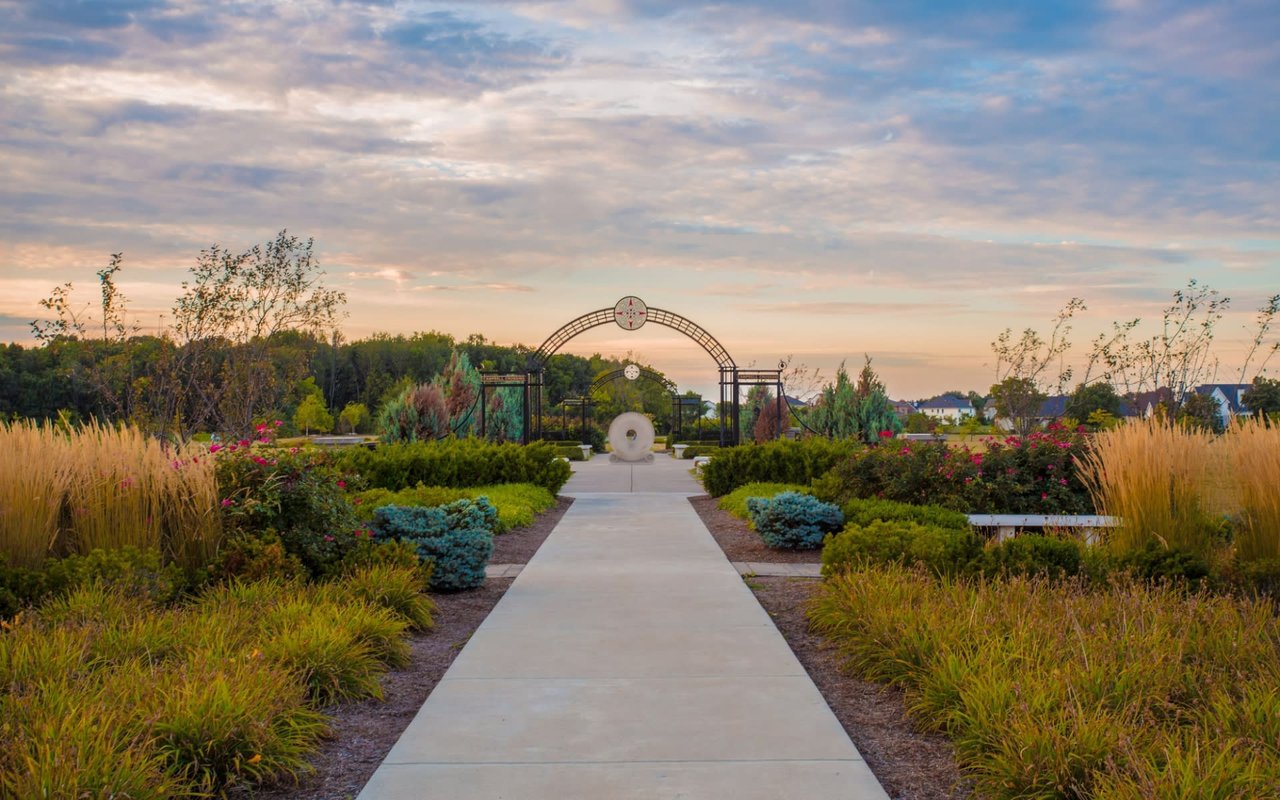
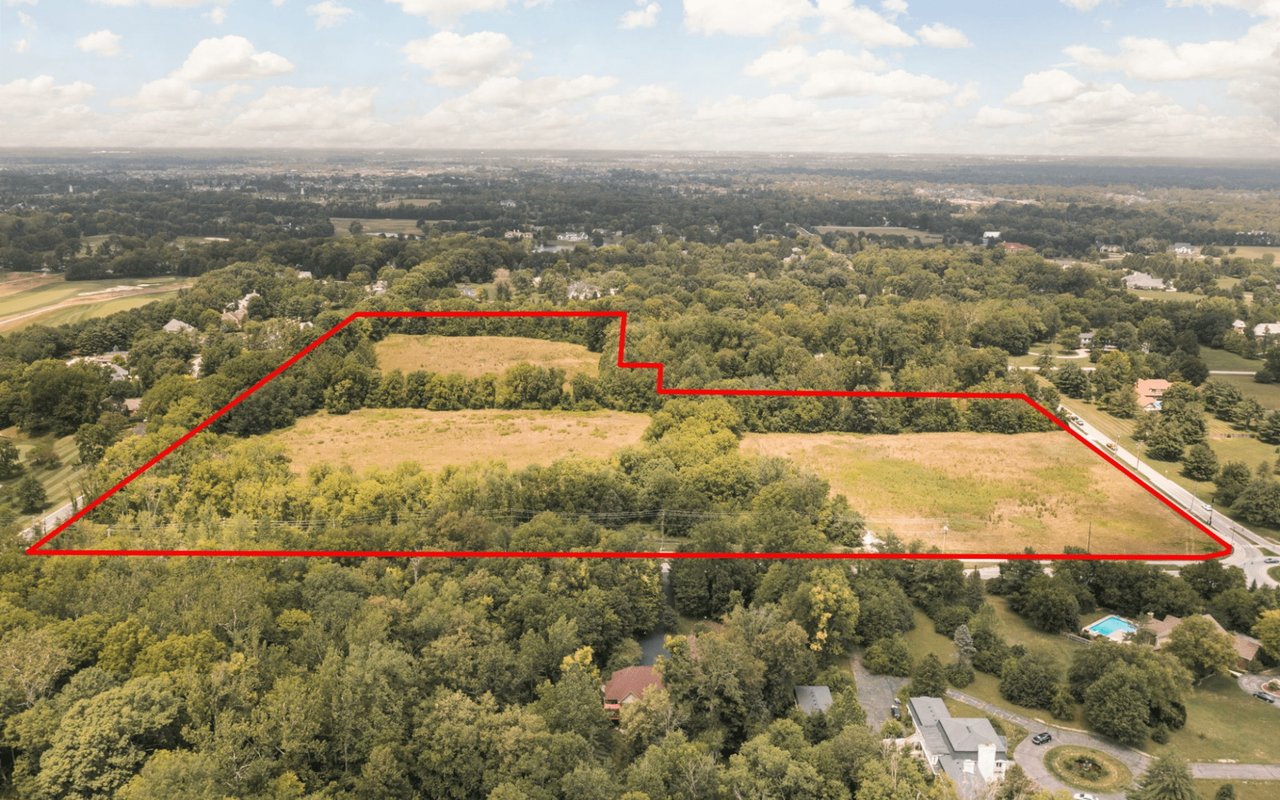
The trail network got quieter treatment in the coverage but it's worth a mention on its own. The club's walking trail, now measured at 3.5 miles, threads through a neighborhood that sits within a much larger 750-acre footprint of lakes, ponds, and green space. The course itself is 240 of those acres. The rest is the actual neighborhood: the streets, the homes, the everyday walk to nowhere in particular that doesn't show up in a golf writeup but is probably how most residents experience the property most days of the week.
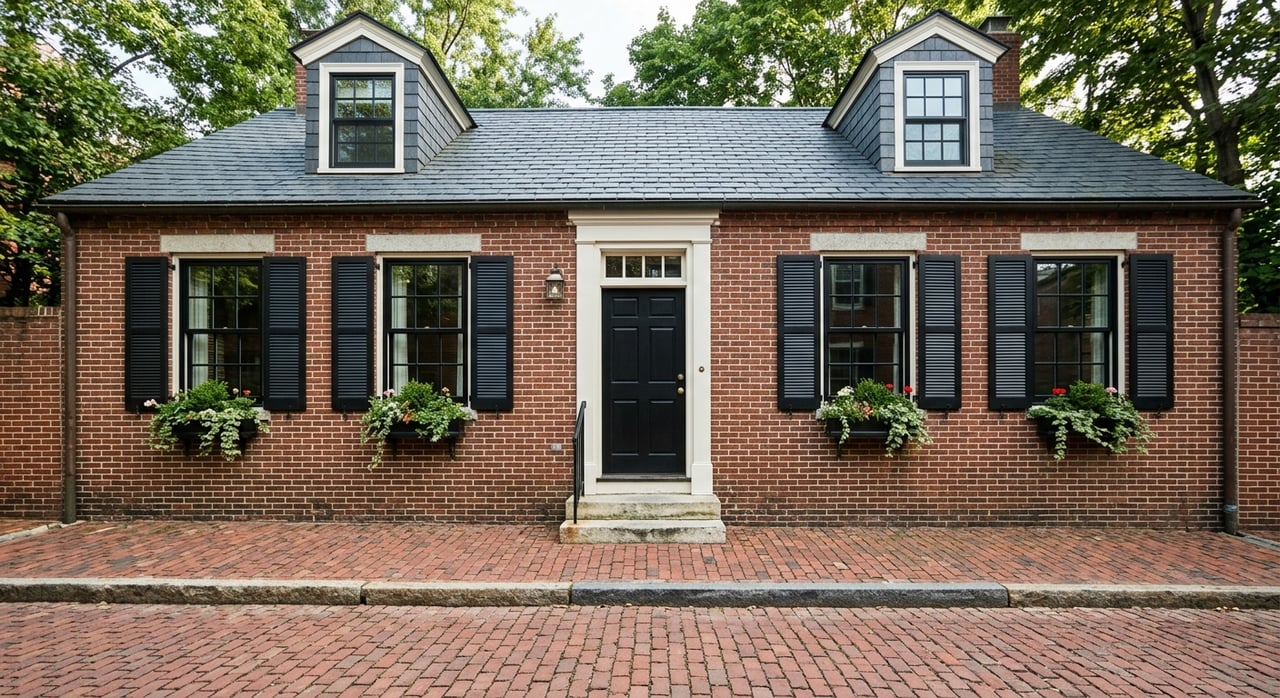
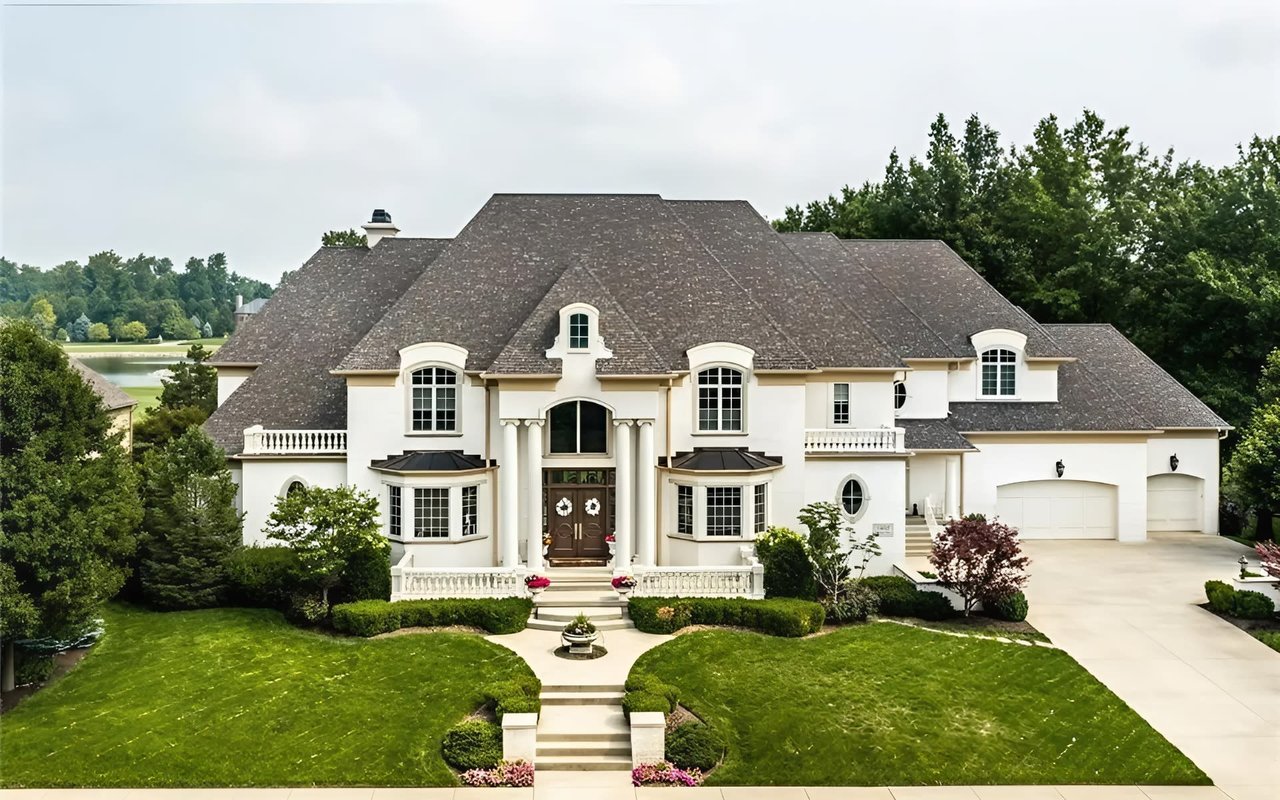
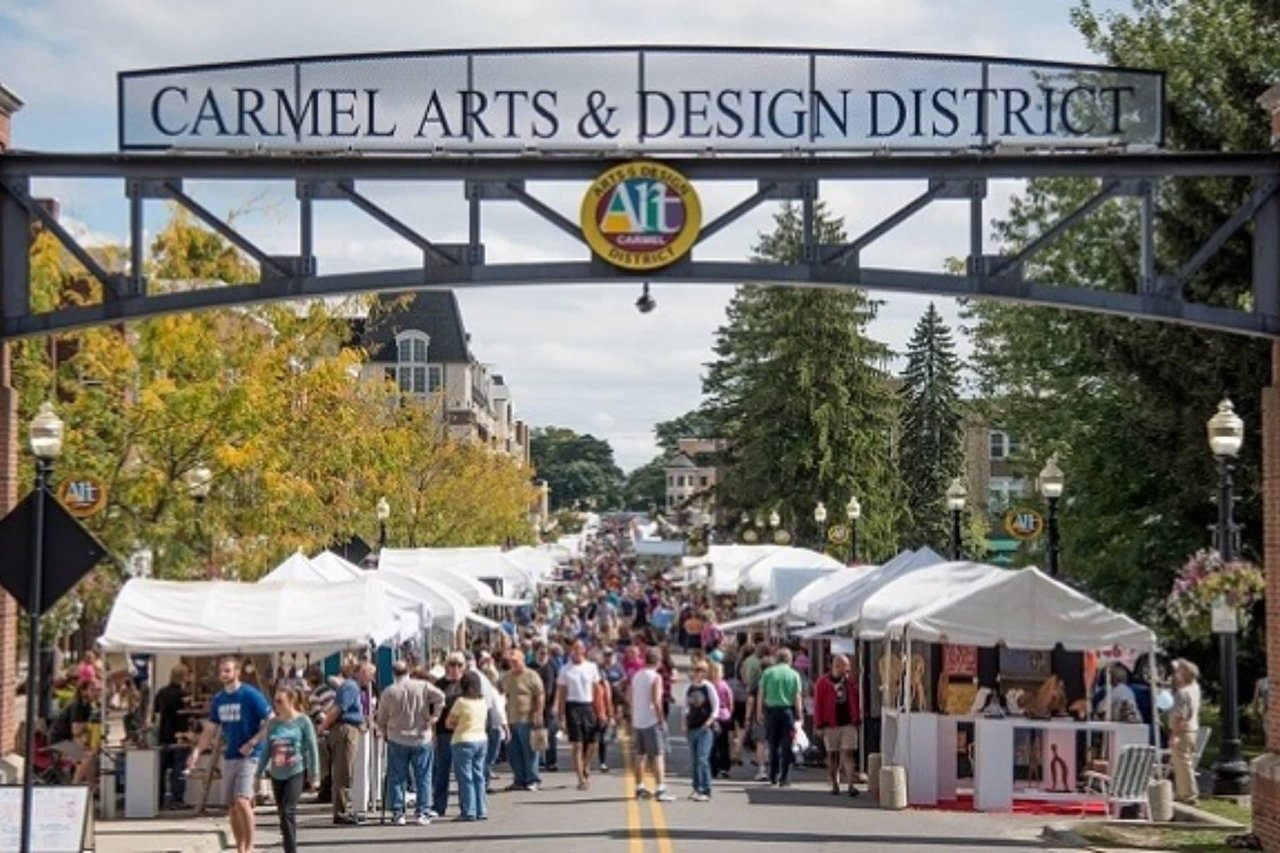
One more small thing worth knowing if you follow local coverage closely: you'll see The Bridgewater Club described as being in Carmel in some outlets and in Westfield in others. That's not a rebrand or a mistake, it's a reflection of how close the community sits to the boundary between the two cities. The clubhouse address puts it on 161st Street, and depending on which paper or news outlet is writing about it, you'll see either city name attached. Both are correct in the sense that matters to a resident: this is Hamilton County living, full stop, regardless of which municipal line runs nearest your street.
The First Full Season Since the Reopening
What's actually notable about where things stand in September 2026 isn't the renovation itself, it's the timing. The club reopened in mid-May, which means this fall is the first time the entire membership has moved through a full season, summer into fall, with every renovated space actually open and in regular use. The pickleball courts have had a full summer of league play to settle into their new footprint. The Zinc Bar has had a full season of Friday nights to find its rhythm. The course has had a full growing season for that new bentgrass to establish itself under real play, not just the ceremonial shotgun start in May.
If you belong to the club and haven't spent a full season in the renovated spaces yet, that's another part of the story alongside the Pete Dye name attached to the golf coverage. The course restoration protects what's always drawn golfers to Bridgewater. The clubhouse work is aimed at everyone else, and it reaches more member-facing spaces than the golf-course work described here.
Whether you're weighing what a season inside a newly renovated private club means for your own plans in Hamilton County, or you're simply trying to figure out where your Saturday mornings should go this fall, The Carrie Holle Group knows this neighborhood at street level, not just from a press release. If you'd like to talk through what any of this means for your own home or your next move in the area, schedule a Personal Market Consultation and we'll walk through it together.