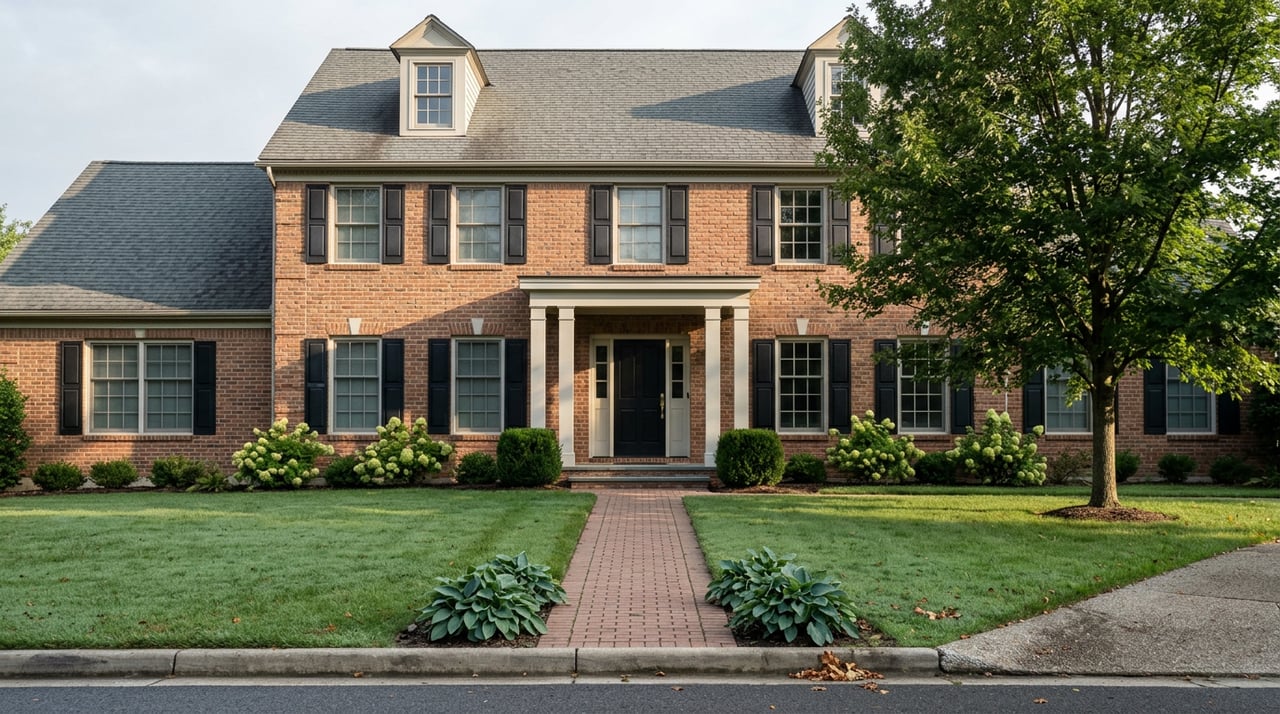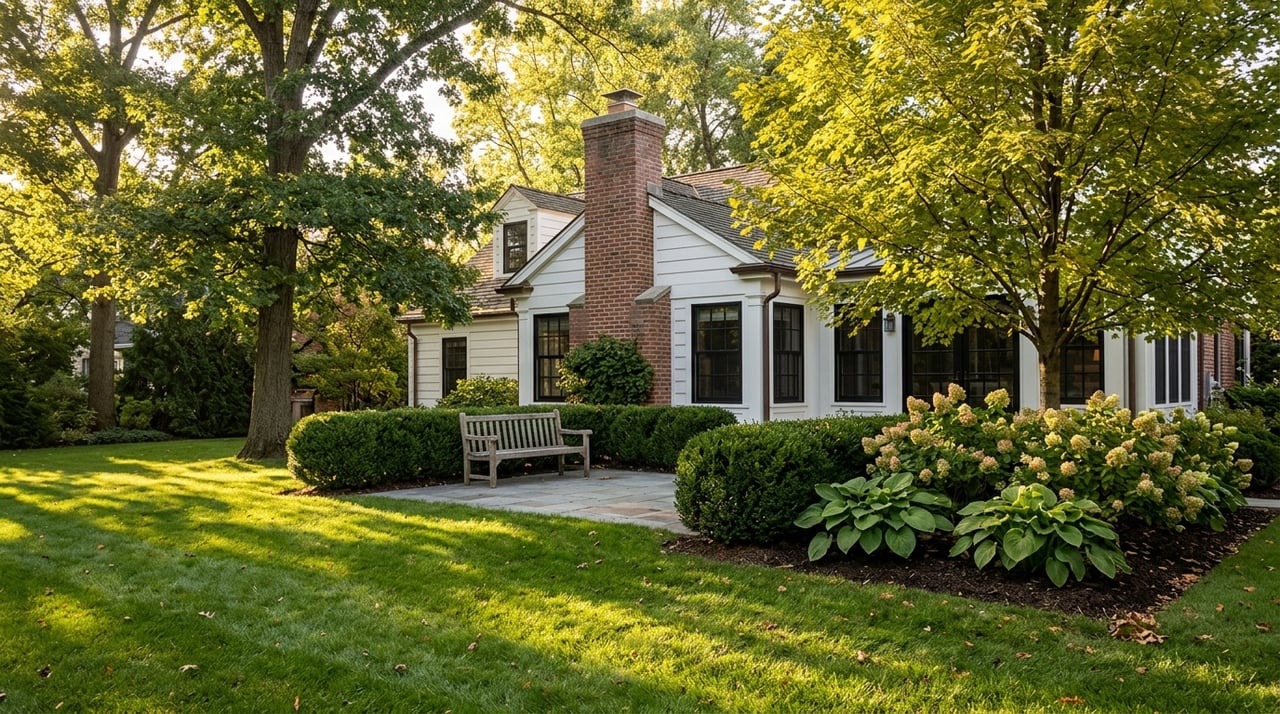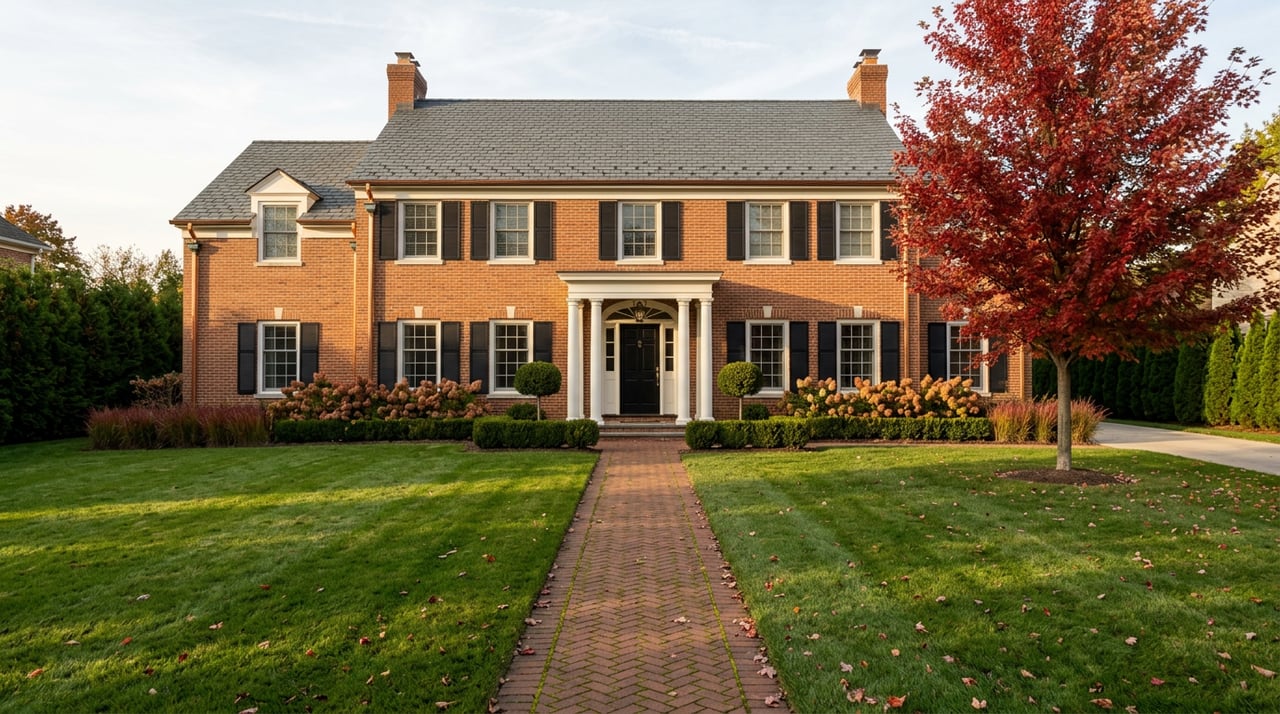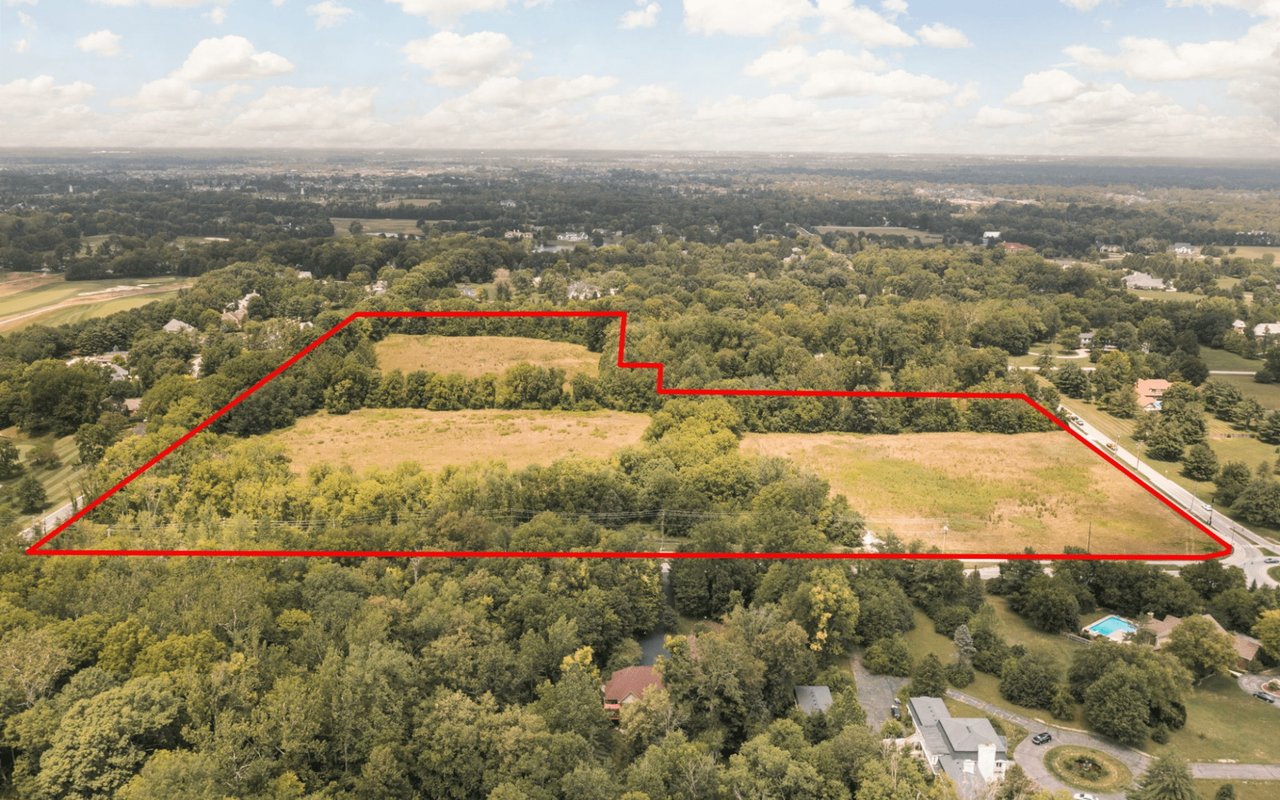
On April 3, 2026, a property inside the gates of Laurelwood closed for $1,150,000. The MLS record lists the transaction with a dash where the bedroom count should be, a dash where the bathroom count should be, and zero in the square footage field. No walkthrough photos of a kitchen. No listing copy about crown molding or a gunite pool. The buyer paid over a million dollars for dirt.
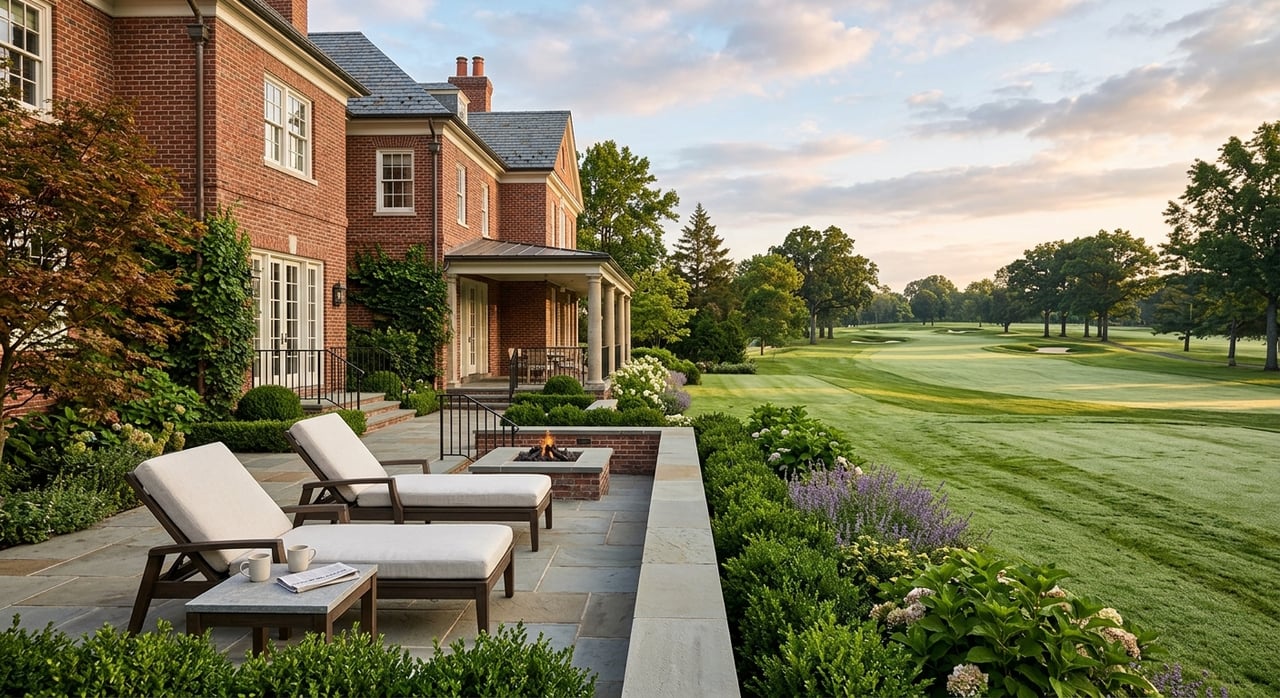
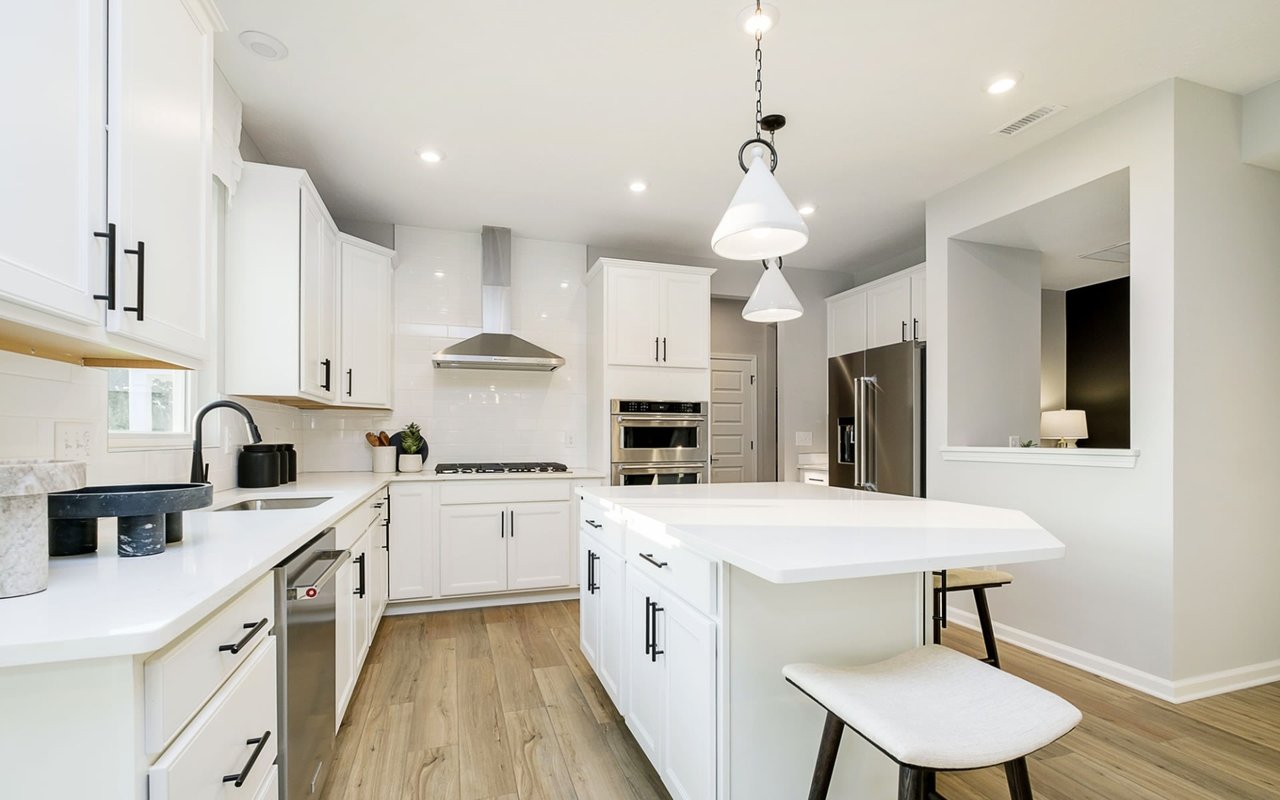
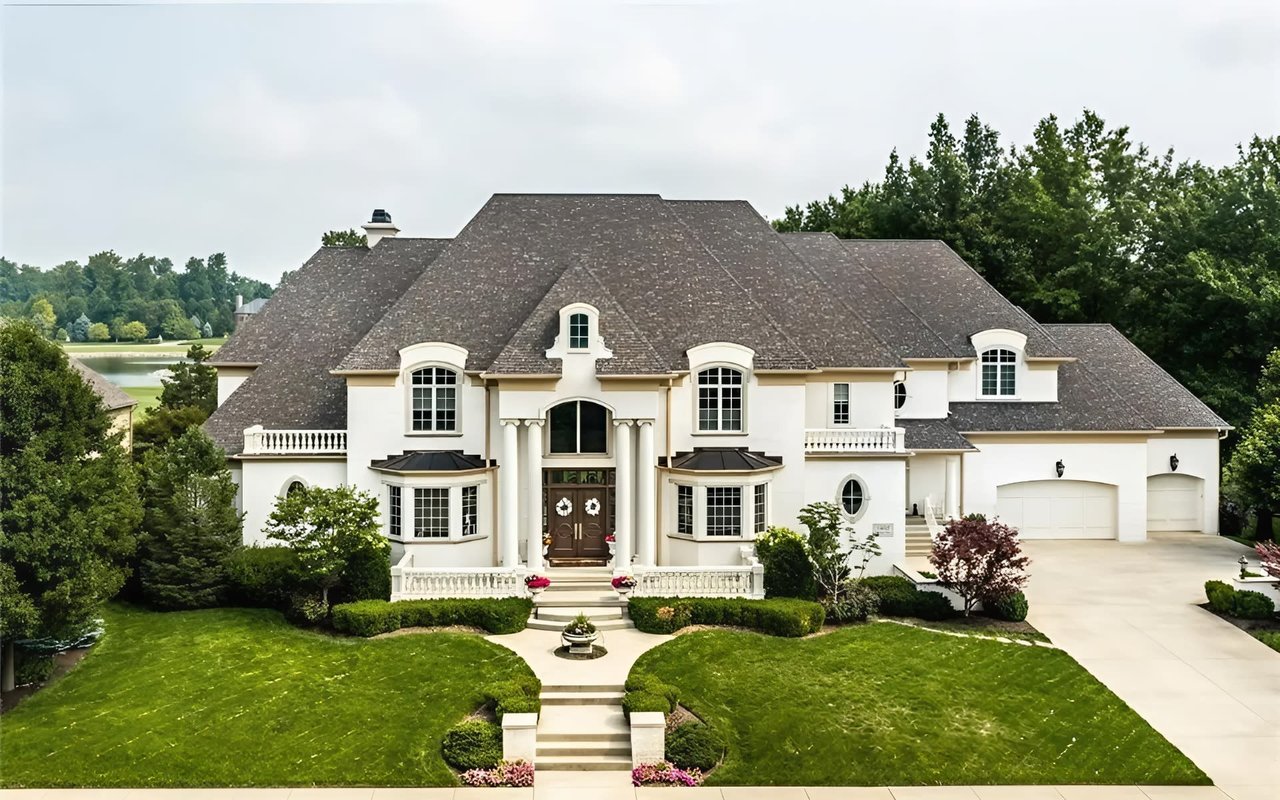
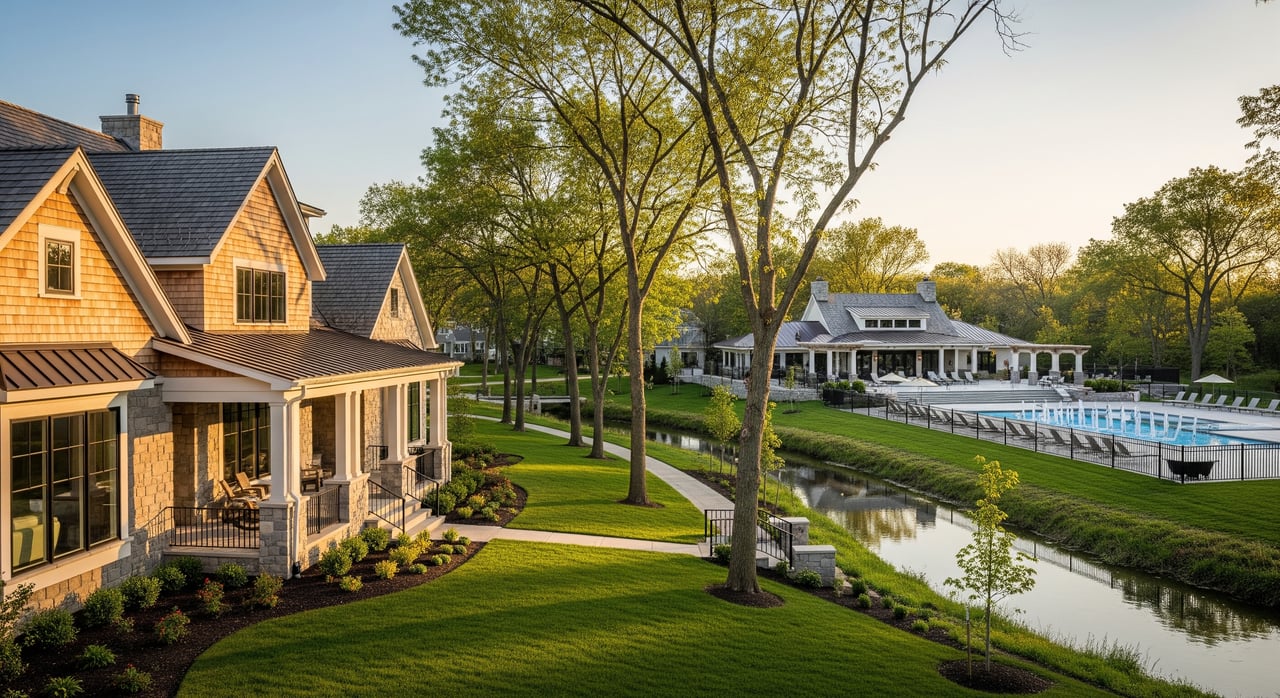
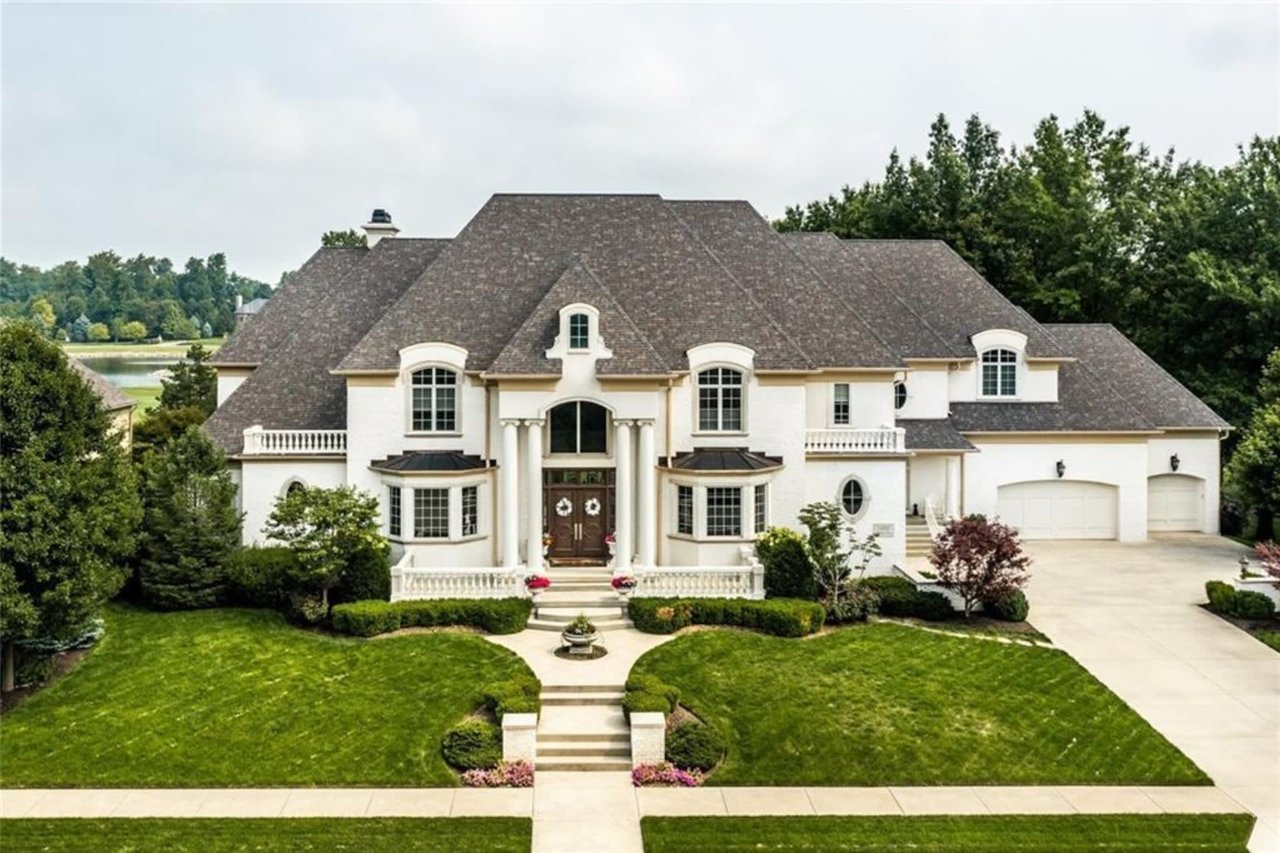
Three streets over, an active listing carries a price of $5,995,000 for a finished estate on 1.66 acres with a greenhouse, a carriage house, a full gym with a traditional sauna, and a pool and cabana with a wood-burning fireplace. Same gated entrance. Same homeowners association. Same Laurelwood address on the sign. If you pulled both listings up on a portal and looked only at the price-per-square-foot column, one of them would simply refuse to calculate, because there is no square footage to divide into. That gap is not a market inefficiency. It is the honest answer to what Laurelwood actually is: not one housing product wearing one name, but at least three, trading side by side under a single subdivision tag.
Three Products, One Gate
Anyone comparing a median price or an average price-per-square-foot for Laurelwood is quietly averaging together three different things that do not behave the same way. Recent closed sales and listings make the split visible.
Date / status | Price | Property | Sqft |
|---|---|---|---|
Apr 3, 2026 | $1,150,000 | Vacant lot, no structure | 0 |
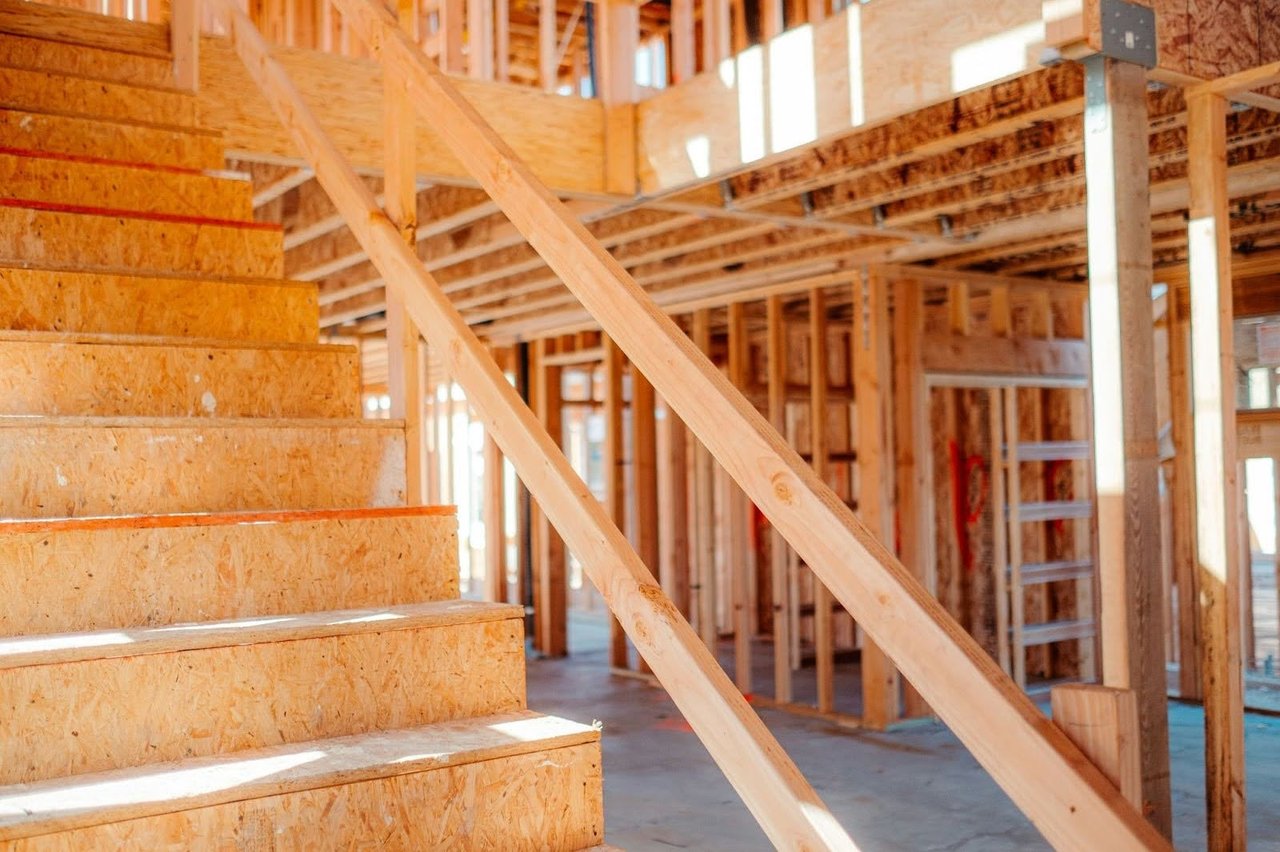
Apr 8, 2025 | $1,300,000 | Spec home under roof, buyer finishes it out | Shell, unfinished |
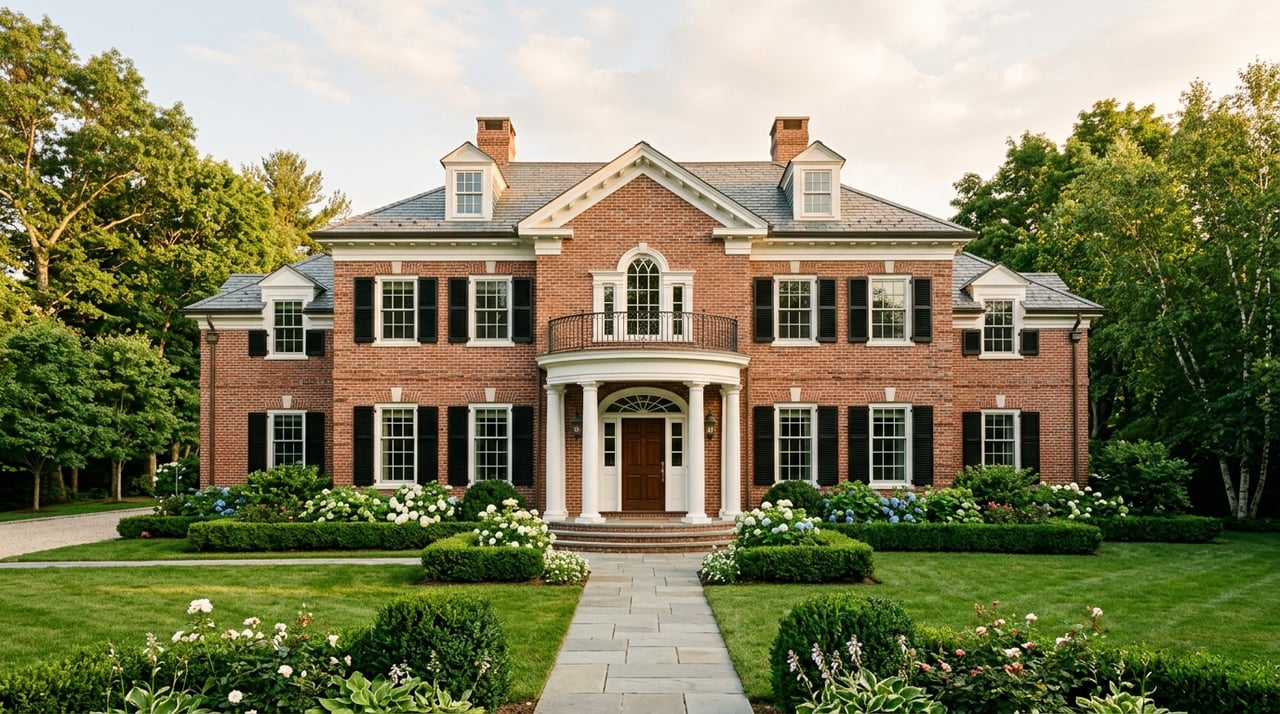
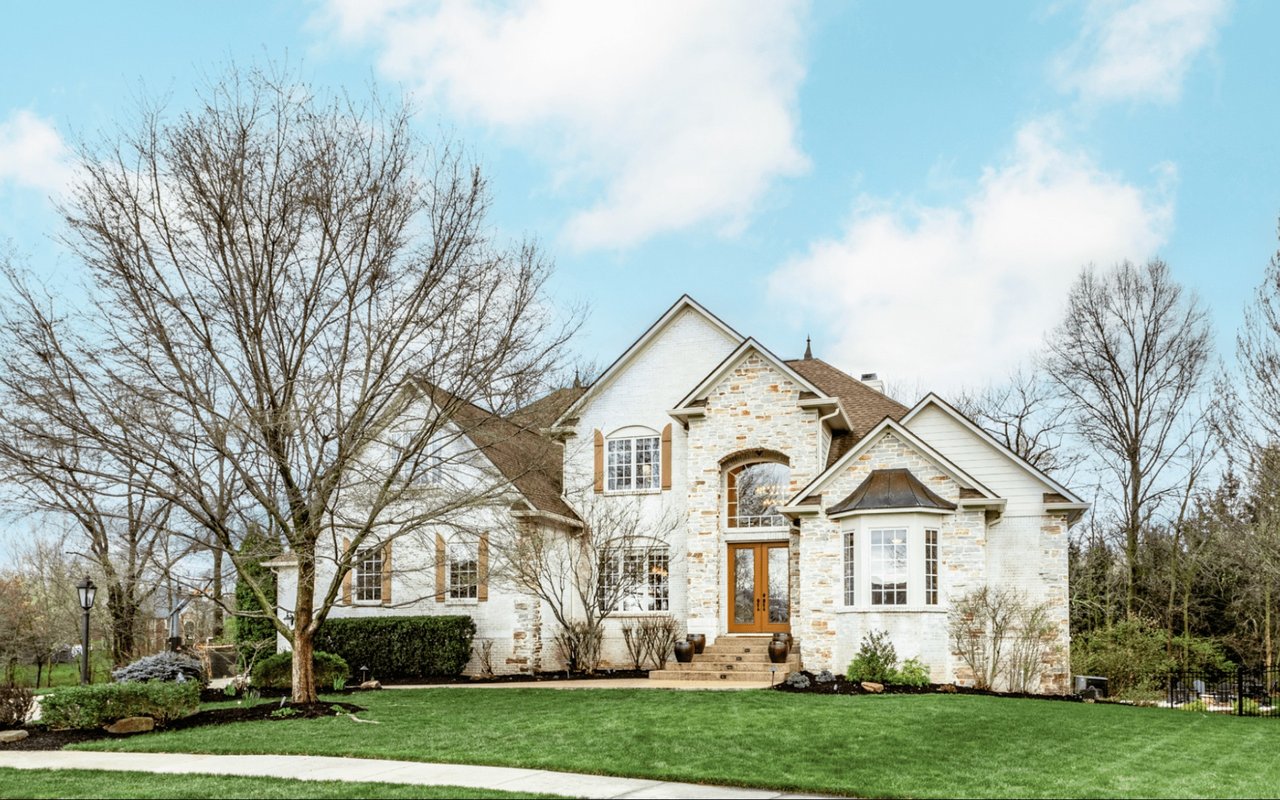
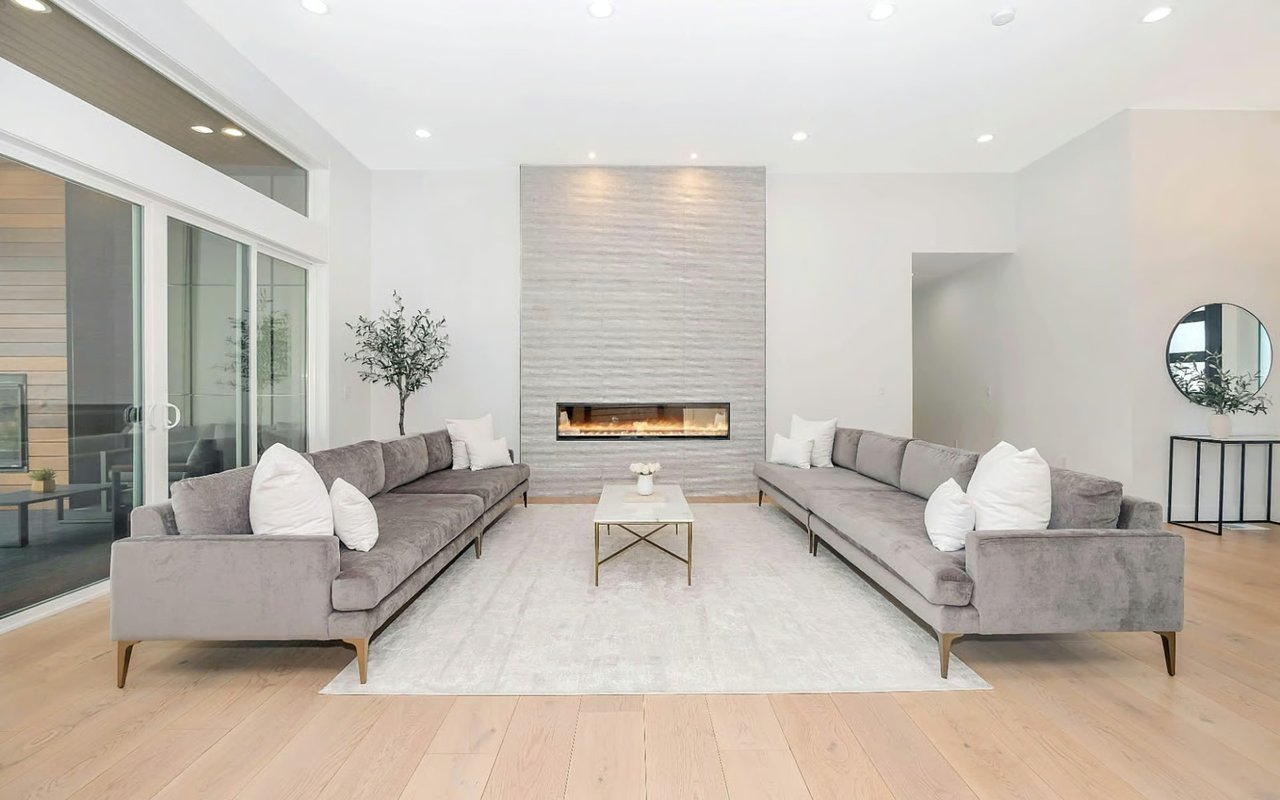
Dec 19, 2025 | $2,500,000 | Finished estate, 5 bed / 8 bath | 8,214 |
Jan 30, 2026 | $2,500,000 | Finished estate, 5 bed / 7 bath | 9,342 |
Oct 23, 2025 | $3,705,000 | Finished estate, 5 bed / 8 bath | 11,192 |
Active, Aug 2026 | $5,995,000 | 2004 build, gut-renovated 2023 | roughly 12,600 |
Look at that table as a single price curve and it makes no sense. Look at it as three separate curves, land, shell, and finished home, and every number lines up with what it actually represents. The $1.15 million buyer wasn't overpaying for nothing. They were paying for the only thing that transaction actually contained: the parcel, the gate code, and the association that comes with it.
What Zero Square Feet Actually Buys
A "0" in the square footage field on a Metropolitan Indianapolis Board of Realtors listing is not a data error. It's the standard way the MLS flags a vacant lot: there's no livable structure to measure yet, so the field records nothing. What a buyer is pricing in that scenario is everything that exists independent of the house: the acreage, the gated and privately managed entrance, the Carmel Clay Schools boundary, and membership in the community association that maintains it. Listings for buildable Laurelwood lots have historically carried HOA dues in the neighborhood of $250 a month, billed whether or not a foundation has been poured. That detail matters more than it looks. The dues don't wait for the house. Neither does the tax bill on the land. A buyer closing on raw ground here is paying full carrying cost from day one, for an asset that won't generate a single square foot of livable space until a builder is hired and permits are pulled.
That's a materially different risk profile than buying a finished estate, and it explains why a raw lot and a move-in-ready home a few doors apart can sit at prices that look, on paper, oddly close. The lot buyer isn't getting a bargain. They're taking on the construction timeline, the design decisions, and the carrying costs that the finished-home buyer already absorbed years ago.
The Builder Who Keeps Showing Up
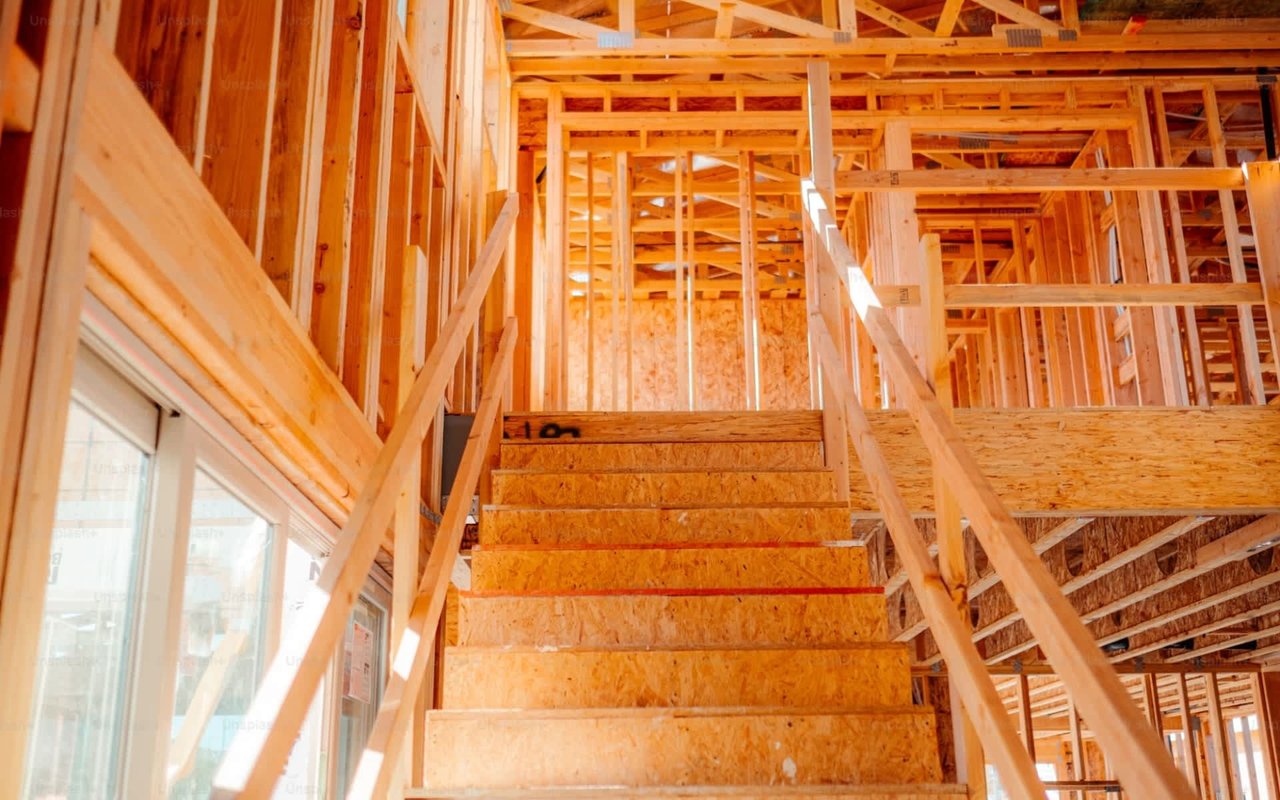
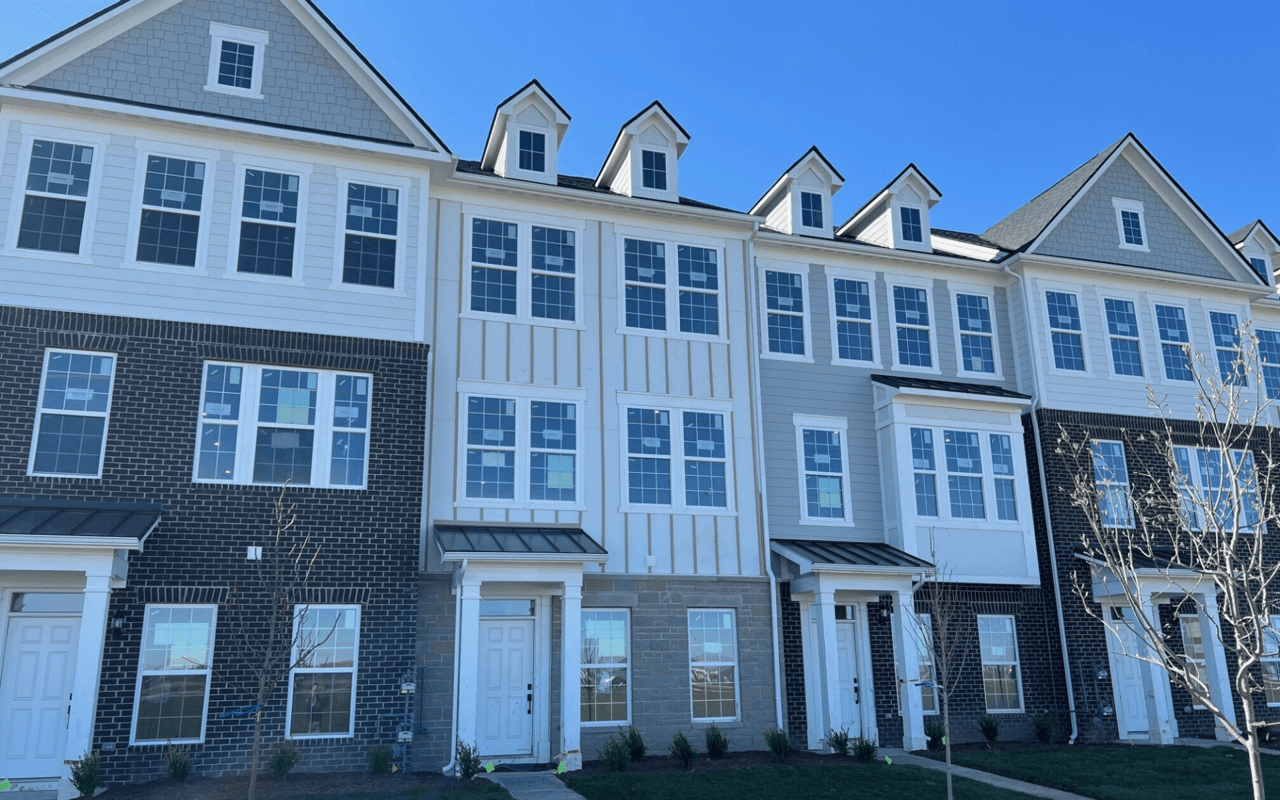
The middle category, the unfinished shell, is where Laurelwood's small size becomes visible in a different way. The home that closed for $1,300,000 in April 2025 wasn't a distressed sale. It was a custom project by Hoss Homes, a Central Indiana builder operating continuously since 1975, working from a design by architect Gary Nance, sold to a buyer who could still choose finishes, appliances, and flooring and complete the build with Hoss or with a builder of their choosing. That's a spec-shell transaction, priced for the structure as it stood mid-construction rather than as a finished product, and it's a different animal from either the vacant lot or the move-in-ready estate above it in the table.
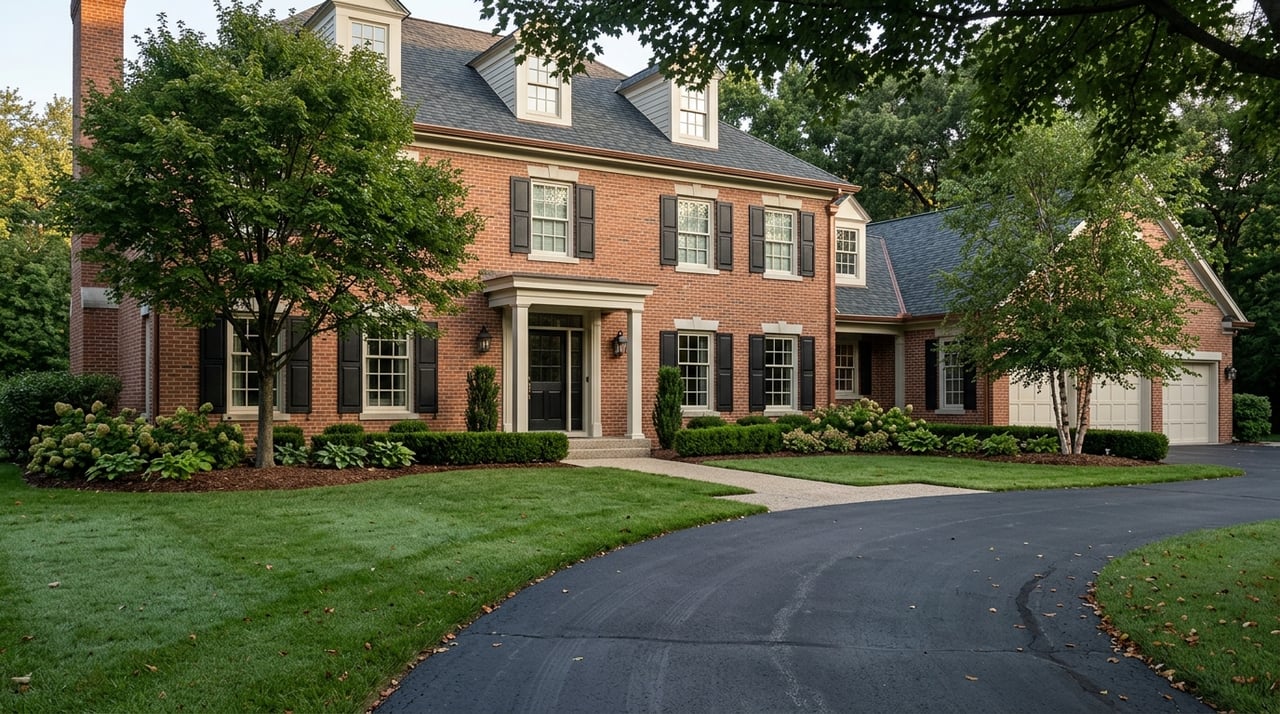
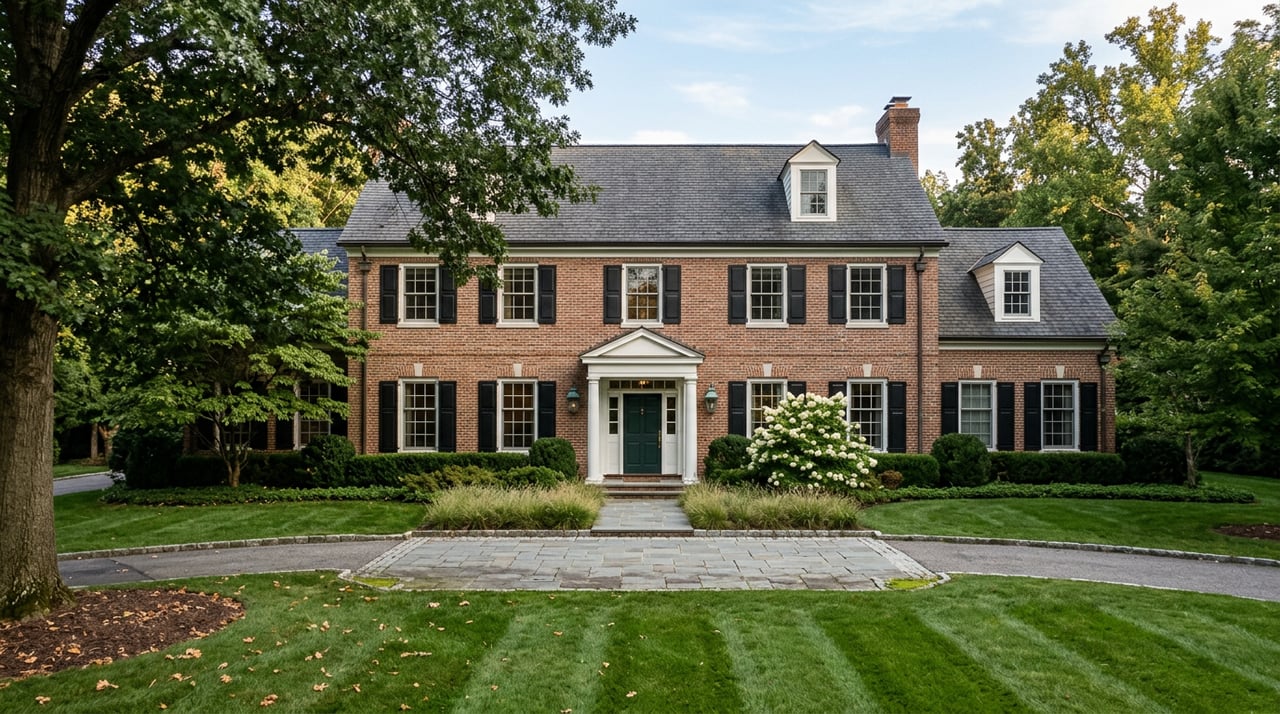
Hoss Homes turns up again at the top of the price range. The estate currently listed at $5,995,000 was originally built in 2004 by RJ Klein and extensively renovated in 2023 by Hoss, with a new kitchen, redesigned landscaping, and all-new lighting throughout. That renovation is worth sitting with. A 2004 build in most Carmel subdivisions would be marketed as a mature resale. In Laurelwood, a 20-year-old house was renovated and relisted at a price that competes directly with new construction. Together, those projects show how Laurelwood's housing stock can range from an unfinished shell to a substantially renewed estate.
Reading a Laurelwood Listing Before You Anchor on Price
None of this is a reason to avoid Laurelwood. It's a reason to read a specific listing before reacting to its price. A few checks separate the products before you compare anything:
- Check the square footage field first. Zero or blank means you're pricing land, gate access, and HOA membership, not a house.
- Check the listing language for "proposed" or "under roof." That's shell language. The price reflects a structure in progress, and the finish-out cost still belongs to the buyer.
- Check year built against any renovation date in the listing history. A 2004 build with a 2023 gut renovation is not competing on the same terms as an unrenovated 2004 build.
- Check acreage against price once you've isolated which tier you're in. Comparing a 1.66-acre finished estate to a 3-acre vacant lot on price alone tells you nothing about either one.
Skip these checks and a citywide or even neighborhood-level median becomes close to meaningless here. Run them, and the same seven-figure numbers that looked contradictory at the top of this piece turn into a coherent, readable market.
Laurelwood's population, by official count, sits at 154 residents. That's a small enough enclave that it doesn't compete on shared amenities the way a golf club or a lake community does. Regional coverage of Indiana's gated communities has described Laurelwood specifically as known less for communal facilities and more for the scale and privacy of its individual estates. That framing lines up with everything in the sales data. There's no clubhouse absorbing a chunk of every transaction's value. The value sits entirely in the land, the structure, or the renovation, one at a time, which is exactly why those three things need to be priced separately rather than averaged together.
Frequently Asked Questions
Is Laurelwood still building new homes, or is it fully built out? Recent activity says construction is ongoing. A vacant lot changed hands in April 2026 and a builder-completed shell sold in April 2025, both signs that new construction inside the gates hasn't stopped even in a small, established enclave.
Does the HOA apply to a vacant lot the same way it applies to a finished home? Yes. Dues attach to the parcel once it's part of the association, independent of whether a structure exists on it yet. A buyer of raw land here is paying association costs from closing day forward.
How is Laurelwood different from other gated Carmel enclaves? Where some Carmel communities sell primarily on shared amenities, Laurelwood's value concentrates almost entirely in the individual parcel and structure. That makes it a market where knowing which product tier you're looking at, land, shell, or finished estate, matters more than it would somewhere with a clubhouse or golf membership smoothing out the comparison.
Laurelwood rewards a buyer or seller who reads the listing sheet before the price tag. If you're trying to figure out which tier a specific Laurelwood property actually sits in, or you're weighing whether to sell a finished estate into a market that's currently pricing land and shells at surprisingly close numbers, We Are Carmel Real Estate can walk through the comparison with you. Schedule a personal market consultation and bring the listing you're trying to make sense of.
This article is general information, not legal, tax or financial advice. Consult a qualified professional about your situation.